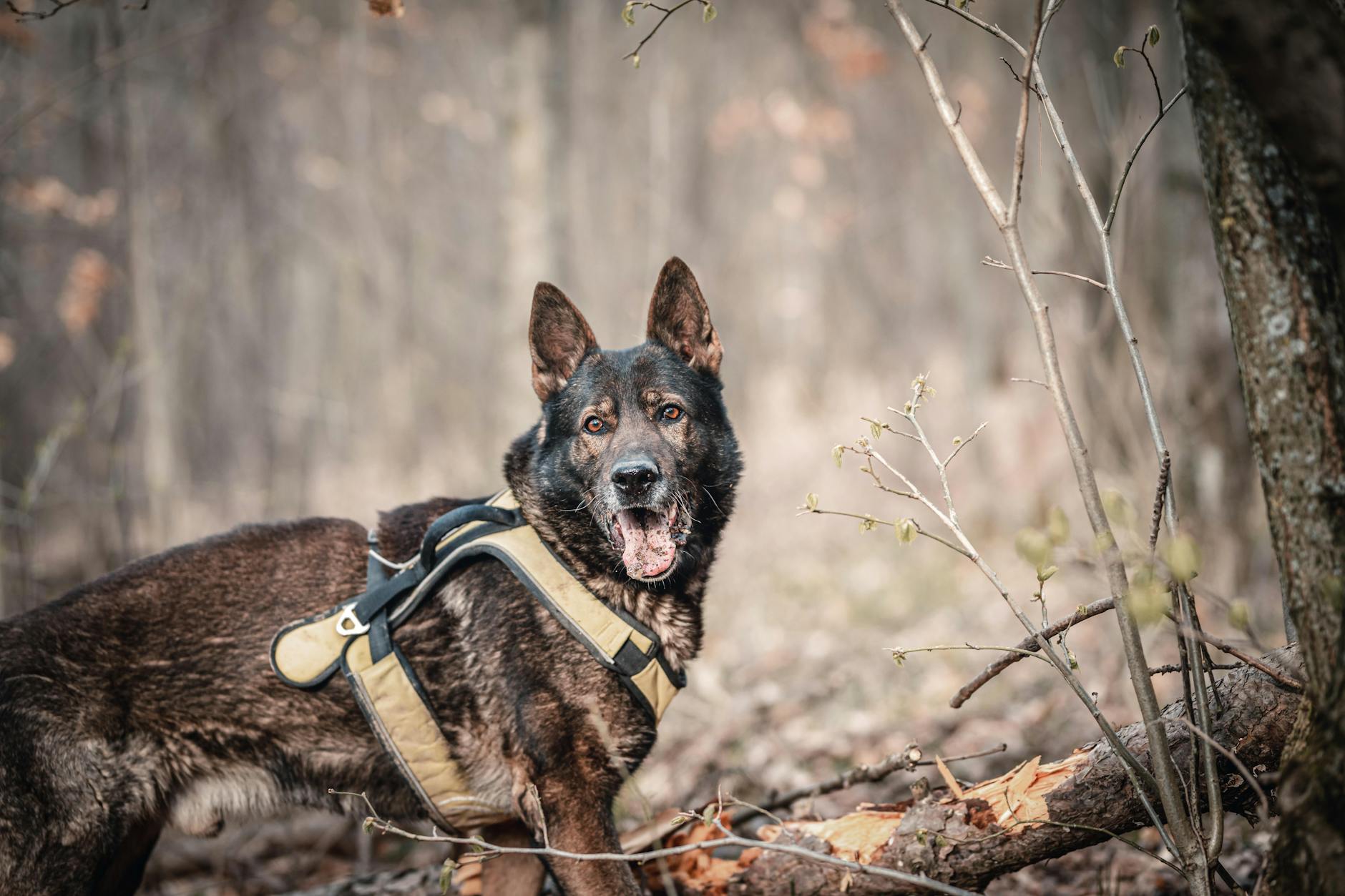
In 2013, the Supreme Court handed down a landmark decision that significantly expanded the scope of police searches, particularly those involving man's best friend. The ruling clarified that police dogs, with their keen sense of smell, could be deployed to search vehicles during routine traffic stops without requiring additional suspicion of criminal activity.
The case centered around a Florida man whose vehicle was searched by a police dog after he was stopped for a minor traffic violation. The decision sent shockwaves through the legal community, raising important questions about privacy rights and the extent of police authority. At its core, the ruling addressed a critical issue: Can police dogs search cars? The answer, according to the Supreme Court, was a resounding yes, provided the dog is properly trained and the search is conducted in accordance with established procedures. This decision has had far-reaching implications, affecting how law enforcement agencies across the country conduct searches and how citizens understand their rights during police encounters.
The 2013 Supreme Court Decision

The 2013 Supreme Court decision in Florida v. Harris marked a significant moment in the debate surrounding police dogs and their role in searching vehicles. The Court unanimously ruled that the mere fact a dog alerts during a search does not automatically prove probable cause. Instead, the reliability of the dog and its handler became crucial factors in determining the validity of the search.
Justice Elena Kagan, writing for the Court, emphasized that courts must examine the dog's training and certification records. This decision shifted the focus from the dog's alert to the overall credibility of the canine unit. The ruling also highlighted the need for consistent and rigorous training standards for police dogs.
A study by the National Institute of Justice found that only 40% of drug-detection dog alerts resulted in actual findings. This statistic underscores the importance of the Court's decision, as it ensures that searches are based on solid evidence rather than mere suspicion. The ruling has had far-reaching implications, influencing how law enforcement agencies train and deploy their canine units.
The decision also sparked discussions about the balance between effective law enforcement and individual rights. While the ruling provides a framework for evaluating the reliability of police dogs, it also underscores the need for ongoing evaluation and improvement in canine training programs. The Supreme Court's decision continues to shape the landscape of search and seizure laws, ensuring that police dogs are used responsibly and effectively.
Key Factors in Police Dog Searches
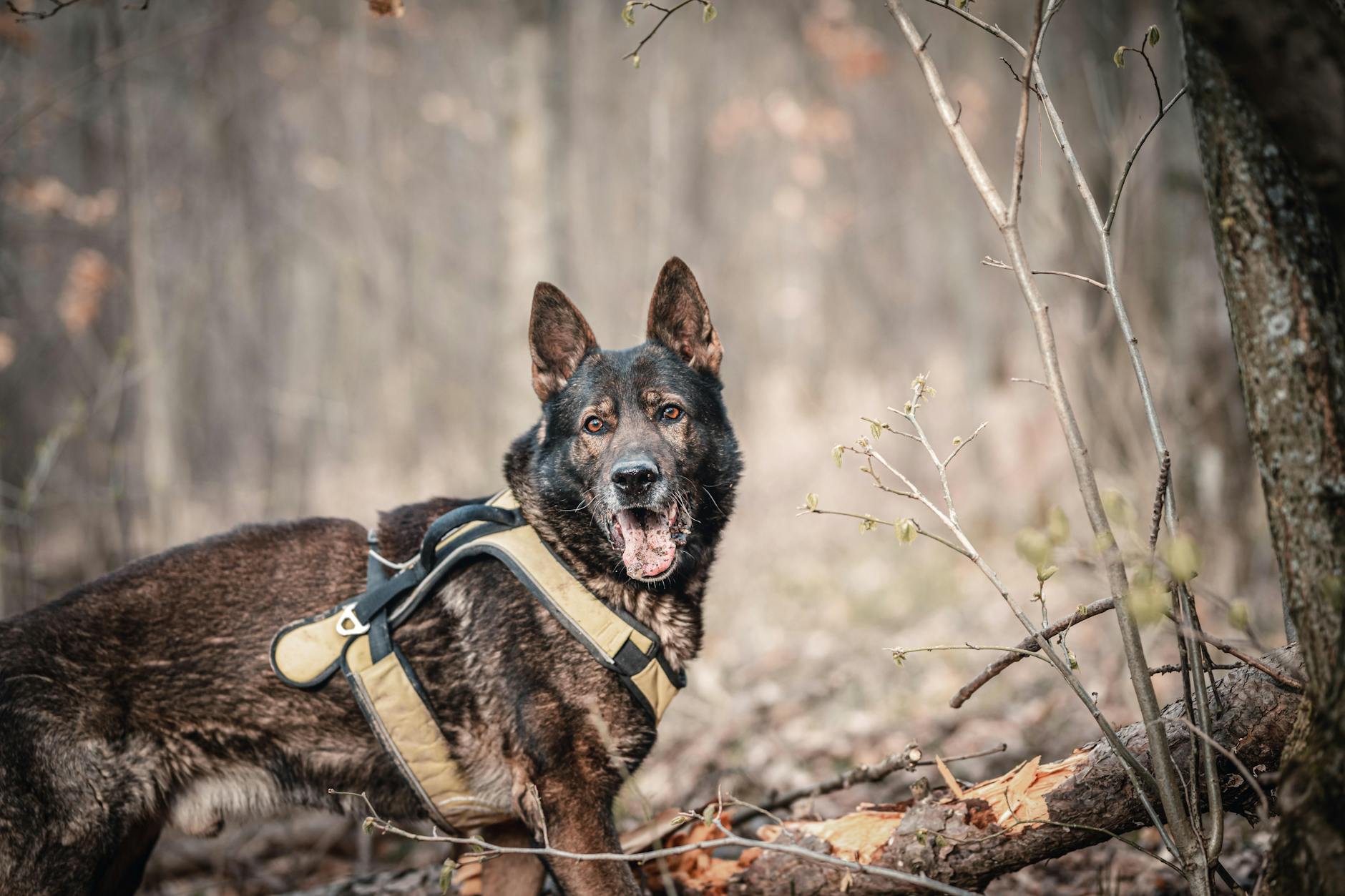
The effectiveness of police dog searches hinges on several critical factors, with the dog's training and certification topping the list. Canine units undergo rigorous preparation, often exceeding 200 hours of specialized training. This ensures they can reliably detect specific scents, such as narcotics or explosives, amidst complex environments. The Supreme Court's 2013 ruling emphasized that only properly trained and certified dogs can justify a search based on their alert.
Environmental conditions also play a pivotal role. Factors like weather, ventilation, and the presence of other strong odors can influence a dog's ability to detect contraband. For instance, a poorly ventilated vehicle might trap scents, making detection easier, while an open window could disperse them. Police departments must consider these variables when deploying canine units.
Lastly, the dog handler's expertise is indispensable. Handlers must interpret their dog's behavior accurately and adhere to legal protocols. According to a study by the National Institute of Justice, well-trained handlers reduce false alerts by up to 30%. The Supreme Court underscored that the handler's credibility is as crucial as the dog's performance in determining the validity of a search.
How Officers Use Canine Units

Police canine units play a crucial role in law enforcement, particularly in search and seizure operations. Officers deploy these specially trained dogs to detect illegal substances, weapons, or other contraband hidden in vehicles. The dogs' keen sense of smell allows them to identify scents that humans might miss, making them invaluable in searches. Their ability to pinpoint hidden items quickly and accurately often leads to successful seizures and arrests.
According to a study by the National Institute of Justice, police dogs have an accuracy rate of over 90% in detecting illegal substances. This high success rate underscores their effectiveness in aiding officers during vehicle searches. The dogs' training involves extensive exposure to various scents, ensuring they can reliably identify target odors even in complex environments. Their handlers, who are also highly trained, guide the dogs through the search process, ensuring thorough and efficient examinations.
During a search, officers typically allow the dog to freely explore the vehicle, relying on the animal's instincts to locate hidden items. The dog's behavior, such as alerting or indicating, signals to the officer that something of interest has been found. This collaboration between the officer and the canine unit ensures that searches are conducted efficiently and effectively. The use of police dogs in vehicle searches continues to be a vital tool in law enforcement, enhancing the ability to detect and deter illegal activities.
Impact on Drivers' Rights

The 2013 Supreme Court ruling on police dogs searching cars significantly reshaped drivers' rights, striking a delicate balance between privacy and law enforcement needs. The decision clarified that a dog's alert during a traffic stop can provide probable cause for a search, even if the dog's reliability hasn't been established in court. This shift empowered police officers to conduct searches based on canine indications alone, altering the landscape of traffic stops.
Critics argue the ruling eroded Fourth Amendment protections, making it easier for law enforcement to search vehicles without sufficient evidence. A 2015 study by the American Civil Liberties Union found that nearly 40% of dog alerts during traffic stops did not lead to the discovery of contraband. This statistic fueled concerns about the accuracy and reliability of police dogs in determining probable cause.
Defenders of the ruling, however, contend it streamlined the search process, allowing officers to act swiftly on credible information. Legal experts point out that the decision aligned with existing case law, reinforcing the principle that reasonable suspicion can justify a search. The ruling also emphasized the importance of proper training and handling of police dogs, ensuring their alerts are based on sound detection rather than handler influence.
Ultimately, the 2013 decision left drivers with a nuanced understanding of their rights. While the ruling expanded law enforcement's ability to conduct searches, it also underscored the need for accountability and transparency in police dog use. Drivers must remain aware of their rights and the limitations of canine searches, ensuring a fair and just application of the law.
Future of Canine Searches in Law Enforcement
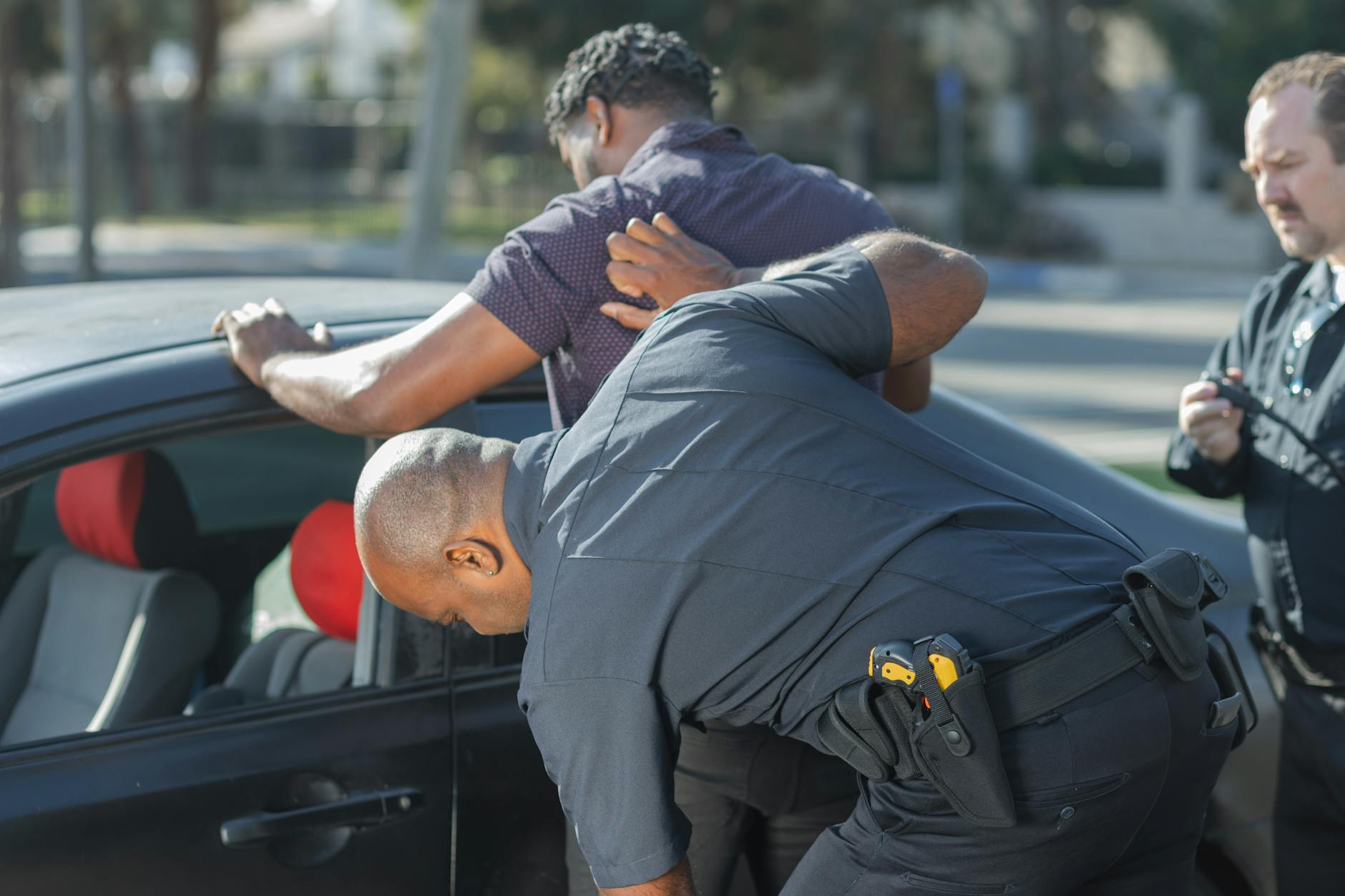
The 2013 Supreme Court ruling on police dogs searching cars has set a precedent that will shape canine searches in law enforcement for years to come. The decision clarified the boundaries of the Fourth Amendment in relation to trained K-9 units, providing a framework for when and how these searches can be conducted. As technology advances, the role of police dogs may evolve, but their unique abilities in detecting contraband will likely remain invaluable.
Experts predict that the use of police dogs in vehicle searches will continue to grow, with a focus on refining training methods to minimize false positives. A study by a leading criminal justice research institute found that properly trained K-9 units have a success rate of over 90% in detecting illegal substances. This high accuracy rate underscores the effectiveness of canine searches when conducted in accordance with legal standards.
Looking ahead, law enforcement agencies may invest more in specialized training programs for their canine units. The Supreme Court's ruling emphasizes the importance of proper training and handling, which could lead to more standardized protocols across departments. Additionally, the integration of technology, such as GPS tracking and body cameras, may further enhance the transparency and accountability of canine searches.
As society grapples with issues of privacy and security, the future of canine searches in law enforcement will likely involve a delicate balance between respecting individual rights and maintaining public safety. The 2013 ruling serves as a critical guidepost, ensuring that the use of police dogs remains both effective and constitutionally sound. This balance will be key to the continued success of K-9 units in law enforcement.
The 2013 Supreme Court ruling on police dogs searching cars established clear boundaries, affirming that prolonged sniffs without reasonable suspicion violate Fourth Amendment rights. It underscored that while canine searches are valuable, they must be conducted within constitutional limits. Drivers should remain aware of their rights and understand that police cannot extend searches indefinitely without cause. As technology and policing methods evolve, courts will continue to grapple with balancing effective law enforcement with individual privacy protections.
Need this answered for your specific case?
Get a flat-fee consultation with a verified U.S. immigration attorney. Engagement letter on every paid consult.
Related guides
This guide provides general legal information and does not create an attorney–client relationship. Information accurate as of July 2026. Always verify current USCIS guidance before acting.