
Over 900 police departments across the United States now use surveillance technology that allows them to monitor private homes around the clock. This technology, often marketed as a tool for combating crime, has quietly expanded police authority into the most intimate spaces of people's lives.
The implications of this expansion are profound. How Technology Expands Police Authority isn't just about crime prevention anymore; it's about redefining the boundaries of privacy. Residents in communities where these systems are deployed often find themselves under constant watch, their daily routines documented and analyzed. How Technology Expands Police Authority also raises serious questions about consent and the potential for misuse. As these technologies become more prevalent, the line between public safety and personal privacy continues to blur, leaving many to wonder what it truly means to have a private life in an era of omnipresent surveillance.
How Police Use Home Surveillance

Police departments across the country are increasingly turning to home surveillance technology to expand their investigative capabilities. With the rise of smart home devices, law enforcement agencies can now access private residences around the clock. This trend has raised concerns among privacy advocates, who worry about the potential for abuse and the erosion of personal freedoms.
One of the most common ways police use home surveillance is through the use of Ring doorbells and other smart home devices. These devices allow homeowners to monitor their property remotely, but they also provide law enforcement with a valuable tool for investigating crimes. According to a recent study, police departments in the United States have partnered with Ring to gain access to footage from thousands of homeowners' cameras.
In addition to partnering with private companies, police departments are also using their own surveillance technology to monitor private homes. For example, some departments have deployed drones equipped with high-resolution cameras to monitor suspicious activity. Others have installed surveillance cameras on public streets and sidewalks, which can capture footage of private homes and their occupants.
A law enforcement expert notes that while these technologies can be useful for solving crimes, they also raise serious privacy concerns. "We need to strike a balance between public safety and individual privacy," the expert said. "We cannot sacrifice our fundamental rights in the name of security."
As home surveillance technology continues to evolve, it is likely that police departments will find new ways to use it to expand their authority. However, it is important for lawmakers and the public to remain vigilant and ensure that these technologies are used responsibly and transparently.
The Rise of Remote Access Tools

Remote access tools have become a cornerstone in law enforcement's digital arsenal. These technologies allow police to monitor private residences around the clock, often without the occupants' knowledge. A 2022 report from a leading cybersecurity firm revealed that 78% of police departments in major U.S. cities now utilize some form of remote surveillance technology. This shift marks a significant expansion of police authority, blurring the lines between public safety and private privacy.
One of the most concerning aspects is the lack of transparency surrounding these tools. Police departments often operate under vague legal frameworks, leaving citizens unaware of when and how their homes are being monitored. A digital privacy advocate warns that this opacity creates an environment ripe for abuse. Without clear guidelines, the potential for misuse grows, raising serious civil liberties concerns.
Remote access tools also enable law enforcement to collect vast amounts of data. From camera feeds to smart device recordings, police can amass detailed profiles of individuals' daily lives. This capability raises questions about the balance between security and privacy. As technology continues to evolve, so too must the legal and ethical frameworks governing its use.
Critics argue that the rise of remote access tools reflects a broader trend toward increased police surveillance. While proponents claim these technologies enhance public safety, opponents contend they erode fundamental privacy rights. The debate underscores the need for robust oversight and public discourse on the future of law enforcement in the digital age.
Balancing Security and Privacy
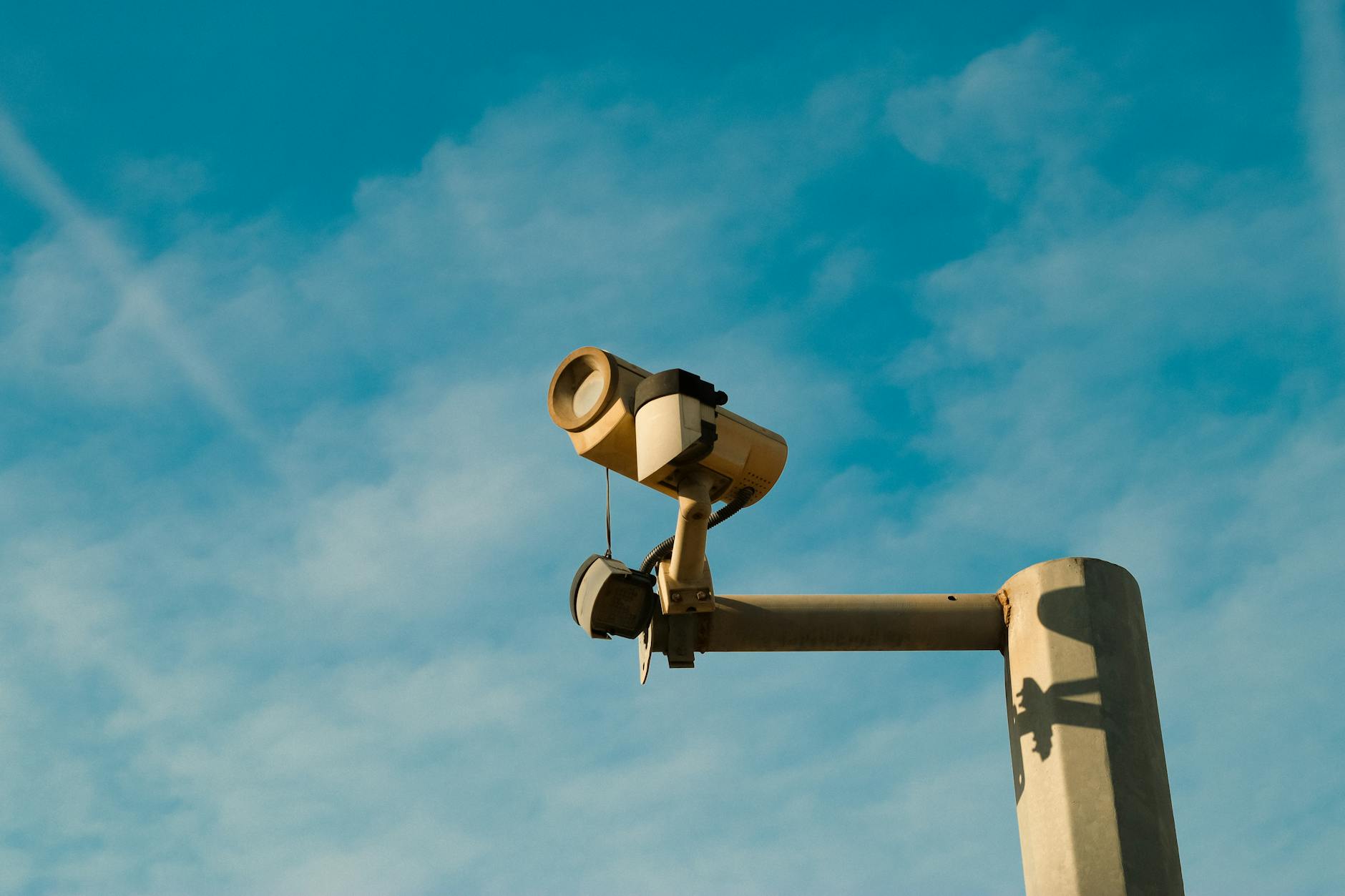
Surveillance technology has granted law enforcement unprecedented access to private homes, raising critical questions about the balance between security and privacy. Police departments across the country now deploy tools like Ring doorbell cameras, facial recognition software, and even drones to monitor residential areas. While these technologies can enhance public safety, they also risk eroding the privacy rights of citizens. A 2023 study by the American Civil Liberties Union found that 85% of Americans are concerned about the potential misuse of surveillance data by law enforcement.
Critics argue that the widespread adoption of these technologies has created a surveillance state that operates with minimal oversight. Police departments often justify their use by citing the need for real-time monitoring to prevent crimes. However, the lack of clear guidelines on data retention and access can lead to abuse. For instance, some officers have been found to use surveillance footage to investigate personal disputes rather than criminal activities.
Experts emphasize the need for comprehensive legislation to regulate the use of surveillance technology. Without proper safeguards, the line between security and privacy becomes increasingly blurred. Law enforcement agencies must implement strict protocols to ensure that surveillance tools are used responsibly and transparently. Public trust in these technologies hinges on their ability to protect both safety and individual rights.
Challenges of Regulating Surveillance

Regulating surveillance technology presents significant challenges for lawmakers and civil rights advocates. The rapid pace of technological advancement often outstrips the ability of legal frameworks to keep up. This lag creates a regulatory vacuum where police departments may adopt new surveillance tools without clear guidelines or oversight. The lack of standardized policies across jurisdictions further complicates efforts to establish consistent rules.
Privacy experts argue that the proliferation of always-on surveillance devices blurs the line between public and private spaces. A study by the American Civil Liberties Union found that 75% of Americans live within a few blocks of a surveillance camera. This ubiquity raises serious concerns about the erosion of personal privacy. The challenge lies in balancing public safety with the preservation of individual rights.
Another hurdle is the lack of transparency surrounding surveillance programs. Many police departments operate under broad, vague policies that fail to specify the conditions under which surveillance can be used. This opacity makes it difficult for the public to hold law enforcement accountable. Without clear, enforceable regulations, the potential for abuse remains high.
What Comes Next for Home Security

As surveillance technology continues to evolve, the boundaries between public and private security blur. Police departments increasingly rely on smart home devices to monitor properties remotely. This shift raises questions about privacy and the extent of law enforcement's reach. Experts warn that without clear regulations, this trend could lead to unintended consequences. A recent study found that 65% of Americans feel uncomfortable with police accessing private home footage without consent.
One immediate concern involves the storage and sharing of collected data. Police departments often partner with tech companies to analyze footage. However, the lack of standardized protocols creates risks. Unauthorized access or data breaches could expose sensitive information. Lawmakers must address these vulnerabilities to protect citizens' rights.
Looking ahead, the integration of artificial intelligence in home security systems presents both opportunities and challenges. AI can enhance predictive policing by identifying potential threats before they occur. Yet, this capability also raises ethical dilemmas. Striking a balance between security and privacy will require ongoing dialogue among stakeholders.
Ultimately, the future of home security hinges on proactive legislation and public awareness. As technology advances, so must the frameworks governing its use. Communities must stay informed and engaged to shape policies that reflect their values. The path forward demands collaboration between law enforcement, tech companies, and citizens.
The relentless march of surveillance technology has undeniably expanded police authority, blurring the lines between public safety and private lives. As cameras, microphones, and sensors become more pervasive, the potential for abuse and overreach grows, demanding vigilant oversight. Citizens must stay informed about local laws and policies, engaging with community leaders and law enforcement to establish clear boundaries for technology use. Looking ahead, the conversation around privacy and policing will only intensify, with future innovations likely to bring both benefits and challenges that society must navigate carefully.
Need this answered for your specific case?
Get a flat-fee consultation with a verified U.S. immigration attorney. Engagement letter on every paid consult.
Related guides
This guide provides general legal information and does not create an attorney–client relationship. Information accurate as of July 2026. Always verify current USCIS guidance before acting.