
Every year, millions of Americans encounter police officers who briefly detain them for investigative purposes. This procedure, known as a Terry stop, is a crucial tool in law enforcement's efforts to prevent crime. Named after the landmark 1968 Supreme Court case Terry v. Ohio, this practice allows officers to briefly detain individuals when they have reasonable suspicion of criminal activity. Understanding what is Terry stop explained is essential for anyone who wants to know their rights and the limits of police power.
Knowing what is Terry stop explained helps citizens navigate interactions with law enforcement. A Terry stop involves a three-step procedure: officers must have reasonable suspicion, briefly detain the individual, and conduct a limited pat-down if they suspect the person is armed. This process strikes a balance between public safety and individual rights. For anyone who wants to understand their rights during police encounters, grasping what is Terry stop explained is the first step.
Understanding Reasonable Suspicion

Reasonable suspicion forms the backbone of a Terry stop. This legal standard, established by the 1968 Supreme Court case Terry v. Ohio, allows law enforcement officers to briefly detain individuals if they have reasonable suspicion that criminal activity is afoot. Unlike probable cause, which requires substantial evidence, reasonable suspicion is a lower threshold. It's based on specific, articulable facts and rational inferences drawn from those facts.
A study by the National Institute of Justice found that officers make Terry stops thousands of times daily across the U.S. These encounters typically last minutes, not hours. During this time, officers may briefly detain the individual, conduct a pat-down for weapons if they suspect the person is armed and dangerous, and ask questions.
Courts have emphasized that reasonable suspicion must be more than a hunch or vague feeling. It requires objective facts that would lead a reasonable person to believe criminal activity is occurring. For instance, an officer might observe someone matching a recent robbery suspect's description acting nervously while looking around rapidly in a high-crime area. This combination of factors could justify a Terry stop.
However, reasonable suspicion does not justify a full-blown search or arrest. Its purpose is to allow officers to briefly investigate potential criminal activity. If the officer's suspicion is not confirmed during the stop, the individual must be released. This balance aims to protect both public safety and individual rights.
Breaking Down the Three-Step Process

Terry stops, named after the landmark 1968 Supreme Court case Terry v. Ohio, are brief detentions police use when they suspect criminal activity. The process involves three key steps: reasonable suspicion, brief detention, and frisking. These steps balance public safety with individual rights, creating a delicate legal framework.
A police officer must first establish reasonable suspicion. This isn't just a hunch—it's a specific, articulable fact that suggests criminal activity. For instance, if someone matches a recent robbery suspect's description and is acting nervously, that could constitute reasonable suspicion. According to the National Institute of Justice, this standard is lower than probable cause but higher than mere speculation.
The second step is the brief detention. Officers can temporarily detain the individual to investigate further. This isn't an arrest, so it should be as brief as possible. The Supreme Court has emphasized that the duration must be reasonable, given the circumstances. During this time, the officer can ask questions and observe the person's behavior.
If the officer believes the person might be armed and dangerous, they can conduct a pat-down, known as a frisk. This is the third step. The frisk is limited to the outer clothing and only to areas where a weapon could be concealed. The goal is to protect the officer's safety, not to search for evidence. Courts have consistently ruled that frisks must be justified by the specific circumstances of each case.
Real-World Applications and Limits

The Terry stop procedure plays a crucial role in law enforcement, allowing officers to briefly detain individuals under reasonable suspicion of criminal activity. This tactic bridges the gap between mere observation and full arrest, providing officers with a tool to investigate potential threats without the need for immediate arrest. According to the American Civil Liberties Union, Terry stops occur approximately 25,000 times annually in major U.S. cities, highlighting their frequent use in policing.
One of the primary applications of a Terry stop is in preventing crime. Officers often use this procedure when they observe suspicious behavior, such as someone loitering near a known drug-dealing area or acting nervously while handling a suspicious package. The stop allows officers to question the individual and potentially uncover evidence of criminal intent. However, the effectiveness of Terry stops depends heavily on the officer's training and judgment.
Despite its utility, the Terry stop procedure has clear limits. Critics argue that it can lead to racial profiling and unnecessary confrontations. A study by the National Institute of Justice found that minorities are disproportionately subjected to Terry stops, raising concerns about bias in policing. Additionally, the subjective nature of "reasonable suspicion" can lead to inconsistencies in how officers apply the procedure.
Legal challenges to Terry stops have shaped their application over the years. Courts have repeatedly emphasized that officers must have specific, articulable facts to justify a stop. This requirement aims to balance public safety with individual rights, ensuring that Terry stops do not become a tool for arbitrary detentions. The ongoing debate reflects the tension between effective policing and civil liberties.
Balancing Public Safety and Rights
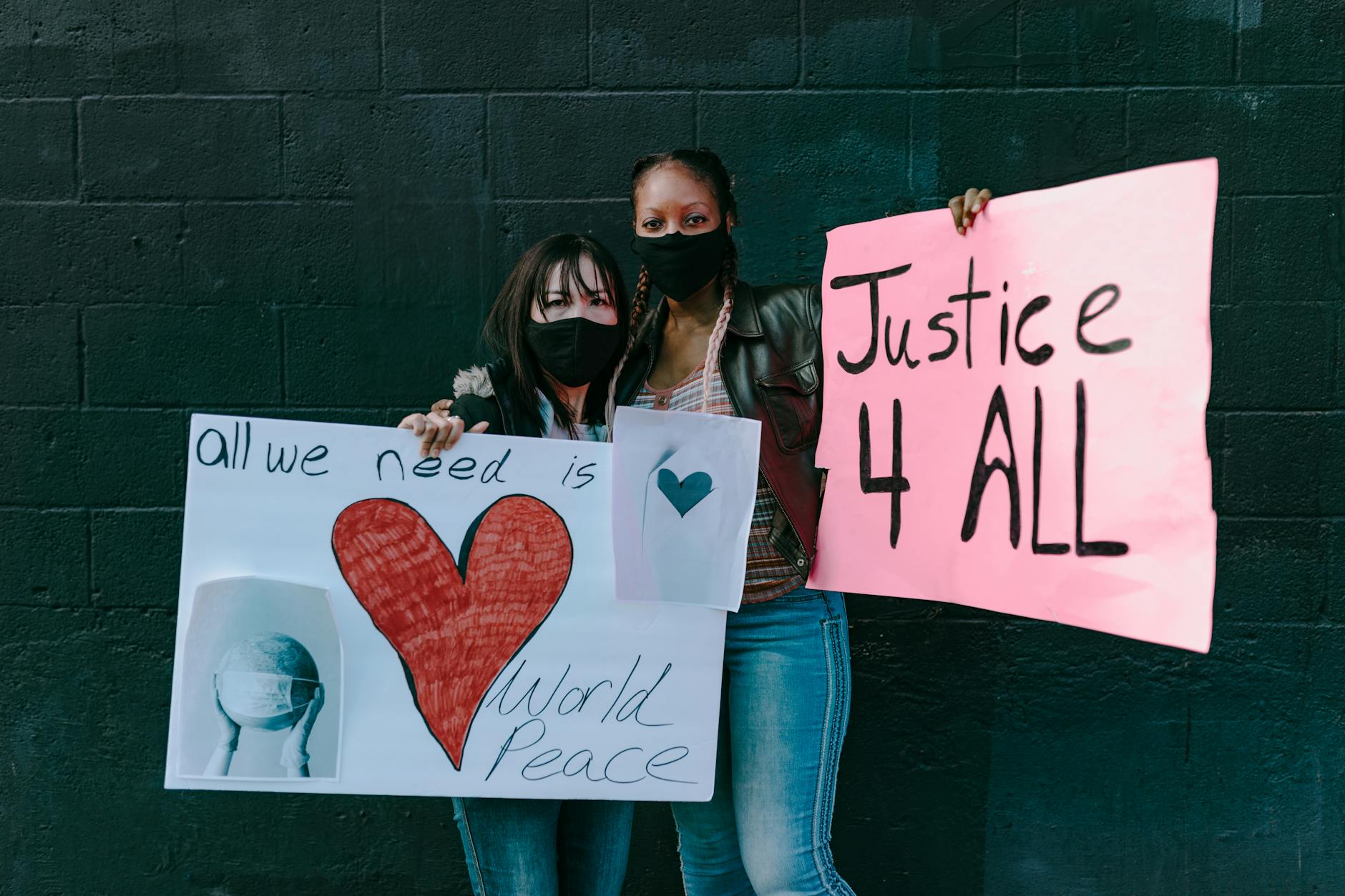
The Terry stop, a crucial tool in law enforcement, strikes a delicate balance between public safety and individual rights. This temporary detention allows officers to briefly stop and question individuals suspected of criminal activity based on reasonable suspicion. The Supreme Court's 1968 decision in Terry v. Ohio established this practice, emphasizing the need for a careful equilibrium between effective policing and constitutional protections.
Police must have specific, articulable facts that would lead a reasonable person to believe criminal activity is afoot. This standard, known as "reasonable suspicion," is lower than the probable cause required for an arrest. According to a study by the National Institute of Justice, this approach has significantly increased the likelihood of officers intercepting potential threats while minimizing unnecessary intrusions.
Critics argue that Terry stops can sometimes lead to racial profiling and over-policing in certain communities. Law enforcement agencies must ensure that officers apply the procedure uniformly and justly. Training programs and community engagement initiatives play a vital role in maintaining public trust and ensuring that Terry stops are conducted fairly and effectively.
Ultimately, the Terry stop remains a contentious yet necessary aspect of modern policing. Striking the right balance requires ongoing dialogue between law enforcement, policymakers, and the communities they serve. By adhering to established guidelines and fostering transparency, police departments can uphold both public safety and individual rights.
Evolving Legal Landscape of Terry Stops

The legal framework surrounding Terry stops has evolved significantly since the landmark 1968 Supreme Court decision that first established the practice. Initially, the ruling set a precedent for brief, investigative detentions based on reasonable suspicion. However, subsequent court cases have refined and expanded the boundaries of what constitutes reasonable suspicion and the appropriate scope of a Terry stop.
Recent years have seen a push for greater accountability in police procedures, including Terry stops. A 2020 study by the National Institute of Justice found that African American and Hispanic individuals are more likely to be subjected to Terry stops than their white counterparts. This disparity has sparked debates about racial profiling and the need for stricter guidelines to ensure fairness and consistency in police practices.
Legal scholars argue that the evolving landscape reflects a broader societal shift towards balancing public safety with individual rights. Courts continue to grapple with defining the limits of police authority during Terry stops, particularly in light of advancing technology and changing community expectations. The ongoing dialogue highlights the importance of adapting legal standards to contemporary challenges while upholding the principles of justice and equality.
As the legal landscape continues to shift, law enforcement agencies are increasingly adopting body-worn cameras and other technologies to enhance transparency and accountability. These tools provide valuable evidence in cases involving Terry stops, helping to clarify the circumstances and actions of both officers and individuals. The integration of technology into police procedures represents a significant step forward in ensuring that Terry stops are conducted lawfully and ethically.
Understanding the Terry Stop procedure is crucial for both law enforcement and civilians to navigate encounters safely and legally. At its core, it's a brief detention based on reasonable suspicion, not probable cause, allowing officers to investigate potential criminal activity. The three-step process—approach, investigation, and resolution—ensures a balance between public safety and individual rights. For individuals, knowing their rights and remaining calm during such encounters can make a significant difference in the outcome. As society continues to evolve, the Terry Stop remains a vital tool in law enforcement, but its application will likely face ongoing scrutiny and adaptation to meet modern standards of justice and fairness.
Need this answered for your specific case?
Get a flat-fee consultation with a verified U.S. immigration attorney. Engagement letter on every paid consult.
Related guides
This guide provides general legal information and does not create an attorney–client relationship. Information accurate as of July 2026. Always verify current USCIS guidance before acting.