
Over 80,000 individuals in the United States endure solitary confinement daily, a practice that strips away human connection and basic sensory stimulation. This extreme form of isolation, often referred to as solitary confinement, involves keeping prisoners alone in small cells for 23 hours a day, with minimal human contact. The psychological toll of this practice is severe, with studies showing that prolonged isolation can lead to anxiety, depression, and even psychosis.
Solitary confinement is not a new concept, but its widespread use in modern prisons raises serious ethical and psychological concerns. The practice, known as solitary confinement, involves isolating inmates from the general prison population, restricting their movement, and severely limiting their social interactions. This form of confinement is used for various reasons, including punishment, protection, and behavioral management. Understanding what is solitary confinement and its impact on individuals is crucial for anyone concerned about the state of the criminal justice system and the treatment of prisoners. The harsh reality of solitary confinement demands attention and reform, as its effects on mental health and human dignity cannot be ignored.
Understanding the Basics of Isolation
Solitary confinement, also known as isolation or segregation, is a form of imprisonment that restricts an individual to a small cell for at least 22 to 23 hours a day. The person is typically alone, with minimal human contact, and has limited access to activities, programs, or services. This extreme form of incarceration is often used as a disciplinary measure or to manage inmates considered high-risk or disruptive.
According to a report by the American Civil Liberties Union, more than 60,000 prisoners in the United States are held in solitary confinement on any given day. The conditions can vary, but typically involve a small cell with a bed, toilet, and sometimes a sink. Natural light is often scarce, and the environment can be extremely noisy or silent, depending on the facility.
Experts argue that the psychological impact of solitary confinement can be severe. The lack of stimulation and social interaction can lead to anxiety, depression, and even psychosis. A study published in the journal Clinical Psychological Science found that prolonged isolation can cause significant harm to mental health, with effects that can persist long after release.
The Psychological Impact of Extreme Isolation
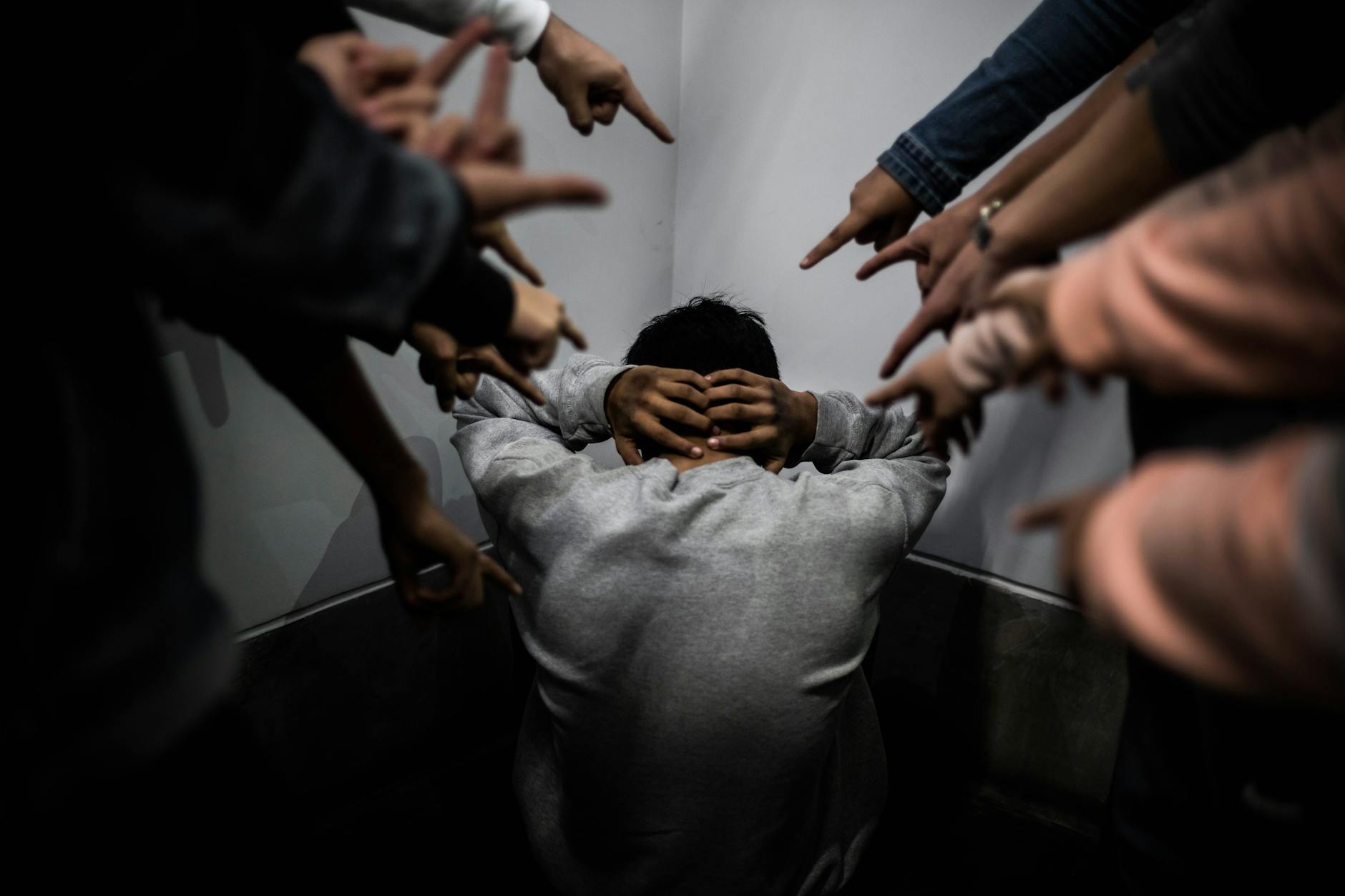
Extreme isolation takes a profound toll on the human psyche. Studies reveal that prolonged solitary confinement can induce severe psychological distress, including anxiety, depression, and even psychosis. The absence of meaningful social interaction disrupts neural pathways, impairing cognitive function and emotional regulation. Prisoners often report vivid hallucinations and paranoia, symptoms that persist long after release.
Researchers have found that solitary confinement can lead to a state of perpetual hypervigilance. The brain, deprived of stimulation, becomes hypersensitive to potential threats. This heightened state of alertness is exhausting and can result in chronic stress, which further exacerbates mental health issues. The lack of human contact also erodes a person's sense of identity and self-worth.
A study conducted by a leading psychological organization revealed that inmates subjected to solitary confinement for extended periods exhibited symptoms akin to post-traumatic stress disorder. The isolation triggers a fight-or-flight response, making it difficult for individuals to process emotions or form connections. The psychological scars left by such confinement can be long-lasting, affecting a person's ability to reintegrate into society.
Moreover, the effects of solitary confinement extend beyond the individual. Families and communities also bear the burden of the psychological damage inflicted. The strain on relationships and the societal reintegration process highlights the far-reaching consequences of extreme isolation. Addressing these issues requires a comprehensive approach that prioritizes mental health and rehabilitation.
Daily Life in a 6x9 Foot Cell
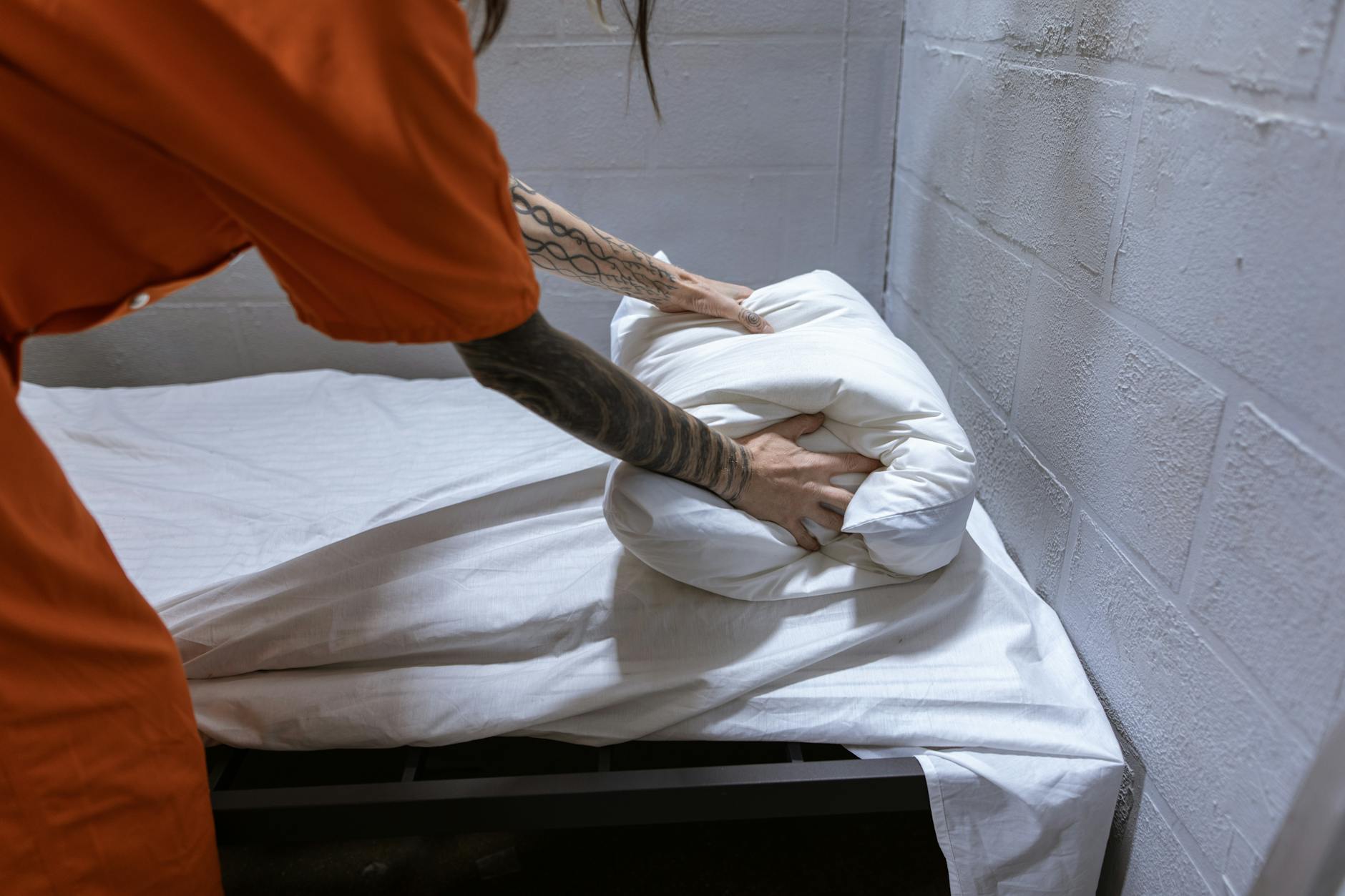
Life in a 6x9 foot cell under 23-hour solitary confinement is a stark reality for thousands of incarcerated individuals. The cell, often containing just a bunk, toilet, and sink, becomes the sole universe for those subjected to this extreme form of isolation. Meals are typically delivered through a slot in the door, and human contact is minimal, often limited to brief interactions with guards during the single hour of daily recreation or shower time.
Studies show that prolonged solitary confinement can have severe psychological effects. The American Psychological Association warns that isolation can lead to anxiety, depression, and even psychosis. The lack of stimulation and social interaction takes a toll on mental health, making the cell a place of constant psychological struggle.
Routines become a lifeline for many. Some count the days on the walls, while others exercise within the confined space to maintain a semblance of normalcy. The monotony is broken only by the occasional noise from other cells or the distant sounds of the prison environment. Yet, even these sounds can feel like a cruel reminder of the world outside, a world that seems increasingly distant.
For those experiencing solitary confinement, the cell becomes both a prison and a battleground. The struggle is not just against the physical confinement but also against the erosion of mental well-being. The stark reality of this existence underscores the urgent need for reform in the use of solitary confinement within the criminal justice system.
The Long-Term Consequences of Solitary
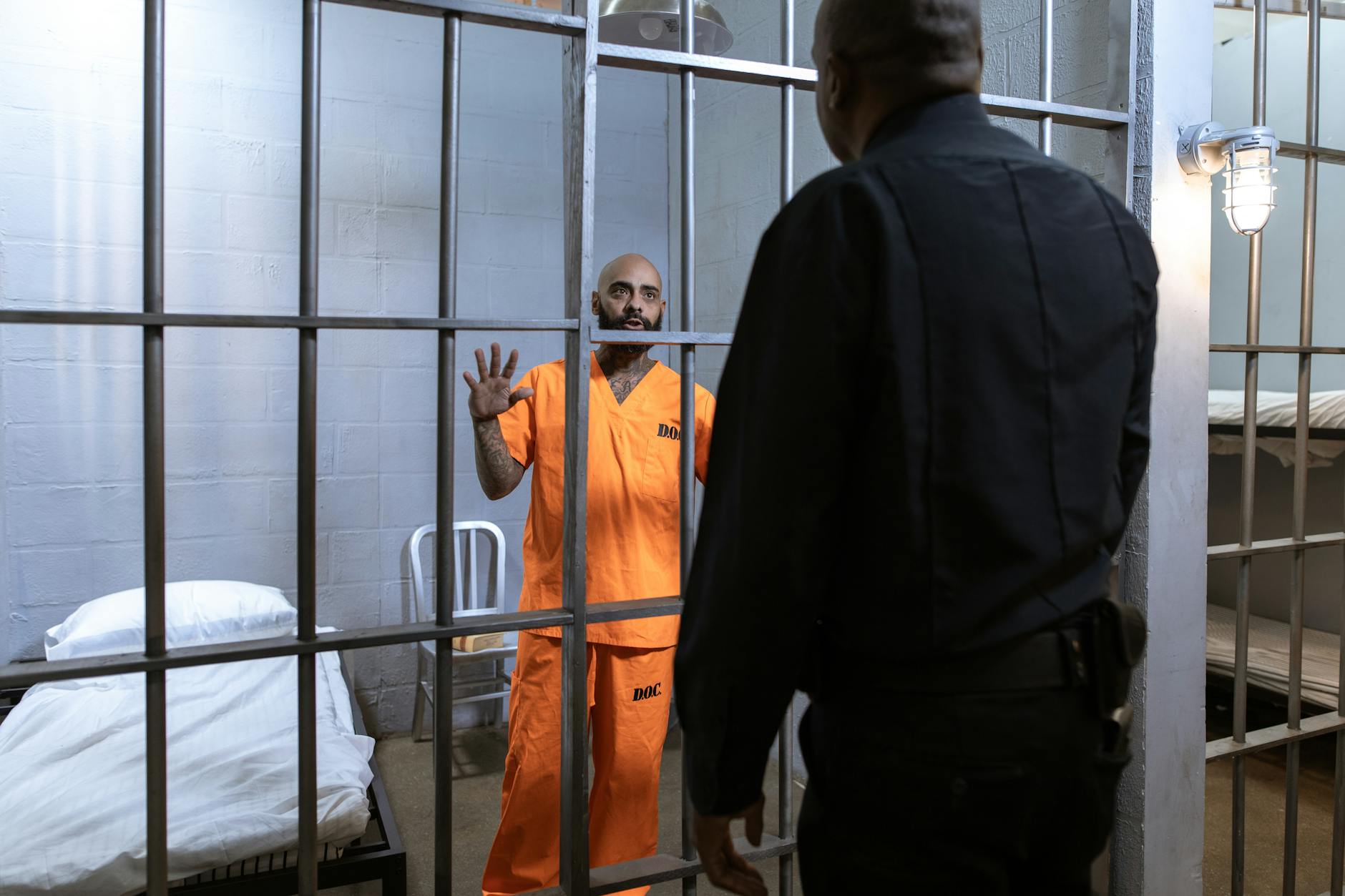
The long-term consequences of solitary confinement extend far beyond the prison walls, leaving deep scars on individuals' mental and physical health. Studies reveal that prolonged isolation can lead to severe psychological effects, including anxiety, depression, and even psychosis. The lack of human interaction and stimulation can rewire the brain, making it difficult for individuals to reintegrate into society. These effects are not temporary; they can persist long after release, creating a cycle of recidivism and social exclusion.
Physical health also suffers under solitary confinement. The absence of natural light and exercise can lead to muscle atrophy, weakened immune systems, and other chronic conditions. Prisoners often report chronic headaches, digestive issues, and sleep disturbances. The American Medical Association has condemned the use of solitary confinement, citing its harmful effects on both mental and physical health.
Social skills deteriorate rapidly in isolation. The ability to communicate, empathize, and interact with others diminishes, making it challenging to form relationships or hold down a job post-release. This social isolation can lead to further alienation and a heightened risk of self-harm or suicide. The long-term consequences of solitary confinement are a stark reminder of the need for reform in the criminal justice system.
Reintegration into society becomes an uphill battle for those who have endured prolonged solitary confinement. The trauma experienced in isolation can make it difficult to trust others or navigate everyday social situations. Support systems, such as counseling and rehabilitation programs, are crucial for helping these individuals rebuild their lives. Without proper intervention, the cycle of isolation and recidivism continues, perpetuating a harmful cycle that affects not just the individual but society as a whole.
Reforming the Use of Extreme Isolation

Solitary confinement, a practice that has drawn significant criticism, involves isolating individuals in a cell for 23 hours a day with minimal human contact. This extreme form of imprisonment, often used as a disciplinary measure, has been shown to cause severe psychological and physical harm. The United Nations considers it torture when prolonged, yet it remains a common practice in many correctional facilities.
Reforming the use of solitary confinement has become a pressing issue for advocates and policymakers alike. The American Civil Liberties Union (ACLU) has highlighted the disproportionate use of solitary confinement on vulnerable populations, including the mentally ill and juveniles. This has spurred calls for stricter regulations and alternatives to isolation.
Some states have taken steps to limit the use of solitary confinement. For instance, Colorado has implemented policies that restrict isolation to no more than 15 days. These reforms aim to balance security needs with the humane treatment of inmates. However, the effectiveness of these measures remains under scrutiny as the debate continues.
Experts argue that alternative approaches, such as restorative justice programs and increased mental health support, could reduce the need for extreme isolation. By focusing on rehabilitation rather than punishment, these methods may offer a more constructive path forward. The shift towards these alternatives reflects a growing recognition of the detrimental effects of solitary confinement.
Solitary confinement, particularly the extreme measure of 23-hour isolation, is a stark and often overlooked reality of modern incarceration, with profound psychological and physical consequences for those subjected to it. It's a practice that demands urgent scrutiny and reform, as its widespread use continues to raise serious ethical and humanitarian concerns. Advocates for prison reform urge policymakers to implement stricter guidelines on solitary confinement, emphasizing the importance of mental health support and meaningful social interaction for inmates. As public awareness grows, the conversation around solitary confinement is shifting, with a growing consensus that change is not just necessary, but overdue.
Need this answered for your specific case?
Get a flat-fee consultation with a verified U.S. immigration attorney. Engagement letter on every paid consult.
Related guides
This guide provides general legal information and does not create an attorney–client relationship. Information accurate as of July 2026. Always verify current USCIS guidance before acting.