
In the United States, the Sixth Amendment to the Constitution guarantees the right to legal counsel in criminal prosecutions. This fundamental right ensures that every individual, regardless of their financial status, has access to legal representation. The right to legal counsel is a cornerstone of the American justice system, designed to uphold fairness and due process.
Understanding what is right to legal counsel is crucial for anyone navigating the legal system. It means that if a person cannot afford an attorney, one will be appointed to represent them. This right applies to all stages of a criminal prosecution, from initial charges through to trial. The right to legal counsel is not just a legal formality; it is a vital protection that ensures the fairness of the judicial process. Knowing what is right to legal counsel empowers individuals to assert their rights and seek the legal assistance they need.
Understanding the Sixth Amendment
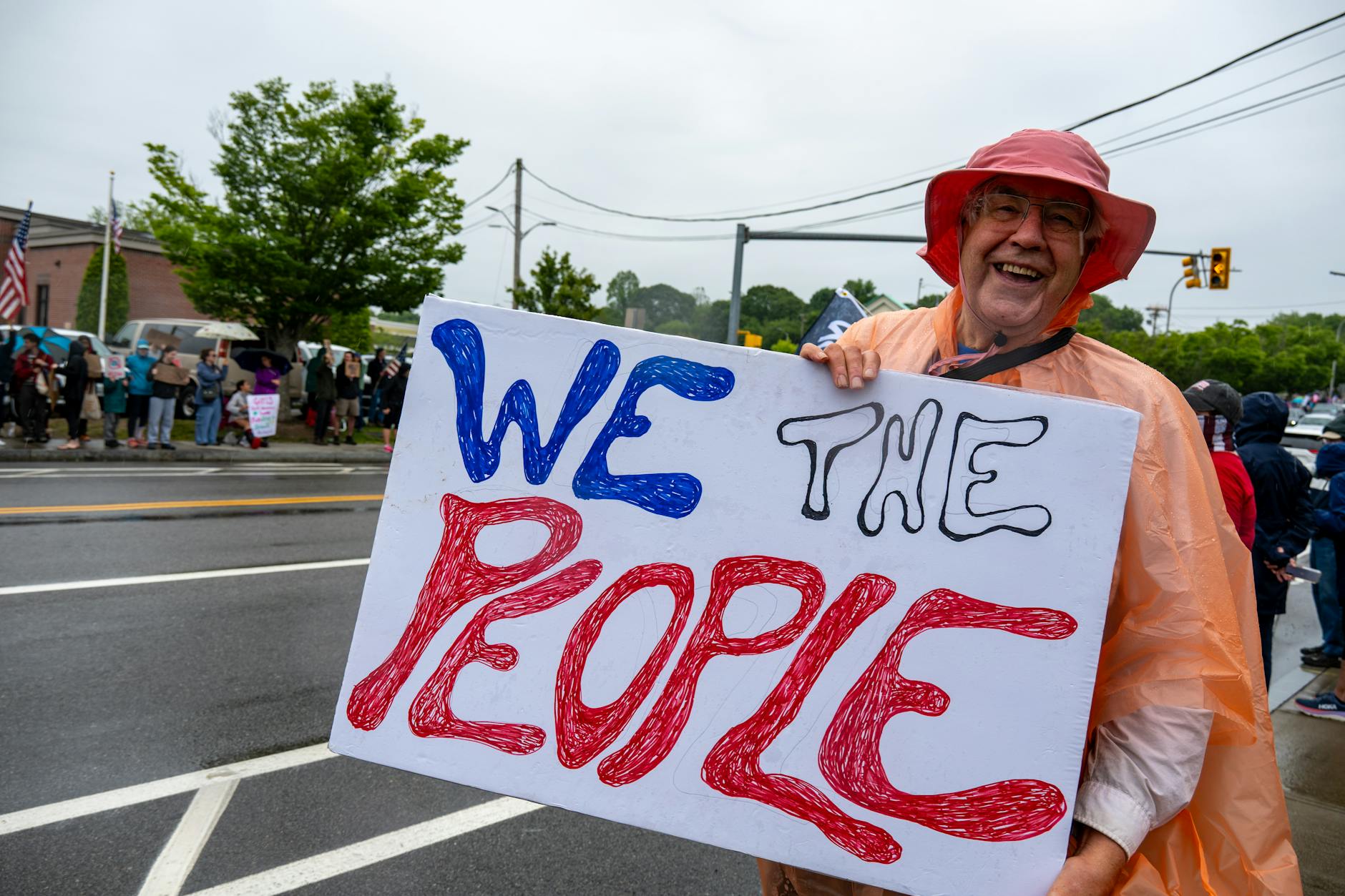
The Sixth Amendment to the U.S. Constitution enshrines the right to legal counsel, a cornerstone of the American justice system. This right ensures that every individual accused of a crime has access to an attorney, either through personal means or public defender services. The amendment's language is clear: "the accused shall enjoy the right...to have the Assistance of Counsel for his defence." This provision aims to level the playing field, ensuring that the legal process does not disproportionately favor those with financial resources.
Legal counsel plays a pivotal role in safeguarding the rights of the accused. Attorneys provide crucial guidance, from explaining charges and potential penalties to developing defense strategies. They also ensure that prosecutors adhere to legal procedures, protecting clients from potential abuses of power. According to the American Bar Association, nearly 80% of individuals facing felony charges cannot afford their own attorney, highlighting the critical role of publicly funded legal defense services.
However, the right to counsel is not absolute. Courts have established limitations, such as the requirement that defendants affirmatively request legal representation. Additionally, the quality of publicly funded legal defense can vary significantly, raising concerns about the effectiveness of these services. Despite these challenges, the right to legal counsel remains a vital safeguard against injustice within the U.S. legal system.
Core Components of Legal Counsel

The Sixth Amendment to the United States Constitution guarantees the right to legal counsel in criminal prosecutions. This fundamental right ensures that individuals facing criminal charges have access to an attorney to assist in their defense. The Supreme Court has interpreted this right to mean that states must provide counsel to defendants who cannot afford to hire their own attorney, a principle established in the landmark case of Gideon v. Wainwright (1963).
Effective legal counsel encompasses several core components. First, attorneys must provide competent representation, which includes a thorough understanding of the law and the ability to apply it strategically to the client's case. According to the American Bar Association, competent representation also involves diligent preparation and investigation. Attorneys must gather evidence, interview witnesses, and explore all possible defenses to build a strong case for their clients.
Additionally, the right to legal counsel includes the right to conflict-free representation. Attorneys must avoid conflicts of interest that could impair their ability to provide zealous advocacy. The Sixth Amendment also guarantees the right to counsel at all critical stages of criminal proceedings, from arraignment to trial and even during plea bargaining. This ensures that defendants have legal guidance throughout the entire criminal justice process.
How Attorneys Support Defendants

Attorneys play a pivotal role in upholding the Sixth Amendment's guarantee of legal counsel. They provide defendants with a comprehensive understanding of the charges against them, ensuring that individuals can make informed decisions about their case. This includes explaining complex legal procedures in accessible language, demystifying court processes, and helping defendants navigate the intricate landscape of the U.S. judicial system.
One of the primary ways attorneys support defendants is by investigating the facts of the case. This involves gathering evidence, interviewing witnesses, and scrutinizing the prosecution's arguments. According to the American Bar Association, effective legal representation can significantly impact case outcomes, with studies showing that defendants with legal counsel are more likely to receive favorable verdicts or reduced sentences.
Attorneys also negotiate on behalf of their clients. This can involve plea bargaining, where the defense and prosecution agree on a lesser charge or sentence to avoid a lengthy trial. Additionally, lawyers advocate for their clients during sentencing, presenting mitigating factors that could influence the judge's decision. Their expertise in legal strategy and courtroom procedures is invaluable in ensuring a fair trial and protecting the rights of the accused.
Beyond the courtroom, attorneys provide emotional and moral support to defendants. Facing criminal charges can be an isolating and stressful experience. Legal counsel offers reassurance and guidance, helping defendants cope with the emotional toll of the legal process. This holistic support is a crucial aspect of the right to legal counsel, ensuring that defendants are not only legally represented but also emotionally supported throughout their ordeal.
Challenges in Accessing Legal Representation

Despite the Sixth Amendment's clear mandate, accessing legal representation remains a significant challenge for many Americans. Financial barriers top the list of obstacles. Public defender systems, intended to provide free legal aid, often face overwhelming caseloads. A 2016 report from the National Legal Aid & Defender Association found that public defenders handle an average of 170 cases annually, far exceeding the recommended maximum of 150. This heavy workload can compromise the quality of representation.
Geographic disparities further complicate access to legal counsel. Rural areas frequently lack sufficient legal resources. Residents in these regions may face long distances to courthouses or legal aid offices. Limited public transportation exacerbates the problem, making it difficult for individuals to attend court hearings or consult with attorneys.
Language barriers also pose a substantial hurdle. Non-English speakers may struggle to find attorneys fluent in their language. The American Bar Association highlights the critical need for language access in the legal system. Without proper interpretation services, individuals may not fully understand their rights or the legal proceedings against them.
Lastly, the stigma surrounding legal aid can deter individuals from seeking help. Some may view public defenders or legal aid services as inferior. This perception can prevent people from accessing the representation they deserve. Addressing these challenges requires systemic changes and increased funding for legal aid programs.
Evolving Interpretations of the Right to Counsel

The right to counsel, enshrined in the Sixth Amendment, has evolved significantly since its inception. Initially interpreted narrowly, it now stands as a cornerstone of the American justice system. The landmark case of Gideon v. Wainwright in 1963 marked a turning point, establishing that states must provide attorneys to defendants who cannot afford one. This decision expanded the scope of the right to counsel, ensuring fairer trials across the nation.
A study by the National Legal Aid & Defender Association reveals that over 80% of criminal defendants qualify for court-appointed counsel. This statistic underscores the critical role of legal representation in maintaining justice. The interpretation of the right to counsel continues to adapt, addressing modern legal challenges and ensuring equitable access to justice.
Legal scholars emphasize the importance of ongoing dialogue about the right to counsel. They argue that its interpretation must keep pace with societal changes and legal complexities. This dynamic approach ensures that the right remains relevant and effective in protecting the rights of all individuals within the justice system.
The Sixth Amendment's right to legal counsel stands as a cornerstone of the U.S. justice system, ensuring every individual, regardless of financial status, can access legal representation. This fundamental right levels the playing field, empowering defendants to navigate complex legal processes with professional guidance. To fully exercise this right, individuals should promptly inform authorities of their desire for an attorney and provide accurate information to facilitate the process. Looking ahead, continued advocacy and education will be crucial to preserve and strengthen this vital right for future generations.
Need this answered for your specific case?
Get a flat-fee consultation with a verified U.S. immigration attorney. Engagement letter on every paid consult.
Related guides
This guide provides general legal information and does not create an attorney–client relationship. Information accurate as of July 2026. Always verify current USCIS guidance before acting.