
Thousands of inmates across the country complete prison work programs each year, acquiring valuable skills and certifications that often lead to successful reintegration into society. In fact, research suggests that prisoners who participate in these programs are significantly more likely to find employment and maintain a steady income upon release. This phenomenon highlights the importance of prison work programs in rehabilitation and reentry.
Prison work programs, a crucial component of modern correctional facilities, provide inmates with the opportunity to learn new skills and gain hands-on experience in various trades and industries. These programs are typically designed to equip inmates with the skills and knowledge necessary to succeed in a competitive job market. By participating in a prison work program, inmates can acquire certifications in areas such as construction, culinary arts, or vocational trades, increasing their chances of securing employment and leading a law-abiding life.
Prison Work Programs: A History of Rehabilitation

Prison work programs have been a cornerstone of rehabilitation efforts in correctional facilities for decades. These programs aim to provide inmates with valuable job skills and work experience to help them reintegrate into society upon release.
A prison work program typically involves inmates working in a variety of settings, such as factories, farms, or correctional facilities, under the supervision of trained staff. Inmates can earn a wage for their work, which is often used to support their families or to pay restitution. Many programs also offer vocational training in areas like construction, culinary arts, or horticulture.
Research has shown that participation in work programs can significantly reduce recidivism rates among inmates. According to a study by the Bureau of Justice Statistics, inmates who participated in work programs were 43% less likely to reoffend within three years of release compared to those who did not participate.
Work programs also provide a sense of purpose and structure for inmates, helping to reduce stress and anxiety. By engaging in meaningful work, inmates can develop a sense of pride and self-worth, making it easier for them to stay on a path towards rehabilitation.
Understanding the Goals and Objectives of Prison Work Programs

Prison work programs are designed to provide inmates with the skills and training needed to secure employment upon release. These programs aim to reduce recidivism rates and assist offenders in reintegrating into society.
Rehabilitation is a key goal of prison work programs. By equipping inmates with marketable skills, programs help them become productive members of society. For example, vocational training in trades such as carpentry, electrical work, and plumbing prepares inmates for careers in construction and maintenance.
According to the Bureau of Justice Statistics, approximately 70% of inmates in the United States are unemployed upon release. However, participation in prison work programs has been shown to significantly improve job prospects. By providing inmates with the tools and knowledge necessary to succeed, these programs help offenders become self-sufficient and law-abiding citizens.
A comprehensive understanding of the goals and objectives of prison work programs is essential for their success. By aligning program goals with the needs of inmates, institutions can create more effective and impactful rehabilitation initiatives. Ultimately, the success of prison work programs depends on their ability to equip inmates with the skills and knowledge necessary to thrive in the workforce.
Practical Skills and Training for a Smooth Transition
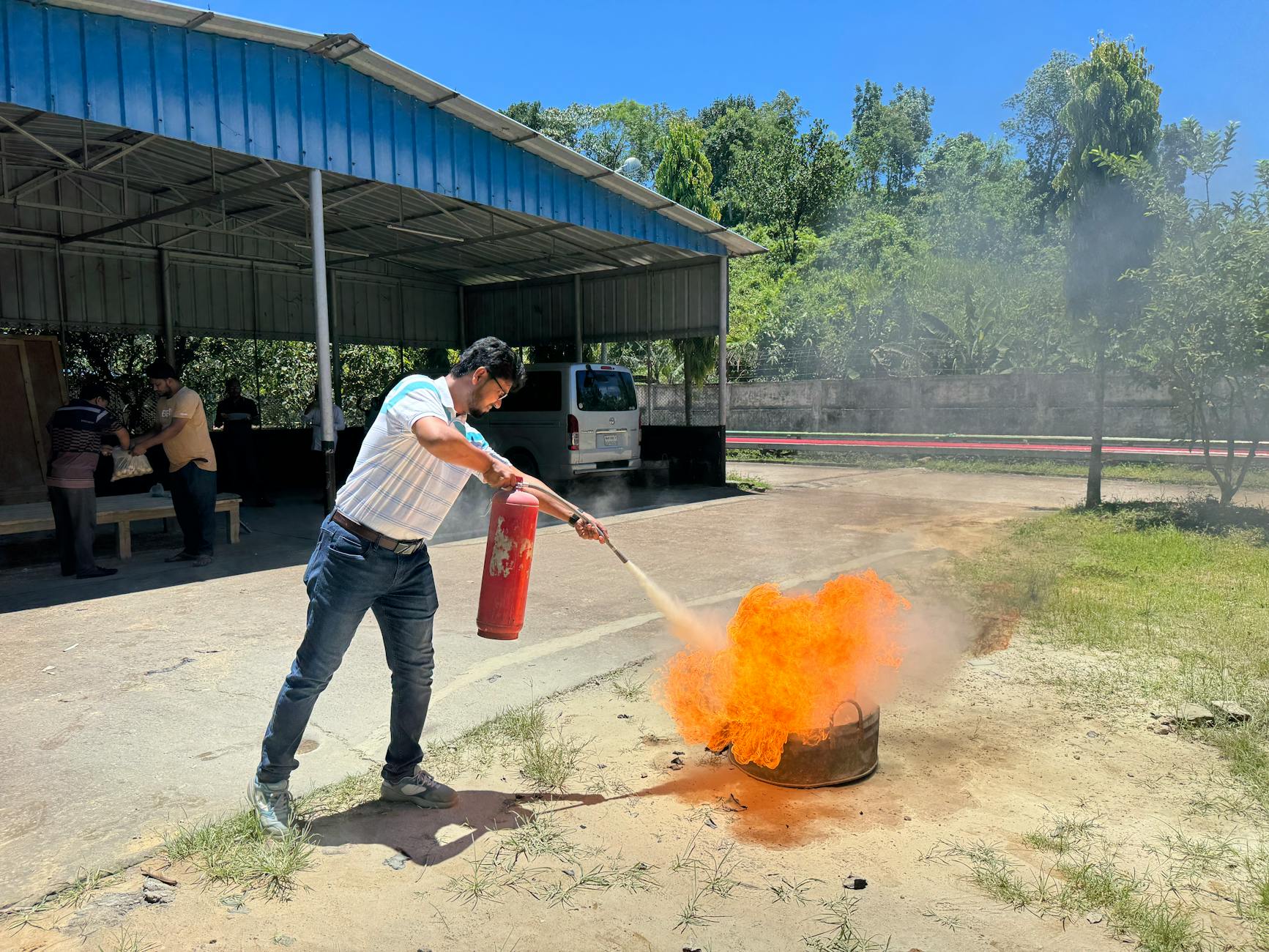
Prison work programs provide inmates with valuable skills and training, enabling them to transition smoothly into the workforce upon release. These programs are designed to equip individuals with the skills and knowledge necessary to secure employment and lead productive lives. Participants gain hands-on experience in various industries, including construction, manufacturing, and agriculture.
Research suggests that inmates who participate in work programs have a significantly lower recidivism rate compared to those who don't. According to the Bureau of Justice Statistics, inmates who participate in work programs have a recidivism rate of approximately 25%, compared to 50% for those who don't. This indicates the effectiveness of work programs in preparing inmates for life outside of prison.
Participants typically work under the supervision of experienced instructors, who teach them essential skills, such as teamwork, communication, and time management. They also gain practical experience in operating heavy machinery, reading blueprints, and performing other tasks relevant to their chosen industry.
Preparing Inmates for Life After Incarceration

Prison work programs are designed to equip inmates with valuable skills and knowledge, enabling them to reintegrate into society upon release. These programs vary in focus, but commonly include vocational training, education, and counseling. The goal is to empower inmates with the tools needed to secure employment and maintain a stable lifestyle.
Many prison work programs focus on job-specific skills, such as construction, culinary arts, or automotive repair. Inmates who participate in these programs often spend several hours a day learning from experienced instructors, honing their craft, and building a portfolio of work to showcase to potential employers.
Research shows that inmates who participate in prison work programs have a lower recidivism rate compared to those who do not. According to the Bureau of Justice Statistics, inmates who participate in vocational training programs are 24% less likely to recidivate. This suggests that prison work programs are an effective way to support inmates in their transition back into society.
Ultimately, the success of a prison work program depends on its quality and the inmate's commitment to learning. When designed and implemented effectively, these programs can have a profound impact on an inmate's life, setting them up for success upon release.
Empowering Ex-Offenders through Education and Employment

Prison work programs provide inmates with the opportunity to acquire new skills and gain meaningful work experience while serving their sentences. These programs aim to prepare prisoners for a successful reintegration into society upon their release.
Studies show that inmates who participate in work programs are less likely to reoffend, with a recidivism rate of around 20% compared to 60% for those who do not participate. The programs focus on teaching practical skills, such as carpentry, cooking, and sewing, as well as vocational training in areas like construction, manufacturing, and healthcare.
The structure of a prison work program typically involves inmates working under the supervision of a trained instructor. They may receive certification or a diploma upon completion, which can be a valuable asset when seeking employment after release. Many prisons also offer apprenticeships and on-the-job training, allowing inmates to gain hands-on experience in a specific trade or industry.
With the goal of promoting rehabilitation and reducing recidivism, prison work programs are an essential component of the correctional system.
Need this answered for your specific case?
Get a flat-fee consultation with a verified U.S. immigration attorney. Engagement letter on every paid consult.
Related guides
-
Sanctions on Juvenile Offenders Cut Recidivism Rate by 27% in First Year
7 min read · May 13, 2026
-
Federal Court Rules Graduated Sanctions Can Reduce Recidivism by 30% in Prisons
6 min read · May 13, 2026
-
Four-Year Prison Sentence for Man Convicted of 12 Technical Violations of Probation
6 min read · May 11, 2026
This guide provides general legal information and does not create an attorney–client relationship. Information accurate as of July 2026. Always verify current USCIS guidance before acting.