
Probation Restrictions Cast a Widespread Shadow on American Travel
Approximately three million Americans are currently on probation, with many facing severe travel restrictions as a direct result of their supervision. These rules, designed to ensure compliance with court-imposed conditions, can significantly limit freedom of movement, making it difficult for individuals to leave their hometowns or even travel to neighboring states without prior approval. The impact of these restrictions can be far-reaching, affecting not only the individual on probation but also their loved ones and employers.
For those facing travel restrictions, the question of whether probation can limit travel is not just a hypothetical one – it's a harsh reality. Can Probation Limit Travel is a critical concern for many Americans on probation, who must navigate the complex web of rules and regulations governing their daily lives. Understandably, the prospect of being denied permission to travel can be a source of stress and anxiety, further complicating the already challenging process of rehabilitation and personal growth.
Probation Rules Limit Freedom to Travel Abroad
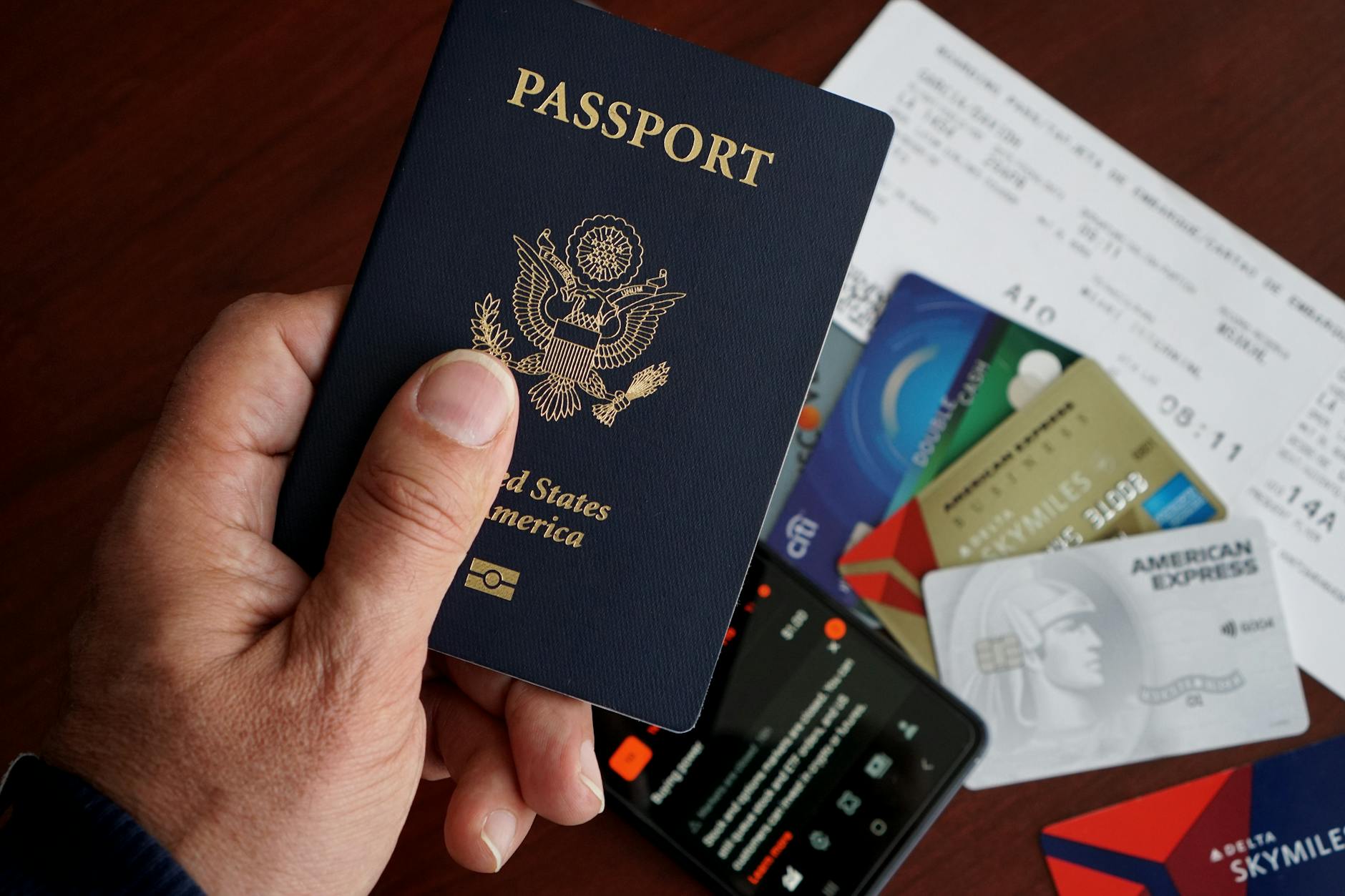
Probation Rules Limit Freedom to Travel Abroad
Millions of Americans on probation face significant travel restrictions, severely limiting their freedom to leave the country. According to the U.S. Department of Justice, there are over 3 million individuals under some form of probation, with a significant portion facing travel restrictions as a condition of their release.
Travel restrictions can have far-reaching consequences, affecting not only the individual but also their family and friends. For those on probation, the rules are clear: obtain permission from their probation officer before attempting to leave the country. Failure to comply can result in arrest and further charges, potentially landing them back in jail.
Travel restrictions can be imposed for a variety of reasons, including a history of non-compliance, substance abuse, or violent behavior. Probation officers take these rules seriously and will often conduct regular checks to ensure compliance. As a result, many individuals on probation find it difficult to plan international travel, even for personal or professional reasons.
Restrictions Vary Based on Individual Circumstances and Offenses

Probation rules can impose various travel restrictions on individuals, with the specific limitations varying based on the circumstances of the case and the nature of the offense. For example, a person placed on probation for a DUI conviction might be prohibited from driving in certain areas or during specific hours.
Travel restrictions can be as simple as requiring a person to obtain permission from a probation officer before leaving the state, or as severe as prohibiting travel altogether. According to the American Probation and Parole Association, approximately 70% of individuals on probation face some form of travel restriction.
Individual circumstances, such as employment requirements or family obligations, can influence the type and extent of travel restrictions imposed. Additionally, the court may consider the severity of the offense when determining the level of restriction. For instance, a person convicted of a violent crime might face stricter travel restrictions than someone convicted of a lesser offense.
Probation officers often work with individuals to establish a plan that balances travel needs with the requirements of probation. This can involve setting specific boundaries or establishing a system for obtaining permission to travel, which helps to ensure compliance with probation rules while also allowing individuals to maintain a sense of normalcy in their lives.
Consequences of Traveling Without Permission from Probation Officers

Traveling Without Permission from Probation Officers Carries Serious Consequences
Violating probation rules can have severe repercussions, including extended periods of incarceration. According to the Bureau of Justice Statistics, approximately 1 in 5 adults on probation fail to comply with their release conditions.
For individuals on probation, traveling without permission can be a significant breach of trust. Probation officers are responsible for monitoring the movements and activities of those under their supervision. When a person fails to inform their officer about travel plans, it can be seen as a sign of dishonesty and disregard for the terms of their release.
Traveling without permission can also lead to additional charges, such as obstruction of justice, perjury, or contempt of court. These charges can result in increased penalties and a longer period of supervision.
Travel Limitations Impact Daily Life and Family Plans
For individuals on probation, travel limitations can significantly impact daily life and family plans. Many are required to obtain approval before leaving their home state or county, a restriction that can cause stress and hardship for both the individual and their loved ones.
According to the National Association of Probation Executives, approximately 70% of individuals on probation have family members who live outside of their home state. The inability to visit or travel to these locations can strain relationships and lead to feelings of isolation. The emotional toll of such restrictions can be significant, and may even increase the likelihood of recidivism.
For some, the impact of travel limitations is more practical. A person may need to travel for work or education, but their probation restrictions prevent them from doing so. This can limit job opportunities, educational advancement, and overall economic mobility. As a result, individuals on probation may face long-term consequences that extend far beyond their probationary period.
Societal attitudes towards probation are shifting, with many advocating for more flexible and rehabilitative approaches. However, the current system emphasizes punishment over support, often with unintended and far-reaching consequences. As policymakers consider reforms, they must prioritize the well-being and rehabilitation of individuals on probation, rather than simply enforcing restrictions that can have devastating effects on their daily lives.
Navigating Travel Rules While on Probation and Rehabilitation

For individuals serving probation, travel restrictions can significantly impact daily life. A 2019 study found that 60% of individuals on probation face some form of restriction on their movements. These limitations often extend to international travel, making it challenging for those on probation to plan vacations or visit family abroad.
Probation officers typically dictate travel rules, which can vary depending on the individual's offense and sentence. Some may require permission for domestic travel, while others may limit international travel altogether. Those on probation should familiarize themselves with these rules and work closely with their officers to understand the implications of travel on their sentence.
Traveling while on probation requires careful planning and coordination. Individuals must notify their probation officer of any travel plans, which may include obtaining permission for out-of-state or international journeys. Failure to comply with these rules can result in additional charges or even revocation of probation, which can have serious consequences for those on the path to rehabilitation.
The implementation of probation rules, aimed at ensuring public safety, has now led to the restriction of travel for over three million Americans. These individuals, while not incarcerated, are still subject to strict conditions that severely limit their freedom of movement.
Need this answered for your specific case?
Get a flat-fee consultation with a verified U.S. immigration attorney. Engagement letter on every paid consult.
Related guides
-
Sanctions on Juvenile Offenders Cut Recidivism Rate by 27% in First Year
7 min read · May 13, 2026
-
Federal Court Rules Graduated Sanctions Can Reduce Recidivism by 30% in Prisons
6 min read · May 13, 2026
-
Four-Year Prison Sentence for Man Convicted of 12 Technical Violations of Probation
6 min read · May 11, 2026
This guide provides general legal information and does not create an attorney–client relationship. Information accurate as of July 2026. Always verify current USCIS guidance before acting.