
Transit police forces operate in over 30 countries worldwide, maintaining safety and order in public transportation systems. These specialized units possess unique authority to ensure smooth and secure transit operations. Their powers often extend beyond typical law enforcement, tailored to the dynamic environment of buses, trains, and subway systems.
Understanding the transit police authority is crucial for commuters and travelers. The transit police authority refers to the legal powers and responsibilities granted to these officers to manage safety, enforce regulations, and respond to incidents within transit systems. From issuing citations to making arrests, their role is pivotal in keeping millions of daily passengers safe. Knowing these authorities helps passengers navigate transit systems with confidence, understanding their rights and the officers' capabilities.
Understanding Transit Police Jurisdiction
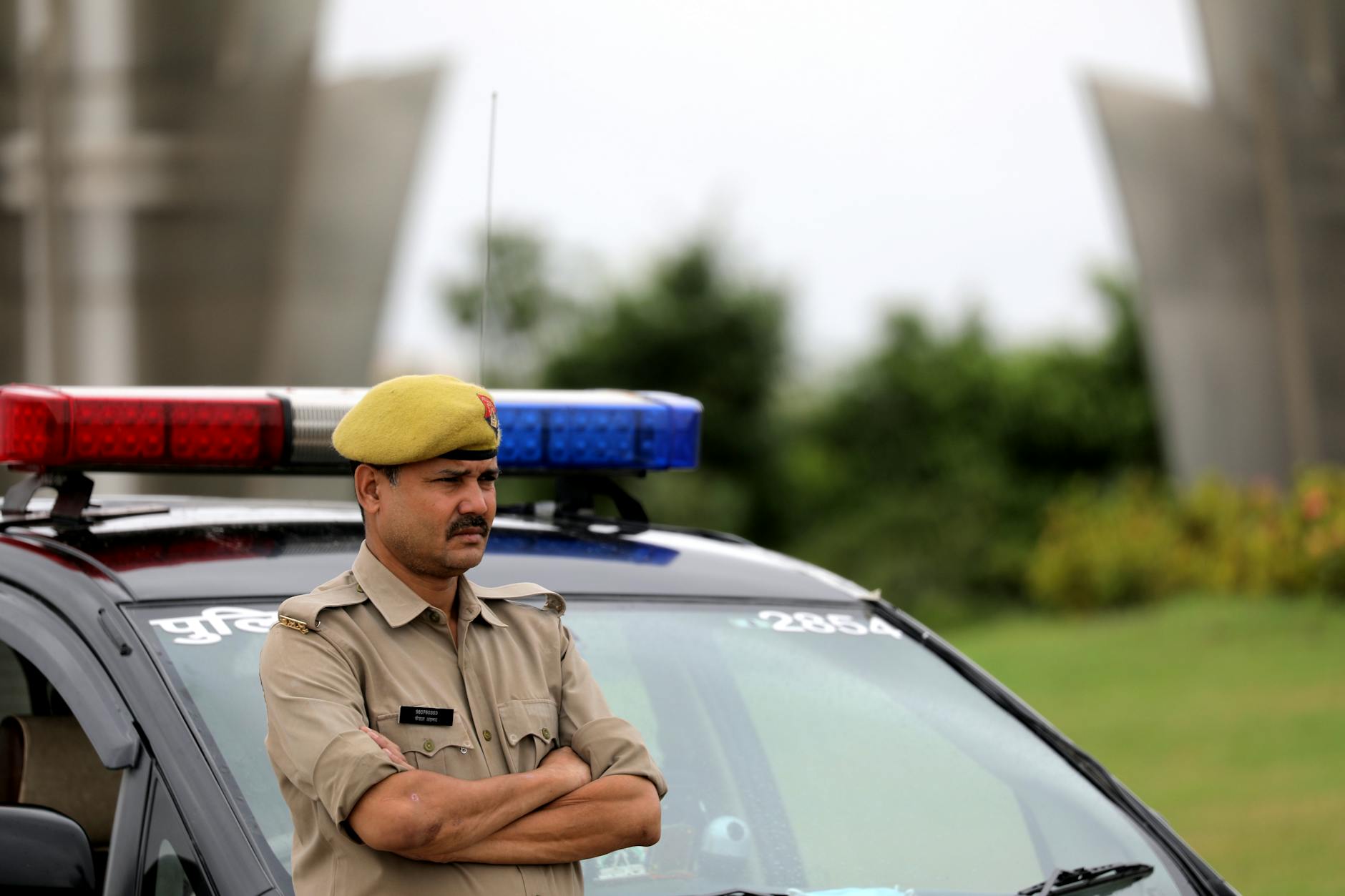
Transit police operate within a unique jurisdiction that spans multiple legal boundaries. Unlike traditional law enforcement, their authority extends beyond city limits, covering transit systems that often cross municipal lines. This jurisdiction typically includes buses, trains, subway systems, and sometimes even transit stations and surrounding areas. The exact scope varies by region, but it generally encompasses any property owned or controlled by the transit agency.
A 2019 study by the National Transit Institute found that transit police have arrest powers comparable to municipal officers within their jurisdiction. They can enforce state and local laws, issue citations, and make arrests for crimes committed on transit property or vehicles. This authority is crucial for maintaining safety in high-traffic areas where crimes like theft, vandalism, and assault can occur.
Transit police also collaborate with other law enforcement agencies. Their jurisdiction often overlaps with that of state troopers or county sheriffs, particularly in cases involving serious crimes or multi-jurisdictional investigations. According to a senior transit police official, these partnerships enhance public safety by ensuring seamless enforcement across different areas. However, the exact boundaries of their authority can vary, so it's essential for officers to stay updated on legal changes and interagency agreements.
Core Responsibilities of Transit Officers
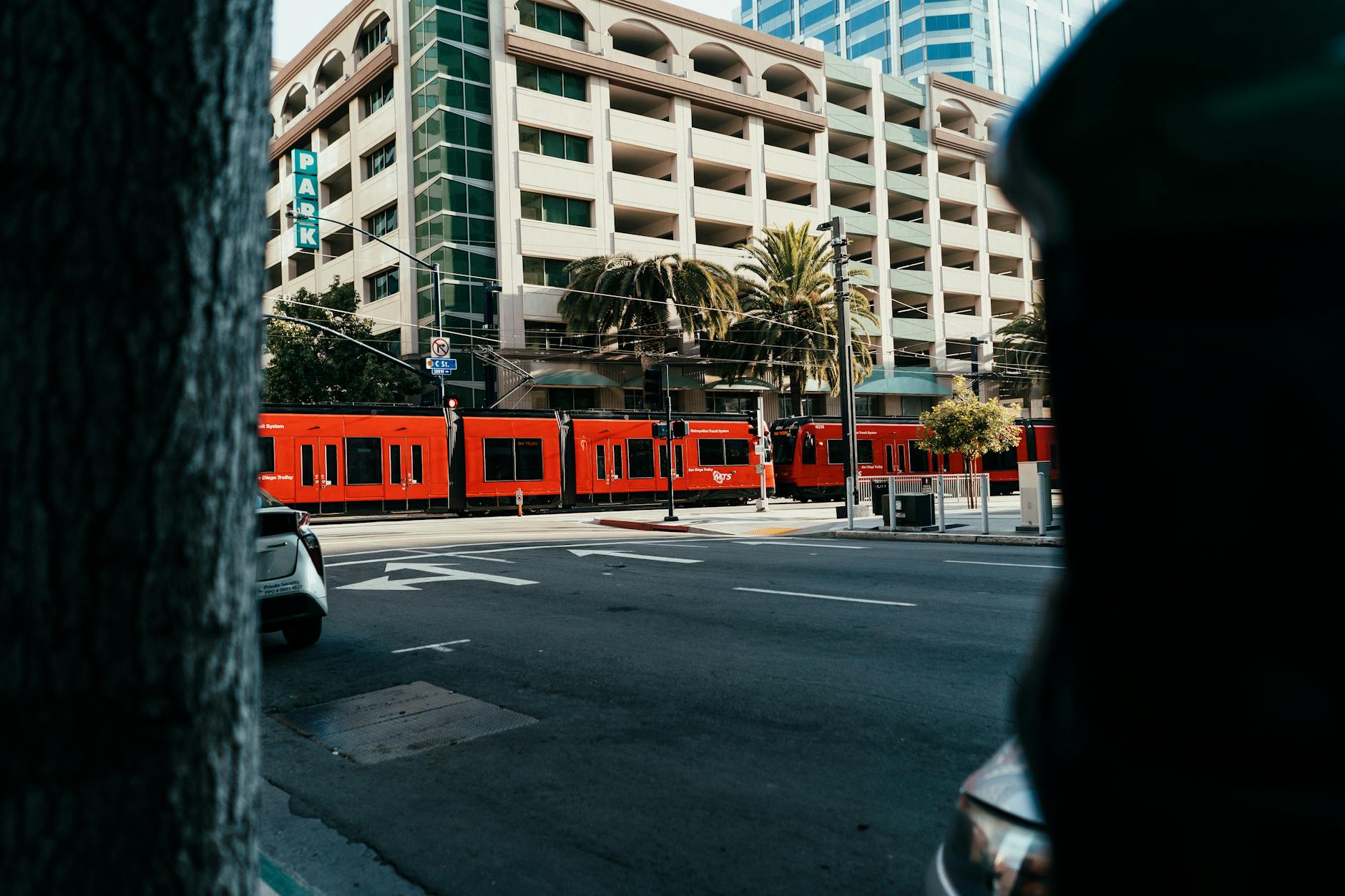
Transit officers play a vital role in maintaining safety and order within public transportation systems. Their core responsibilities include ensuring passenger security, enforcing transit regulations, and responding to emergencies. These officers patrol stations, trains, and buses, acting as a visible deterrent to crime and providing assistance to travelers. They also work closely with local law enforcement agencies to address broader public safety concerns.
One of their primary duties is to enforce transit-specific laws and regulations. This includes issuing citations for fare evasion, disorderly conduct, and other violations that disrupt the transit environment. According to a recent study by the American Public Transportation Association, effective enforcement of these rules can reduce incidents of misconduct by up to 30%. Transit officers receive specialized training to handle these situations, ensuring they can de-escalate conflicts and maintain a safe atmosphere for all passengers.
In addition to enforcement, transit officers are often the first responders to medical emergencies and accidents. They are trained in basic first aid and CPR, allowing them to provide immediate assistance until medical professionals arrive. Their quick response can be crucial in saving lives and minimizing the impact of emergencies. This multifaceted role underscores the importance of transit officers in the overall safety and efficiency of public transportation systems.
Transit officers also play a key role in community engagement. They build relationships with frequent transit users, local businesses, and community organizations to foster a sense of shared responsibility for safety. By being present and approachable, they help create an environment where passengers feel comfortable reporting concerns and seeking help when needed. This proactive approach not only enhances security but also improves the overall transit experience for everyone.
How Transit Police Maintain Public Safety

Transit police officers play a crucial role in maintaining public safety across various transportation systems. They patrol stations, trains, buses, and other transit facilities, ensuring passengers and staff remain secure. Their presence acts as a deterrent to potential criminals, significantly reducing incidents of theft, vandalism, and assault. According to a recent study, areas with visible transit police presence report a 30% decrease in crime rates compared to those without.
One of their key responsibilities is responding to emergencies. Transit police are trained to handle a wide range of situations, from medical emergencies to security threats. They work closely with local law enforcement and emergency services to coordinate responses and ensure swift action. Their quick reaction times can mean the difference between life and death in critical situations.
Transit police also focus on community engagement. They build relationships with regular commuters, transit staff, and local businesses. This proactive approach helps them gather intelligence and identify potential issues before they escalate. By fostering trust and open communication, transit police create a safer environment for everyone who uses public transportation.
Additionally, transit police enforce regulations and laws specific to transit systems. They issue citations for fare evasion, enforce smoking bans, and address other violations that disrupt public order. Their authority extends to making arrests and conducting investigations when necessary. This multifaceted role ensures that transit systems remain safe, efficient, and pleasant for all users.
Daily Operations and Challenges

Transit police operate in a dynamic environment, balancing public safety with the fluid nature of transportation hubs. Their daily operations involve patrolling stations, trains, and buses, often working in shifts to cover 24/7 schedules. Officers must stay vigilant, ready to respond to incidents ranging from minor disputes to serious crimes. According to a recent study by a leading urban security research institute, transit police handle approximately 30% of all public safety calls in major cities.
One of the key challenges transit police face is the constant flow of people. Unlike traditional law enforcement, transit officers deal with a transient population, making it difficult to build community relationships. This can complicate investigations and community policing efforts. Officers must adapt quickly, using their training to assess situations and act decisively.
Technology plays a crucial role in modern transit police operations. Surveillance cameras, real-time data analysis, and communication systems help officers monitor and respond to incidents efficiently. However, these tools also present challenges, such as data privacy concerns and the need for ongoing training to keep up with technological advancements.
Collaboration with other law enforcement agencies and transportation authorities is vital for effective transit policing. Joint operations and information sharing enhance overall security and response times. Transit police often work closely with local police departments, transit agencies, and even federal authorities to address complex issues like terrorism and organized crime.
The Future of Transit Law Enforcement

Transit police authority is evolving alongside rapid advancements in technology and shifts in societal norms. Agencies are increasingly adopting predictive policing tools, leveraging data analytics to anticipate and prevent crimes before they occur. This proactive approach represents a significant departure from traditional reactive enforcement strategies. However, it also raises important questions about privacy and civil liberties that will shape future legal frameworks.
One area of growing focus is the integration of transit police with other law enforcement agencies. According to a recent study by the Urban Institute, coordinated efforts between transit police and local authorities have led to a 20% reduction in crime rates in major urban centers. This collaboration allows for more efficient resource allocation and better intelligence sharing, ultimately enhancing public safety across multiple jurisdictions.
Looking ahead, transit police authority will likely expand to address emerging challenges such as cyber threats and terrorism. As transit systems become more interconnected and reliant on digital infrastructure, protecting against cyberattacks will become a critical priority. Experts suggest that transit police will need to develop specialized units to tackle these sophisticated threats, requiring new training and technological investments.
Another key development is the growing emphasis on community engagement and transparency. Transit police are increasingly adopting community policing models, which focus on building trust and fostering positive relationships with the public. This shift is driven by the recognition that effective law enforcement relies not just on enforcement powers, but also on the cooperation and support of the communities they serve.
Transit police authority exists to maintain safety and order within public transportation systems, balancing the need for security with the rights of travelers. Their jurisdiction is specifically tied to transit properties and vehicles, ensuring they can respond swiftly to incidents that could disrupt services or endanger passengers. To navigate transit systems confidently, passengers should familiarize themselves with these authorities' roles and the boundaries of their powers, as this knowledge can be crucial in emergencies or disputes. As urban mobility evolves, transit police will likely adapt their strategies to address new challenges, such as cybersecurity threats and the integration of autonomous vehicles into public transit networks.
Need this answered for your specific case?
Get a flat-fee consultation with a verified U.S. immigration attorney. Engagement letter on every paid consult.
Related guides
This guide provides general legal information and does not create an attorney–client relationship. Information accurate as of July 2026. Always verify current USCIS guidance before acting.