
Over 77 million Americans have a criminal record. For many, the question of whether past mistakes should dictate future opportunities looms large. Travel, a right often taken for granted, can become a complex issue for those with a criminal history.
Understanding the nuances of traveling with a criminal record is crucial. The question "Can You Travel With a Criminal Record?" doesn't have a one-size-fits-all answer. It depends on various factors, including the type of offense, the destination, and the specific travel requirements. Some countries impose strict entry rules for individuals with certain convictions, while others may grant entry with additional documentation. Even within the U.S., domestic travel can present challenges, particularly when flying. Knowing the rules and preparing accordingly can make all the difference.
Understanding your travel rights

Traveling with a criminal record introduces complexities that vary by country and type of offense. Generally, individuals with minor offenses may face fewer restrictions, while those with serious convictions could encounter significant barriers. According to the U.S. Bureau of Justice Statistics, over 70 million Americans have some form of criminal record, highlighting the prevalence of this issue.
Many countries require visa applicants to disclose criminal history. Some nations, like Canada, may deny entry to individuals with certain convictions, including DUIs or drug offenses. Researching destination-specific laws is crucial to avoid surprises at border control.
Understanding travel rights involves knowing when and how to disclose a criminal record. Some countries allow entry but restrict activities, such as working or studying. Consulting an immigration lawyer can provide clarity on individual circumstances and potential restrictions.
Travel insurance may also be affected by a criminal record. Some policies exclude coverage for destinations where the insured is legally barred from entering. Reviewing policy details and discussing options with an insurer can prevent unexpected denials of claims.
Country-specific entry requirements
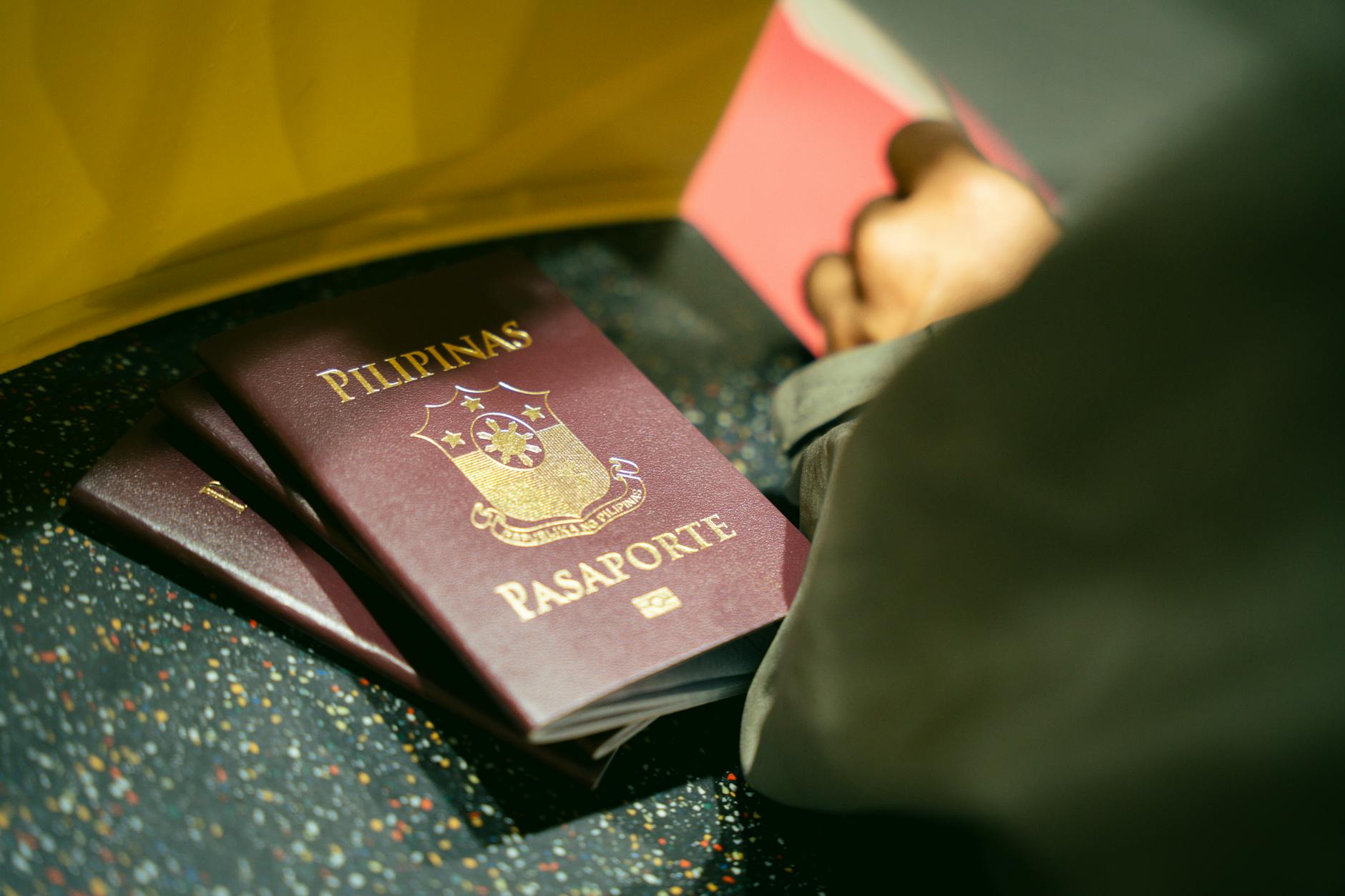
Traveling with a criminal record can be complicated, especially when considering country-specific entry requirements. Some nations impose strict rules that can bar individuals with certain convictions. For instance, Canada denies entry to anyone with a criminal record unless they obtain special permission. The Canadian government reports that over 400,000 people are turned away annually due to inadmissibility issues. It's crucial to research each destination's policies before planning a trip.
Australia also has stringent entry rules. The country's character requirements can prevent individuals with serious criminal histories from obtaining a visa. Even minor offenses might require a waiver, which can be a lengthy process. A travel advisory expert notes that transparency is key—applicants must disclose all past convictions to avoid complications.
Some European countries, like France and Germany, evaluate applications on a case-by-case basis. While minor offenses may not automatically disqualify travelers, serious crimes can lead to entry bans. It's advisable to consult the embassy or consulate of the destination country for the most accurate information. Preparation and honesty are essential to navigating these regulations successfully.
In contrast, countries like Mexico and Thailand have more lenient policies regarding criminal records. However, this doesn't guarantee smooth entry—officials may still deny admission based on discretion. Travelers should always verify the latest requirements, as policies can change without notice. Staying informed and proactive can make the difference between a seamless trip and an unexpected denial.
Navigating airport security

Airport security can be particularly stressful for travelers with a criminal record. The Transportation Security Administration (TSA) does not maintain a database of individuals with criminal records, so agents typically won't know about a traveler's past unless it involves a warrant or appears on a watchlist. However, having a record doesn't automatically disqualify someone from flying. According to a security expert, "TSA's primary concern is safety and security, not someone's past mistakes."
Travelers should be prepared for additional screening. This might include extra questions, pat-downs, or bag searches. It's crucial to remain calm and cooperative. Aggressive behavior can escalate the situation and lead to further delays or even missed flights. Packing carefully can also help. Ensure that all items in carry-on and checked luggage comply with TSA regulations to avoid additional scrutiny.
Those with recent convictions or active warrants may face more significant challenges. In such cases, consulting with a legal professional before traveling is advisable. They can provide guidance on potential issues and help navigate any legal complexities. Being proactive can make the airport security process smoother and less stressful.
Long-term implications for travel

Traveling with a criminal record can cast a long shadow over one's future journeys. Many countries maintain strict entry requirements, and a past conviction may lead to visa denials or deportation. The U.S. State Department, for instance, reports that over 700,000 visa applications are refused annually due to criminal history. This reality forces individuals to plan meticulously, researching each destination's laws and considering potential repercussions.
Long-term implications extend beyond immediate travel plans. Frequent denials can tarnish one's reputation, affecting business opportunities and personal relationships. A travel expert notes that repeated rejections may even trigger additional scrutiny from immigration authorities, creating a cycle of complications. This underscores the importance of understanding the lasting effects of a criminal record on international mobility.
For those with convictions, proactive measures can mitigate these challenges. Seeking legal advice, applying for pardons, or demonstrating rehabilitation can open doors. Some countries offer special visas for individuals with past offenses, provided they meet certain criteria. By taking these steps, travelers can navigate the complexities of international travel with greater confidence.
Planning ahead for hassle-free trips

Traveling with a criminal record requires meticulous planning to avoid last-minute surprises. Research destination-specific laws and regulations well in advance. Some countries impose strict entry requirements or outright bans for certain offenses. A travel advisor specializing in complex cases recommends checking government travel advisories and consulting with an immigration lawyer if needed.
Documentation is key. Carry copies of court records, proof of rehabilitation, or any relevant legal documents. These can help clarify your situation to immigration officials. According to a 2021 study, 30% of travelers with criminal records faced delays due to inadequate documentation.
Consider the timing of your trip. Certain periods may see heightened security measures, making travel more challenging. Holidays and major events often trigger stricter border controls. Plan accordingly to minimize potential complications.
Notify your travel companions about your situation. Transparency can prevent misunderstandings and ensure everyone is prepared for possible delays or additional screening. Open communication fosters a smoother travel experience for all involved.
Traveling with a criminal record presents unique challenges, but it's not an insurmountable barrier. Understanding the laws, securing proper documentation, and planning ahead can open doors to international travel. Before embarking on your journey, consult with a legal expert or travel advisor to navigate the complexities of your specific situation. As global attitudes toward criminal records evolve, staying informed about policy changes will help you seize future travel opportunities with confidence.
Need this answered for your specific case?
Get a flat-fee consultation with a verified U.S. immigration attorney. Engagement letter on every paid consult.
Related guides
This guide provides general legal information and does not create an attorney–client relationship. Information accurate as of July 2026. Always verify current USCIS guidance before acting.