
The U.S. prison system has long been a subject of controversy, with debates surrounding everything from overcrowding to rehabilitation methods. Recently, the implementation of a revised strip search policy has affected over 200,000 inmates nationwide, sparking renewed discussions about the role of strip searches in modern corrections.
A strip search policy is a set of guidelines governing the removal of clothing from an individual, typically as a security measure in prisons or law enforcement settings. These policies dictate the circumstances under which a strip search can be conducted, the level of staff involvement, and the procedures for conducting the search itself. The revised policy affects thousands of inmates, many of whom were previously subject to unnecessary or invasive searches.
Strip Searches in Prisons: A Necessary Measure or Excessive Security

Strip searches in prisons are a controversial topic, with many debates surrounding their necessity and effectiveness. A strip search policy is a set of rules governing the procedure and circumstances under which prisoners are required to remove their clothing for inspection. This policy typically outlines the types of searches that can be conducted, the level of staff involvement, and the protocols for handling personal items and clothing.
According to the American Civil Liberties Union, nearly half of all prisoners in the United States are subject to strip searches at some point during their incarceration. The strip search policy is designed to maintain order and prevent the introduction of contraband into the prison system. However, many argue that the policy is overly broad and infringes on prisoners' rights, particularly for those who are already dealing with mental health issues or trauma.
The revised strip search policy in U.S. prisons will affect over 200,000 inmates, representing a significant change in the way searches are conducted. The new policy aims to reduce the number of strip searches while still maintaining security.
Strip Search Policies: Origins and Evolution Over Time

Strip search policies have a long history in U.S. prisons, dating back to the early 20th century. The first strip search policies were implemented in the 1920s, primarily as a means of controlling the spread of tuberculosis among inmates. At the time, prisons had limited medical facilities and resources, leading to the use of strip searches to identify and segregate inmates with the disease.
Prior to the 1980s, strip searches were typically performed on inmates entering or leaving the prison, as well as on those suspected of possessing contraband. However, as prison populations grew and the crack era of the 1980s brought an increase in violence and gang activity, strip searches became more frequent and invasive.
The American Civil Liberties Union (ACLU) estimates that up to 13% of all arrests in the United States involve strip searches. This has led to concerns about the effectiveness and constitutionality of strip search policies, particularly in regards to the Fourth Amendment's protection against unreasonable searches and seizures.
In response to these concerns, prison administrators have begun to revise and refine their strip search policies, with a focus on balancing security with the need to protect inmates' rights and dignity.
Key Components of a Strip Search Policy: Searches, Conduct, and Supervision

A strip search policy is a crucial component of prison operation, outlining the guidelines for conducting strip searches of inmates. The policy typically involves three key components: searches, conduct, and supervision.
The search component outlines the procedures for conducting strip searches, including the specific areas of the body that must be searched and the equipment used. According to the American Correctional Association, a strip search involves a thorough search of an inmate's genital area, buttocks, and breasts. This is typically done in a private setting, with a trained corrections officer present to ensure the search is conducted in a respectful manner.
The conduct component of a strip search policy emphasizes the importance of maintaining a professional and respectful demeanor during the search process. This includes ensuring that inmates are treated with dignity and respect, and that searches are conducted in a way that minimizes embarrassment and trauma. A 2019 report by the National Institute of Corrections found that inmates who experience trauma during strip searches are more likely to experience long-term psychological damage.
Effective supervision is critical to ensuring that strip searches are conducted in a safe and respectful manner. This includes ensuring that corrections officers are properly trained to conduct strip searches, and that they are supervised by a senior officer or administrator. Regular audits and reviews of strip search policies can help identify areas for improvement and ensure that the policy is being implemented consistently and fairly.
Practical Implementation of Strip Search Policies: Challenges and Concerns

Strip search policies have been a contentious issue within the U.S. prison system, with the revised policy affecting over 200,000 inmates. The policy aims to balance inmate safety with the need to prevent contraband from entering facilities.
A key challenge in implementing revised strip search policies is determining the appropriate scope of searches. Under the revised policy, inmates are subject to visual searches, often involving body cavities, which raises concerns about dignity and respect. According to the American Civil Liberties Union (ACLU), approximately 20% of inmates report experiencing traumatic effects as a result of strip searches. This highlights the need for careful consideration of the policy's impact on inmates.
The revised policy also seeks to streamline the search process, reducing the likelihood of false positives and unnecessary searches. To achieve this, prisons are investing in advanced screening technologies, such as metal detectors and X-ray machines. However, these technologies are not foolproof and can be circumvented by sophisticated contraband smugglers.
Prison administrators face a difficult balancing act in implementing revised strip search policies. While the policy aims to prevent violent incidents and maintain order within facilities, it also risks perpetuating a culture of mistrust and disrespect towards inmates.
A Revised Approach: U.S. Prisons' Efforts to Reform Strip Search Policies
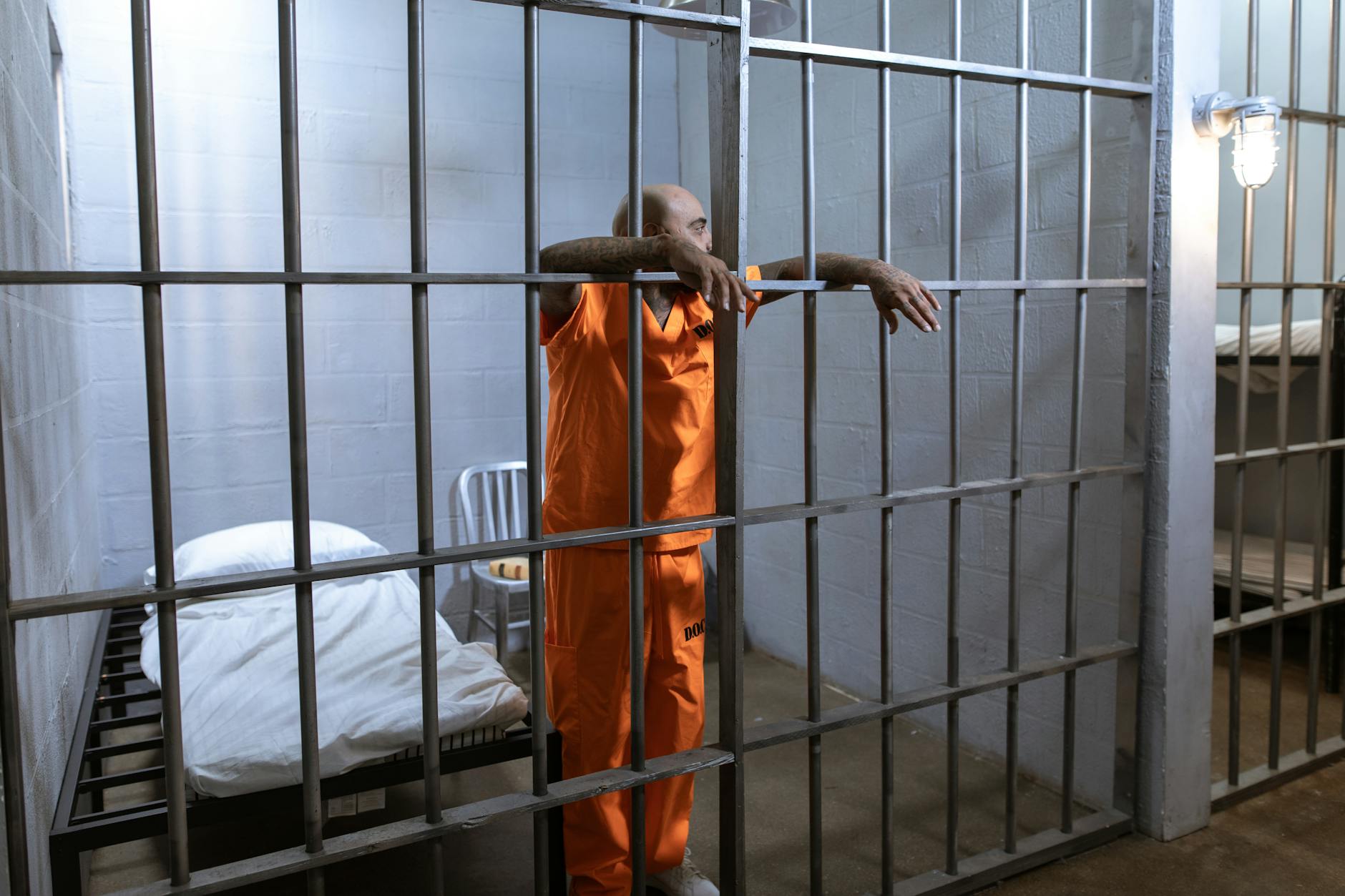
Strip search policies in U.S. prisons are designed to ensure the safety and security of both inmates and correctional staff. These policies typically involve a thorough search of an inmate's body, typically in a private area, to find contraband items such as weapons or illicit substances.
According to the Bureau of Justice Statistics, over 60% of state and federal prisons in the U.S. have implemented strip search policies, affecting approximately 200,000 inmates. The primary goal of these policies is to deter and detect the smuggling of contraband into facilities.
Strip searches can be conducted for various reasons, including upon admission to a prison, during routine searches, or after an incident such as a fight or escape attempt. The search may involve visual inspections, as well as the use of metal detectors and other scanning technology.
The process of conducting a strip search is typically governed by strict guidelines and protocols to ensure the dignity and safety of inmates.
Need this answered for your specific case?
Get a flat-fee consultation with a verified U.S. immigration attorney. Engagement letter on every paid consult.
Related guides
-
Sanctions on Juvenile Offenders Cut Recidivism Rate by 27% in First Year
7 min read · May 13, 2026
-
Federal Court Rules Graduated Sanctions Can Reduce Recidivism by 30% in Prisons
6 min read · May 13, 2026
-
Four-Year Prison Sentence for Man Convicted of 12 Technical Violations of Probation
6 min read · May 11, 2026
This guide provides general legal information and does not create an attorney–client relationship. Information accurate as of July 2026. Always verify current USCIS guidance before acting.