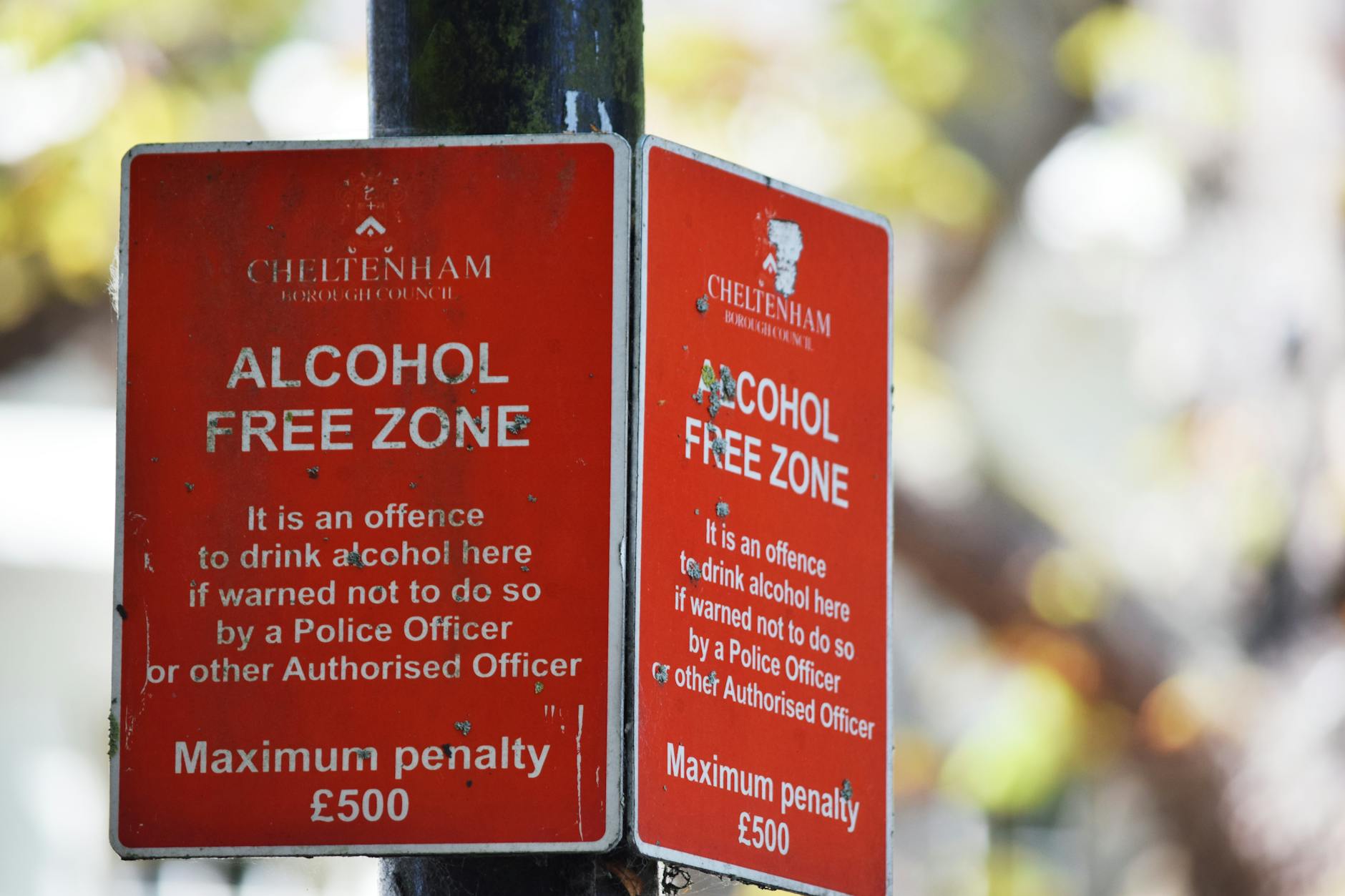
Indecent exposure accounts for a significant portion of public order offenses in the UK, with thousands of cases reported annually. The law takes a firm stance on such acts, defining them as serious breaches of public decency. What is indecent exposure UK law? It encompasses a range of behaviors that involve exposing one's genitals or performing lewd acts in public, causing alarm or distress to others. These offenses are not taken lightly, with perpetrators facing potential imprisonment or fines.
Understanding what is indecent exposure UK law is crucial for all residents and visitors. The legislation aims to maintain public order and protect individuals from unwanted and distressing encounters. Indecent exposure is not merely a nuisance; it is a criminal offense that can have severe consequences. The law applies to various scenarios, from intentional acts to those committed under the influence of alcohol or drugs. Awareness of these regulations helps ensure a safer and more respectful environment for everyone.
Understanding indecent exposure under UK law

Under UK law, indecent exposure refers to the act of exposing one's genitals in a public place or where people could potentially see them, with the intent to cause alarm or distress. This offense is outlined under Section 66 of the Sexual Offences Act 2003. The key elements of the offense are the exposure itself and the intention to cause alarm or distress. It's not necessary for someone to actually see the exposure for it to be considered an offense.
According to legal experts, the term "indecent" is broadly interpreted. It doesn't necessarily mean full nudity. Even exposing genitalia through clothing, such as in a revealing way, can constitute indecent exposure if it's done with the intent to cause alarm or distress. The offense can be committed in various public places, including streets, parks, and even private homes if the exposure can be seen from a public place.
A study by the Ministry of Justice revealed that there were over 1,200 prosecutions for indecent exposure in England and Wales in 2019. The penalties for indecent exposure can be severe. Upon conviction, offenders can face up to two years in prison, a fine, or both. The sentence depends on the circumstances of the case, the offender's previous convictions, and the impact on the victim.
Key elements of lewdness in public

UK law defines indecent exposure as acts of lewdness in public that cause alarm or distress. These acts typically involve exposing one's genitals or performing sexual acts in public view. The key elements of lewdness in public revolve around the intent to cause offense and the public nature of the act. A legal expert notes that the offense is not just about nudity but the context and intent behind it.
One crucial aspect is the visibility of the act. For an act to constitute indecent exposure, it must be visible to the public or a section of the public. This includes acts performed in public spaces, through windows, or in semi-public areas where people might reasonably be expected to see them. According to a 2019 report, over 1,200 cases of indecent exposure were recorded in the UK, highlighting the prevalence of such offenses.
Intent plays a significant role in determining whether an act is considered lewd. The offender must intend to cause alarm or distress. This intent can be inferred from the circumstances, such as the location, time, and behavior of the offender. Courts often consider whether the act was deliberate and aimed at shocking or disturbing the public.
Another critical element is the impact on the public. The offense must cause alarm, distress, or outrage among those who witness it. This impact is subjective and depends on the reactions of the people who see the act. The law aims to protect public decency and maintain order in public spaces.
Penalties and legal consequences

Under UK law, indecent exposure carries significant penalties and legal consequences. A conviction can result in a maximum sentence of two years' imprisonment, though the actual penalty often depends on the circumstances and the offender's prior record. Fines may also be imposed, and offenders may be required to register as sex offenders, which can severely impact their personal and professional lives.
Courts consider various factors when determining penalties, including the nature of the act, the location, and whether it was witnessed by children or vulnerable individuals. Repeat offenders typically face harsher penalties. According to legal experts, the severity of the punishment aims to reflect the seriousness of the offense and the potential harm caused to the public.
Beyond imprisonment and fines, those convicted of indecent exposure may also face social stigma and long-term consequences. Registration as a sex offender can limit employment opportunities and housing options. The stigma associated with such convictions can also strain personal relationships and community standing. Understanding these potential outcomes underscores the importance of adhering to public decency laws.
Reporting and prosecuting offenses

In the UK, reporting and prosecuting indecent exposure cases follow a structured legal process. The Crown Prosecution Service (CPS) handles these cases, with a particular focus on the intent behind the act. Prosecutors must demonstrate that the accused exposed themselves with the purpose of causing alarm or distress. This distinction is crucial, as accidental exposure typically does not constitute a criminal offense.
According to legal experts, the burden of proof lies on the prosecution to establish both the act of exposure and the intent. This often involves gathering witness statements, CCTV footage, and other evidence that can corroborate the claim. The CPS reports that around 80% of indecent exposure cases result in a charge, highlighting the seriousness with which these offenses are treated.
Once charged, the accused faces a magistrates' court, where penalties can range from fines to community service. In more severe cases, individuals may receive custodial sentences, particularly if the exposure involved a minor or occurred in a school or public transportation setting. The legal process ensures that justice is served while protecting the rights of the accused.
Victims of indecent exposure are encouraged to report incidents promptly to law enforcement. Swift action increases the likelihood of evidence preservation and successful prosecution. Support services are available to assist victims through the legal process, ensuring they receive the necessary guidance and emotional support.
Potential changes to indecency legislation

UK law on indecent exposure is under scrutiny, with potential changes on the horizon. The current legislation, rooted in the Sexual Offences Act 2003, defines indecent exposure as an act of lewdness in public. However, the interpretation of what constitutes "indecent" or "lewd" can vary widely, leading to calls for clarification and reform.
One area of concern is the lack of specific guidelines regarding digital indecency. With the rise of webcam performances and online streaming, experts argue that the law needs to evolve to address these modern forms of exposure. A recent study by a leading legal think tank found that 68% of legal professionals believe the current legislation is inadequate for dealing with digital indecency cases.
Another potential change involves the penalties for indecent exposure. Currently, offenders can face up to two years in prison, but some advocates push for stricter punishments, especially in cases involving minors. The government has yet to announce any concrete plans, but the debate highlights the need for a comprehensive review of the existing laws.
As society's understanding of public decency evolves, so too must the legal framework governing it. The potential changes to indecent exposure legislation aim to address these shifting norms, ensuring that the law remains relevant and effective in protecting public morality.
Indecent exposure in the UK is clearly defined as any lewd, obscene, or sexually provocative act performed in public, with intent to cause alarm or distress. The law applies regardless of whether the act is witnessed or not, and penalties can be severe, including imprisonment. To avoid potential legal issues, individuals should always be mindful of their actions in public spaces and respect the boundaries of others. As society continues to evolve, so too will the interpretation and enforcement of these laws, underscoring the importance of staying informed and vigilant.
Need this answered for your specific case?
Get a flat-fee consultation with a verified U.S. immigration attorney. Engagement letter on every paid consult.
Related guides
This guide provides general legal information and does not create an attorney–client relationship. Information accurate as of July 2026. Always verify current USCIS guidance before acting.