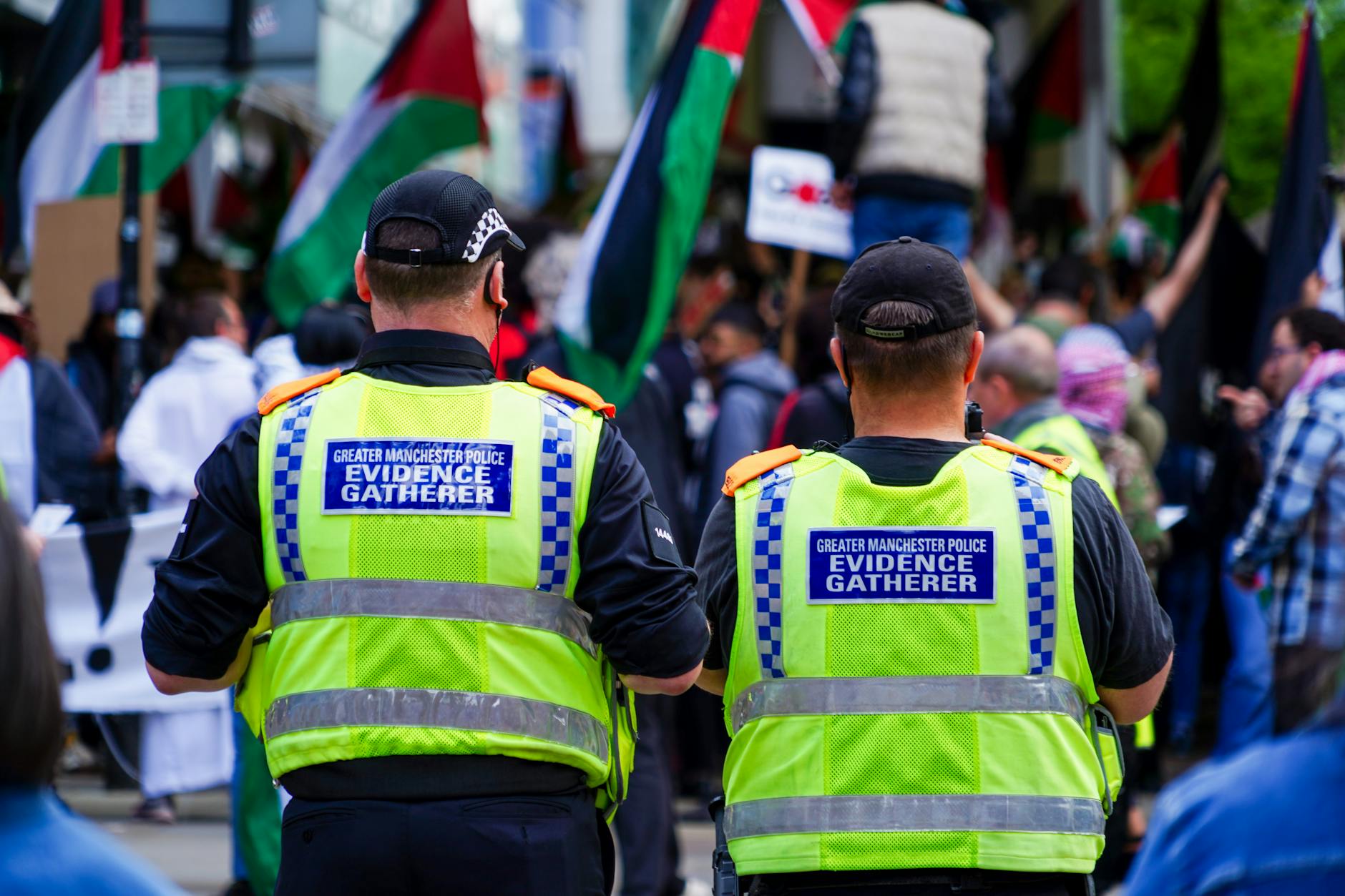
UK police misconduct cases surged by 12% in the past year, marking a concerning upward trend in alleged officer misconduct. This rise in reported incidents has sparked renewed scrutiny over police accountability and public trust in law enforcement.
Understanding what is police misconduct UK is crucial for citizens and authorities alike. Police misconduct encompasses a range of inappropriate behaviors by law enforcement officers, including excessive use of force, corruption, and abuse of power. With the recent increase in reported cases, the definition and implications of what is police misconduct UK have become more pressing topics of discussion. This trend underscores the need for robust oversight mechanisms and transparent investigations to address these issues effectively.
Understanding Police Misconduct in the UK
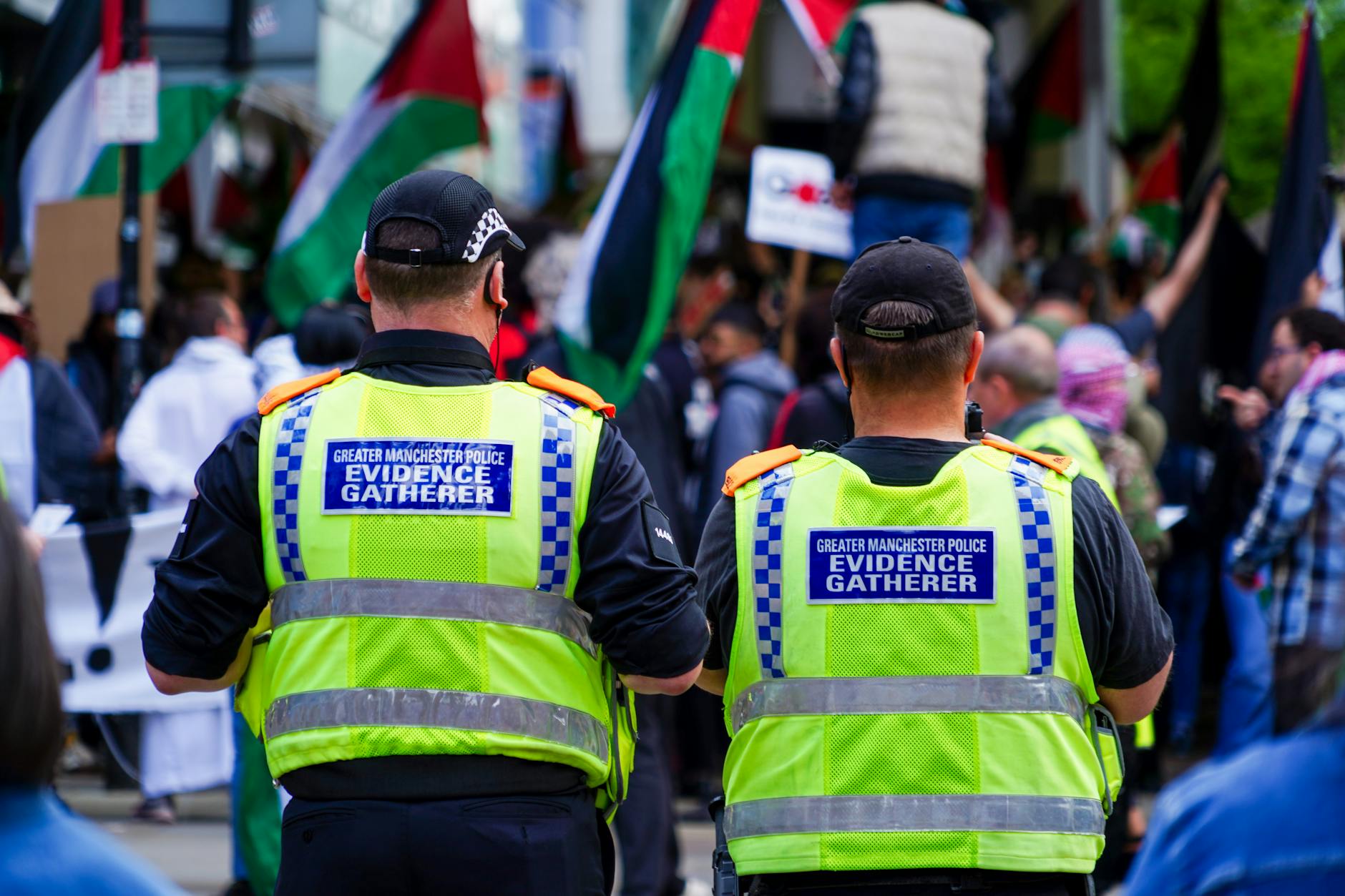
Police misconduct in the UK encompasses a range of behaviors that violate established laws, regulations, or ethical standards. These can include excessive use of force, racial profiling, corruption, or abuse of power. Misconduct undermines public trust and can have severe consequences for individuals and communities. The Independent Office for Police Conduct (IOPC) plays a crucial role in investigating such cases, ensuring accountability within police forces.
Excessive use of force is one of the most visible forms of police misconduct. This can involve unnecessary violence during arrests or incidents where officers use disproportionate force. The IOPC reported that complaints about use of force increased by 8% in the past year, highlighting ongoing concerns. Such incidents often lead to public outrage and calls for reform.
A 2023 report by a leading criminologist revealed that racial profiling remains a persistent issue. Black individuals are disproportionately stopped and searched compared to their white counterparts. This disparity has fueled debates about systemic bias within police forces. Addressing these issues requires both policy changes and cultural shifts within law enforcement.
Corruption within police ranks is another critical area of concern. This can involve officers accepting bribes, leaking sensitive information, or engaging in criminal activities. The IOPC has emphasized the need for stricter oversight and transparency to combat corruption. Public trust hinges on the belief that police officers uphold the law rather than abuse their authority.
Types of Misconduct Cases on the Rise

The landscape of police misconduct in the UK has evolved, with certain types of cases seeing significant increases. Among these, complaints related to discrimination have surged, accounting for 28% of all misconduct allegations in the past year. This rise reflects growing public awareness and willingness to report such incidents, according to a senior police oversight official.
Use of excessive force has also become a prominent concern. Incidents involving alleged excessive force have risen by 15%, highlighting ongoing challenges in maintaining appropriate use of force standards. These cases often involve complex investigations, requiring thorough examination of evidence and witness testimonies.
Another troubling trend is the increase in cases involving dishonesty and corruption. These serious allegations have risen by 10%, underscoring the need for robust internal accountability mechanisms. The police watchdog has emphasized the importance of transparency and swift action in addressing such misconduct to maintain public trust.
Additionally, misconduct related to social media use has emerged as a growing issue. With the increasing presence of officers on social media platforms, inappropriate behavior online has become a notable concern. These cases often involve breaches of professional conduct guidelines and can have significant reputational impacts on police forces.
Internal Investigations and Accountability

When police officers act outside their legal or ethical boundaries, it constitutes misconduct. In the UK, this can range from minor breaches of protocol to serious criminal offenses. The Independent Office for Police Conduct (IOPC) oversees investigations into such cases, ensuring accountability within the police force. Their role is crucial in maintaining public trust and upholding the integrity of law enforcement.
Internal investigations into police misconduct follow a structured process. Initial complaints are assessed, and if deemed credible, a full investigation is launched. The IOPC may oversee these probes, especially in serious cases. Officers under investigation are typically placed on restricted duties pending the outcome. This system aims to balance thorough scrutiny with the rights of the accused officers.
A recent report highlighted that internal investigations can be lengthy, with an average duration of 320 days. This delay often draws criticism, as it can prolong uncertainty for both victims and officers. Experts argue that streamlining processes without compromising fairness could enhance the system's effectiveness. The goal remains to ensure justice is served promptly and transparently.
Accountability measures include disciplinary actions, from formal warnings to dismissal. In severe cases, officers may face criminal charges. The IOPC's annual reports reveal that a significant portion of misconduct cases result in some form of disciplinary action. This underscores the system's commitment to addressing wrongdoing within the police force. Public confidence in these processes is vital for maintaining law and order.
Impact on Public Trust and Community Relations

The rise in police misconduct cases in the UK has significantly impacted public trust in law enforcement. According to a recent survey, nearly 60% of respondents expressed concerns about police accountability, marking a notable shift in public sentiment. This erosion of trust poses challenges for community relations, as effective policing relies heavily on cooperation and mutual respect between officers and the public.
Experts argue that repeated instances of misconduct, even when dealt with internally, contribute to a broader perception of impunity. The Metropolitan Police, for instance, has faced criticism for its handling of misconduct cases, which some believe has exacerbated public distrust. Such perceptions can hinder community engagement initiatives, making it difficult for police to gather intelligence and maintain safety.
Local communities, particularly those in urban areas, have reported feeling alienated by the police. This alienation can lead to underreporting of crimes and reduced willingness to collaborate with law enforcement. Addressing this issue requires not just disciplinary actions but also proactive measures to rebuild trust through transparency and accountability.
Police forces across the UK are increasingly recognizing the need for reform. Initiatives such as independent oversight bodies and community liaison programs aim to bridge the gap between law enforcement and the public. However, rebuilding trust will be a long-term effort, requiring consistent demonstration of fairness and accountability in handling misconduct cases.
Reforms Aimed at Preventing Future Misconduct

In response to rising misconduct cases, UK police forces have implemented several reforms. A key initiative involves enhancing training programs, with a particular focus on de-escalation techniques and cultural sensitivity. These programs aim to better equip officers to handle diverse situations and communities. Additionally, there's a push for increased transparency, with forces encouraged to publish more detailed data on misconduct complaints and outcomes.
Body-worn cameras have become more widespread, serving as both a deterrent and a tool for accountability. According to a recent report, forces where cameras are standard have seen a 15% reduction in complaints against officers. This technology provides crucial evidence in misconduct investigations, helping to clarify incidents from all angles.
Independent oversight has also been strengthened. The Independent Office for Police Conduct (IOPC) has seen its powers expanded, allowing it to oversee more serious cases. This move aims to rebuild public trust by ensuring impartial investigations. The IOPC's role is critical in maintaining the integrity of police conduct reviews.
Supervisory changes are underway as well. Senior officers now face stricter scrutiny, with a focus on their role in fostering a culture of accountability. This top-down approach seeks to address misconduct at its roots, promoting a healthier organizational climate. These reforms represent a significant step toward preventing future misconduct and restoring public confidence.
The stark rise in UK police misconduct cases—12% in just one year—underscores a troubling trend that demands urgent attention. This data reveals systemic issues within law enforcement that cannot be ignored. To address this, the public must remain vigilant, reporting misconduct promptly and supporting independent oversight bodies. Moving forward, reforms must focus on accountability, transparency, and rebuilding public trust in the police force.
Need this answered for your specific case?
Get a flat-fee consultation with a verified U.S. immigration attorney. Engagement letter on every paid consult.
Related guides
This guide provides general legal information and does not create an attorney–client relationship. Information accurate as of July 2026. Always verify current USCIS guidance before acting.