
Nearly 1.5 million criminal cases in England and Wales are classified as summary offences each year, accounting for over 95% of all prosecutions. These less serious crimes, handled swiftly through magistrates' courts, can still result in significant penalties, including up to six months of imprisonment.
Understanding what is a summary offence UK is crucial for anyone navigating the legal system. Unlike indictable offences, which are more serious and can be tried in crown courts, summary offences are resolved efficiently through magistrates' courts. What is a summary offence UK encompasses a wide range of infractions, from minor assaults and public order breaches to motoring offences and minor theft. Knowing the distinctions helps individuals comprehend the potential legal consequences and their rights within the justice system.
Understanding Summary Offences in the UK

Summary offences in the UK represent the least serious category of criminal offences. These are typically minor crimes that do not require a trial by jury. Instead, they are heard in a magistrates' court, where a panel of three magistrates or a district judge presides over the case. Examples include minor assaults, public order offences, and motoring offences.
According to the Ministry of Justice, summary offences account for approximately 95% of all criminal cases in England and Wales. This high volume underscores the importance of understanding the legal framework surrounding these offences. The penalties for summary offences are generally less severe than those for indictable offences, but they can still result in significant consequences, including fines and imprisonment.
Legal experts emphasize that the categorization of an offence as summary does not diminish its impact on the individual involved. Even minor offences can have long-lasting effects on a person's record, affecting employment opportunities and personal reputation. It is crucial for individuals to seek legal advice if they are facing such charges.
Key Characteristics of Summary Offences

Summary offences in the UK represent a category of criminal acts deemed less serious than indictable offences. These crimes typically result in penalties such as fines or short prison sentences, usually not exceeding six months. The Crown Court does not handle summary offences; instead, they are tried in magistrates' courts, ensuring a more streamlined judicial process.
One defining characteristic of summary offences is their expedited legal procedure. Magistrates, who are not legally required to have formal legal qualifications, oversee these cases. This approach allows for quicker resolutions compared to more severe crimes. According to legal experts, this efficiency is crucial for maintaining the functionality of the justice system by reducing backlogs.
Common examples of summary offences include minor assaults, public order breaches, and certain motoring offences. These crimes are generally considered less severe but still warrant legal intervention to uphold public order and safety. The maximum penalty for a summary offence is typically six months' imprisonment, though fines and community service are also common outcomes.
A notable aspect of summary offences is the absence of a jury. This distinction sets them apart from indictable offences, which are heard in the Crown Court with a jury present. The simplified process reflects the lesser severity of the crimes and the need for a more efficient judicial system. Legal professionals emphasize the importance of this distinction in ensuring that the justice system operates effectively and fairly.
Common Examples in Everyday Life

Summary offenses in the UK cover a broad spectrum of less serious crimes, many of which are familiar to everyday life. Shoplifting, for instance, is a common example. A person caught stealing goods worth less than £200 can face a summary offense charge, potentially leading to a six-month jail term. Similarly, minor assaults, such as pushing or shoving someone, often fall under this category. According to a report by the Ministry of Justice, over 1.5 million summary offenses were dealt with in magistrates' courts in the last year alone.
Public disorder offenses also frequently appear in this category. Being drunk and disorderly in a public place, for example, is a summary offense. This can result in a fine or even a brief jail sentence. Another common example is criminal damage, where the value of the damage is relatively low. Vandalism of public property, such as graffiti, often falls into this category.
Road traffic offenses, particularly those involving minor infractions, are another area where summary offenses are prevalent. Driving without a valid license or insurance, for instance, can lead to a summary conviction. Even exceeding the speed limit by a small margin can result in a fine or points on a driver's license. According to legal experts, these offenses are designed to maintain public order and safety without the need for lengthy court proceedings.
Finally, harassment and stalking offenses can also be tried as summary offenses, depending on the severity of the case. Persistent unwanted contact or behavior that causes alarm or distress can lead to charges. These offenses highlight the importance of respecting personal boundaries and maintaining a peaceful community.
Navigating Legal Procedures and Penalties
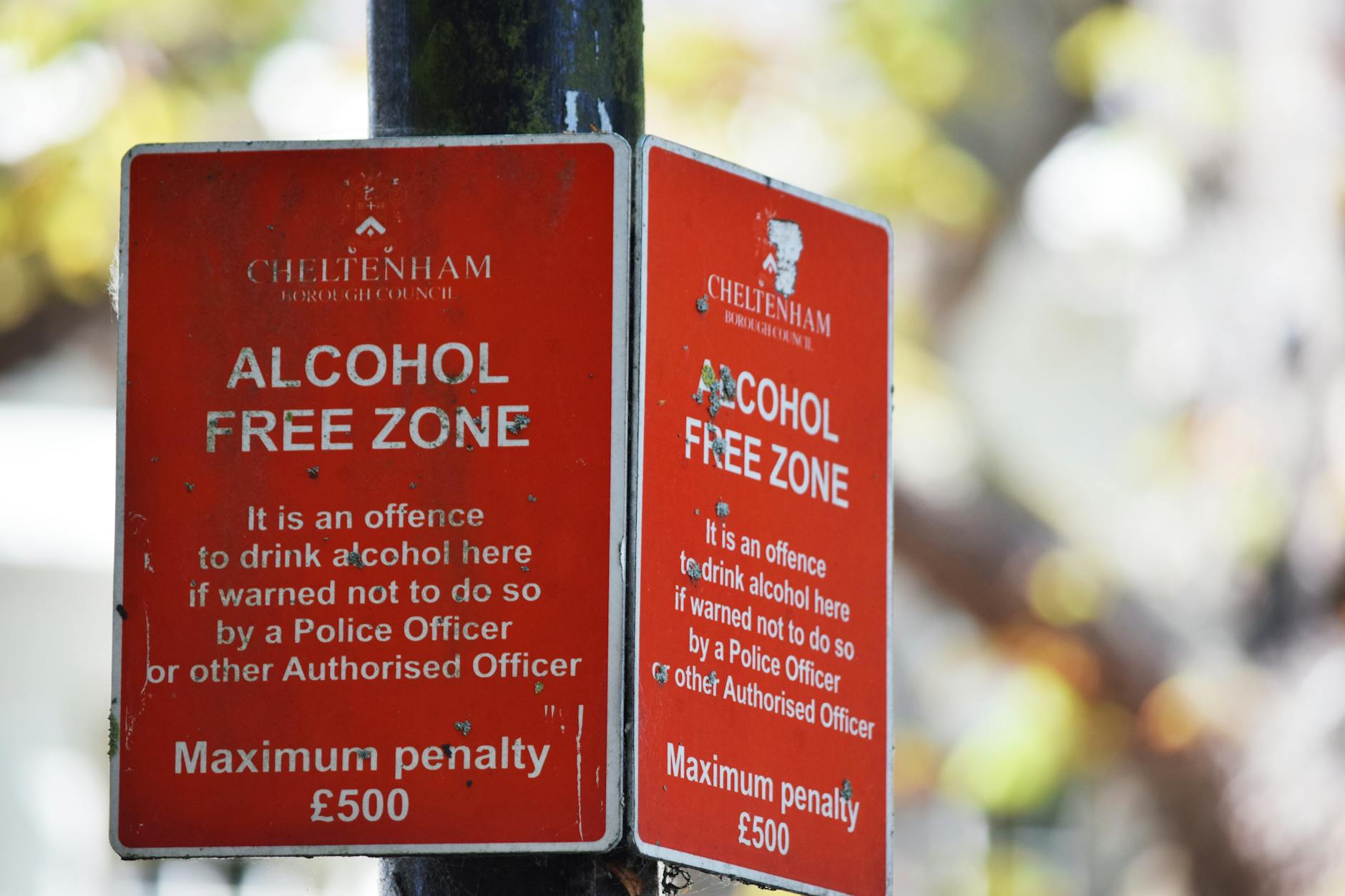
In the UK, summary offences represent the least serious category of criminal offences. These are typically minor crimes that do not require a jury trial and are handled swiftly through magistrates' courts. Examples include petty theft, minor assaults, and public order offences. The streamlined process aims to efficiently manage less severe cases, ensuring justice is served without overburdening the court system.
Navigating legal procedures for summary offences involves understanding the potential penalties and the court process. Magistrates have the authority to impose fines, community service, or even custodial sentences of up to six months. According to legal experts, the majority of summary offences result in non-custodial penalties, with imprisonment reserved for repeat or particularly egregious cases.
Defendants facing summary offences must adhere to strict legal procedures. This includes attending court hearings, presenting evidence, and potentially negotiating plea bargains. The Crown Prosecution Service (CPS) plays a crucial role in determining the evidence's strength and advising on the best course of action. Efficient legal representation can significantly impact the outcome, ensuring a fair and just resolution.
Potential Reforms and Their Implications

In the UK, summary offences—less serious crimes—currently face a maximum jail term of six months. This limit has sparked debate about its adequacy in addressing certain offences. Some legal experts argue that the six-month cap can hinder effective sentencing, particularly for repeat offenders or more severe summary offences. For instance, persistent anti-social behavior or certain fraud cases might warrant longer sentences to deter recurrence.
Reforming the maximum sentence length for summary offences could have significant implications. Extending the limit might allow courts to impose more proportionate sentences, aligning punishments with the severity of the crime. However, critics warn of potential overcrowding in prisons and the strain on resources. According to a recent report, the UK prison population has been steadily increasing, raising concerns about the capacity to accommodate additional inmates.
A potential alternative to increasing jail terms is expanding community sentences. These could include unpaid work, curfews, or rehabilitation programs. Such measures might offer a more effective deterrent while addressing the root causes of crime. Legal scholars suggest that a balanced approach—combining stricter penalties for severe offences with rehabilitative measures for lesser ones—could improve the justice system's overall effectiveness.
Any reform would require careful consideration of the implications for both offenders and the justice system. Striking the right balance between deterrence and rehabilitation remains a key challenge. Policymakers must weigh the potential benefits of longer sentences against the risks of overburdening the prison system. Ultimately, the goal should be to create a fair and effective system that protects society while promoting rehabilitation.
Summary offences in the UK represent a category of less serious crimes, typically tried in a magistrates' court and carrying penalties up to six months' imprisonment. These offenses, ranging from minor assaults to public order breaches, often involve straightforward legal procedures and no jury trials. To navigate potential legal issues, individuals should familiarize themselves with the specific laws and seek legal advice when necessary. As the legal landscape continues to evolve, staying informed about changes to summary offenses will remain crucial for both the public and legal professionals.
Need this answered for your specific case?
Get a flat-fee consultation with a verified U.S. immigration attorney. Engagement letter on every paid consult.
Related guides
This guide provides general legal information and does not create an attorney–client relationship. Information accurate as of July 2026. Always verify current USCIS guidance before acting.