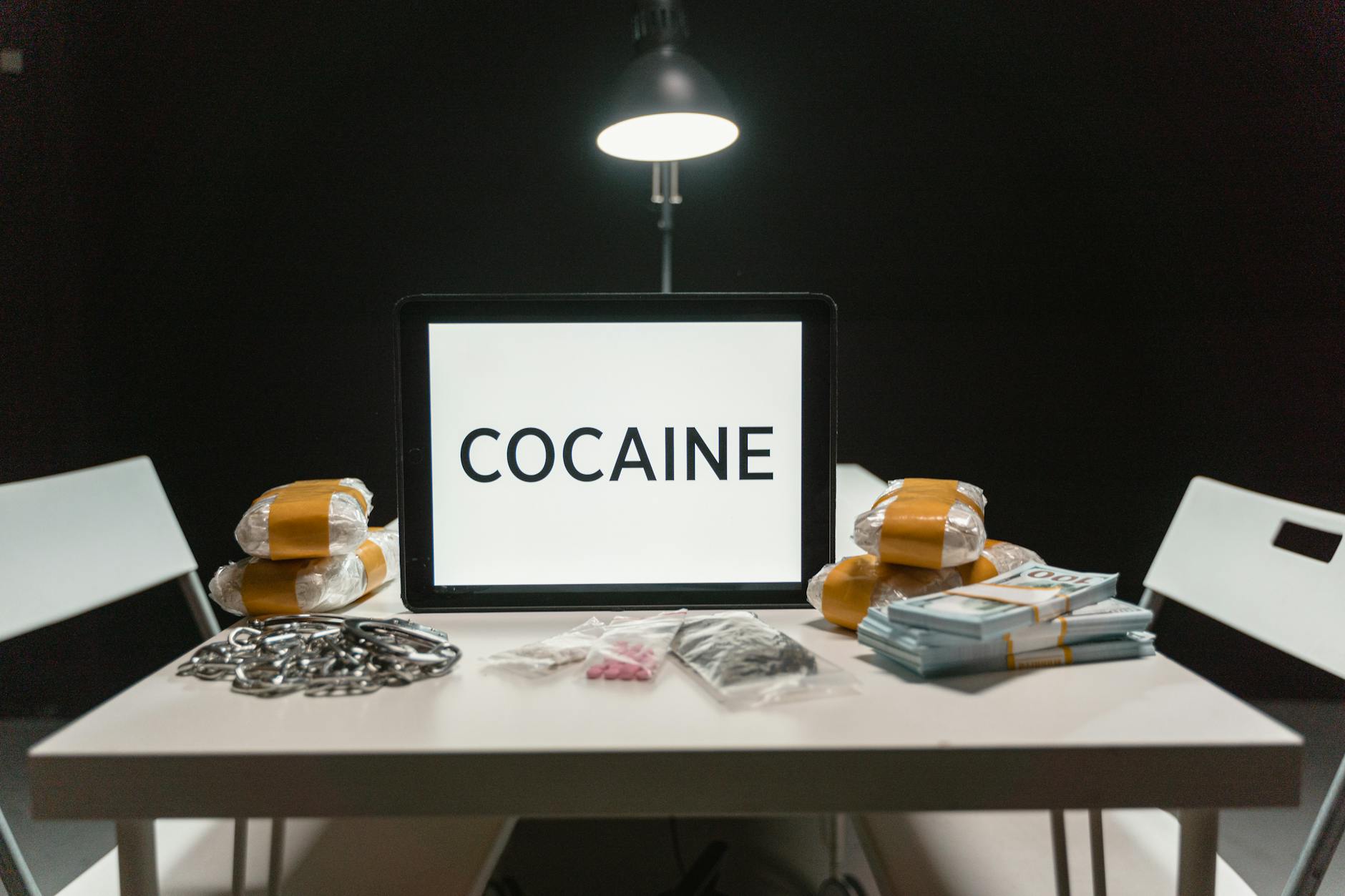
Drug paraphernalia laws have seen a significant shift in recent years, with arrests for possession rising by 15% since 2020. These laws, often overlooked in broader discussions about drug policy, play a crucial role in shaping enforcement and public health outcomes. Understanding their nuances is essential for navigating the legal landscape.
So, what is drug paraphernalia law? At its core, it refers to the legal framework governing the sale, possession, and use of items designed for facilitating drug consumption. From pipes to scales, these laws vary widely by state and country, creating a complex web of regulations. What is drug paraphernalia law? It is not just about criminalizing objects but also about addressing public health and safety concerns. For individuals, understanding these laws can mean the difference between a minor infraction and serious legal consequences.
Origins of drug paraphernalia legislation

The origins of drug paraphernalia legislation in the United States trace back to the 1970s, a period marked by rising concerns over substance abuse. The Comprehensive Drug Abuse Prevention and Control Act of 1970 laid initial groundwork, but it was the subsequent passage of the Drug Paraphernalia Prevention Act of 1986 that significantly tightened regulations. This act aimed to curb the sale and distribution of items designed for illicit drug use, reflecting a broader societal shift towards stricter drug policies.
Lawmakers faced challenges in defining drug paraphernalia, as the term encompasses a wide range of objects. From pipes and bongs to syringes and scales, the legislation sought to address the tools facilitating drug use. Courts played a crucial role in interpreting these laws, often relying on factors like intent and design to determine whether an item qualified as paraphernalia. This legal ambiguity led to varied enforcement across states, creating a patchwork of regulations.
A study by the Drug Policy Alliance revealed that drug paraphernalia laws disproportionately affected low-income communities and people of color. Critics argued that these laws often criminalized possession of common items, such as rolling papers or grinders, without clear evidence of intent. Despite these concerns, the legislation persisted, evolving to address new challenges posed by emerging drugs and technologies.
Over the decades, drug paraphernalia laws have undergone numerous amendments and reinterpretations. The rise of online marketplaces and cryptocurrencies, for instance, has prompted updates to address modern distribution methods. Legal experts continue to debate the effectiveness and fairness of these laws, highlighting the complex interplay between public health and criminal justice.
Defining what constitutes drug paraphernalia

Drug paraphernalia laws target objects used in the cultivation, manufacturing, packaging, or consumption of controlled substances. These items range from obvious tools like bongs and syringes to more innocuous objects that can be repurposed, such as spoons or pipes. The Drug Enforcement Administration (DEA) provides a comprehensive list of items that typically fall under this category, emphasizing the intent of use as a key factor in classification.
According to a 2023 report by the National Drug Intelligence Center, over 70% of drug-related arrests in the U.S. involve paraphernalia charges. This statistic underscores the significance of understanding what constitutes drug paraphernalia. Legal experts often highlight that the context in which an item is found plays a crucial role in determining its classification. For instance, a common household item might be considered paraphernalia if it is found in proximity to drugs or other incriminating evidence.
Courts frequently rely on circumstantial evidence to establish intent. Factors such as residue, user instructions, or proximity to controlled substances can influence a judge's decision. The subjective nature of these laws means that interpretations can vary widely between jurisdictions. This variability makes it essential for individuals to stay informed about local regulations and legal precedents. Understanding these nuances can help avoid unintended legal consequences.
State versus federal drug paraphernalia laws
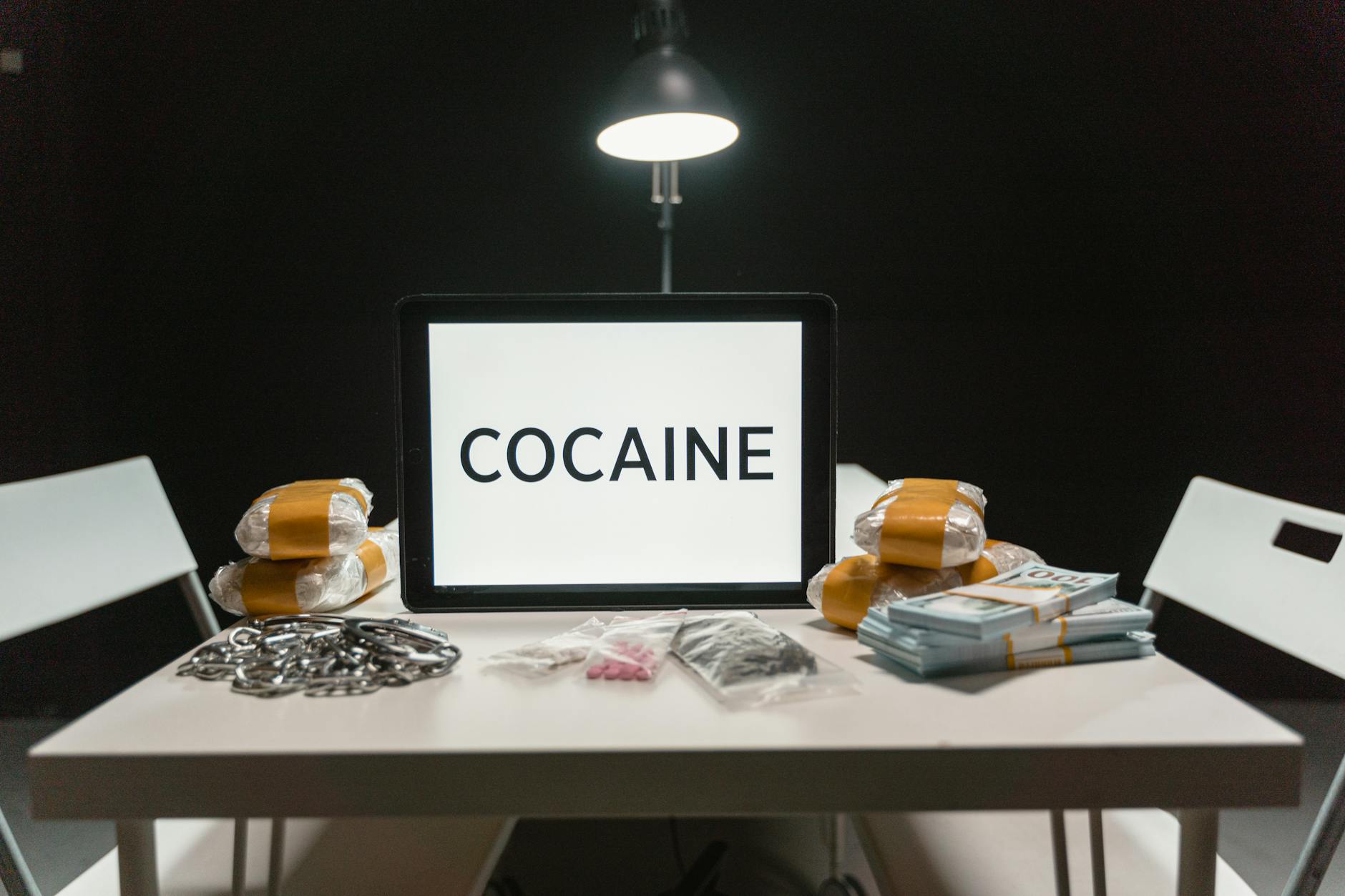
Drug paraphernalia laws in the United States operate on both state and federal levels, creating a complex legal landscape. Federal law, as outlined in the Controlled Substances Act, prohibits the sale or possession of items primarily intended for drug use. This includes pipes, bongs, and syringes, among others. The law also targets advertisements promoting such items, making it illegal to distribute literature encouraging their use.
State laws vary significantly. Some states have decriminalized certain paraphernalia, particularly in areas where marijuana use is legal. For instance, Colorado and California have specific regulations that align with their legal cannabis markets. However, other states maintain strict prohibitions, with penalties ranging from fines to imprisonment. According to the National Conference of State Legislatures, at least 14 states have laws that specifically address drug paraphernalia related to marijuana.
A legal expert from a prominent law firm notes that the interplay between state and federal laws can create confusion. While federal law remains stringent, state-level decriminalization efforts have led to a patchwork of regulations. This discrepancy can impact enforcement and prosecution, particularly in states where drug policies are more lenient. Understanding these nuances is crucial for both law enforcement and individuals navigating the legal system.
Penalties for violating drug paraphernalia laws can be severe. Federal convictions may result in up to three years in prison and substantial fines. State penalties vary but can include jail time, probation, and mandatory drug education programs. The inconsistency between state and federal laws underscores the importance of staying informed about local regulations. Individuals should consult legal professionals to understand the specific laws in their jurisdiction.
Penalties and enforcement across jurisdictions

Penalties for drug paraphernalia possession vary significantly across jurisdictions. In some states, possession can lead to misdemeanor charges with fines up to $1,000 and potential jail time. Other regions may treat it as a felony, especially with repeat offenses or when paraphernalia is used near schools. According to a 2023 report by the National Drug Policy Alliance, over 150,000 people were arrested for paraphernalia-related offenses in the U.S. alone.
Enforcement also differs. Some law enforcement agencies prioritize possession of items like bongs or syringes, while others focus on larger-scale distribution networks. A drug policy expert notes that prosecutors often use paraphernalia charges to build cases against individuals suspected of broader drug-related activities.
International laws present another layer of complexity. Countries like Canada have decriminalized certain items, while others impose strict penalties. Travelers must be particularly cautious, as penalties can be severe for those caught with paraphernalia in jurisdictions with zero-tolerance policies.
Emerging trends in drug paraphernalia legislation
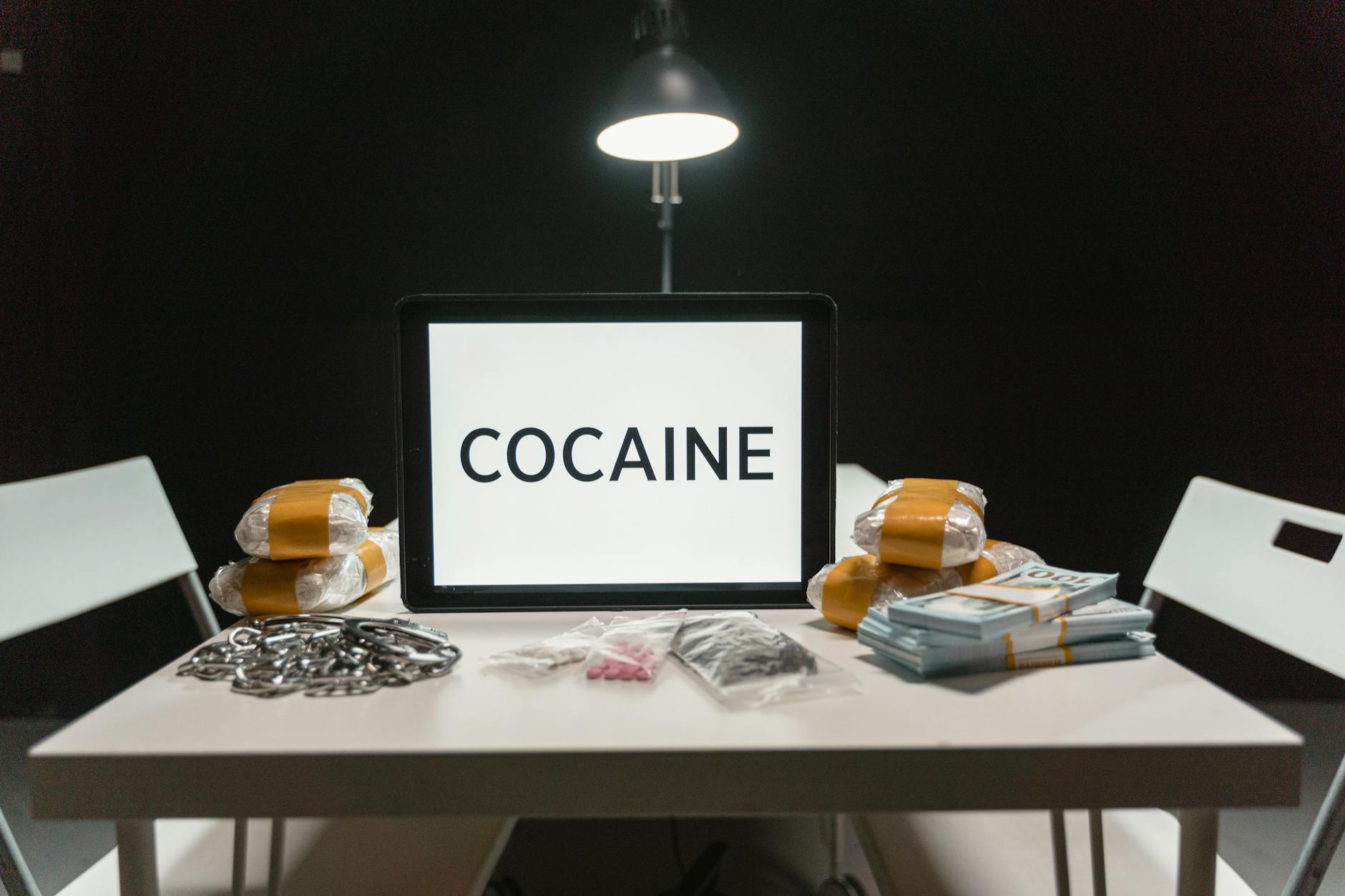
Drug paraphernalia laws have evolved significantly in recent years, reflecting shifting attitudes toward substance use and public health. These laws target objects used to produce, consume, or conceal illicit drugs. The legal definition varies by jurisdiction, but common items include pipes, bongs, syringes, and scales. Some states have expanded their definitions to include digital tools like encrypted messaging apps, which facilitate drug transactions.
One emerging trend is the decriminalization of certain paraphernalia in states where cannabis has been legalized. For instance, possession of rolling papers or grinders may no longer result in criminal charges. However, penalties can still apply if the items are associated with controlled substances. According to a recent study, 34 states have decriminalized marijuana to some extent, which has influenced their approach to paraphernalia laws.
Another notable development is the increased scrutiny on online sales of drug-related items. Authorities are cracking down on websites that sell paraphernalia, particularly those that circumvent local regulations. Law enforcement agencies are collaborating with tech companies to monitor and shut down these platforms. Experts suggest that this trend will continue as digital marketplaces become more sophisticated.
Drug paraphernalia laws in 2024 remain complex, with definitions and penalties varying significantly across jurisdictions. At their core, these laws aim to curb drug use by targeting the tools associated with it, but they often spark debate over their effectiveness and potential for misuse. To navigate these laws safely, individuals should educate themselves about local regulations and consult legal professionals when in doubt. As societal attitudes toward drug use continue to evolve, these laws will likely face ongoing scrutiny and potential reform, shaping the legal landscape in the years to come.
Need this answered for your specific case?
Get a flat-fee consultation with a verified U.S. immigration attorney. Engagement letter on every paid consult.
Related guides
This guide provides general legal information and does not create an attorney–client relationship. Information accurate as of July 2026. Always verify current USCIS guidance before acting.