
Police officers in the United States make approximately 10 million arrests each year, a staggering number that underscores the immense responsibility these law enforcement professionals carry. Their ability to perform these duties effectively hinges on a clear understanding of their legal authority, commonly referred to as police powers under U.S. law. These powers are not arbitrary; they are carefully defined and circumscribed by constitutional provisions and statutory law, ensuring a delicate balance between public safety and individual rights.
Understanding what are police powers under U.S. law is crucial for both law enforcement officers and the communities they serve. These powers encompass a range of authorities, from the ability to detain and arrest individuals to the authority to search and seize property. What are police powers under U.S. law also includes the authority to use reasonable force when necessary. A solid grasp of these powers helps officers perform their duties lawfully and effectively, while also empowering citizens to understand their rights and obligations in interactions with law enforcement.
The Foundation of Police Authority

Police powers in the United States stem from a complex interplay of federal, state, and local laws. At their core, these powers are granted to maintain public order, enforce laws, and protect citizens. The foundation lies in the concept of "police power," a broad authority held by governments to promote public welfare. This includes powers to regulate health, safety, and morals, as outlined in constitutional law.
A critical aspect of police authority is the power to arrest. Officers can make arrests when they have probable cause to believe a crime has been committed. This power is balanced by the Fourth Amendment, which protects citizens from unreasonable searches and seizures. According to legal experts, this balance is essential to prevent abuse of police powers.
Another key component is the power to investigate. Police have the authority to gather evidence, interview witnesses, and conduct searches, provided they follow legal procedures. This power is crucial for solving crimes and ensuring justice. However, it is not absolute and must be exercised within the bounds of the law.
Police powers also extend to the use of force. Officers are authorized to use reasonable force to apprehend suspects, maintain order, and protect themselves and others. The use of force is highly regulated and must comply with constitutional standards. Violations can lead to serious legal consequences for officers and departments.
Key Powers Granted by Law

Under U.S. law, police powers are broad and critical for maintaining public order. The most fundamental power is the authority to arrest individuals suspected of committing crimes. This power is granted under the Fourth Amendment, which protects against unreasonable searches and seizures. However, police must have probable cause to make an arrest, a standard established through numerous court rulings. This balance ensures that law enforcement can act decisively while protecting individual rights.
Another key power is the authority to conduct searches and seizures. Police can search a person, their property, or their vehicle under specific circumstances, such as with a warrant or if there is probable cause to believe a crime is being committed. According to the American Civil Liberties Union, police conduct approximately 10 million searches and seizures annually. This power is essential for gathering evidence but must be exercised judiciously to avoid violations of constitutional rights.
Police also have the power to use reasonable force when necessary. This includes the use of non-lethal and lethal force in situations where there is an immediate threat to officer or public safety. Courts have consistently ruled that the use of force must be proportional to the threat. For instance, the Supreme Court's ruling in Graham v. Connor established that the "objective reasonableness" standard applies to all use-of-force situations. This power is among the most scrutinized due to its potential for abuse and the severe consequences it can have.
Finally, police have the authority to detain individuals temporarily for investigative purposes. This power, known as a "Terry stop," allows officers to briefly detain a person if they have reasonable suspicion that the individual is involved in criminal activity. The Supreme Court's decision in Terry v. Ohio set the precedent for this power, balancing public safety with individual liberties. This authority is crucial for preventing crimes but must be used with caution to avoid infringing on civil rights.
How These Powers Are Applied Daily

Police powers under U.S. law are not just theoretical concepts; they are actively applied daily to maintain public order and safety. One of the most visible applications is the power of arrest. Officers use this authority to detain individuals suspected of committing crimes, ensuring they can be brought to justice. This power is exercised thousands of times each day across the country, with the FBI reporting over 10 million arrests annually. However, it must be executed with caution to avoid violations of constitutional rights.
Another critical application is the power to conduct searches and seizures. This power allows law enforcement to gather evidence, but it is constrained by the Fourth Amendment, which protects against unreasonable searches. Officers must often obtain warrants or have probable cause to conduct searches legally. This balance between investigative needs and individual rights is a daily challenge for police departments nationwide.
Police also wield the power of use of force, a highly regulated aspect of law enforcement. Officers receive extensive training to use force judiciously, employing techniques ranging from verbal commands to lethal force when necessary. The use of force is a contentious issue, with ongoing debates about the appropriate levels and circumstances for its application. According to a study by the National Police Foundation, the majority of use-of-force incidents involve minimal force, but high-profile cases often spark public scrutiny and calls for reform.
Finally, the power to enforce laws and regulations is a broad responsibility that touches nearly every aspect of public life. Police officers enforce traffic laws, investigate crimes, and respond to emergencies. This power is essential for maintaining community safety and order. However, it requires officers to navigate complex legal and social landscapes, often making split-second decisions that can have significant consequences. Effective law enforcement relies on a deep understanding of these powers and their responsible application.
Balancing Rights and Public Safety
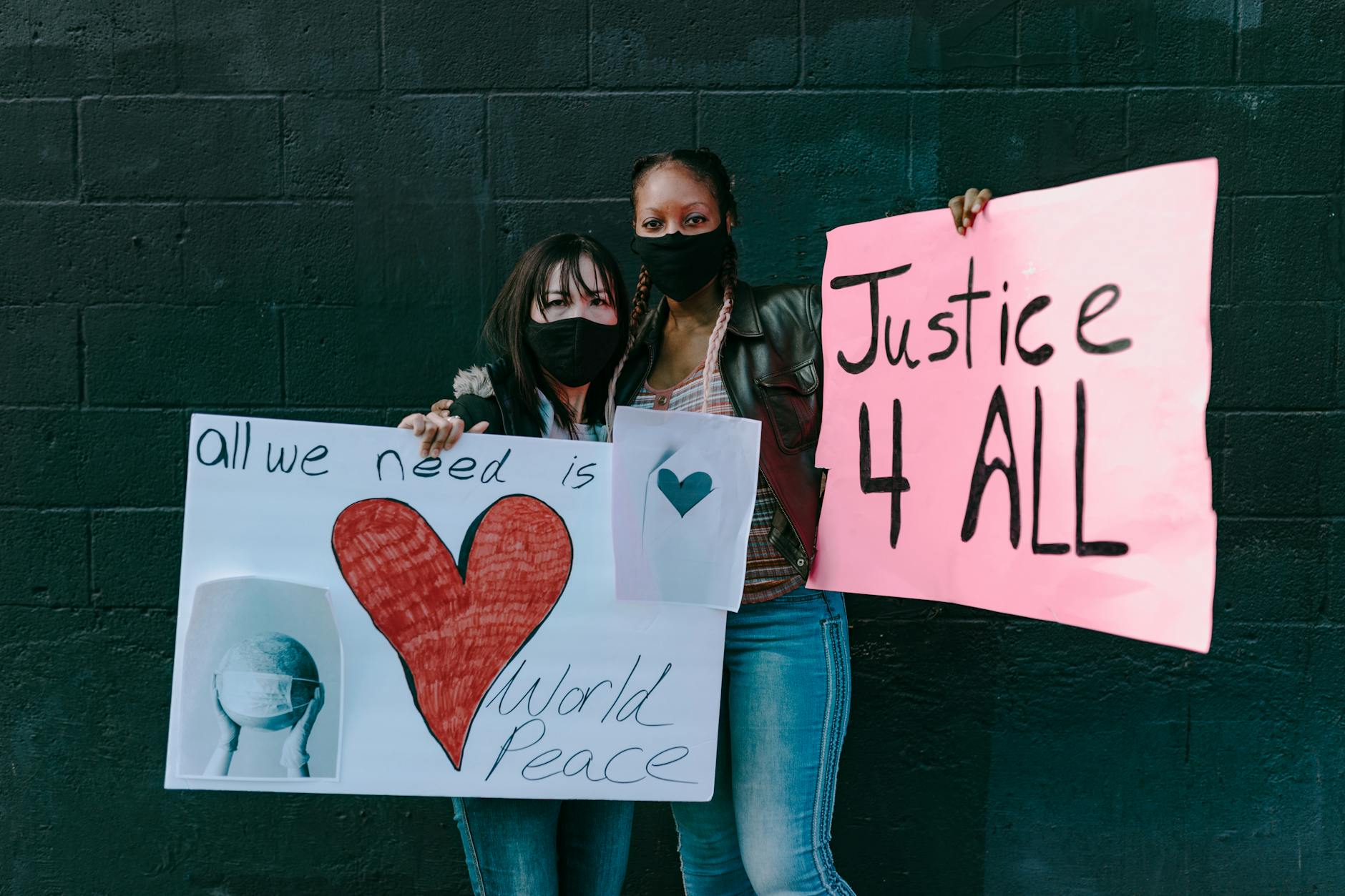
The delicate balance between individual rights and public safety lies at the heart of police powers in the United States. Law enforcement officers possess broad authority to maintain order, but these powers are not absolute. The Fourth Amendment protects citizens from unreasonable searches and seizures, requiring police to obtain warrants in most cases. However, exceptions exist for exigent circumstances, such as hot pursuit or imminent danger.
Police powers also extend to the use of force, governed by the Fourth Amendment's "objective reasonableness" standard. The Supreme Court has ruled that officers may use deadly force when they have probable cause to believe a suspect poses a significant threat. A study by the National Institute of Justice found that police use of force incidents account for less than 1% of all police-citizen encounters, highlighting the rarity of such events.
Qualified immunity often shields officers from liability in civil lawsuits, creating tension between accountability and protection. Critics argue this doctrine undermines police accountability, while proponents contend it safeguards officers from frivolous claims. The debate underscores the complex interplay between police powers and the rights they are sworn to uphold.
Community policing initiatives have emerged as a means to bridge the gap between law enforcement and the public. By fostering trust and collaboration, these programs aim to enhance public safety while respecting individual rights. The effectiveness of such approaches varies, but they represent a growing trend in modern policing strategies.
Evolving Police Powers in Modern Society

Police powers in the U.S. have evolved significantly, adapting to societal changes and technological advancements. The rise of digital crimes, for instance, has led to expanded cybercrime investigation units. A 2022 report from the National Police Foundation highlighted a 300% increase in cybercrime-related police units over the past decade. This evolution reflects the dynamic nature of law enforcement's role in maintaining public safety.
One notable shift involves the use of predictive policing algorithms. These tools analyze data to forecast crime hotspots, enabling proactive policing. However, critics argue that such methods can inadvertently perpetuate biases present in historical data. The debate underscores the delicate balance between leveraging technology and ensuring fairness in policing.
Community policing has also gained traction as a strategy to build trust between law enforcement and residents. Programs like neighborhood watch partnerships aim to foster collaboration. Experts emphasize that effective community policing requires consistent engagement and transparency. This approach not only enhances public safety but also strengthens the social fabric of communities.
Additionally, the legal framework governing police powers continues to adapt. Courts frequently revisit Fourth Amendment protections in light of new surveillance technologies. These legal adjustments ensure that police powers remain constitutional while addressing contemporary challenges. The ongoing evolution of police powers reflects a commitment to balancing security and civil liberties in modern society.
Understanding the four key police powers—preventive patrol, order maintenance, emergency response, and criminal investigation—reveals the foundation of law enforcement's role in U.S. society. These powers, granted by the community and upheld by the legal system, ensure public safety and uphold the rule of law. To navigate interactions with law enforcement effectively, citizens should familiarize themselves with these powers and their limitations, empowering themselves with knowledge of their rights and responsibilities. As society evolves, so too will the application and interpretation of these powers, shaping the future of policing in America.
Need this answered for your specific case?
Get a flat-fee consultation with a verified U.S. immigration attorney. Engagement letter on every paid consult.
Related guides
This guide provides general legal information and does not create an attorney–client relationship. Information accurate as of August 2026. Always verify current USCIS guidance before acting.