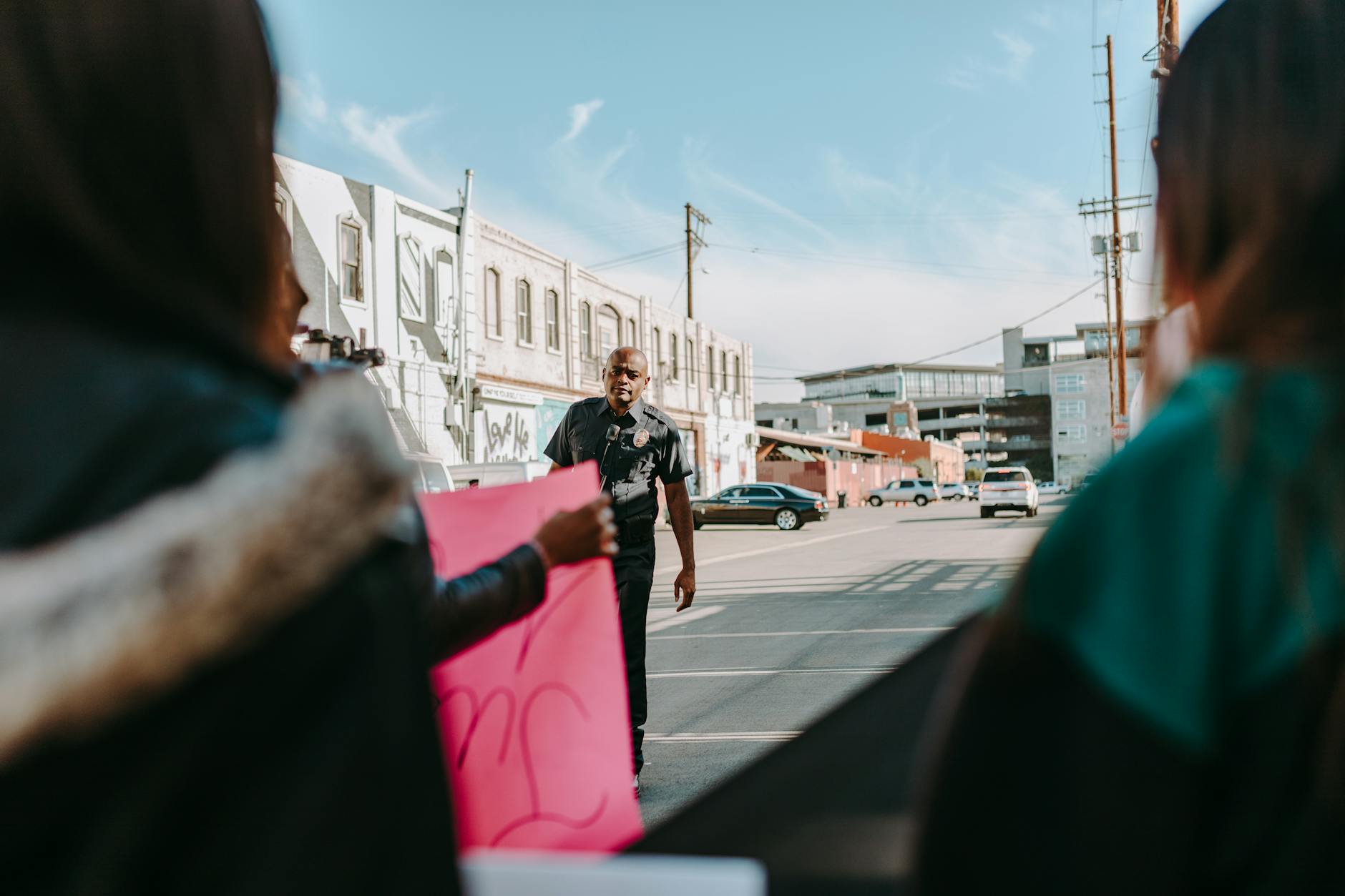
One in four adults in the United States lives with a disability, yet many remain unaware of their rights during police encounters. This lack of knowledge can lead to misunderstandings, escalations, and even violations of fundamental rights. Understanding these rights is not just a matter of personal safety; it is a crucial step toward ensuring equal protection under the law.
What Are Disability Rights With Police? They are legal protections designed to safeguard individuals with disabilities during interactions with law enforcement. These rights stem from various laws, including the Americans with Disabilities Act (ADA) and the Fourth Amendment. Knowing What Are Disability Rights With Police empowers individuals to advocate for themselves or others, fostering safer and more respectful encounters. This article explores five key rights that everyone should be aware of.
Recognizing Your Rights
Disability rights during police encounters are grounded in fundamental legal principles that protect individuals from discrimination and ensure equal treatment under the law. The Americans with Disabilities Act (ADA) is a cornerstone of these protections, mandating that law enforcement agencies provide reasonable accommodations to individuals with disabilities. This includes adapting communication methods, allowing for assistance from support persons, and avoiding unnecessary restraints that could exacerbate a disability.
According to the Bureau of Justice Statistics, individuals with disabilities are more likely to experience police violence than those without disabilities. This stark reality underscores the importance of recognizing and asserting one's rights. Police officers are required to understand and respect these rights, ensuring that encounters are conducted in a manner that does not disadvantage individuals due to their disabilities.
Expert consensus emphasizes that disability rights in police encounters extend beyond legal mandates. They encompass a duty of care, where officers must recognize the unique needs of individuals with disabilities and respond appropriately. This includes being aware of potential triggers, understanding the impact of certain actions, and ensuring that interactions are conducted with empathy and professionalism.
Key Rights Under the Law

Under the law, individuals with disabilities possess specific rights during police encounters. These rights ensure fair treatment and protection from discrimination. For instance, the Americans with Disabilities Act (ADA) mandates that law enforcement must provide reasonable accommodations to individuals with disabilities. This might include allowing extra time for communication or using alternative methods to gather information.
A critical right is the protection against unreasonable force. Police officers must use the same level of force as they would with any other individual in similar circumstances. According to a report by the National Council on Disability, people with disabilities are more likely to experience excessive force during encounters with law enforcement. This underscores the importance of adhering to these rights.
Another key right is the right to be free from discrimination based on disability. Law enforcement officers cannot target or profile individuals solely because of their disability. This right is essential for ensuring equal protection under the law. Additionally, individuals with disabilities have the right to request an officer who is trained in disability awareness if they feel uncomfortable with the current officer.
Understanding these rights empowers individuals with disabilities and promotes fair treatment during police encounters. Knowing these protections can help individuals advocate for themselves and seek justice if their rights are violated. It is crucial for both the public and law enforcement to be aware of these rights to foster a more inclusive and equitable society.
Interacting With Police
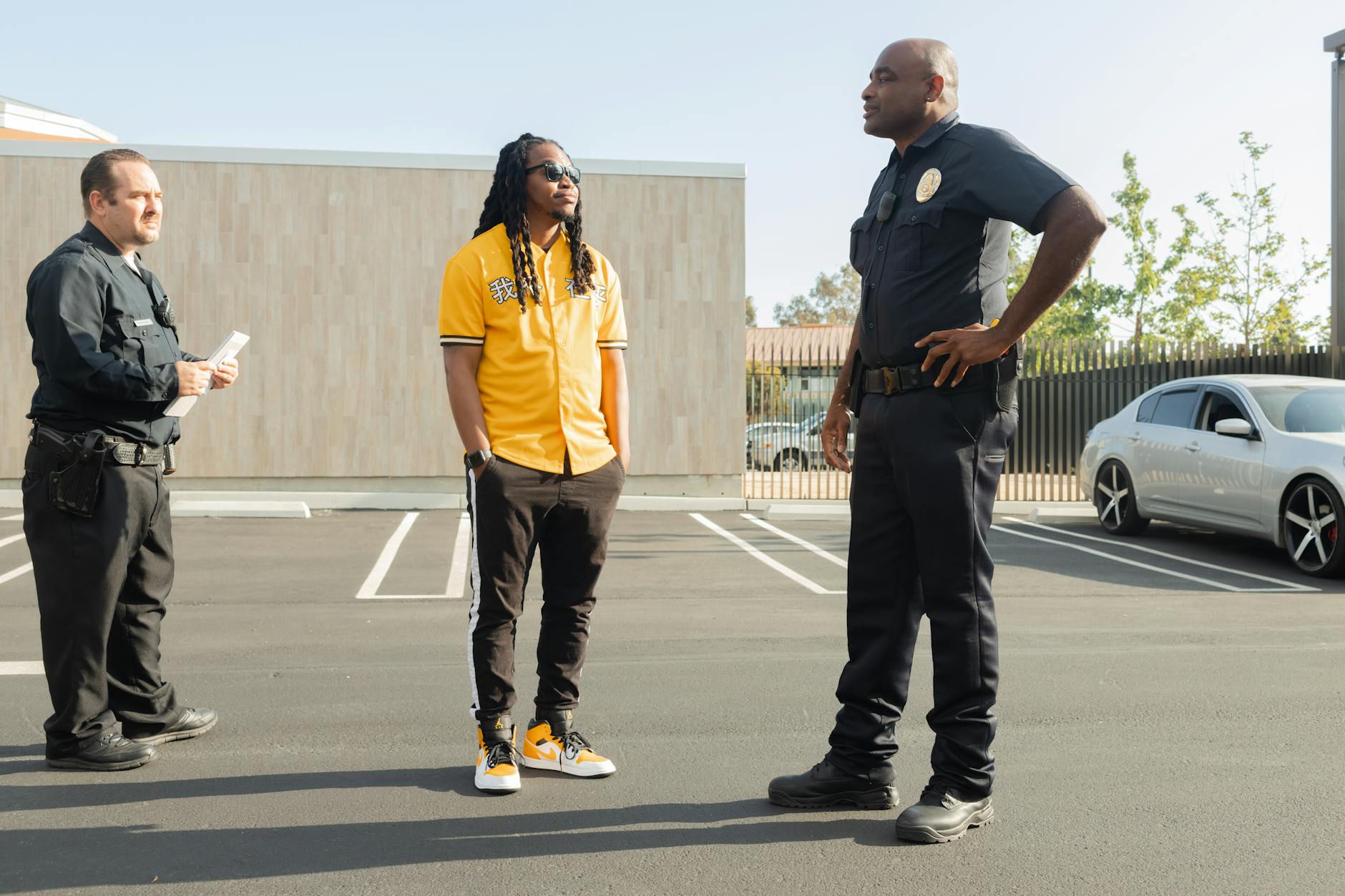
Interacting with police can be stressful for anyone, but individuals with disabilities often face unique challenges. According to the American Civil Liberties Union, people with disabilities are more likely to experience police violence. It's crucial to understand the rights that protect them during these encounters.
One key right is the accommodation of disabilities. Police officers should make reasonable efforts to communicate effectively with individuals who have sensory or cognitive disabilities. This might involve using simple language, providing written instructions, or allowing a support person to assist with communication.
Individuals with disabilities also have the right to be free from discrimination. Police cannot target someone solely based on their disability. If an officer's actions are influenced by a person's disability, it may constitute discrimination under the law. Documenting the encounter can be helpful in such cases.
In situations where an individual's disability affects their behavior, police should consider alternative responses. For instance, a person with autism might become agitated during an encounter. Officers should be trained to recognize signs of distress and de-escalate the situation rather than resorting to force.
Knowing these rights can empower individuals with disabilities and their advocates. The National Council on Independent Living emphasizes the importance of education and training for both the public and law enforcement. Understanding these rights is a step toward ensuring fair and respectful treatment for all.
Advocacy and Support

Disability rights during police encounters are a critical aspect of ensuring equal protection under the law. Individuals with disabilities often face unique challenges when interacting with law enforcement. According to the American Civil Liberties Union, people with disabilities are more likely to experience police violence. This underscores the need for clear guidelines and robust advocacy to protect their rights.
Advocacy groups play a pivotal role in raising awareness about these issues. They provide training for police officers on how to interact with individuals who have disabilities. This training includes recognizing different types of disabilities and understanding how to de-escalate situations effectively. By fostering better communication and understanding, these efforts help to reduce the risk of harm.
Support systems are equally important. Organizations offer resources and legal assistance to individuals with disabilities who have experienced police misconduct. These resources include hotlines, legal representation, and community support networks. By providing these services, advocacy groups empower individuals to assert their rights and seek justice when necessary.
Community involvement is crucial in advocating for disability rights. Local organizations often collaborate with law enforcement to develop policies that respect and protect the rights of people with disabilities. This collaborative approach ensures that the unique needs of this community are addressed. It also helps to build trust between law enforcement and individuals with disabilities.
Moving Forward Together

Disability rights during police encounters represent a critical intersection of civil liberties and public safety. These rights ensure individuals with disabilities receive fair and respectful treatment, free from discrimination or excessive force. The Americans with Disability Act (ADA) mandates reasonable accommodations, while the Supreme Court's Olmstead decision reinforces community integration over institutionalization. Together, these frameworks create a legal foundation for equitable treatment.
Advocates emphasize the importance of training officers to recognize and respond appropriately to disabilities. A study by the National Council on Disability found that individuals with disabilities face higher risks of harm during encounters. Proper training can reduce these risks by fostering understanding and de-escalation techniques. Police departments nationwide are increasingly adopting such programs, reflecting a growing commitment to inclusivity.
Community collaboration plays a vital role in advancing disability rights. Partnerships between law enforcement, disability organizations, and local governments create comprehensive support systems. These alliances ensure policies align with the needs of people with disabilities, fostering trust and cooperation. By working together, communities can build safer, more inclusive environments for all.
Moving forward, continued education and policy refinement are essential. Regular updates to training curricula and clear guidelines for officers can address evolving challenges. Disability rights advocates, legal experts, and law enforcement must collaborate to refine best practices. Together, they can create a future where every individual receives equal protection under the law.
Understanding disability rights during police encounters is crucial for ensuring equal protection and fair treatment. Individuals with disabilities have the right to reasonable accommodations, freedom from discrimination, and protection from excessive force. To navigate these interactions safely, individuals and their advocates should familiarize themselves with these rights and prepare accordingly, such as carrying documentation or having a support person present. As society continues to evolve, ongoing education and advocacy will be essential in upholding these rights and fostering more inclusive and equitable policing practices.
Need this answered for your specific case?
Get a flat-fee consultation with a verified U.S. immigration attorney. Engagement letter on every paid consult.
Related guides
This guide provides general legal information and does not create an attorney–client relationship. Information accurate as of July 2026. Always verify current USCIS guidance before acting.