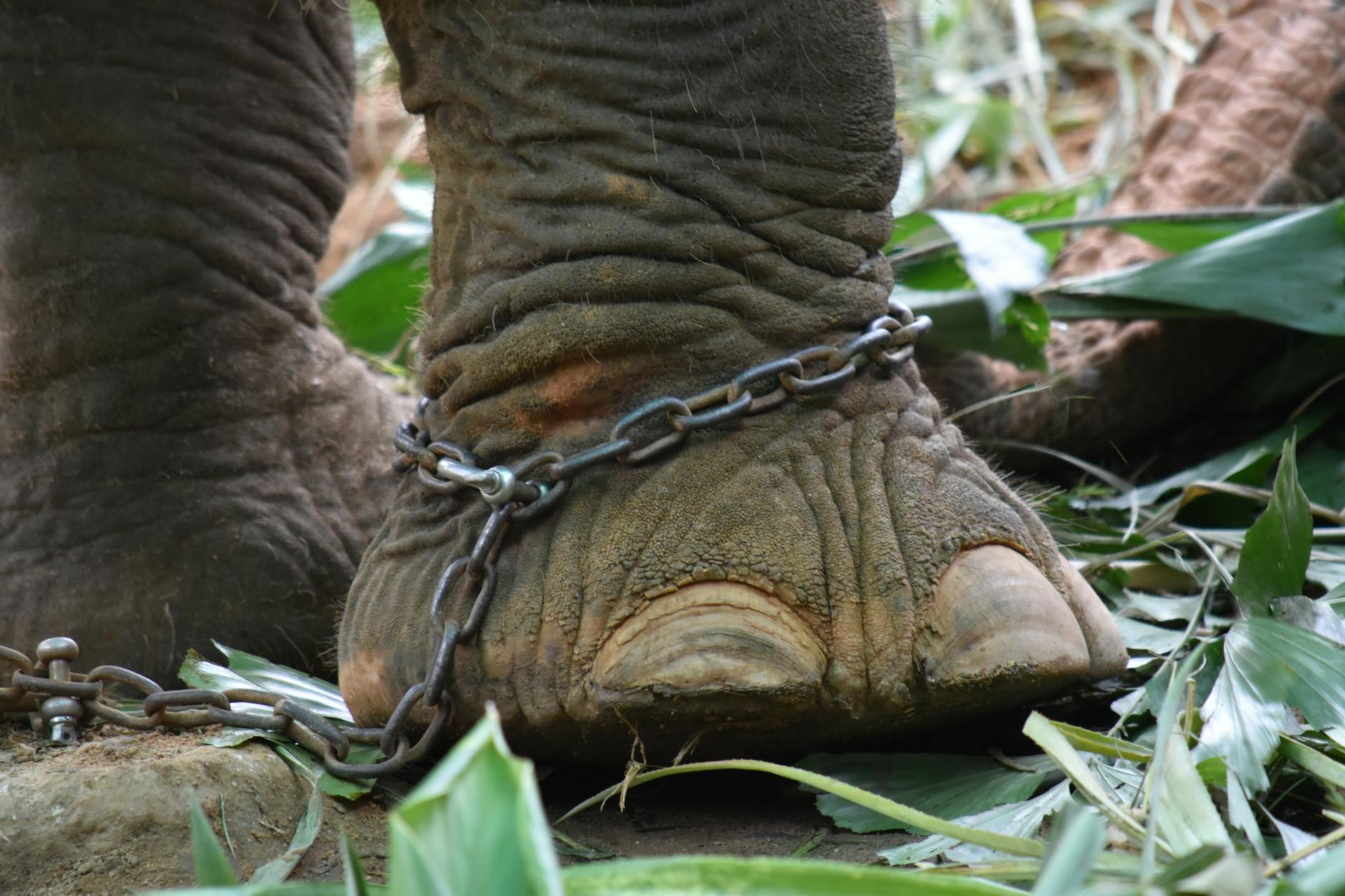
Every year, millions of children worldwide fall victim to exploitation, their innocence stolen in the shadows of society. These crimes, often hidden in plain sight, leave lasting scars on young lives. Child exploitation crime encompasses a range of heinous acts that prey on the vulnerability of minors, robbing them of their childhood and dignity.
Understanding child exploitation crime is crucial for recognition, prevention, and intervention. Child exploitation crime refers to any abuse of power or trust for sexual, financial, or labor gain at a child’s expense. It thrives in silence, making awareness and education vital tools in the fight against it. By examining the five most prevalent types of these crimes, society can better protect its most vulnerable members.
Defining Child Exploitation Crimes

Child exploitation crimes encompass a range of offenses where adults take advantage of children for personal or financial gain. These crimes often involve the abuse of power or trust, with perpetrators targeting vulnerable minors. The most common forms include sexual exploitation, forced labor, and trafficking. According to the International Labour Organization, nearly 152 million children worldwide are subjected to child labor, with many trapped in exploitative conditions.
Sexual exploitation stands out as one of the most heinous forms of child abuse. It includes activities like child pornography, prostitution, and online grooming. Perpetrators may use coercion, manipulation, or even violence to exploit children. The psychological and physical trauma inflicted on victims can have lifelong consequences. Law enforcement agencies worldwide are increasingly focusing on combating these crimes through specialized units and international cooperation.
Financial exploitation is another critical area of concern. This involves using children for illegal activities such as begging, pickpocketing, or drug trafficking. Perpetrators often exploit children’s innocence and lack of awareness to evade detection. The cycle of poverty and lack of education makes children more susceptible to such exploitation. Organizations like UNICEF work tirelessly to protect children from these crimes and provide support to victims.
Legal definitions of child exploitation vary by country, but they generally align with international human rights standards. These standards emphasize the need to protect children from harm and ensure their rights are upheld. Governments and non-governmental organizations collaborate to enforce these laws and provide resources for victims. Education and awareness campaigns play a crucial role in preventing child exploitation and promoting a safer environment for children.
Recognizing Common Exploitation Patterns
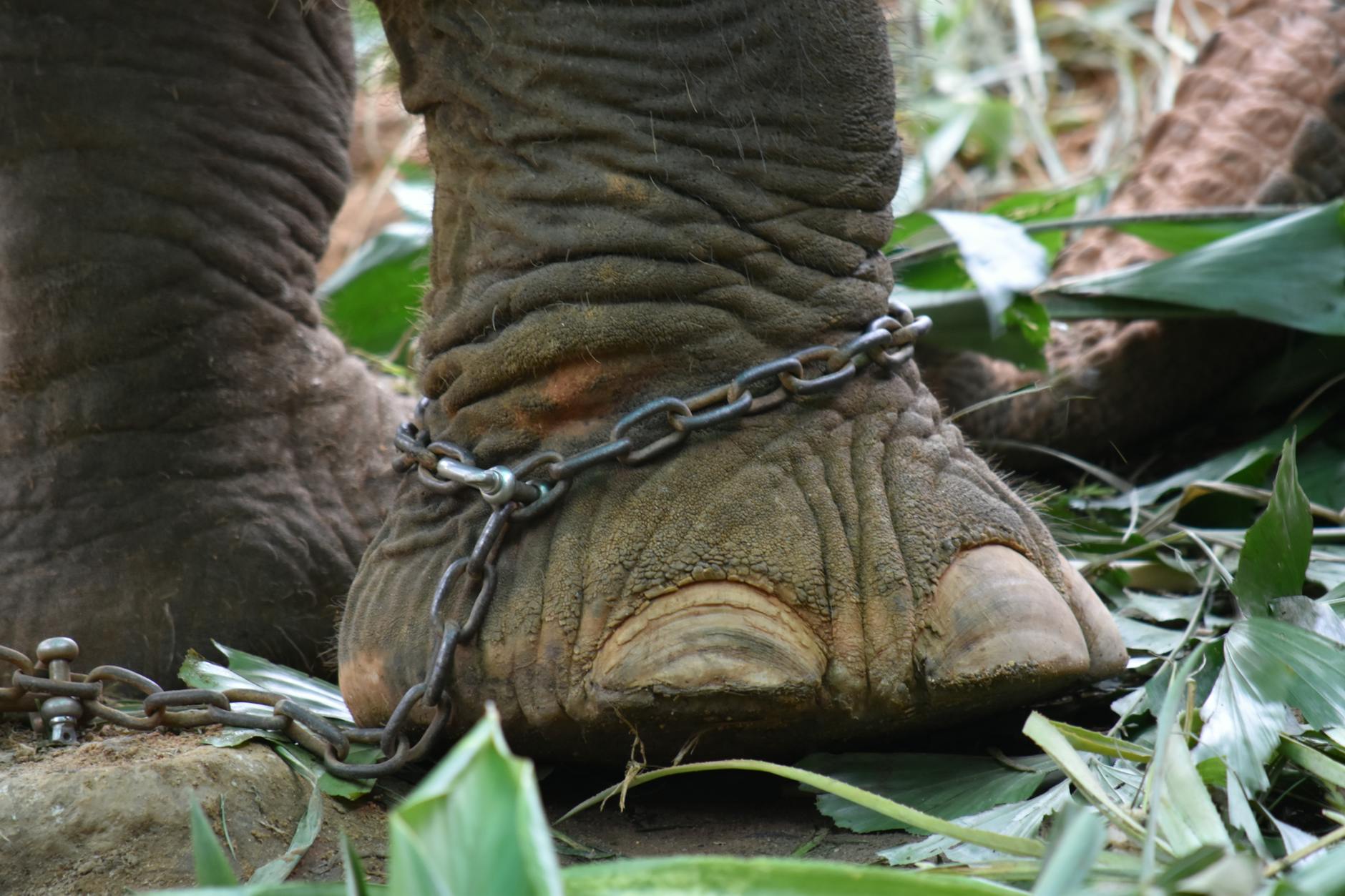
Child exploitation crimes manifest in various patterns, each with distinct warning signs. Grooming, for instance, involves perpetrators gradually building trust with a child and their family, often through gifts or special attention. This behavior may seem harmless at first, but it typically escalates to more sinister acts. Recognizing these early signs can prevent exploitation from progressing.
Another common pattern is the use of technology to exploit children. Perpetrators may use social media, online games, or other digital platforms to communicate with children. They often pose as peers or authority figures to gain the child’s trust. According to a report by the National Center for Missing & Exploited Children, online enticement cases have been steadily rising over the past decade. Parents and caregivers should monitor their child’s online activity and educate them about online safety.
Exploitation can also occur within families or close social circles. Abusers may use their position of trust to manipulate and control the child. This type of exploitation can be particularly challenging to detect, as the child may feel afraid or ashamed to speak out. Vigilance and open communication are key to identifying and preventing such abuse.
Financial exploitation is another pattern, where perpetrators may manipulate children into giving them money or valuables. This can happen through coercion, deception, or manipulation. It’s crucial for adults to teach children about financial responsibility and the dangers of exploitation.
Lastly, labor exploitation involves forcing children into work under harsh conditions for little or no pay. This can occur in various industries, including agriculture, manufacturing, and domestic work. The International Labour Organization estimates that 152 million children are subjected to child labor globally. Recognizing the signs of labor exploitation can help protect children from these harmful situations.
Impact on Victims and Communities
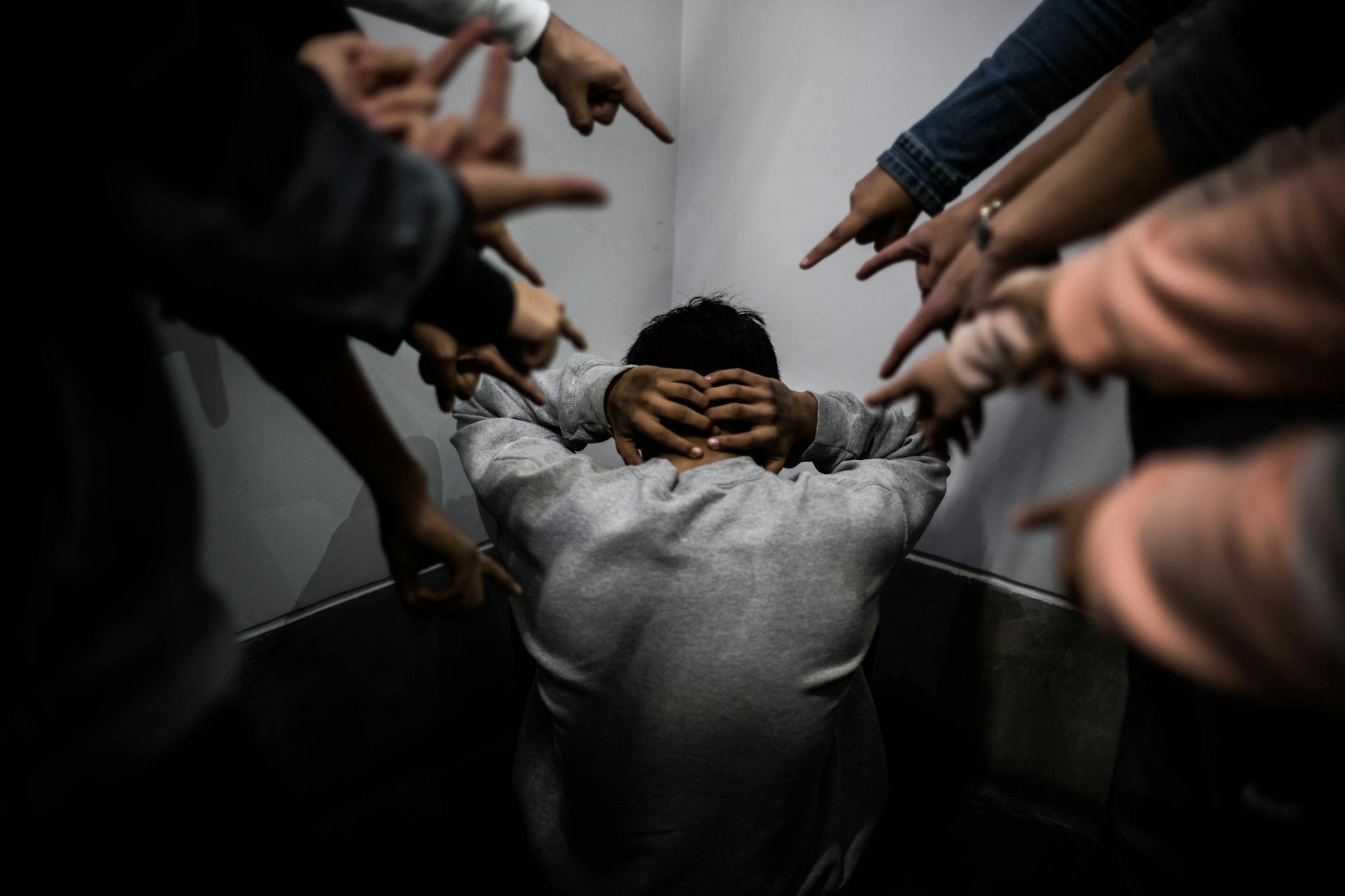
The impact of child exploitation crimes extends far beyond the immediate victims, rippling through families and communities. Children subjected to these crimes often suffer severe psychological trauma, including anxiety, depression, and post-traumatic stress disorder. These emotional scars can persist into adulthood, affecting their ability to form healthy relationships and lead fulfilling lives. The physical health of victims can also be compromised, with long-term consequences that may require extensive medical and therapeutic intervention.
Communities bear the brunt of these crimes in various ways. The presence of child exploitation can erode community cohesion, fostering mistrust and fear among residents. Local businesses may suffer as families avoid areas associated with such crimes. Law enforcement and social services often face increased demands, straining resources and diverting attention from other critical needs. The overall quality of life in affected communities can deteriorate, creating a cycle of despair that is difficult to break.
A study by the National Center for Missing & Exploited Children reveals that the average age of reported victims is just 15 years old. This statistic underscores the urgent need for comprehensive prevention and intervention strategies. Experts emphasize the importance of community involvement in protecting vulnerable children. By fostering a culture of vigilance and support, communities can play a pivotal role in mitigating the devastating effects of child exploitation.
Educational institutions also feel the impact, as exploited children often struggle academically and behaviorally. Teachers and school counselors may need additional training to identify and support victims effectively. The ripple effect of child exploitation can disrupt the learning environment, affecting not only the victims but also their peers. Addressing these challenges requires a collaborative effort involving educators, mental health professionals, and community leaders.
Legal Framework and Enforcement

Child exploitation crimes are governed by a complex legal framework that varies by jurisdiction. At the international level, the United Nations Convention on the Rights of the Child provides a foundational framework, while national laws often provide more specific definitions and penalties. These laws typically categorize offenses based on the type of exploitation, such as sexual exploitation, forced labor, or trafficking. The legal landscape is continually evolving to address emerging forms of exploitation, including online grooming and cybersex trafficking.
Enforcement of these laws is a multifaceted challenge. Law enforcement agencies often collaborate with international organizations and non-governmental entities to combat child exploitation. For instance, Interpol and Europol play crucial roles in coordinating cross-border investigations. However, disparities in legal systems and resource allocation can hinder effective enforcement, particularly in regions with weaker judicial infrastructures.
According to a report by a leading child rights organization, approximately 21 million children are victims of forced labor globally. This statistic underscores the urgent need for robust legal frameworks and enforcement mechanisms. Experts emphasize the importance of training law enforcement officers and judiciary personnel to handle these sensitive cases with the necessary expertise and compassion.
Preventing Exploitation Through Awareness

Child exploitation crimes thrive in silence. Awareness shatters that silence, creating a protective barrier around vulnerable children. Communities that understand the signs of exploitation are better equipped to intervene and prevent harm. Education campaigns, both online and offline, play a crucial role in spreading this awareness. They empower parents, teachers, and caregivers to recognize red flags and take appropriate action.
According to a report by a leading child protection organization, communities that participate in awareness programs see a 30% reduction in reported exploitation cases. This statistic underscores the power of knowledge in combating child exploitation. Workshops, seminars, and informational materials can make a significant difference. They provide practical tools for identifying and responding to potential exploitation situations.
Schools serve as vital hubs for awareness initiatives. They reach both children and adults, fostering a culture of vigilance and protection. Teachers, in particular, are often the first to notice changes in a child’s behavior that may indicate exploitation. Training programs equip them with the skills to handle such situations sensitively and effectively. By integrating awareness into the curriculum, schools can instill lifelong values of respect and protection in students.
Technology also plays a pivotal role in raising awareness. Social media platforms, websites, and mobile apps disseminate information quickly and widely. They can reach audiences that traditional methods might miss. Interactive tools, such as quizzes and simulations, engage users and reinforce learning. These digital resources make awareness campaigns more accessible and impactful. Together, these efforts create a safer environment for children, reducing the risk of exploitation.
Child exploitation crimes are grave offenses that inflict lasting harm on vulnerable young lives, encompassing various forms of abuse and manipulation. Recognizing the distinct types—sexual exploitation, labor exploitation, trafficking, online exploitation, and emotional abuse—is crucial for prevention and intervention. To combat these crimes, communities must prioritize education, awareness, and robust support systems for at-risk children. Moving forward, continued advocacy and stronger legal frameworks will be essential to protect children and hold perpetrators accountable.