
Australia's legal system recognizes 13 distinct types of assault charges, each carrying different penalties. This complexity underscores the seriousness with which the country treats violent crimes. Understanding these distinctions is crucial for anyone navigating the legal landscape or seeking to protect themselves.
What is considered assault in Australia encompasses a broad range of behaviors, from physical violence to threats and even indirect actions that cause harm. What is considered assault in Australia is not limited to overt acts but extends to situations where a person reasonably believes they are in imminent danger. This broad definition ensures that victims are protected, but it also means that individuals must be aware of the legal consequences of their actions, even if unintentional. Whether it's a minor altercation or a severe attack, understanding the nuances of assault charges can make a significant difference in legal outcomes.
Assault Defined in Australian Law

Australian law defines assault broadly, encompassing various behaviors that cause another person to fear immediate harm. At its core, assault involves an intentional act that creates a reasonable apprehension of unlawful violence. This can include threats, gestures, or even mere words if they instill a genuine fear of physical harm in the victim. The key element is the victim's perception of imminent danger, not necessarily the actual intent of the perpetrator.
Common assault, the most basic form, carries a maximum penalty of up to two years imprisonment. However, penalties can increase significantly depending on aggravating factors such as the use of weapons, the victim's vulnerability, or the severity of injuries inflicted. According to legal experts, the interpretation of assault can vary by jurisdiction, with each state and territory having its own nuances in defining and prosecuting these offenses.
Assault can also occur without physical contact. For instance, attempting to strike someone or even raising a fist in a threatening manner may constitute assault if the victim believes they are about to be harmed. The law recognizes that psychological harm can be as damaging as physical injury, hence the broad scope of assault definitions. Understanding these distinctions is crucial for both legal professionals and the general public to navigate the complexities of assault charges in Australia.
Common Types of Assault Charges

Assault charges in Australia encompass a broad range of offenses, each carrying distinct legal consequences. Common types include common assault, which involves intentional or reckless acts causing another person to apprehend immediate harm. This charge often results from threats, gestures, or minor physical contact. Statistics show that common assault accounts for a significant portion of all violent offenses reported annually.
Assault occasioning actual bodily harm is a more serious charge. It involves causing physical injury that is more than transient or trifling. This can include bruises, cuts, or other injuries requiring medical attention. Legal experts emphasize that the intent behind the act plays a crucial role in determining the severity of the charge.
Grievous bodily harm, another severe offense, involves acts causing substantial or permanent injury. This can include broken bones, disfigurement, or injuries leading to long-term disability. Courts often impose harsher penalties for these offenses, reflecting the severity of the harm inflicted.
Sexual assault charges involve non-consensual sexual acts. These offenses are taken extremely seriously, with stringent legal consequences. The legal system prioritizes the protection of victims and the prosecution of perpetrators in these cases. Understanding the nuances of each charge is essential for navigating the legal system effectively.
When Does Assault Become a Crime?
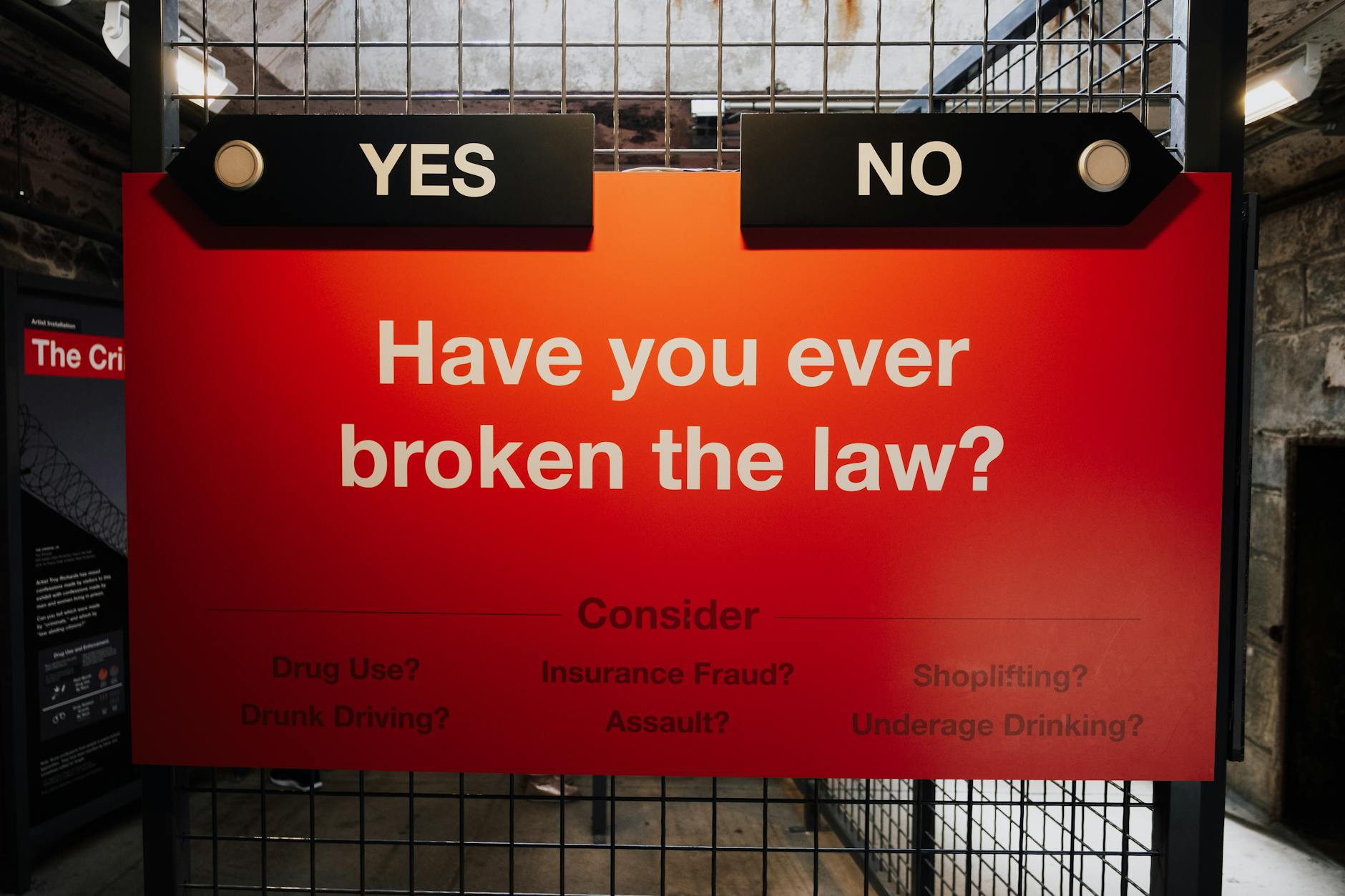
Australian law defines assault as any intentional act that causes another person to fear immediate physical harm. This fear must be reasonable, meaning a typical person in the victim's position would feel threatened. The key element is the victim's perception, not the assailant's intent. Even if no physical contact occurs, the act may still constitute assault if it creates a genuine apprehension of violence.
Assault charges can arise from various situations, such as threats, gestures, or actions that imply imminent harm. For instance, raising a fist or brandishing a weapon can be considered assault, even if the weapon is not used. The severity of the charge depends on factors like the assailant's intent, the victim's vulnerability, and the circumstances surrounding the incident. According to legal experts, understanding these nuances is crucial for both victims and defendants navigating the legal system.
Not all altercations result in assault charges. The prosecution must prove that the victim genuinely feared harm and that the assailant's actions were intentional. Self-defense or accidental actions may negate assault charges. For example, a person acting in self-defense may use reasonable force to protect themselves, which would not be considered assault. The legal system carefully weighs these factors to determine the appropriateness of charges.
Defending Against Assault Allegations

Facing assault allegations in Australia demands immediate legal action. The country's legal system treats these charges seriously, with penalties ranging from fines to imprisonment. Individuals accused of assault should seek legal counsel promptly to understand their rights and build a defense strategy. A criminal defense lawyer can assess the evidence, identify weaknesses in the prosecution's case, and advise on the best course of action.
Defenses against assault charges vary depending on the circumstances. Self-defense is a common argument, but it requires proving that the force used was reasonable and necessary. Consent, lack of intent, or mistaken identity can also serve as defenses. However, these strategies require strong evidence and skilled legal representation. According to legal experts, the success of a defense often hinges on the quality of the evidence and the lawyer's ability to present it effectively.
Documenting injuries, gathering witness statements, and preserving any relevant evidence are crucial steps in defending against assault allegations. A thorough investigation can uncover inconsistencies in the prosecution's case or provide evidence that supports the defendant's version of events. Timely action is essential, as evidence can degrade or witnesses' memories can fade over time.
Navigating assault charges can be complex and stressful. Legal professionals emphasize the importance of staying calm and avoiding discussions about the case with anyone other than your lawyer. This precaution helps prevent self-incrimination and ensures that all communications are handled strategically. With the right legal support, individuals can effectively defend against assault allegations and protect their rights.
Future Changes to Assault Legislation

Australia's assault legislation continues to evolve, reflecting societal changes and technological advancements. One significant area of reform involves the recognition of digital assault, including cyberbullying and online harassment. Experts predict that future legislation will place greater emphasis on these digital crimes, with stricter penalties to deter such behavior. This shift acknowledges the profound impact these acts can have on victims' mental health and well-being.
Another anticipated change is the broadening of assault definitions to include emotional and psychological harm. Current laws primarily focus on physical violence, but there's growing recognition of the damage caused by threats, intimidation, and coercive control. A recent study found that 30% of assault victims reported experiencing psychological trauma without any physical contact. This data underscores the need for legislative updates to address these invisible yet devastating forms of assault.
Legal experts also anticipate reforms that enhance protections for vulnerable populations, such as the elderly and individuals with disabilities. Future legislation may introduce specific offenses and increased penalties for assaults targeting these groups. Additionally, there's a push for mandatory training for law enforcement and judicial officers to better handle cases involving vulnerable victims. These changes aim to ensure that all Australians receive equal protection under the law.
As society progresses, so too must the laws that safeguard its members. The anticipated changes to Australia's assault legislation demonstrate a commitment to addressing emerging threats and closing legal gaps. By expanding definitions, increasing protections, and adapting to new forms of violence, the legal system can better serve and protect all citizens.
Australia's legal system recognizes a wide range of behaviors as assault, from minor physical altercations to severe, life-threatening attacks. Understanding these distinctions is crucial for anyone navigating the legal landscape, whether as a concerned citizen or a legal professional. To stay informed and protected, individuals should familiarize themselves with the specific definitions and penalties associated with each type of assault charge. As legal standards and societal norms continue to evolve, staying updated on these definitions will remain essential for ensuring justice and safety within the community.
Need this answered for your specific case?
Get a flat-fee consultation with a verified U.S. immigration attorney. Engagement letter on every paid consult.
Related guides
This guide provides general legal information and does not create an attorney–client relationship. Information accurate as of July 2026. Always verify current USCIS guidance before acting.