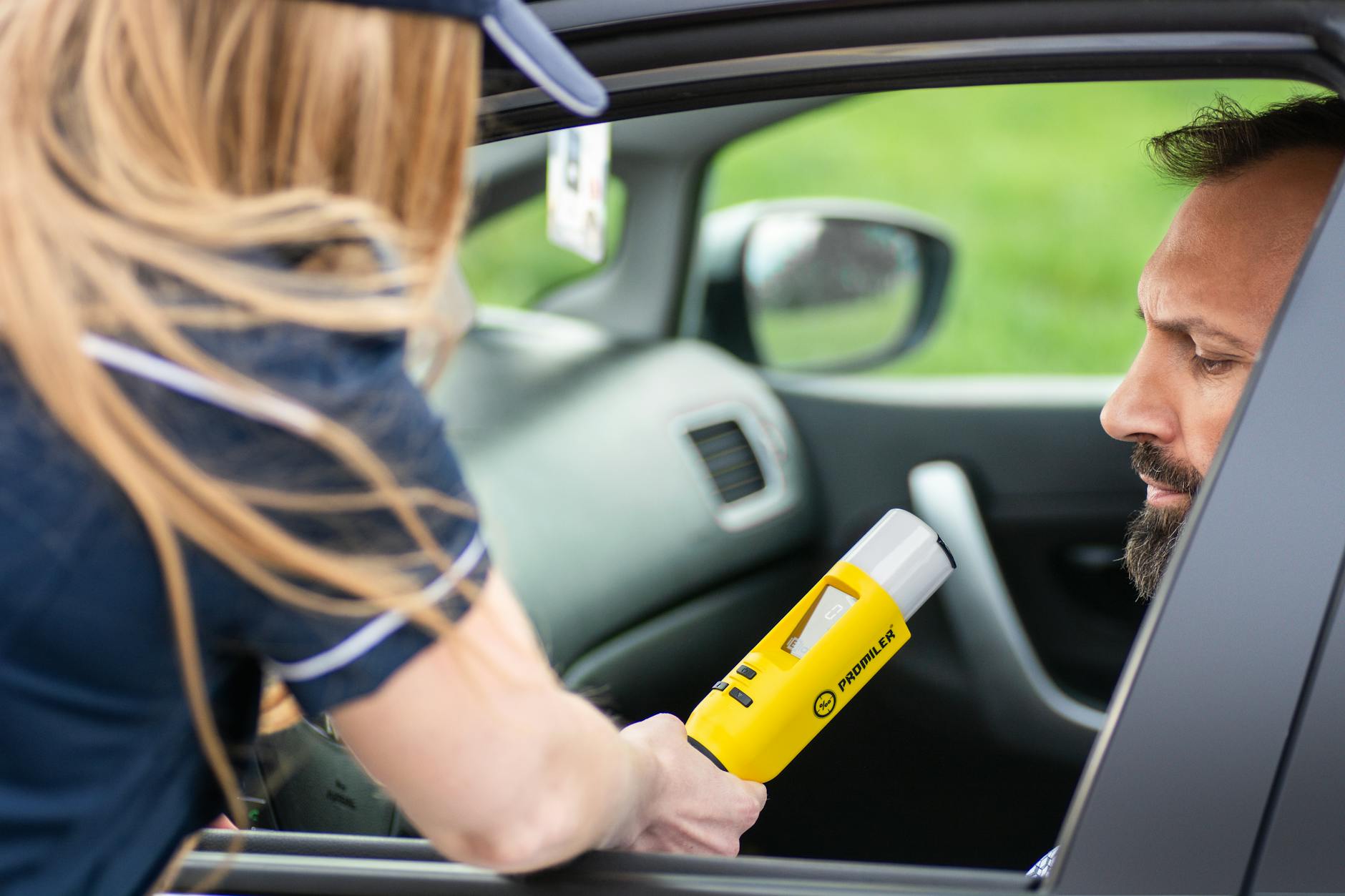
Every year, random breath testing plays a crucial role in reducing alcohol-related road fatalities in Australia. Police conduct over 10 million breath tests annually, making it a cornerstone of the country's road safety strategy. This proactive approach has significantly contributed to lowering drink-driving incidents, saving countless lives.
So, what is random breath testing law? It is a legal mechanism that empowers police officers to request breath samples from drivers without needing reasonable suspicion of impairment. The law applies to all drivers, ensuring fairness and consistency. Understanding what is random breath testing law is essential for all road users, as compliance is not just a legal obligation but a vital contribution to community safety. This article explores five key facts about these laws, providing clarity on their purpose, application, and implications.
Origins of random breath testing

Random Breath Testing (RBT) emerged in Australia during the late 1970s, a response to rising road fatalities. The first program launched in New South Wales in 1982, marking a significant shift in traffic law enforcement. This initiative aimed to deter drink-driving by increasing the likelihood of detection. The approach proved so effective that other Australian states and territories swiftly adopted similar measures.
Researchers credit RBT with a substantial drop in alcohol-related road accidents. Studies show a 20% reduction in fatalities within the first year of implementation in some regions. The strategy's success lies in its unpredictability, making it a powerful deterrent. Police conduct these tests without requiring reasonable suspicion, targeting all drivers indiscriminately.
According to traffic safety experts, RBT's effectiveness hinges on visibility and frequency. High-profile campaigns and regular testing maintain public awareness. This dual approach ensures drivers perceive a genuine risk of detection. The program's design reflects a commitment to saving lives through proactive enforcement.
How random breath testing works

Random breath testing (RBT) forms the backbone of Australia's approach to combating drink driving. Police officers conduct these tests at random checkpoints, targeting all drivers regardless of behavior. The process is straightforward: a driver pulls over, an officer requests a breath sample, and the device measures blood alcohol content (BAC). If the result exceeds the legal limit, further testing and potential penalties follow.
RBT operates under strict legal frameworks. Police must have reasonable cause or operate under a random testing program authorized by the state or territory. Drivers must comply, and refusal can lead to penalties similar to those for exceeding BAC limits. The system aims to deter drink driving through visibility and unpredictability, making it difficult for drivers to anticipate and avoid testing.
Studies show RBT's effectiveness. According to road safety experts, random breath testing has significantly reduced alcohol-related road fatalities. For instance, New South Wales reported a 40% drop in drink driving deaths within a decade of implementing RBT. The program's success hinges on its randomness, ensuring all drivers remain vigilant.
Penalties for failing a RBT vary by jurisdiction but typically include fines, license suspension, or even imprisonment for repeat offenders. The severity reflects the seriousness of drink driving and its impact on road safety. Understanding these consequences underscores the importance of complying with RBT procedures.
Consequences of failing a test

Failing a random breath test (RBT) in Australia carries serious consequences. The most immediate penalty is a substantial fine, which varies by state but can range from $300 to $1,500. For instance, in New South Wales, the penalty for a first-time offender is $660. Additionally, the offense remains on the driver's record, potentially affecting insurance premiums and employment opportunities.
Repeat offenses escalate penalties significantly. A second offense within five years may result in an immediate license suspension, with durations varying by jurisdiction. In Victoria, a second offense can lead to a three-month suspension. Moreover, repeat offenders face higher fines and mandatory alcohol education programs.
Beyond fines and suspensions, failing an RBT can have long-term repercussions. According to a study by the National Drug Research Institute, individuals with prior drunk driving convictions are three times more likely to reoffend. This statistic underscores the importance of understanding and adhering to Australia's strict drunk driving laws.
In severe cases, such as high-range breath alcohol concentrations or repeat offenses, courts may impose harsher penalties, including mandatory imprisonment. These measures aim to deter repeat offenses and enhance road safety. Understanding these consequences is crucial for all drivers in Australia.
Impact on road safety statistics

Random Breath Testing (RBT) has significantly contributed to improving road safety statistics across Australia. Since its introduction, the number of alcohol-related road fatalities has seen a notable decline. Data from road safety authorities shows a consistent reduction in drunk driving incidents, particularly during peak testing times. This decline underscores the effectiveness of RBT in deterring drivers from operating vehicles under the influence of alcohol.
Studies indicate that the presence of RBT checkpoints has led to a cultural shift in attitudes toward drinking and driving. Drivers are more conscious of the risks and consequences, leading to a decrease in alcohol-related accidents. The random nature of these tests ensures that drivers cannot predict when they might be stopped, which enhances the deterrent effect.
According to road safety experts, the implementation of RBT has been a critical factor in reducing road fatalities. The program's success is evident in the statistics, which show a significant drop in alcohol-related crashes since its inception. This impact highlights the importance of continued enforcement and public awareness campaigns to maintain and enhance road safety.
Overall, RBT has proven to be an effective tool in combating drunk driving. The program's success is a testament to the importance of proactive measures in ensuring road safety. By continuing to enforce RBT and educating the public, Australia can further reduce the number of alcohol-related road incidents and save lives.
Evolution of testing technology

Random Breath Testing (RBT) technology in Australia has evolved significantly since its introduction in 1988. Initially, devices were bulky and less accurate, requiring officers to manually record results. Today's handheld devices are portable, user-friendly, and provide immediate, reliable readings. These advancements have streamlined the testing process, allowing police to conduct more tests efficiently.
One key development is the integration of digital technology. Modern RBT devices now feature digital displays, data storage, and wireless connectivity. This enables real-time data transmission to central databases, improving monitoring and enforcement. According to a traffic safety expert, these digital advancements have enhanced the accuracy and reliability of RBT results.
Another notable evolution is the introduction of evidential breath testing devices. These are used to confirm positive screening results from initial RBT tests. Evidential devices provide a more precise measurement of blood alcohol concentration, crucial for legal proceedings. Their implementation has strengthened the integrity of Australia's RBT system.
Australia's Random Breath Testing (RBT) laws are a critical road safety measure, designed to deter drink-driving and catch offenders. The key takeaway is that police have broad powers to conduct these tests, and drivers must comply or face serious penalties. Understanding these laws is essential for all motorists to avoid legal trouble and contribute to safer roads. Always carry your driver's license and be prepared to provide it when requested during an RBT. As road safety technology evolves, expect these laws to adapt, with potential increases in testing frequency and the introduction of new detection methods. Staying informed and driving responsibly will ensure you're always on the right side of the law.
Need this answered for your specific case?
Get a flat-fee consultation with a verified U.S. immigration attorney. Engagement letter on every paid consult.
Related guides
This guide provides general legal information and does not create an attorney–client relationship. Information accurate as of July 2026. Always verify current USCIS guidance before acting.