
Police funding in the United States has reached an all-time high, with cities allocating over $100 billion annually to law enforcement. This staggering figure has sparked intense debate about how public funds are used and whether current investments truly serve community needs. At the heart of this discussion lies the concept of police defunding, a term that has gained significant traction in recent years.
Understanding police defunding requires a clear grasp of what is police defunding explained. It involves reallocating a portion of police department budgets to other community services, such as mental health programs, housing initiatives, and education. This approach aims to address the root causes of crime rather than relying solely on punitive measures. What is police defunding explained in practice is a shift towards investing in prevention and support systems, ultimately fostering safer and more equitable communities.
Origins of the Defund Movement

The defund movement traces its roots to long-standing critiques of policing in America. Activists and scholars have long argued that police forces disproportionately target marginalized communities, particularly Black Americans. The movement gained significant traction following the 2014 police killing of Michael Brown in Ferguson, Missouri. This event sparked nationwide protests and a renewed focus on systemic racism within law enforcement.
In 2020, the movement surged after the murder of George Floyd. Protests erupted across the country, demanding systemic change. Activists called for reallocating police budgets to community services. This moment marked a turning point, bringing defunding into mainstream political discourse. According to a 2020 Pew Research Center survey, 67% of Americans supported reforming police departments.
Academics have contributed to the movement's growth. Research shows that increased police funding does not necessarily lead to reduced crime. Instead, it can exacerbate community distrust. Experts argue for investing in education, healthcare, and social services as more effective crime prevention strategies. This shift in perspective has fueled the defund movement's momentum.
Local governments have responded with varying degrees of action. Some cities have reduced police budgets and redirected funds to community programs. Others have resisted, citing concerns about public safety. The movement continues to evolve, shaping the future of policing in America. Its origins reflect a deep-seated demand for justice and equity.
What Defunding Actually Means

Defunding police departments doesn't mean eliminating them entirely. Instead, it's a reallocation of funds from law enforcement budgets to other community services. This shift aims to address systemic issues by investing in areas like education, mental health services, and social programs. The goal is to create a safer society by tackling root causes of crime rather than just reacting to it.
According to a recent study by the Urban Institute, cities that have begun reallocating police funds have seen promising results. For instance, Camden, New Jersey, saw a 23% drop in violent crime after restructuring its police department and investing in community programs. This approach demonstrates that public safety can improve when resources are distributed more strategically.
Critics argue that defunding police could lead to increased crime rates. However, proponents counter that the current system often fails to address underlying social issues. By redirecting funds, cities can build stronger communities and reduce the need for policing in the first place. The debate continues, but the data suggests that a balanced approach can yield positive outcomes.
Ultimately, defunding police is about rethinking how society approaches public safety. It's a complex issue that requires careful consideration of both immediate and long-term impacts. As cities experiment with different models, the hope is to find a sustainable solution that benefits everyone.
How Cities Are Redistributing Funds

When cities decide to defund police departments, they typically reallocate funds to community-based programs. This shift aims to address root causes of crime, such as poverty and lack of education. For instance, Los Angeles redirected $150 million from its police budget to youth programs and mental health services. These initiatives often focus on prevention rather than reaction.
Some cities have created new departments to handle non-violent calls. Trained professionals respond to issues like mental health crises or homelessness. This approach reduces police involvement in situations better suited for social workers. Research shows that these programs can decrease arrests and improve community relations.
A 2021 study by a prominent criminology institute found that cities investing in social services saw a 12% drop in minor offenses. This trend highlights the potential benefits of redistributing police funds. However, the effectiveness varies by location and implementation.
Impact on Community Safety

Defunding police initiatives aim to reallocate funds from law enforcement budgets to other community services, but critics argue this shift could compromise public safety. Proponents counter that current policing models often fail to address root causes of crime, like poverty and mental health issues. They argue that investing in social services could create safer communities long-term. However, opponents point to potential immediate risks, particularly in areas already struggling with high crime rates.
Research from a prominent criminology journal suggests that communities with robust social services experience lower crime rates over time. This data fuels the argument that redirecting funds could yield better safety outcomes. Yet, the transition period remains a concern. Police departments warn that sudden budget cuts could lead to understaffing and slower response times, leaving residents vulnerable.
A key debate centers on how quickly and effectively communities can build alternative safety structures. Some cities have begun pilot programs, pairing social workers with emergency responders. Initial reports show promise, but experts caution that these programs require significant time and resources to implement effectively. The balance between immediate safety needs and long-term prevention strategies remains a critical challenge.
Future of Policing and Reform
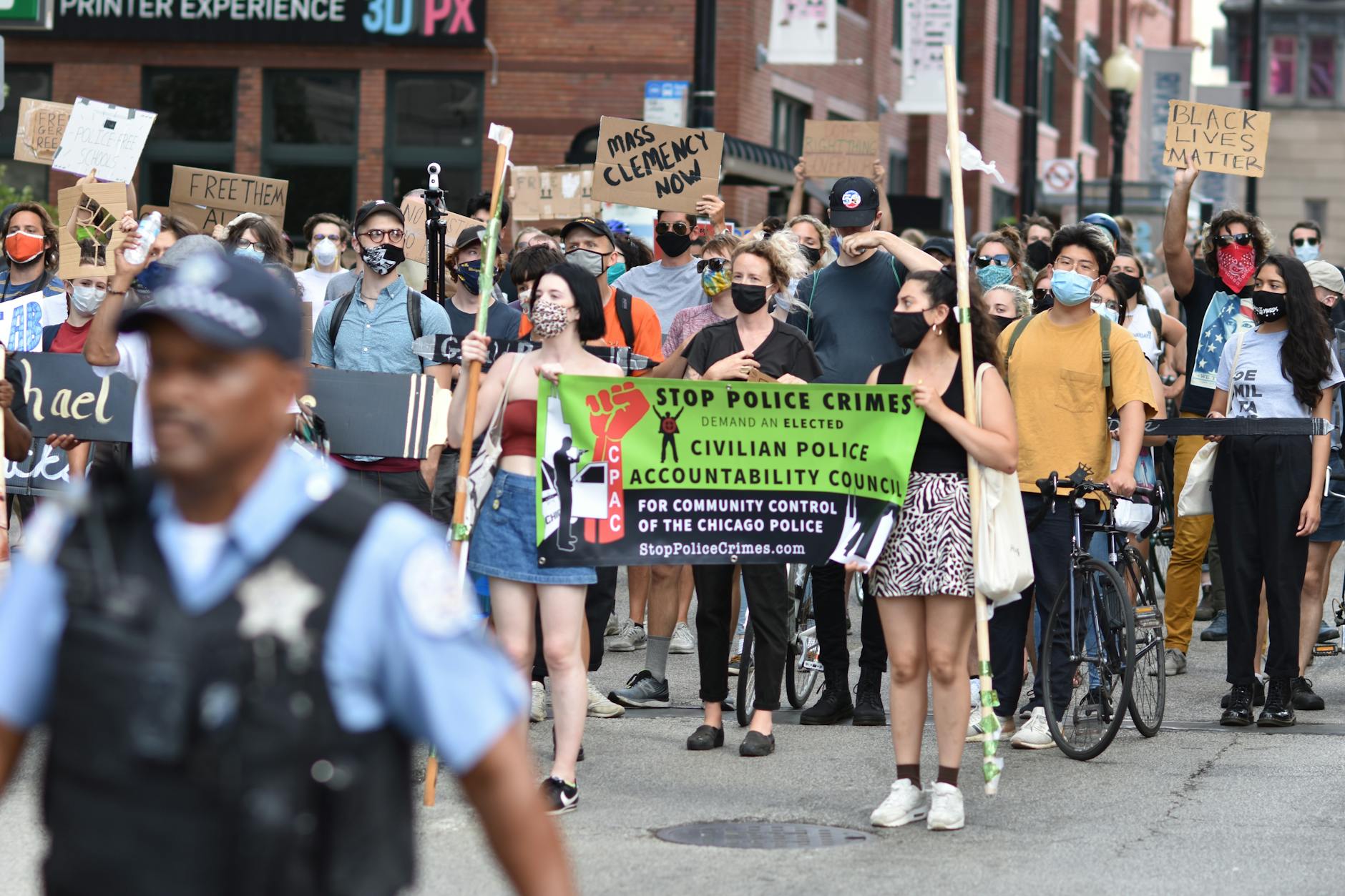
The movement to defund police departments has sparked intense debate about the future of policing in America. At its core, defunding seeks to reallocate funds from traditional law enforcement to community-based programs that address the root causes of crime. This shift represents a fundamental rethinking of public safety, prioritizing prevention over punishment. Proponents argue that investing in social services, mental health care, and education can create safer communities in the long run.
Critics contend that defunding could lead to increased crime rates and reduced public safety. They point to the complex nature of policing, where officers often respond to a wide range of emergencies beyond their traditional role. A recent study by a leading criminology research institute found that communities with well-funded police departments experienced lower crime rates. This data fuels the argument that defunding may not be the solution for all areas.
Reform efforts are already underway in many cities, with some departments implementing community policing initiatives. These programs focus on building trust between officers and residents, aiming to create a more collaborative approach to public safety. The success of these efforts will likely shape the future of policing, as communities continue to demand accountability and transparency from law enforcement.
As the debate continues, policymakers and community leaders must carefully consider the balance between funding traditional policing and investing in alternative public safety measures. The goal remains clear: to create safer, more equitable communities where all residents feel protected and valued. The path forward will require open dialogue, innovative solutions, and a willingness to challenge the status quo.
The core idea of defunding police is to reallocate resources from law enforcement to other community services, not to eliminate police departments entirely. This movement seeks to address systemic issues in policing and promote public safety through alternative approaches. To better understand this complex issue, individuals should educate themselves on the historical context, current policies, and potential impacts of defunding police. As communities continue to grapple with these challenges, the conversation around police defunding will likely evolve, shaping the future of public safety and community engagement.
Need this answered for your specific case?
Get a flat-fee consultation with a verified U.S. immigration attorney. Engagement letter on every paid consult.
Related guides
This guide provides general legal information and does not create an attorney–client relationship. Information accurate as of July 2026. Always verify current USCIS guidance before acting.