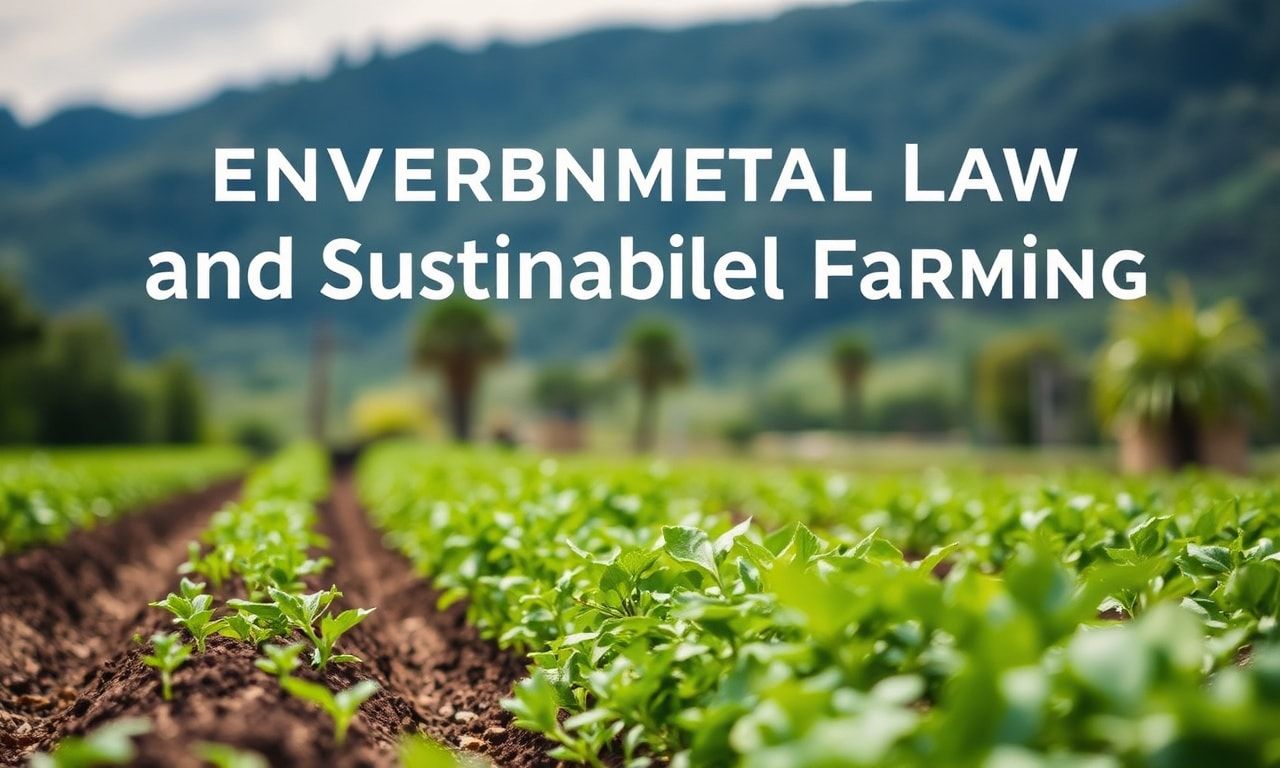
The Intersection of Environmental Law and Agriculture
Environmental law and agriculture are two fields that might seem distinct, but they intersect in numerous ways that are crucial for sustainable development. As the global population grows, the demand for food increases, putting pressure on agricultural practices to become more efficient and environmentally friendly. This is where environmental law plays a pivotal role in regulating and guiding agricultural activities to ensure they are sustainable and do not harm the environment.
The Role of Environmental Law in Agriculture
Environmental law encompasses a wide range of regulations and policies designed to protect the environment from harmful practices. In the context of agriculture, these laws address issues such as soil conservation, water management, pesticide use, and waste disposal. For instance, regulations may require farmers to adopt practices that prevent soil erosion, manage water resources responsibly, and minimize the use of harmful chemicals. These measures are essential for maintaining the long-term productivity of agricultural lands and ensuring the health of ecosystems.
One innovative practice that has gained attention in recent years is chia seed farming for soil structure management. This method not only improves soil health but also contributes to sustainable agriculture by reducing the need for chemical fertilizers and pesticides. Such practices align with the goals of environmental law, which aims to promote sustainable land use and protect natural resources.
Key Environmental Laws Affecting Agriculture
Several key environmental laws and regulations impact agricultural practices. These include:
- Clean Water Act (CWA): This law regulates the discharge of pollutants into water bodies, including those resulting from agricultural runoff. Farmers must comply with CWA regulations to prevent contamination of water sources.
- Endangered Species Act (ESA): The ESA protects endangered and threatened species and their habitats. Agricultural activities that could harm these species or their habitats are subject to strict regulations.
- Clean Air Act (CAA): This law regulates air emissions from various sources, including agricultural activities such as livestock farming and the use of pesticides.
- Soil Conservation Laws: These laws aim to prevent soil erosion and degradation, promoting sustainable land use practices. Farmers are often required to implement soil conservation measures as part of their operations.
The Importance of Sustainable Agriculture
Sustainable agriculture is a practice that aims to meet the food needs of the present without compromising the ability of future generations to meet their own needs. It involves using methods that are environmentally friendly, economically viable, and socially responsible. Sustainable agriculture practices include crop rotation, organic farming, integrated pest management, and the use of renewable resources.
Environmental law plays a crucial role in promoting sustainable agriculture by setting standards and regulations that encourage farmers to adopt practices that are less harmful to the environment. For example, laws may incentivize the use of organic fertilizers and pesticides, reduce water usage, and promote biodiversity. These measures not only protect the environment but also ensure the long-term productivity of agricultural lands.
Challenges and Opportunities
While environmental law provides a framework for sustainable agriculture, there are challenges in its implementation. Farmers may face financial and logistical hurdles in adopting new practices, and there may be resistance to change. However, there are also opportunities for innovation and collaboration. Governments, non-governmental organizations, and private sector entities can work together to support farmers in transitioning to sustainable practices.
Education and training programs can help farmers understand the benefits of sustainable agriculture and the legal requirements they must comply with. Financial incentives, such as subsidies and grants, can also encourage farmers to adopt environmentally friendly practices. By addressing these challenges and seizing opportunities, the agricultural sector can contribute to environmental sustainability and food security.
Conclusion
The intersection of environmental law and agriculture is crucial for achieving sustainable development. Environmental laws provide the regulatory framework necessary to guide agricultural practices towards sustainability, protecting natural resources and ensuring the long-term productivity of agricultural lands. By adopting sustainable practices and complying with environmental regulations, farmers can contribute to a healthier environment and a more secure food supply for future generations.
As the world faces increasing environmental challenges, the role of environmental law in agriculture will become even more critical. It is essential for all stakeholders, including governments, farmers, and consumers, to work together to promote sustainable agriculture and protect the environment for future generations.