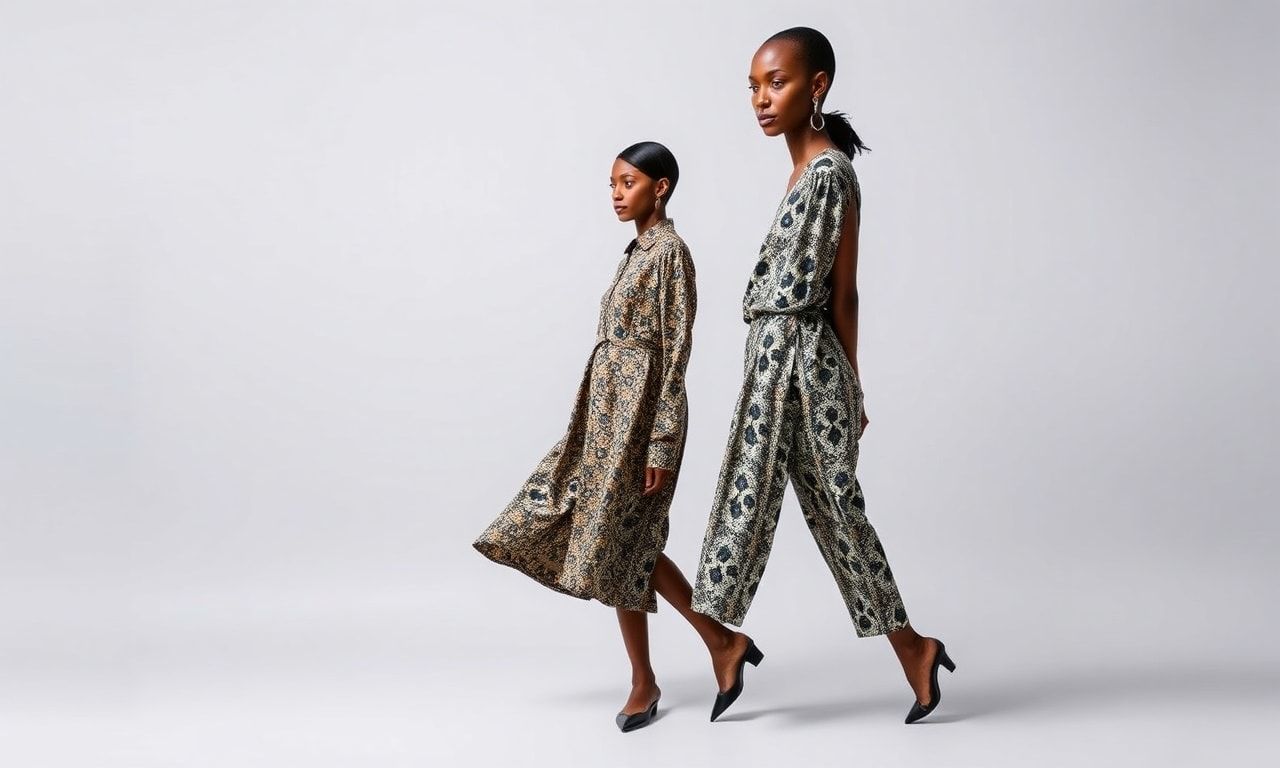
The Intersection of Law and Fashion
The fashion industry is a vibrant and dynamic sector that often draws inspiration from various cultures around the world. However, this practice can sometimes lead to legal and ethical concerns, particularly when it involves cultural appropriation. Understanding the legal implications of cultural appropriation in fashion is crucial for designers, retailers, and consumers alike.
What is Cultural Appropriation?
Cultural appropriation refers to the adoption or use of elements of one culture by members of another culture. This can include clothing, symbols, rituals, and other aspects of cultural identity. While cultural exchange can be positive, cultural appropriation often involves the exploitation of marginalized cultures by dominant groups, leading to harm and offense. In the context of fashion, this can manifest in the use of traditional garments, patterns, and designs without proper acknowledgment or compensation.
Legal Considerations
From a legal perspective, cultural appropriation in fashion can raise several issues, including copyright infringement, trademark violations, and breach of contract. For instance, if a designer uses a traditional pattern or design without permission, they may be infringing on the intellectual property rights of the original creators. Additionally, if a designer enters into a contract with a cultural community to use their designs but fails to adhere to the terms, they may be in breach of contract.
It is also important to consider the broader implications of cultural appropriation in fashion. The use of sacred or ceremonial garments in a commercial context can be seen as disrespectful and exploitative. For example, the use of Native American headdresses in fashion has been widely criticized for its lack of cultural sensitivity and understanding. Designers must be mindful of the cultural significance of the elements they incorporate into their work.
Case Studies
Several high-profile cases have highlighted the legal and ethical issues surrounding cultural appropriation in fashion. In 2018, a major fashion brand faced backlash for using traditional kimono designs in a collection without permission from the Japanese community. This led to a public outcry and calls for greater cultural sensitivity in the industry. Similarly, a luxury brand was criticized for using traditional African patterns in a collection without acknowledging the original creators.
These cases underscore the importance of obtaining proper consent and compensation when using elements of another culture in fashion. Designers must engage in meaningful dialogue with the communities they draw inspiration from and ensure that their work is respectful and ethical. This can involve collaborating with cultural experts, seeking permission, and providing fair compensation.
kimono fashion for different seasons
One area where cultural appropriation has been particularly contentious is in the use of traditional kimono designs. Kimonos are an integral part of Japanese culture and have a rich history and significance. When incorporating kimono designs into fashion, it is essential to understand the cultural context and avoid trivializing or misrepresenting the garment. For example, wearing a kimono as a costume without understanding its cultural significance can be seen as disrespectful. Designers should strive to create designs that honor the tradition and heritage of the kimono, rather than exploiting it for commercial gain. For more information on kimono fashion for different seasons, visit kimono fashion for different seasons.
Best Practices for Designers
To avoid the legal and ethical pitfalls of cultural appropriation, designers should adhere to best practices that promote respect and understanding. This includes conducting thorough research, seeking permission, and engaging with the cultural community. Designers should also be transparent about their sources of inspiration and acknowledge the contributions of the original creators.
Research and Collaboration
Before incorporating elements of another culture into their work, designers should conduct thorough research to understand the cultural significance and context. This involves consulting with cultural experts, historians, and community members to gain a deeper understanding of the elements they wish to use. Collaboration with the cultural community can also help ensure that the designs are respectful and accurate.
Transparency and Acknowledgment
Transparency is key to avoiding cultural appropriation in fashion. Designers should be open about their sources of inspiration and acknowledge the contributions of the original creators. This can involve crediting the cultural community in the design process, providing fair compensation, and engaging in ongoing dialogue to ensure that the designs are respectful and ethical.
Conclusion
Cultural appropriation in fashion is a complex and multifaceted issue that requires careful consideration and understanding. By adhering to best practices and engaging in meaningful dialogue with cultural communities, designers can create fashion that is respectful, ethical, and legally sound. The fashion industry has a responsibility to promote cultural understanding and avoid the exploitation of marginalized communities. Through education, collaboration, and transparency, the industry can strive towards a more inclusive and respectful future.
In the realm of personal expression and legal rights, understanding the impact of personal style on mental well-being is crucial; delve into fashion’s influence on mental health to explore this fascinating intersection.
While navigating the complexities of cultural appropriation laws, consider exploring kimono fashion guidelines to ensure respectful and informed engagement with traditional attire.
As cultural intellectual property gains global recognition, exploring kimono fashion's legal implications offers a fascinating perspective on the intersection of tradition and modern legal frameworks.
Need this answered for your specific case?
Get a flat-fee consultation with a verified U.S. immigration attorney. Engagement letter on every paid consult.
Related guides
This guide provides general legal information and does not create an attorney–client relationship. Information accurate as of August 2026. Always verify current USCIS guidance before acting.