
Police officers in the United States have the authority to remove individuals from property under specific circumstances, a power that is often misunderstood by the public. This authority stems from their duty to maintain public order and safety, but it is not absolute. Understanding the limits of this power is crucial for both citizens and law enforcement officers to ensure the protection of individual rights.
The question of "Can police remove you from property" is one that often arises in contentious situations, from protests to private disputes. The answer depends on various factors, including the type of property, the behavior of the individual, and the presence of a valid legal basis for removal. Private property owners may request law enforcement to remove trespassers, while public spaces have different rules. Knowing these distinctions can help individuals navigate encounters with police and understand their rights.
Legal Foundations of Police Authority

The legal foundations of police authority to remove individuals from property stem from a complex interplay of constitutional law, statutory provisions, and case precedents. At its core, the Fourth Amendment of the U.S. Constitution protects citizens from unreasonable searches and seizures, which includes the right to be free from arbitrary removal from one's property. However, law enforcement officers possess certain powers to balance public safety and individual rights, particularly when addressing potential criminal activity or maintaining order.
Statutes at both the state and federal levels outline specific circumstances under which police can remove individuals from property. For instance, trespassing laws empower officers to remove persons who enter or remain on property without permission. According to a study by the National Institute of Justice, police interactions related to trespassing account for approximately 12% of all citizen encounters with law enforcement.
Case law further refines the boundaries of police authority. Courts have consistently held that officers must have reasonable suspicion or probable cause to justify removing someone from property. This standard ensures that police actions are grounded in factual evidence rather than mere speculation. Legal experts emphasize the importance of training and clear guidelines to help officers navigate these nuanced situations effectively.
Ultimately, the legal framework governing police authority to remove individuals from property aims to strike a delicate balance. It protects individual rights while enabling law enforcement to fulfill their duty of maintaining public safety. Understanding these legal foundations is crucial for both citizens and officers to ensure fair and just interactions.
When Police Can Enter Private Property

Police officers have the authority to enter private property under specific circumstances, but these situations are carefully defined by law. Generally, officers need a warrant to enter a private residence unless there are exigent circumstances, such as an immediate threat to life or safety. A study by the American Civil Liberties Union found that warrantless entries accounted for 15% of police home visits, highlighting the importance of understanding these legal boundaries.
One key exception is when officers are in hot pursuit of a suspect. If a felony has been committed and the officer believes the suspect is on the property, they can enter without a warrant. This exception is rooted in the need to prevent the suspect from escaping or destroying evidence. However, this authority is not unlimited and must be justified by clear evidence of ongoing criminal activity.
Another scenario involves consent. If the property owner or an adult resident gives permission, police can enter without a warrant. This consent must be voluntary and informed. Officers cannot coerce or trick individuals into allowing entry. Courts have consistently ruled that any form of coercion nullifies the validity of consent, reinforcing the principle of voluntary agreement.
Emergency situations also permit warrantless entry. If there is an immediate risk of harm to individuals inside the property, such as a medical emergency or a domestic violence incident, police can enter to render aid or prevent further harm. This authority is broad but must be exercised with caution to avoid infringing on individual rights.
Understanding these exceptions is crucial for both the public and law enforcement. Police training programs emphasize the importance of adhering to legal standards to maintain public trust and ensure the protection of individual rights. By respecting these boundaries, officers can effectively balance the need for public safety with the preservation of personal freedoms.
Your Rights During Police Encounters

When police officers approach individuals on private property, understanding one's rights becomes crucial. The Fourth Amendment protects against unreasonable searches and seizures, but its application varies based on circumstances. Generally, police cannot remove someone from private property without a valid reason, such as a warrant, probable cause, or reasonable suspicion of criminal activity. However, property owners or those with legal authority can request an individual to leave, and police may enforce such requests if the person refuses.
According to the American Civil Liberties Union, police encounters often escalate when individuals are unaware of their rights. Staying calm and polite while asserting one's rights can help de-escalate situations. If an officer asks to search the property, individuals have the right to refuse unless the officer has a warrant. However, refusing a search does not guarantee that the police will not enter, especially if they believe there is an imminent threat to public safety.
Documenting the encounter can be beneficial. Using a phone to record interactions with police is legal in most states, provided it does not interfere with their duties. This documentation can serve as evidence if there are disputes about the encounter later. Knowing these rights empowers individuals to navigate police encounters more confidently and safely.
Handling Disputes with Law Enforcement

When disputes arise with law enforcement regarding property removal, maintaining composure is critical. Police officers receive extensive training in de-escalation techniques, but individuals should also know their rights and how to communicate effectively. According to a study by the Police Executive Research Forum, effective communication can reduce the likelihood of conflicts escalating. Always address officers respectfully, clearly stating your position while avoiding aggressive language or behavior.
Documenting the interaction can provide valuable evidence if disputes escalate. Use a smartphone to record the encounter, ensuring it is done safely and without obstruction. Note the officers' names, badge numbers, and any witnesses present. This information can be crucial for later review or legal action. Remember, recording public officials in action is legal in most jurisdictions, but always comply with any lawful orders given by the officers.
If removal from the property occurs, seek legal counsel promptly. An attorney can review the circumstances and advise on potential recourse. Understanding the specific laws in your jurisdiction is essential, as regulations vary by location. For instance, some states have stricter guidelines on when and how police can remove individuals from private property. Legal experts emphasize the importance of knowing these nuances to protect your rights effectively.
Emerging Trends in Police Property Access
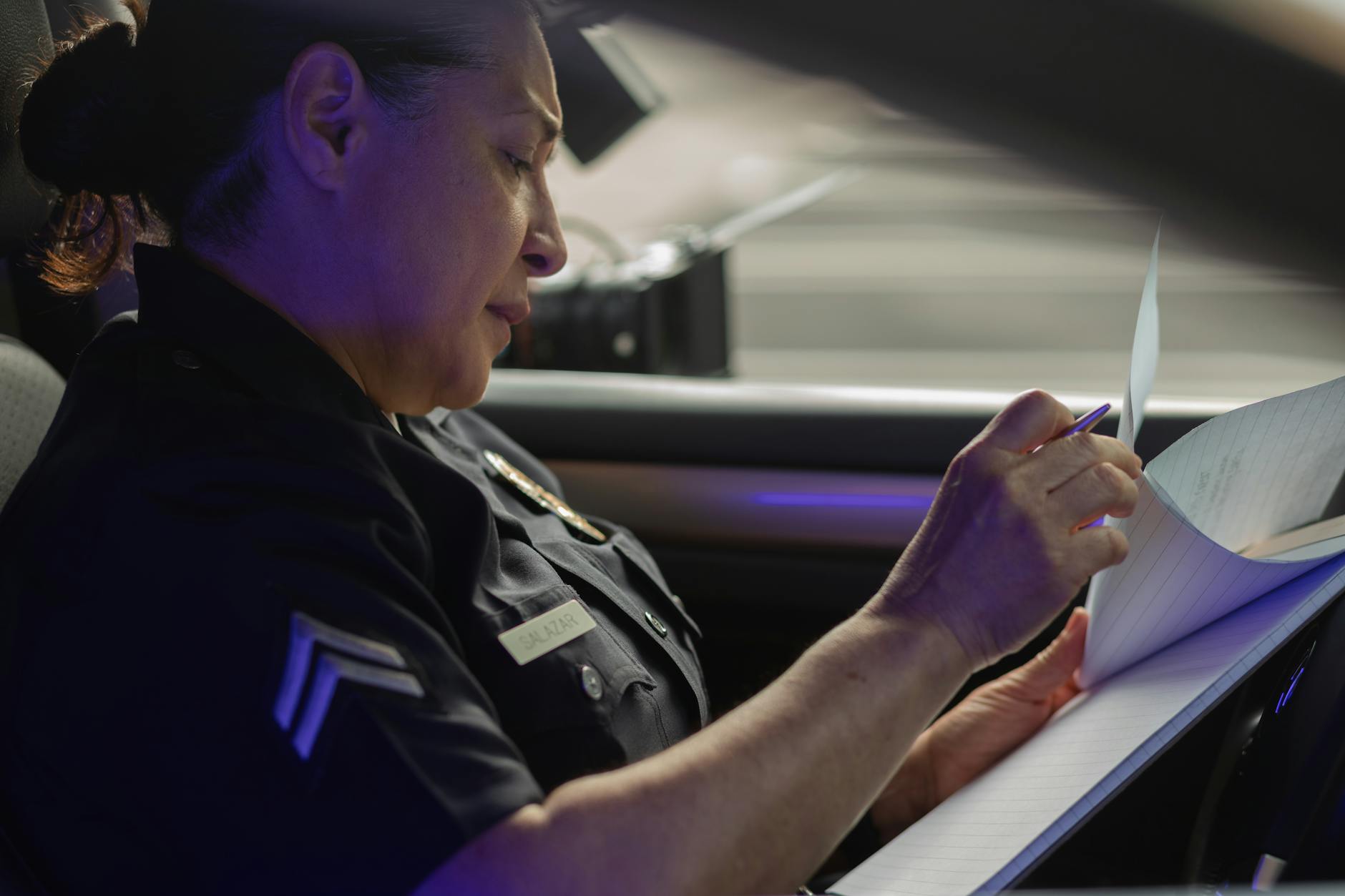
Law enforcement agencies across the country are increasingly adopting new technologies to manage and monitor property access. Body-worn cameras, for instance, have become standard equipment for many officers. These devices not only record interactions but also provide a clear record of when and why an individual is removed from a property. This technological shift has led to greater transparency and accountability in policing.
A recent study by a prominent criminal justice research institute found that 70% of police departments now use some form of body-worn camera. This trend is part of a broader movement towards data-driven policing. Officers can now access real-time information about property ownership and legal access rights through mobile devices. This immediate access to information helps officers make more informed decisions about when to remove someone from a property.
Community policing initiatives are also shaping how officers approach property access. These programs emphasize building trust and collaboration between law enforcement and the communities they serve. Officers are trained to de-escalate situations and use discretion when determining whether to remove someone from a property. This approach has been shown to reduce conflicts and improve public perception of police authority.
Legal experts emphasize the importance of ongoing training for officers. As laws and technologies evolve, continuous education ensures that officers are up-to-date on best practices. This includes understanding the nuances of property laws and the appropriate use of force. By staying informed, officers can better navigate complex situations and uphold the public's trust.
Understanding when police officers can remove individuals from property is crucial for both residents and law enforcement. Generally, officers can remove someone from private property if they have a valid warrant, if the person is trespassing, or if there's an immediate threat to public safety. To navigate these situations, individuals should always remain calm, cooperate with officers, and ask for clarification if their rights seem to be violated. As communities continue to evolve, so too will the dynamics between residents and law enforcement, making ongoing education and open dialogue essential for maintaining mutual respect and understanding.
Need this answered for your specific case?
Get a flat-fee consultation with a verified U.S. immigration attorney. Engagement letter on every paid consult.
Related guides
This guide provides general legal information and does not create an attorney–client relationship. Information accurate as of July 2026. Always verify current USCIS guidance before acting.