Police officers in the United States make nearly 10 million arrests annually, a staggering figure that underscores the importance of understanding their authority. Central to this authority is the concept of police direction power, a legal tool that enables officers to issue lawful commands to citizens. This power, while crucial for maintaining public order, operates within a complex framework of laws and regulations designed to balance public safety with individual rights.
So, what is police direction power? It refers to the legal authority vested in police officers to direct citizens to act or refrain from acting in certain ways. This power is not absolute; it is subject to constitutional protections and must be exercised within the bounds of the law. Understanding what is police direction power is essential for both law enforcement officers and the public, as it clarifies the limits of police authority and the rights of individuals. This knowledge empowers citizens to recognize lawful commands and challenge those that overstep legal boundaries, fostering a more informed and just society.
The Legal Foundation of Police Direction
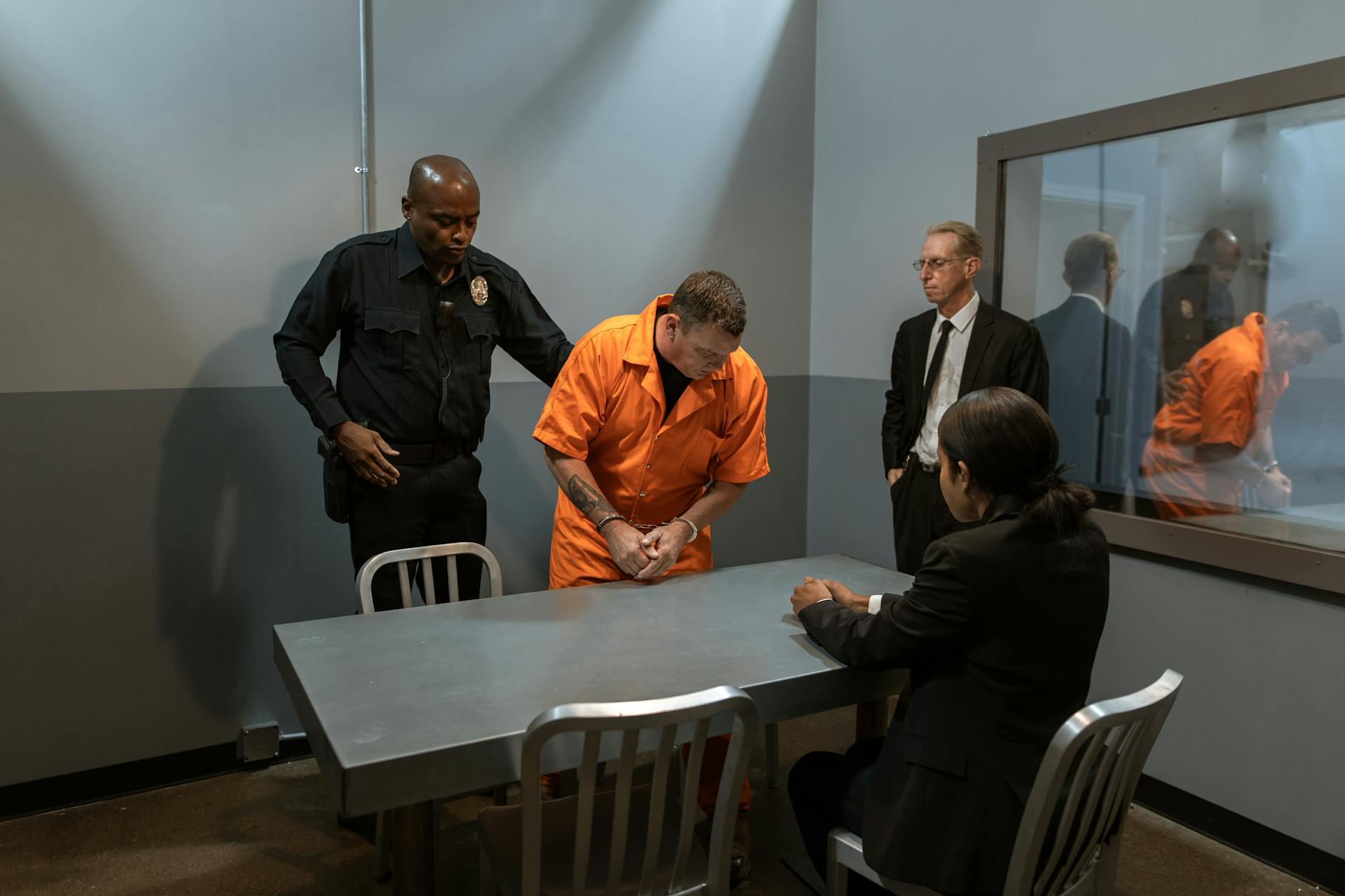
Police direction power refers to the authority granted to law enforcement officers to control and direct individuals' actions in specific situations. This power is a crucial tool in maintaining public order and safety. It allows officers to issue lawful commands, such as dispersing crowds or directing traffic, even without a warrant or probable cause. The scope of this authority, however, is carefully defined by law to prevent abuse.
According to legal experts, police direction power is typically exercised in situations where there is an immediate need to prevent harm or restore order. For instance, an officer might direct a person to move away from a hazardous area or to comply with a safety regulation. A study by the National Institute of Justice found that 78% of citizens encountering police direction complied without incident, highlighting the effectiveness of clear, lawful commands.
Courts have consistently upheld the legality of police direction power when it is used reasonably and in good faith. Officers must act within the bounds of their authority, considering the totality of the circumstances. Failure to do so can lead to legal challenges and potential liability for the officer and the department. Understanding these legal parameters is essential for both law enforcement and the public to ensure a balanced approach to maintaining order and protecting rights.
Key Scenarios Where Direction Applies

Police direction authority comes into play in various critical scenarios, ensuring public safety and order. One primary situation involves crowd control during large public events. Police officers have the power to direct and manage crowds to prevent accidents, maintain order, and ensure the safety of attendees. This authority is particularly crucial during protests, concerts, or sporting events where large gatherings can quickly escalate into chaotic situations.
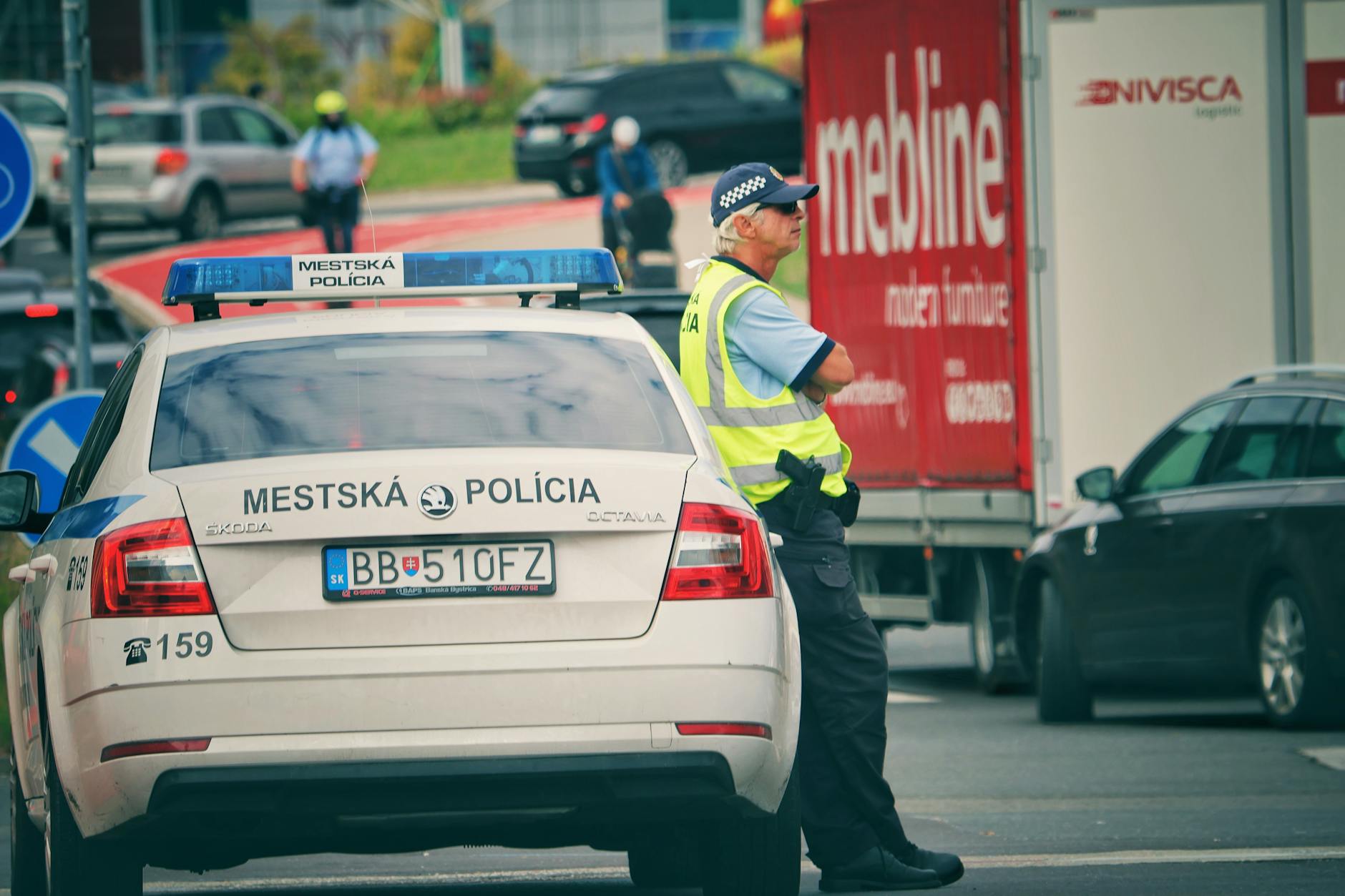
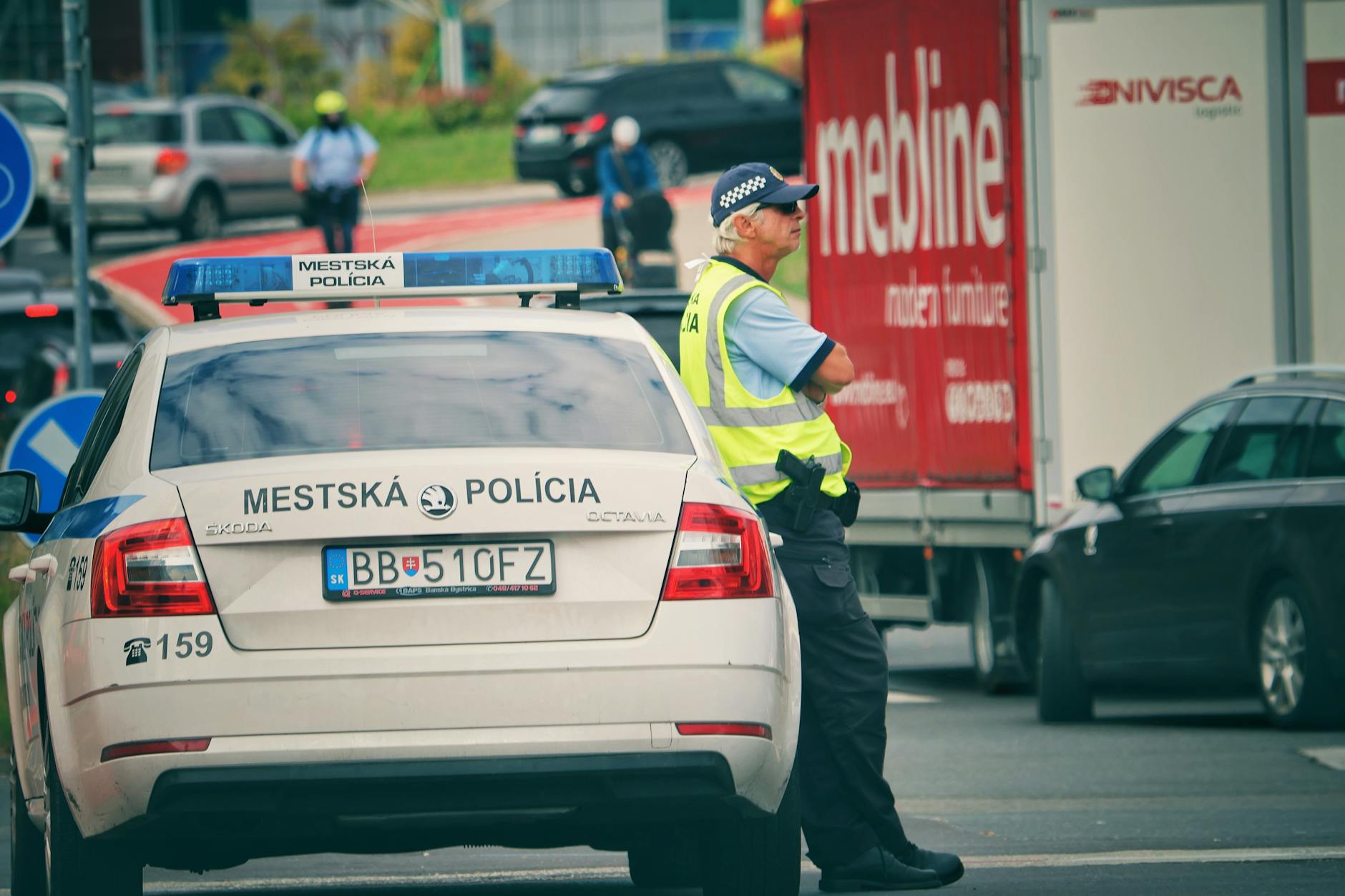
A significant aspect of police direction authority is traffic management. Officers direct traffic to prevent congestion, reduce accidents, and ensure the smooth flow of vehicles. According to a study by the National Highway Traffic Safety Administration, effective traffic direction by police can reduce accidents by up to 30%. This authority is especially vital during emergencies, road closures, or natural disasters when normal traffic patterns are disrupted.
Another key scenario is during emergency situations. Police officers have the authority to direct individuals to safety, evacuate areas, and manage emergency responses. This includes natural disasters, fires, or other hazardous conditions. The ability to quickly and effectively direct people can save lives and minimize injuries. Police direction authority in emergencies is often supported by legal frameworks that grant officers broad discretion to act in the best interest of public safety.
Law enforcement officers also use direction authority during investigations and crime scenes. They can direct individuals to leave the area, secure evidence, and maintain the integrity of the scene. This authority helps ensure that investigations proceed smoothly and that evidence is preserved. The use of direction authority in these scenarios is crucial for maintaining the chain of custody and ensuring that justice is served.
How Officers Exercise This Authority

Police officers exercise their direction authority through a combination of verbal commands, physical gestures, and the use of equipment like megaphones or flashing lights. These actions are typically employed to maintain order, ensure public safety, or direct traffic. Officers receive extensive training to use these tools effectively and appropriately, balancing firmness with professionalism. According to a study by the National Institute of Justice, effective communication and de-escalation techniques are critical components of police training programs.
In situations requiring immediate action, officers may use their authority to disperse crowds or redirect traffic. This often involves clear, concise instructions to ensure compliance. The use of body-worn cameras has become increasingly common, providing accountability and documentation of these interactions. These devices help maintain transparency and build trust between law enforcement and the communities they serve.
Officers also exercise their authority through written directives, such as citations or orders to appear in court. These documents are legally binding and carry specific consequences for non-compliance. Legal experts emphasize the importance of clear, unambiguous language in these directives to avoid misunderstandings and ensure adherence to the law.
In emergencies, officers may need to make split-second decisions that rely on their training and judgment. The ability to assess situations quickly and respond appropriately is a hallmark of effective policing. Continuous training and education help officers stay prepared for a wide range of scenarios, ensuring they can exercise their authority effectively and responsibly.
Balancing Public Safety and Civil Rights
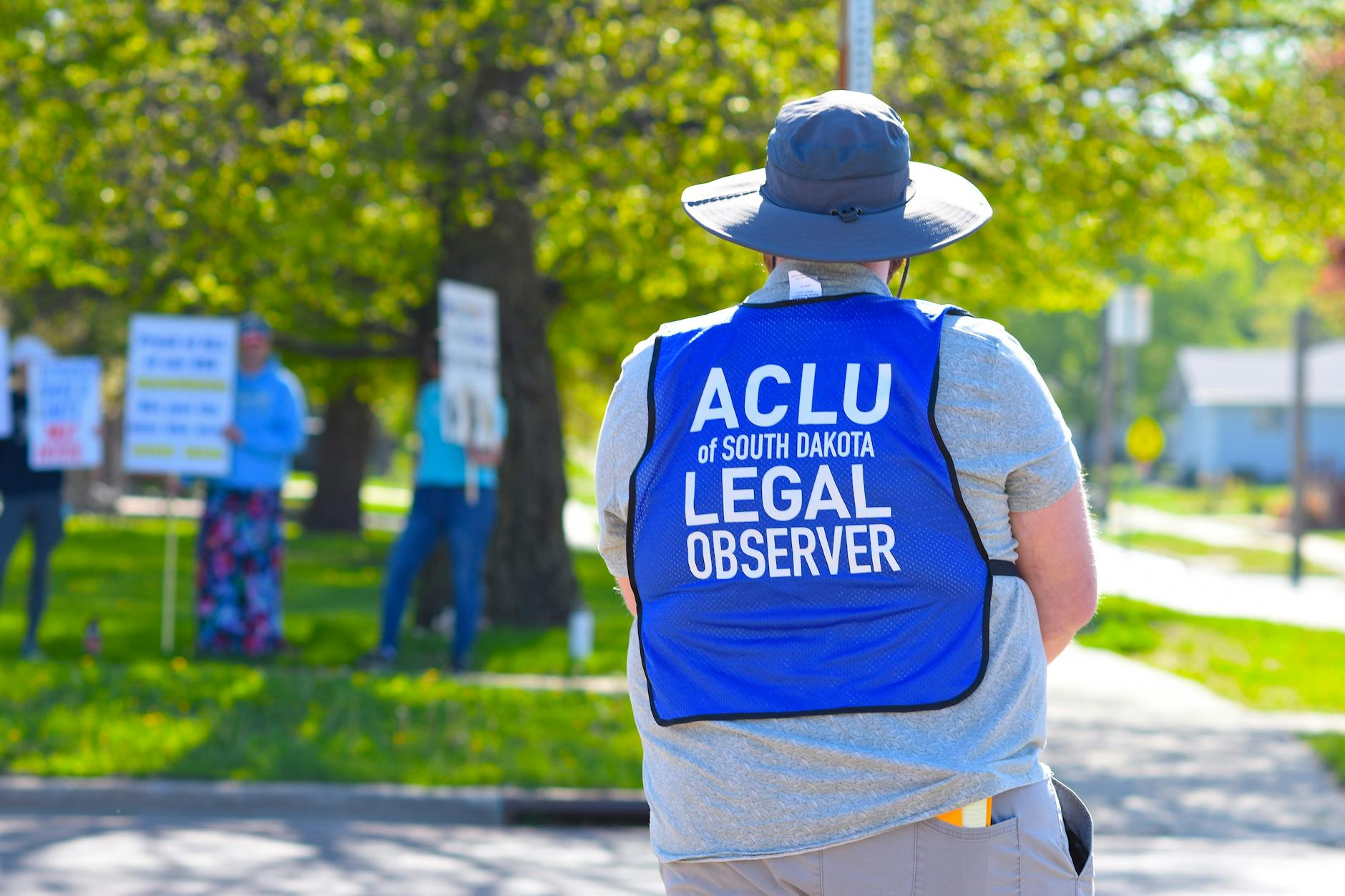
Police direction authority, often referred to as the power to direct traffic or control public gatherings, is a critical tool for maintaining public order. This authority allows law enforcement officers to issue lawful commands to individuals or groups, ensuring safety and preventing potential harm. However, this power must be exercised judiciously to avoid infringing upon civil rights.
Balancing public safety and civil rights presents a complex challenge. According to a study by the National Institute of Justice, effective police direction relies on clear communication, proportional response, and respect for individual liberties. Officers must assess each situation carefully, considering the context and potential consequences of their actions. Failure to do so can lead to unnecessary confrontations or legal repercussions.
Courts have established guidelines to help police officers navigate this delicate balance. The Supreme Court's ruling in Terry v. Ohio set a precedent for reasonable suspicion, allowing officers to briefly detain individuals if they have specific, articulable facts that suggest criminal activity. This standard ensures that police direction does not become an arbitrary exercise of power.
Training and community engagement play pivotal roles in maintaining this balance. Police departments that invest in de-escalation techniques and cultural competency training often see improved relations with the communities they serve. Transparent communication about the limits and purposes of police direction authority can also foster trust and cooperation.
Ultimately, the effectiveness of police direction authority depends on its application. When used appropriately, it enhances public safety without compromising civil rights. When misused, it can erode trust and lead to legal challenges. Continuous evaluation and adaptation of policies are essential to ensure that this authority serves its intended purpose.
Evolving Trends in Police Direction Practices
Police direction power has evolved significantly over recent decades, shifting from rigid command structures to more nuanced approaches. Modern policing increasingly emphasizes community engagement and de-escalation techniques. This evolution reflects broader societal changes and growing public expectations for accountable, transparent law enforcement.
A 2022 study by a prominent criminology research institute found that 68% of police departments have implemented some form of direction reform in the past five years. These reforms typically focus on providing officers with more discretion in handling non-violent situations. The goal is to balance public safety with respect for individual rights.
Experts note that effective police direction requires ongoing training and clear policy guidelines. Officers must understand both the legal boundaries of their authority and the community's expectations. This dual focus helps build trust while maintaining operational effectiveness.
Technology plays an increasingly important role in modern police direction practices. Body-worn cameras, for instance, provide objective documentation of interactions. Data analytics help identify patterns and improve decision-making processes. These tools complement traditional policing methods while enhancing accountability.
Police direction authority is a critical legal tool that grants law enforcement officers the power to control and regulate public behavior and movement, ensuring public safety and order. It is essential to understand that this power is not absolute but is governed by specific laws and regulations designed to protect individual rights while maintaining public safety.
For individuals, it is crucial to be aware of their rights and the limits of police authority to ensure they can navigate interactions with law enforcement confidently and safely. Citizens should familiarize themselves with local laws and seek legal advice if they feel their rights have been violated.
As society continues to evolve, the balance between public safety and individual liberties will remain a dynamic and complex issue, requiring ongoing dialogue and legal refinement.
Need this answered for your specific case?
Get a flat-fee consultation with a verified U.S. immigration attorney. Engagement letter on every paid consult.
Related guides
This guide provides general legal information and does not create an attorney–client relationship. Information accurate as of July 2026. Always verify current USCIS guidance before acting.