
Every year, thousands of individuals in the United States report incidents of police discrimination, a pervasive issue that undermines public trust in law enforcement. These incidents range from racial profiling to unjustified use of force, leaving lasting impacts on communities and individuals alike.
Understanding the legal framework surrounding these issues is crucial for anyone who wants to navigate encounters with law enforcement safely or advocate for change. Police discrimination law encompasses the legal protections and precedents that address biased policing practices. It includes federal and state laws, constitutional amendments, and landmark court cases that define the boundaries of lawful police conduct. By examining these legal protections and notable cases, individuals can better understand their rights and the mechanisms available to challenge discriminatory practices.
Defining Police Discrimination in Law

Police discrimination law addresses unjust treatment by law enforcement based on protected characteristics such as race, gender, religion, or disability. This legal framework aims to ensure equal protection under the law, as guaranteed by constitutional and statutory provisions. Discrimination can manifest in various forms, including racial profiling, excessive force, or unequal enforcement of laws.
A study by the National Academy of Sciences found that Black drivers are 20% more likely to be stopped by police than white drivers. This disparity highlights systemic issues that police discrimination laws seek to rectify. Legal protections against such discrimination are rooted in the U.S. Constitution, particularly the Equal Protection Clause of the Fourteenth Amendment.
Statutory laws, such as Title VI of the Civil Rights Act of 1964, further prohibit discrimination by entities receiving federal funds, including many law enforcement agencies. These laws provide a framework for addressing and preventing discriminatory practices within police departments. Understanding these legal protections is crucial for identifying and challenging instances of police discrimination.
According to legal experts, effective enforcement of these laws requires vigilance and accountability. Courts play a pivotal role in interpreting and applying these protections, ensuring that law enforcement agencies adhere to constitutional and statutory standards. This legal landscape continues to evolve, reflecting ongoing efforts to address and mitigate police discrimination.
Core Legal Principles Against Bias

Police discrimination law revolves around core legal principles designed to prevent biased policing. The Fourth Amendment of the U.S. Constitution protects citizens from unreasonable searches and seizures, forming the bedrock of these principles. It mandates that law enforcement must have probable cause or a valid warrant to conduct searches or make arrests. This principle ensures that police actions are based on objective evidence rather than subjective biases.
Another critical principle is the Equal Protection Clause of the Fourteenth Amendment. This clause prohibits law enforcement from treating individuals differently based on race, ethnicity, gender, or other protected characteristics. Courts have consistently ruled that discriminatory policing practices violate this constitutional guarantee. For instance, the Supreme Court's decision in Whren v. United States (1996) emphasized that pretextual stops, where officers use minor traffic violations as an excuse to investigate more serious crimes, can still be unconstitutional if motivated by bias.
Expert analysis highlights that racial profiling remains a persistent issue. According to a report by the National Academy of Sciences, Black drivers are up to three times more likely to be searched during traffic stops than white drivers, despite being less likely to be found with contraband. This disparity underscores the need for rigorous enforcement of anti-discrimination laws. Police departments must implement training programs and oversight mechanisms to address and mitigate biases in policing practices.
Accountability mechanisms are essential to uphold these principles. Internal affairs divisions, civilian review boards, and independent prosecutors play crucial roles in investigating and addressing allegations of discriminatory policing. Transparency in police practices, including the use of body cameras and public reporting of stop data, also helps deter bias and build community trust. By adhering to these core legal principles, law enforcement can work towards fair and impartial policing for all citizens.
Landmark Cases and Their Impact

Landmark cases have significantly shaped the landscape of police discrimination law in the United States. One such case is Terry v. Ohio (1968), which established the "stop and frisk" doctrine. This ruling allowed police to briefly detain and pat down individuals suspected of criminal activity based on reasonable suspicion. However, it also set a precedent for challenging racial profiling in policing practices. The case highlighted the delicate balance between public safety and individual rights, sparking ongoing debates about the scope and application of this doctrine.
A more recent case, Floyd v. City of New York (2013), addressed the widespread use of stop-and-frisk tactics by the New York Police Department. The court found that the NYPD's practices were unconstitutional due to their disproportionate targeting of minority communities. This ruling underscored the importance of accountability in policing and led to significant reforms in the department's practices. According to a study by the NYU School of Law, the number of stop-and-frisk incidents dropped by 95% in the years following the ruling.
The impact of these cases extends beyond individual rulings. They have influenced policy changes, training programs, and community relations. Experts argue that these legal milestones have been crucial in pushing for systemic reforms. However, challenges remain in ensuring consistent application of these protections across different jurisdictions. The ongoing evolution of police discrimination law continues to reflect the complexities of balancing law enforcement needs with civil rights protections.
Seeking Justice: Filing Discrimination Claims

Police discrimination occurs when law enforcement officers treat individuals unfairly based on race, ethnicity, gender, religion, or other protected characteristics. This discrimination can manifest in various forms, including racial profiling, excessive use of force, or biased policing practices. According to a study by the National Academy of Sciences, racial bias in policing persists despite efforts to address it. Victims of such discrimination may face significant emotional and physical harm, as well as legal consequences.
Filing a discrimination claim against the police involves several steps. First, victims must gather evidence to support their claims, such as witness statements, body camera footage, or medical records. Documenting incidents thoroughly can strengthen the case and provide a clear account of what transpired. Additionally, consulting with a legal professional experienced in civil rights cases can offer guidance throughout the process.
Once evidence is collected, victims can file a complaint with the relevant law enforcement agency or a federal agency like the Department of Justice. It's crucial to adhere to specific deadlines and procedures to ensure the claim is properly reviewed. Legal experts emphasize the importance of persistence and thorough documentation in these cases. Seeking justice for police discrimination requires a systematic approach and a commitment to holding law enforcement accountable for their actions.
The Evolving Landscape of Police Accountability
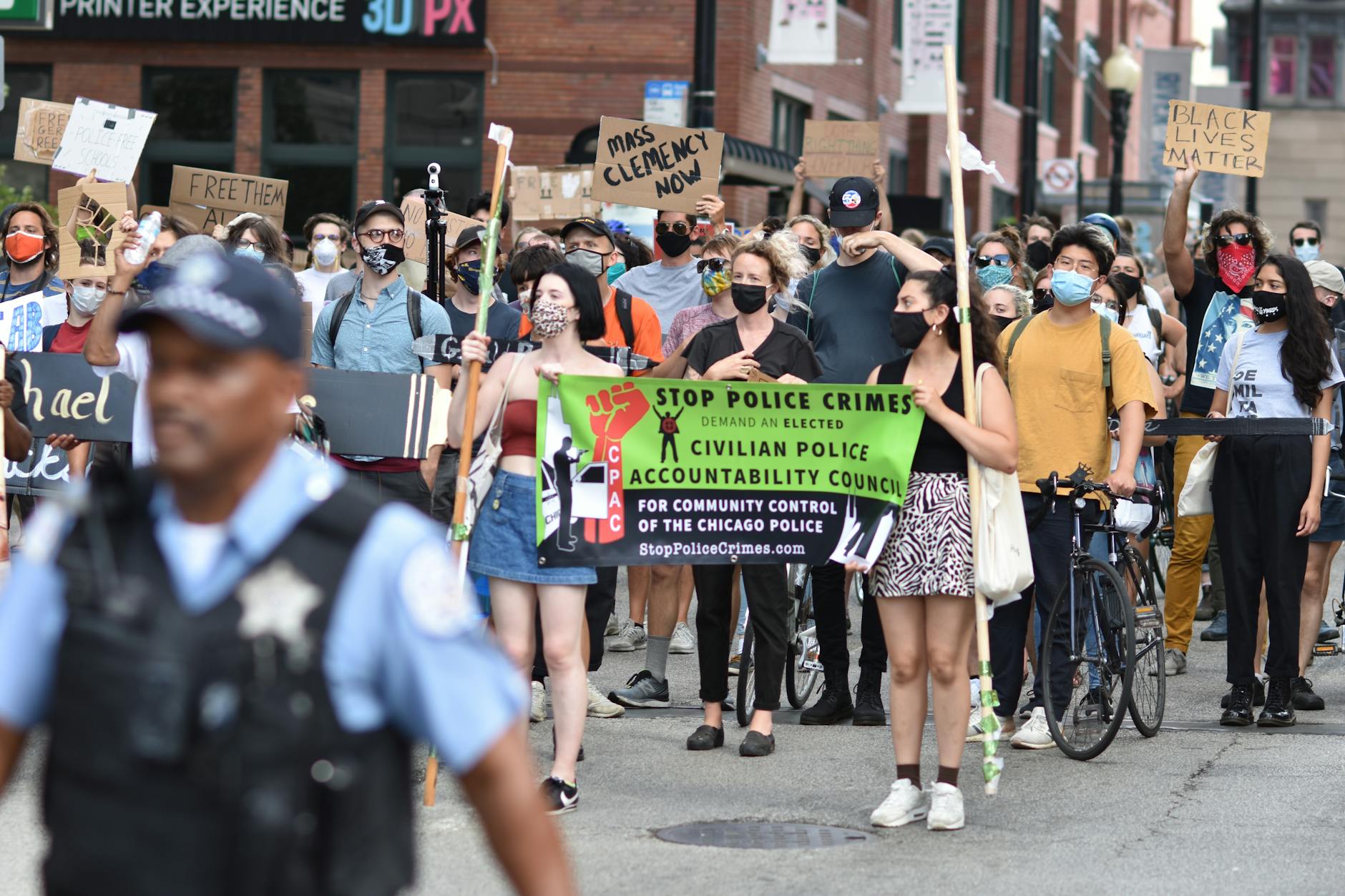
Police accountability has undergone significant transformation in recent years, driven by public demand for transparency and justice. The evolving landscape reflects a growing recognition of systemic issues within law enforcement. High-profile cases of police misconduct have sparked nationwide protests, pushing for reforms that prioritize accountability and community trust.
Legal protections against police discrimination have strengthened, with courts increasingly holding officers accountable for abusive practices. A 2020 study by the National Police Accountability Project revealed that police misconduct lawsuits have risen by 30% over the past decade. This trend underscores the need for robust legal frameworks to address discriminatory practices.
Expert analysis highlights the importance of independent oversight bodies in ensuring police accountability. These entities play a crucial role in investigating complaints and implementing corrective measures. Their work is essential for maintaining public trust and promoting fairness within law enforcement.
Technological advancements have also played a pivotal role in enhancing police accountability. Body-worn cameras and dashboard cameras provide critical evidence in cases of alleged misconduct. These tools offer an unbiased record of interactions, helping to hold officers accountable for their actions.
Police discrimination law serves as a critical framework to address and rectify unjust practices within law enforcement, ensuring that all individuals receive equal treatment under the law. It provides a pathway for those who have experienced discrimination to seek justice and hold accountable those who violate these fundamental rights. To navigate potential incidents of police discrimination, individuals should familiarize themselves with local laws, document any encounters, and seek legal counsel when necessary. As society continues to evolve, the legal landscape surrounding police discrimination will likely adapt, reflecting ongoing efforts to enhance accountability and fairness in law enforcement.
Need this answered for your specific case?
Get a flat-fee consultation with a verified U.S. immigration attorney. Engagement letter on every paid consult.
Related guides
This guide provides general legal information and does not create an attorney–client relationship. Information accurate as of July 2026. Always verify current USCIS guidance before acting.