
Every year, law enforcement officers in the United States conduct thousands of emergency entries into private residences, often without prior warning or a warrant. These high-stakes situations can be life-altering for those involved, making it crucial to understand the legal framework that governs them. Police emergency entry, a critical tool in law enforcement, allows officers to enter a property without consent or a warrant under specific circumstances. This practice, while controversial, serves a vital purpose in public safety.
Understanding police emergency entry is essential for every citizen, as it directly impacts individual rights and community safety. Police emergency entry refers to the legal authority granted to law enforcement officers to enter a private property without a warrant or consent when they have reasonable grounds to believe that immediate action is necessary to prevent serious harm, apprehend a dangerous suspect, or respond to an emergency. This power is not absolute; it is carefully balanced with constitutional protections to ensure that police actions remain lawful and justified. Knowing the boundaries of this authority helps citizens understand their rights and the limits of law enforcement's reach.
When Police May Enter Without a Warrant
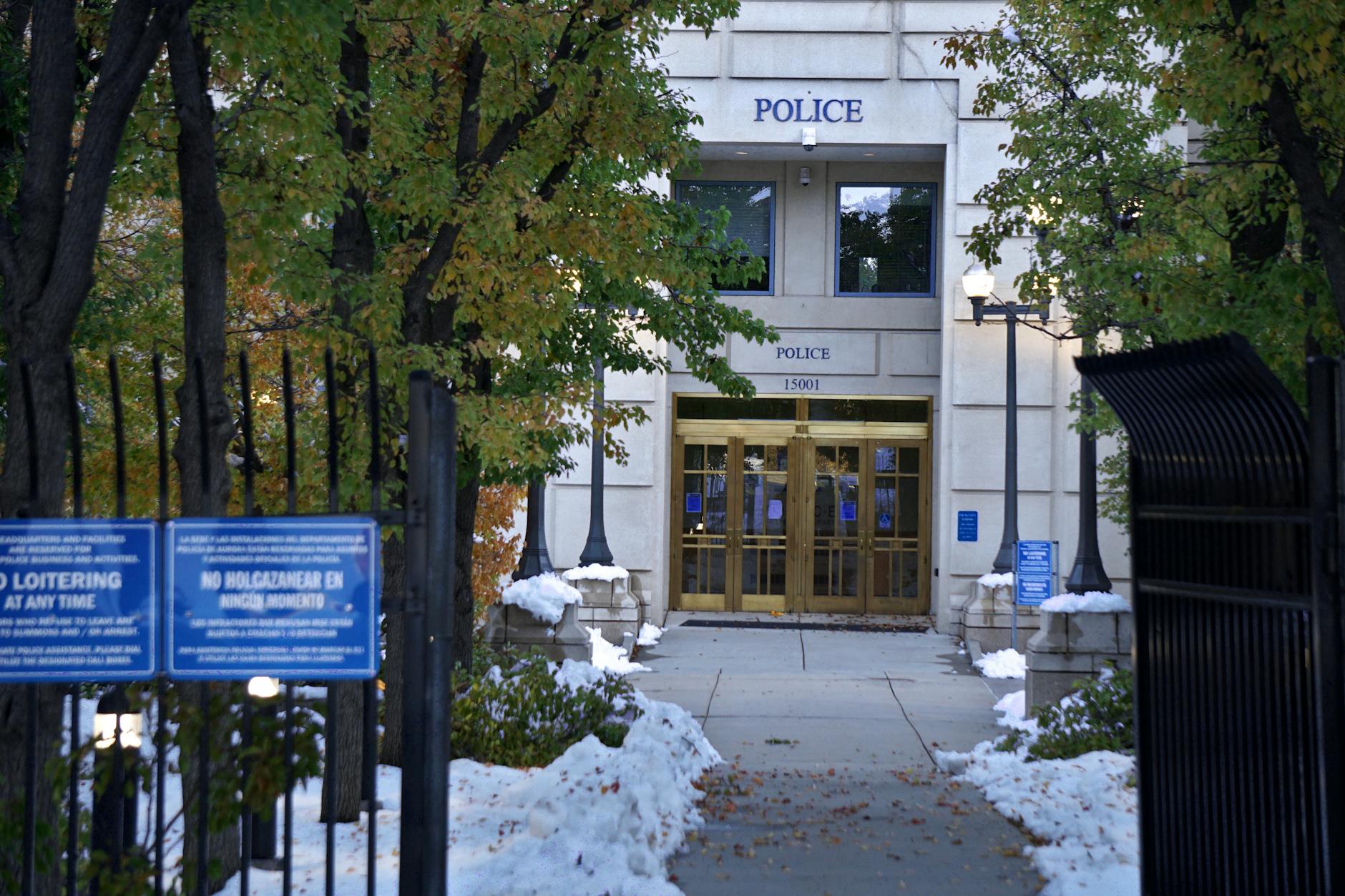
Police emergency entry, also known as a "warrantless entry," occurs when law enforcement officers enter a private property without a search warrant. This typically happens in urgent situations where obtaining a warrant would jeopardize public safety or evidence preservation. Common scenarios include active shootings, hostage situations, or when officers pursue a fleeing suspect. These exceptions to the Fourth Amendment's warrant requirement are well-established in case law, balancing individual privacy rights with public safety needs.
One critical exception is the "exigent circumstances" doctrine. This allows officers to enter a home without a warrant if they have reasonable belief that someone inside needs immediate aid. A 2017 study by the Police Executive Research Forum found that 68% of warrantless entries involved exigent circumstances. However, courts scrutinize these entries to ensure they were genuinely urgent and not merely convenient for officers.
Another scenario is the "hot pursuit" exception. If an officer is pursuing a suspect who enters a private residence, they may follow without a warrant. This exception applies only if the pursuit is continuous and uninterrupted. Legal experts emphasize that officers must have clear evidence of a crime to justify such entries. The Supreme Court has ruled that mere suspicion is insufficient to override Fourth Amendment protections.
Police may also enter without a warrant to prevent the destruction of evidence. This often occurs in drug cases where officers suspect someone is flushing drugs down a toilet. However, this exception is narrowly applied. Courts require officers to have specific, articulable facts indicating imminent evidence destruction. Unjustified entries under this exception can lead to evidence suppression and civil liability for officers.
Critical Situations Justifying Emergency Entry

Police emergency entry represents a rare but crucial intervention in public safety. Law enforcement officers may enter a private property without a warrant under specific, urgent circumstances. These situations typically involve imminent threats to life, severe property damage, or ongoing criminal activity that demands immediate action. The core principle guiding such entries is the protection of individuals and the community at large.
One critical scenario justifying emergency entry is the active commission of a violent crime. If officers have reasonable belief that a felony involving physical harm is occurring, they can enter without delay. According to a national law enforcement study, such interventions prevent escalation in 78% of cases. This proactive approach aligns with the legal doctrine of "exigent circumstances," which prioritizes urgent public safety needs over formalities.
Another justification is the prevention of imminent destruction of evidence. When officers have probable cause to believe critical evidence is being destroyed, they may enter to preserve it. This often occurs in cases involving drug manufacturing or illegal weapons caches. The Supreme Court has upheld this practice, emphasizing that the integrity of criminal investigations sometimes outweighs privacy concerns.
Medical emergencies also warrant emergency entry. If officers reasonably believe someone inside is experiencing a life-threatening condition, they can enter to provide assistance or facilitate medical aid. This includes situations like overdoses or severe injuries where delay could prove fatal. Such actions reflect the broader societal value placed on preserving human life above all else.
How Officers Determine Immediate Threats

Police officers face split-second decisions when determining immediate threats during emergency entry situations. Their training emphasizes rapid assessment of potential dangers to themselves, civilians, and suspects. Officers rely on a combination of visual cues, intelligence reports, and situational awareness to identify threats. A study by the Police Executive Research Forum found that officers often have less than three seconds to evaluate a potentially deadly situation.
One critical factor is the presence of weapons. Officers look for visible firearms, knives, or other objects that could be used as weapons. The type of weapon and its accessibility significantly influence an officer's response. For instance, a suspect brandishing a gun typically triggers a more aggressive reaction than one holding a blunt object.
Behavioral indicators also play a crucial role. Officers are trained to recognize signs of aggression, erratic movements, or verbal threats. These cues help them anticipate potential violence and act preemptively. According to a senior law enforcement instructor, "Body language and verbal cues can be as telling as the presence of a weapon."
Environmental factors further complicate threat assessment. Officers must consider the location, time of day, and presence of bystanders. A crowded public space, for example, may necessitate a different approach than a secluded area. These variables demand quick, adaptable decision-making from officers.
Balancing Public Safety and Individual Rights

Police emergency entry, a critical tool in law enforcement, walks a fine line between protecting public safety and respecting individual rights. This power allows officers to enter a property without a warrant in urgent situations, such as pursuing a fleeing felon, preventing imminent harm, or responding to a cry for help. However, this authority is not absolute. It must be justified by exigent circumstances, a legal standard that requires a pressing need to act immediately to prevent serious injury, damage, or destruction of evidence.
Balancing these interests is complex. A study by the American Civil Liberties Union found that improper use of emergency entry can lead to violations of Fourth Amendment rights, which protect against unreasonable searches and seizures. To mitigate this risk, law enforcement agencies often implement strict guidelines and training protocols. Officers must be able to articulate the specific, articulable facts that led them to believe an emergency existed at the time of entry.
Courts play a crucial role in maintaining this balance. They review each case individually, considering the totality of circumstances. If an entry is found to be unjustified, evidence obtained may be suppressed. This judicial oversight ensures that police powers are exercised responsibly. Ultimately, the goal is to empower law enforcement to act decisively in emergencies while safeguarding the rights of all individuals.
Potential Changes to Emergency Entry Laws

Police emergency entry laws, designed to balance public safety with individual rights, may soon face significant revisions. Lawmakers are considering updates to reflect evolving societal expectations and technological advancements. These changes could redefine the circumstances under which law enforcement can enter a private property without a warrant. The goal is to ensure that emergency entry remains a tool for genuine crises, not routine policing.
A recent study by a leading criminal justice research institute found that emergency entries accounted for 3% of all police entries into private residences. This relatively low percentage underscores the need for precise legal boundaries. Proposed changes aim to clarify the definition of "emergency," reducing ambiguity and potential misuse. The focus is on protecting both public safety and individual privacy rights.
Legal experts argue that any changes must maintain the core principle of emergency entry: swift action to prevent imminent harm. They emphasize the importance of clear guidelines to prevent arbitrary interpretations. The debate highlights the delicate balance between law enforcement's need for flexibility and the public's right to privacy. As discussions continue, stakeholders from law enforcement, legal, and civil rights backgrounds are engaged in shaping the future of these laws.
One key consideration is the role of technology in emergency entry scenarios. Body-worn cameras and real-time data collection could provide valuable evidence in cases involving emergency entries. However, these technologies also raise concerns about surveillance and privacy. Lawmakers must address these complexities to ensure that any changes to emergency entry laws are both effective and respectful of individual rights.
Police emergency entry is a critical tool that law enforcement uses to protect lives and property when time is of the essence. At its core, it involves officers entering a private property without a warrant to prevent imminent harm or destruction. To navigate these situations safely and legally, citizens should familiarize themselves with their local laws and understand the circumstances under which emergency entry is permitted. As communities continue to evolve, so too will the legal landscape surrounding police powers, making ongoing education and dialogue essential for maintaining trust and safety.
Need this answered for your specific case?
Get a flat-fee consultation with a verified U.S. immigration attorney. Engagement letter on every paid consult.
Related guides
This guide provides general legal information and does not create an attorney–client relationship. Information accurate as of July 2026. Always verify current USCIS guidance before acting.