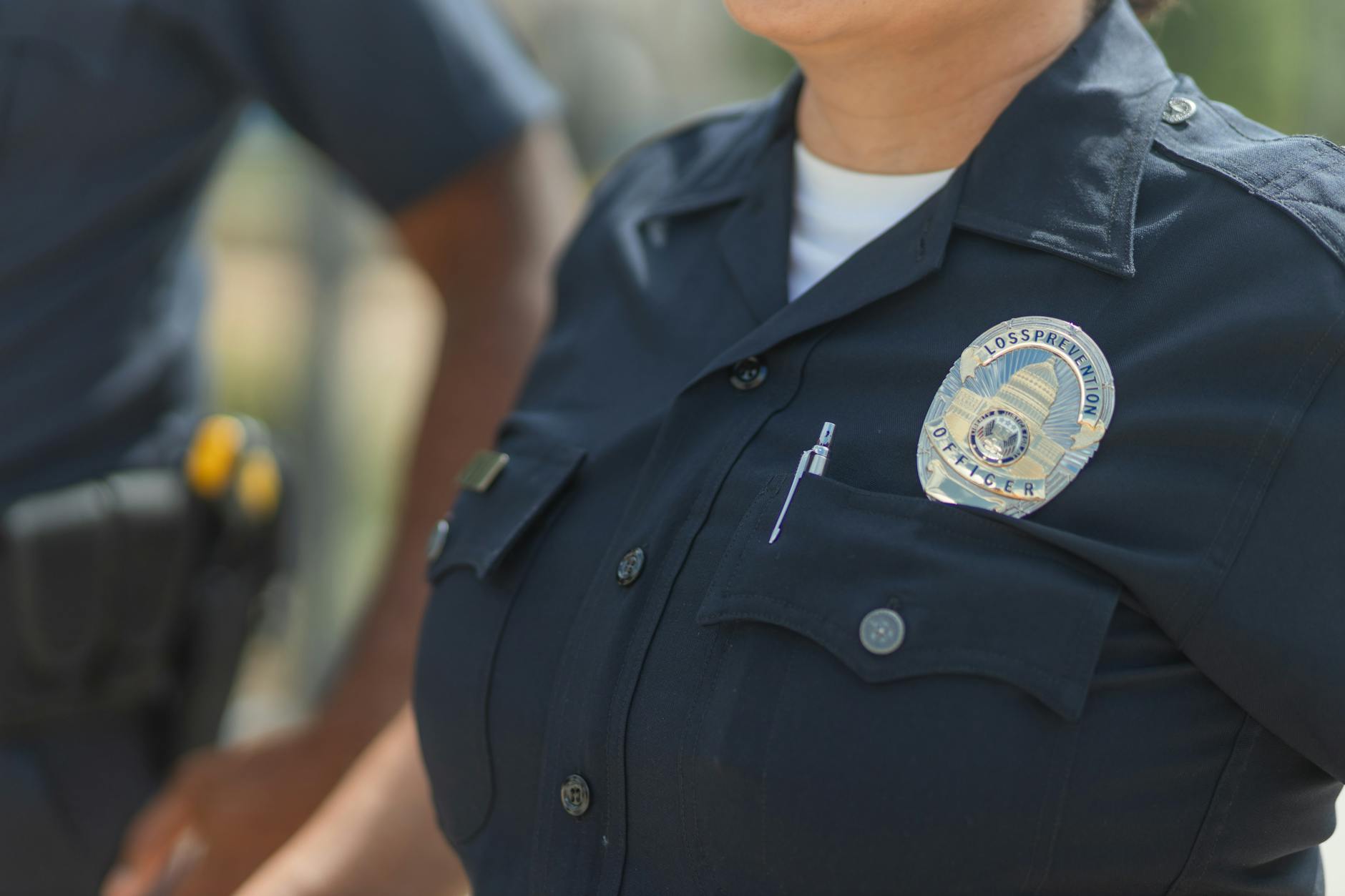
Every 3.7 seconds, a law enforcement officer responds to an emergency call in the United States. These swift actions are the backbone of public safety, demonstrating the critical role of police in crisis situations. Understanding the core duties of officers during emergencies reveals the complexity and importance of their work.
What Is Police Duty in Emergencies? It encompasses a range of responsibilities that prioritize public safety and order. Officers must quickly assess situations, protect life and property, and restore calm. Whether responding to accidents, crimes, or natural disasters, their actions directly impact communities. Understanding these duties highlights the challenges officers face and the importance of their role in maintaining safety.
The Role of Police in Crisis Situations
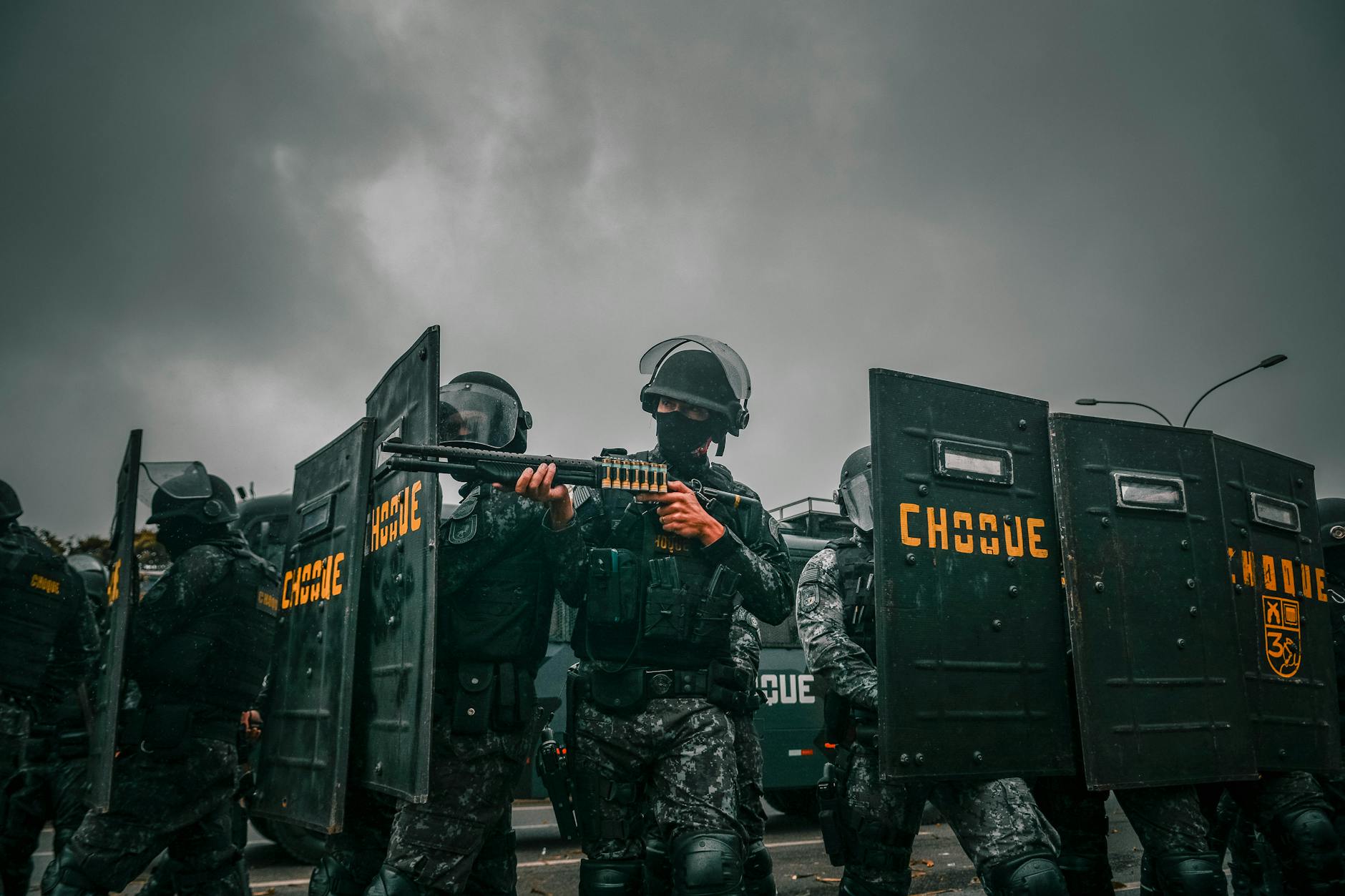
When emergencies strike, police officers often become the first line of defense. Their primary duty shifts from routine law enforcement to crisis management. Officers must quickly assess situations, prioritize threats, and coordinate responses. This rapid decision-making can mean the difference between life and death. For instance, during natural disasters, police secure evacuation routes and assist stranded citizens.
A critical aspect of police duty in emergencies involves maintaining public order. Crowd control becomes essential during large-scale incidents. Officers use strategic positioning and communication to prevent panic. According to a study by the National Police Foundation, effective crowd management reduces injury rates by up to 40%. This expertise ensures safety while allowing emergency services to operate efficiently.
Police also play a vital role in gathering and relaying information. They serve as liaisons between citizens and emergency responders. By collecting accurate details, officers help dispatchers allocate resources effectively. This coordination minimizes response times and enhances overall emergency management. Their ability to remain calm under pressure is invaluable in these high-stakes scenarios.
In the aftermath of crises, police focus on restoring normalcy. They document incidents, assist with investigations, and provide support to affected communities. This phase is crucial for rebuilding trust and ensuring long-term stability. Officers often collaborate with other agencies to address lingering issues. Their dedication during these challenging times underscores their indispensable role in emergency response.
Core Responsibilities During Emergencies
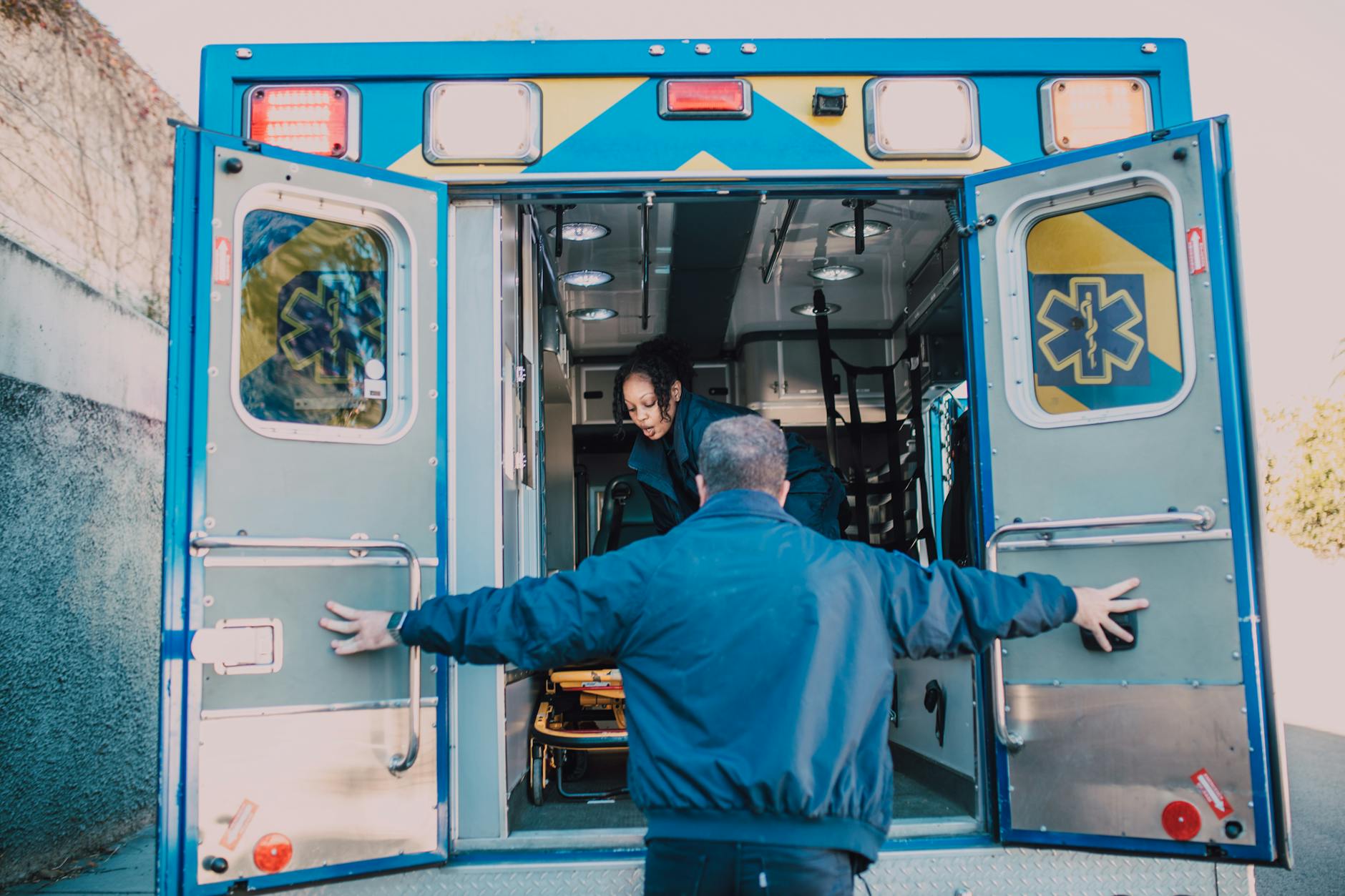
During emergencies, police officers serve as the frontline responders, tasked with ensuring public safety and maintaining order. Their core responsibilities begin with rapid response to distress calls, whether it's a medical emergency, a fire, or a crime in progress. Officers are trained to assess situations quickly, prioritize threats, and take immediate action to mitigate harm. This often involves coordinating with other emergency services, such as firefighters and paramedics, to provide a comprehensive response.
One of the most critical duties is securing the scene. Police officers establish perimeters, control crowds, and ensure that only authorized personnel can access the area. This not only protects potential victims but also safeguards evidence that could be crucial for investigations. According to a study by the National Police Foundation, effective scene management can reduce response times by up to 30%, highlighting the importance of this role.
Officers also play a vital role in providing first aid and medical assistance until professional medical help arrives. Many police departments equip their officers with basic medical training and supplies to handle emergencies. This can range from administering CPR to managing bleeding wounds. Their ability to remain calm under pressure and act decisively can mean the difference between life and death for those in need.
In addition to immediate response, police officers are responsible for gathering information and documenting the incident. This includes interviewing witnesses, collecting evidence, and filing detailed reports. These actions are essential for subsequent investigations and legal proceedings. Their thoroughness ensures that all relevant details are captured, aiding in the resolution of the case.
How Officers Prioritize Emergency Calls
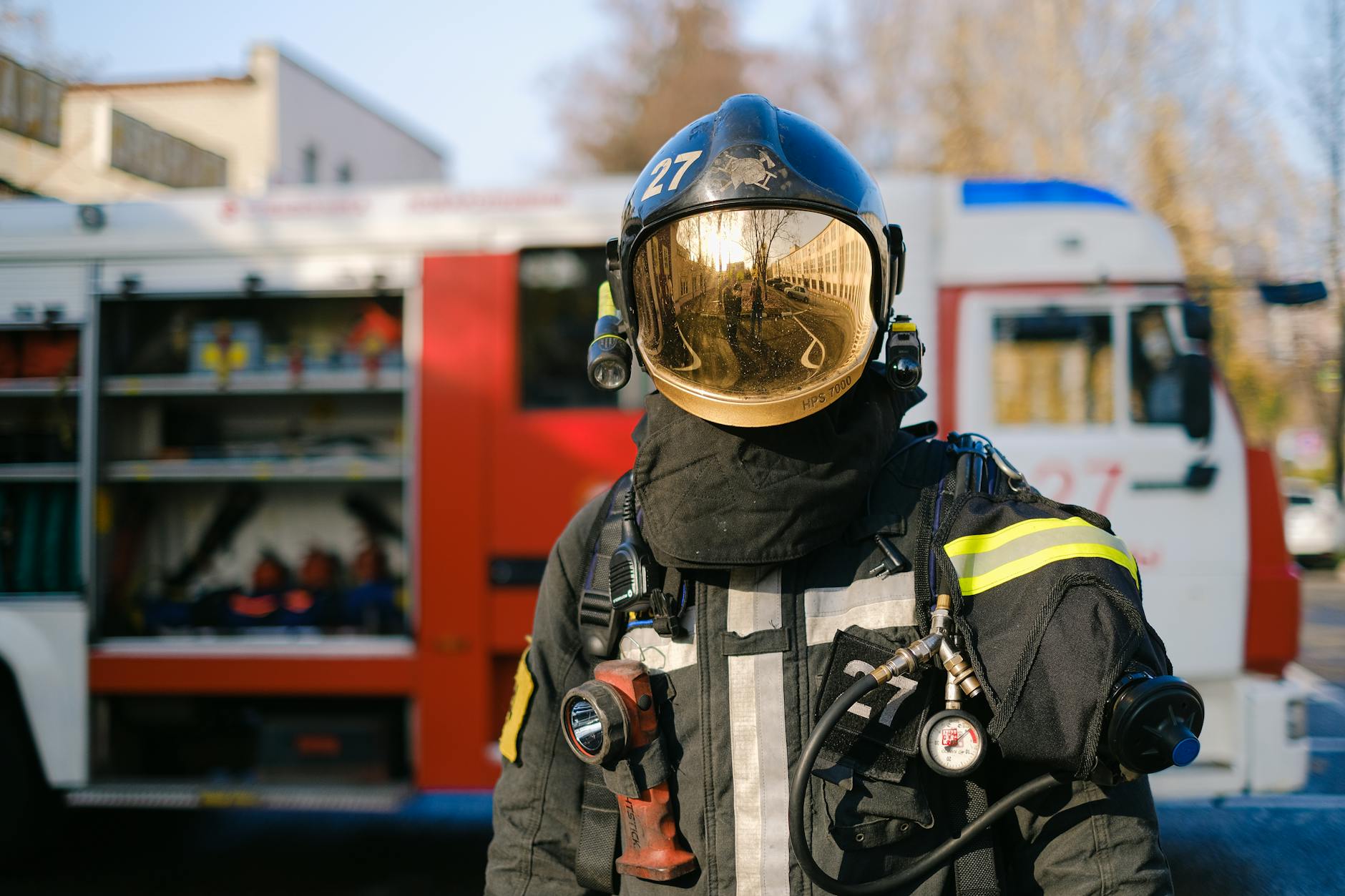
Police officers face a daunting task when prioritizing emergency calls. They must make split-second decisions that can mean the difference between life and death. According to a study by the Police Executive Research Forum, officers typically use a triage system to categorize calls based on severity and urgency. This system helps them allocate resources effectively, ensuring the most critical situations receive immediate attention.
One key factor in prioritization is the nature of the emergency. Officers are trained to recognize the signs of life-threatening situations, such as active shooters, medical emergencies, or severe accidents. These calls often receive the highest priority, as swift response can significantly improve outcomes. However, officers must also consider the potential for escalation. A seemingly minor dispute might quickly turn violent, requiring immediate intervention.
Another critical aspect is the availability of resources. Police departments must balance the need to respond to urgent calls with the necessity of maintaining patrol coverage. Officers often have to make tough decisions about diverting resources from one area to another. This balancing act requires a deep understanding of the community and its unique challenges. Effective prioritization ensures that police can protect and serve the public efficiently, even in the most demanding circumstances.
Community expectations also play a role in how officers prioritize calls. The public often expects an immediate response to any emergency, but officers must manage these expectations while adhering to established protocols. Clear communication with the public about response times and priorities can help build trust and understanding. Ultimately, the goal is to provide the best possible service while ensuring the safety of both officers and the community.
Training for Effective Emergency Response

Police officers undergo rigorous training to prepare for emergency situations. This training covers a wide range of scenarios, from natural disasters to active shooter situations. Officers learn to assess threats quickly, make critical decisions under pressure, and coordinate with other emergency responders. The Federal Bureau of Investigation (FBI) reports that effective emergency response training can significantly improve outcomes in crisis situations.
One key aspect of this training is scenario-based learning. Officers practice responding to emergencies in simulated environments, allowing them to develop muscle memory and quick thinking. These simulations often include unexpected variables to challenge officers and prepare them for the unpredictability of real-life emergencies. The goal is to ensure that officers can adapt to any situation, no matter how chaotic.
Communication skills are also a vital part of emergency response training. Officers learn to relay information clearly and concisely to dispatchers, fellow officers, and other emergency personnel. Effective communication can mean the difference between life and death in critical situations. Training often includes exercises that focus on maintaining calm and clarity under stress.
Physical fitness and tactical training are equally important. Officers must be in peak physical condition to respond effectively to emergencies. This includes strength, endurance, and agility training. Tactical training covers weapons handling, defensive tactics, and first aid. Regular drills and exercises ensure that officers are always ready to respond to any emergency.
Evolving Police Tactics for Future Threats
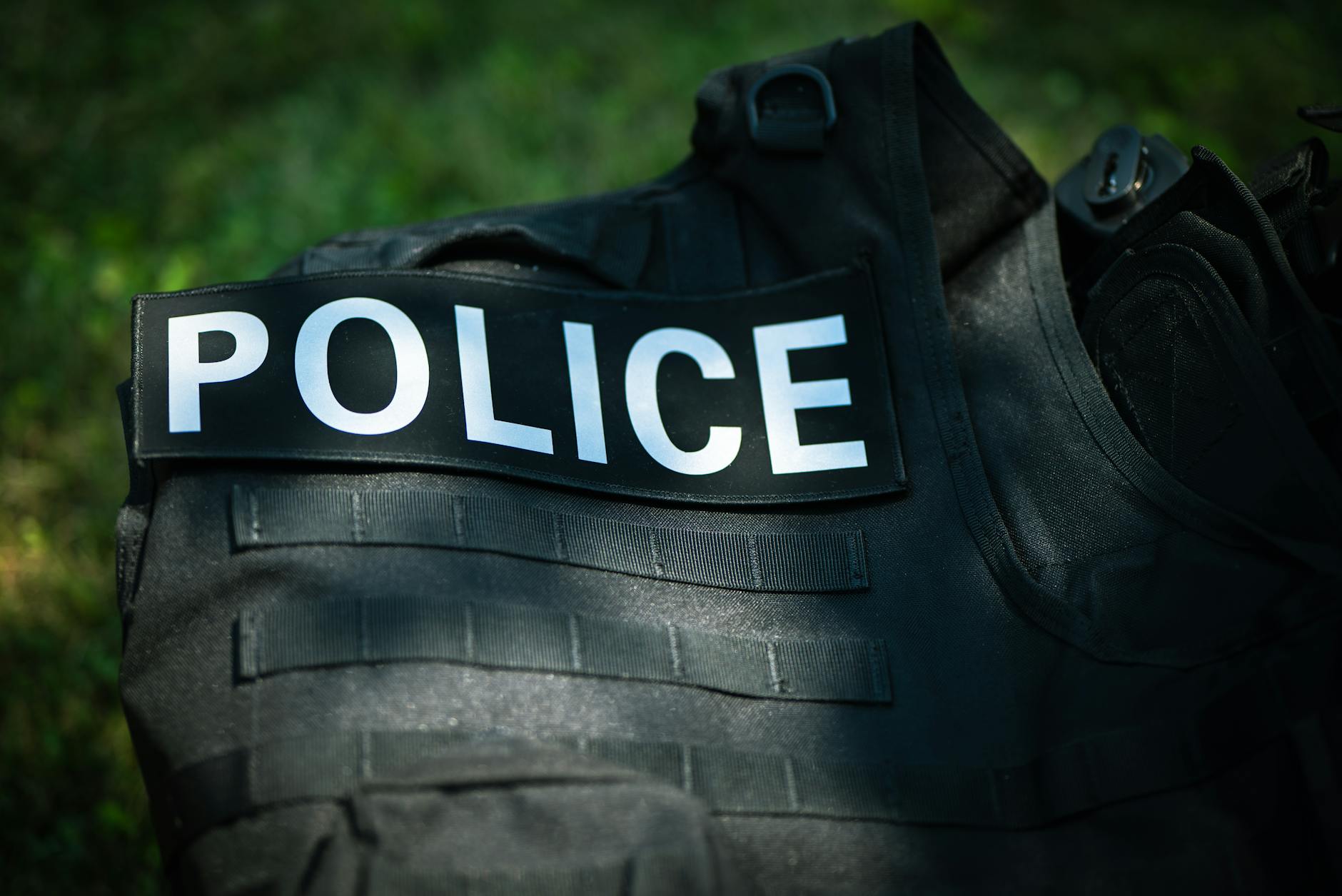
Police departments across the country are constantly adapting their tactics to address emerging threats. One significant shift involves the integration of advanced technology into emergency response protocols. Body-worn cameras, real-time data analytics, and AI-driven predictive policing tools are becoming standard equipment. These innovations enhance situational awareness and enable quicker, more informed decision-making during critical incidents.
Community engagement has also become a cornerstone of modern police tactics. Building trust with local residents helps officers gather intelligence and respond more effectively to emergencies. A study by the Police Executive Research Forum found that communities with strong police relationships report a 20% increase in crime reporting rates. This collaboration fosters a safer environment and allows for more proactive policing strategies.
Training programs have evolved to focus on de-escalation techniques and crisis intervention. Officers are now equipped to handle mental health crises, active shooter situations, and other complex emergencies with greater precision. Specialized units, such as SWAT teams and crisis negotiation teams, receive rigorous training to manage high-risk scenarios. These efforts aim to minimize harm and ensure the safety of both officers and civilians.
Environmental factors, such as natural disasters and public health crises, have also influenced police tactics. Departments are now incorporating disaster response plans into their emergency protocols. Collaboration with other agencies, such as fire departments and emergency medical services, ensures a coordinated and effective response. This holistic approach prepares police officers to handle a wide range of emergencies, from hurricanes to pandemics.
Understanding police emergency response duties is crucial for public safety and community trust. Officers are trained to prioritize life-saving measures, secure scenes, gather evidence, provide medical aid, and maintain order during crises. These responsibilities ensure swift, effective action when seconds count. To stay informed, residents should familiarize themselves with local emergency protocols and know when to call 911. As communities evolve, so too will the challenges facing law enforcement, necessitating continuous adaptation and innovation in emergency response strategies.
Need this answered for your specific case?
Get a flat-fee consultation with a verified U.S. immigration attorney. Engagement letter on every paid consult.
Related guides
This guide provides general legal information and does not create an attorney–client relationship. Information accurate as of July 2026. Always verify current USCIS guidance before acting.