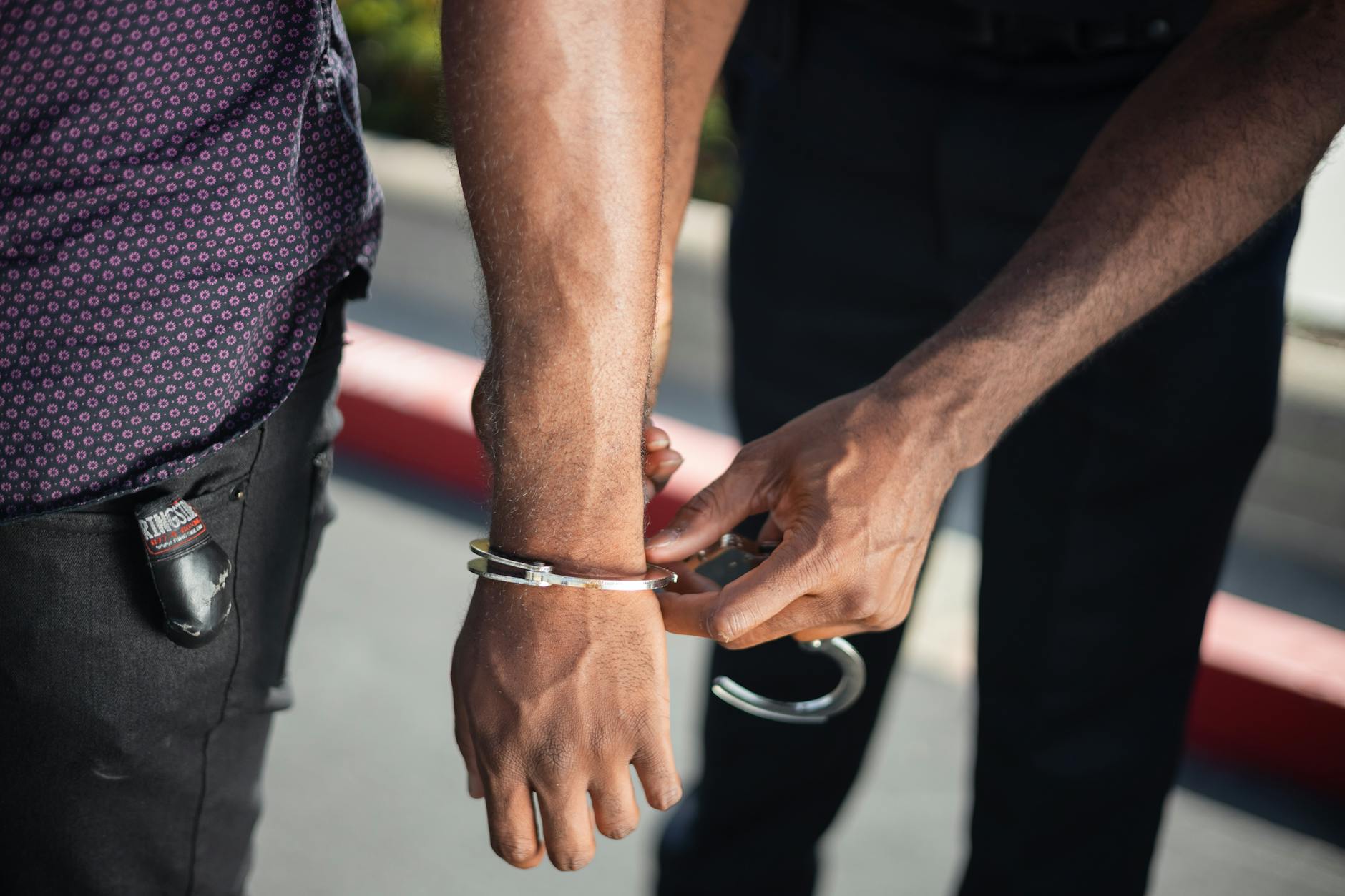
Public nuisance crimes account for a significant portion of legal cases, yet many people remain unaware of their implications. These offenses disrupt the public peace and order, affecting communities at large. Understanding what constitutes a public nuisance crime is crucial for both legal professionals and the general public.
So, what is public nuisance crime? It refers to actions that interfere with the public's right to enjoy their property or use public spaces comfortably. These crimes can range from noise pollution to environmental hazards, impacting daily life and community well-being. Recognizing the key legal aspects of public nuisance crimes helps individuals navigate their rights and responsibilities within society. What is public nuisance crime, exactly? It encompasses a broad spectrum of behaviors that collectively undermine public safety and tranquility.
Defining Public Nuisance in Legal Terms
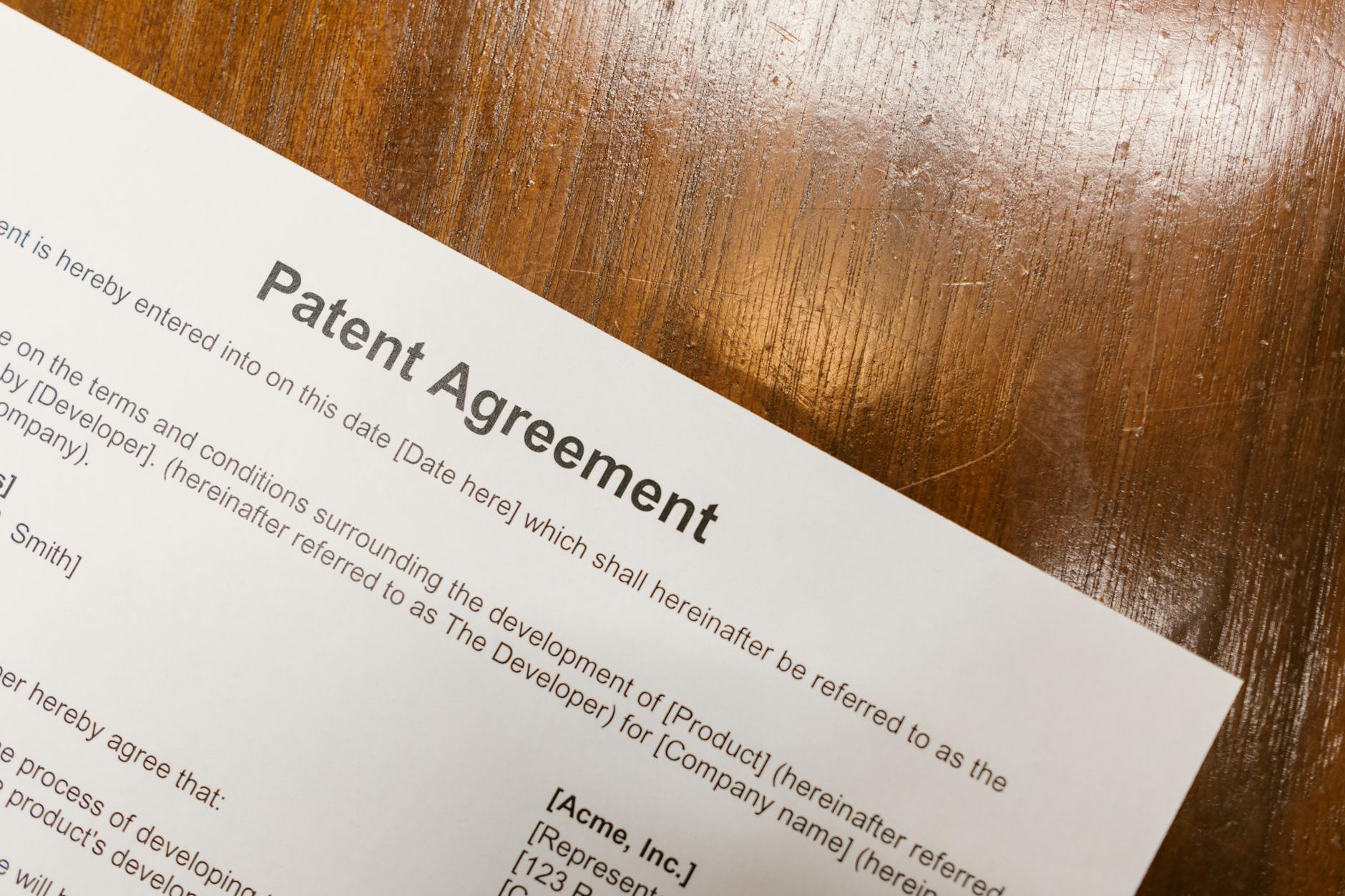
Public nuisance, in legal terms, refers to an unreasonable interference with a person's use and enjoyment of their property or an unreasonable interference with the health, comfort, or convenience of the general public. This broad definition encompasses a wide range of behaviors and activities that disrupt public order or safety. The key element is that the interference must be substantial and affect a considerable number of people.
Courts often look at the intent behind the action when determining if it constitutes a public nuisance. Unlike private nuisances, which typically involve disputes between neighbors or private parties, public nuisances involve a broader impact on the community. According to legal experts, the distinction lies in the scale and scope of the disruption caused. For instance, a factory emitting excessive pollution that affects an entire neighborhood would likely be considered a public nuisance.
Statutes and case law provide guidance on what constitutes a public nuisance. Activities such as blocking public roads, creating excessive noise, or maintaining unsanitary conditions can all fall under this category. The legal system aims to balance individual rights with the collective well-being of the community. A study by the American Bar Association found that public nuisance cases often involve a complex interplay between local ordinances and state laws.
Public nuisance laws vary by jurisdiction, but they generally aim to protect the public's right to enjoy their environment without undue interference. Understanding these legal principles is crucial for both individuals and businesses to avoid potential legal consequences. The legal framework surrounding public nuisance continues to evolve, reflecting the changing needs and values of society.
Key Elements That Constitute Public Nuisance
Public nuisance crimes disrupt the public peace, health, or safety. These offenses typically involve unreasonable interference with the use and enjoyment of public spaces or resources. Key elements include the act itself, its public nature, and the resulting harm or inconvenience. For instance, illegal dumping in a public park would qualify as a public nuisance.
One crucial aspect is the intent behind the action. While some nuisances occur negligently, others stem from deliberate disregard for public welfare. According to legal experts, intent can significantly influence the severity of penalties. A study by the National Institute of Justice found that intentional public nuisances increased by 15% over the past decade, highlighting the growing concern.
Another vital component is the duration and frequency of the nuisance. A single, brief disturbance may not constitute a public nuisance, but repeated or prolonged incidents often do. For example, persistent loud noises from a construction site during nighttime hours could meet this criterion.
Public nuisance crimes also require proof of substantial harm or inconvenience. Minor inconveniences typically do not qualify. Courts often consider factors like the number of people affected, the severity of the disruption, and the duration of the disturbance. This element ensures that only significant disruptions are penalized, maintaining a balance between public safety and individual liberties.
How Public Nuisance Differs From Private Nuisance

Public nuisance and private nuisance are both legal concepts addressing harmful or offensive behavior, but they differ significantly in scope and impact. A public nuisance affects an entire community or a significant portion of it, whereas a private nuisance typically involves interference with a specific individual's use and enjoyment of their property. For instance, a factory emitting excessive pollution that harms an entire neighborhood constitutes a public nuisance, while the same factory's noise disturbing a single homeowner's peace would be a private nuisance.
Legal experts emphasize that the distinction lies in the scale of the disturbance. According to a leading legal scholar, "Public nuisances are actions that offend, injure, or endanger the comfort, health, or property of the general public." This broad impact often leads to criminal charges, as the offense is against society as a whole. In contrast, private nuisances are usually civil matters, resolved through lawsuits seeking damages or injunctions.
Statistically, public nuisance cases are less common but carry more severe penalties. The U.S. Environmental Protection Agency reports that only about 15% of environmental cases involve public nuisance claims, yet these cases often result in significant fines and remediation orders. This underscores the gravity of public nuisances, which can disrupt entire communities and require collective action to address.
Understanding this distinction is crucial for both legal practitioners and affected individuals. Recognizing whether a nuisance is public or private determines the appropriate legal response and the potential remedies available. This clarity ensures that justice is served, whether through criminal prosecution or civil litigation.
Real-World Examples of Public Nuisance Cases
Public nuisance cases span a wide range of scenarios, often leaving a significant impact on communities. One notable example occurred in the city of Flint, Michigan, where government officials failed to ensure safe drinking water, leading to widespread lead contamination. This case highlights how negligence can create a public health crisis, affecting thousands of residents and drawing national attention.
A more localized example involves noise pollution from nightclubs or bars. In 2018, a court in New York ruled against a popular nightclub for repeatedly disturbing the peace with excessive noise late into the night. The ruling underscored the importance of balancing business interests with community well-being. Studies show that chronic noise pollution can lead to health issues like stress and sleep disorders, affecting overall quality of life.
Another case involved a factory emitting harmful chemicals into the air, causing respiratory problems for nearby residents. Legal experts emphasize that such cases often involve complex evidence, requiring thorough investigation and expert testimony. The factory was eventually ordered to install proper filtration systems, demonstrating how legal action can enforce environmental regulations and protect public health.
These examples illustrate the diverse nature of public nuisance cases. Whether involving environmental hazards, noise pollution, or public health risks, these incidents highlight the need for legal frameworks to address and prevent such issues. Courts play a crucial role in balancing individual rights with the greater good of the community.
Evolving Legal Responses to Public Nuisance

Public nuisance crimes encompass a wide range of behaviors that disrupt the public peace, endanger public health, or interfere with public rights. These offenses can include activities like illegal dumping, excessive noise, or even public intoxication. The legal responses to such nuisances have evolved significantly over time, reflecting societal changes and the need for more effective regulation.
Historically, public nuisance laws were often vague and broadly applied, leading to inconsistencies in enforcement. However, modern legal systems have moved towards more precise definitions and structured penalties. For instance, many jurisdictions now classify public nuisance crimes into misdemeanors or felonies based on the severity of the offense. This shift aims to ensure that the punishment fits the crime, providing a clearer framework for both law enforcement and the public.
According to legal experts, the evolution of public nuisance laws also reflects a growing emphasis on community well-being. Courts are increasingly considering the impact of nuisance crimes on the quality of life in affected areas. For example, a 2020 study found that communities with robust public nuisance laws reported a 20% reduction in repeat offenses. This data underscores the importance of tailored legal responses in maintaining public order and safety.
In recent years, technology has played a pivotal role in shaping legal responses to public nuisance crimes. Surveillance cameras, social media monitoring, and other digital tools have enabled law enforcement to identify and address nuisances more efficiently. These advancements have also facilitated community involvement, allowing residents to report issues promptly. As technology continues to evolve, so too will the legal strategies employed to combat public nuisance crimes.
Public nuisance crimes disrupt the public peace and interfere with the rights of the community, making them a serious legal matter. Understanding the key aspects of these offenses is crucial for both legal professionals and concerned citizens. To protect oneself and the community, it's essential to report any suspected public nuisance activities to local authorities promptly. As awareness grows and legal frameworks evolve, the fight against public nuisance crimes will continue to strengthen, ensuring safer and more harmonious communities.
Need this answered for your specific case?
Get a flat-fee consultation with a verified U.S. immigration attorney. Engagement letter on every paid consult.
Related guides
This guide provides general legal information and does not create an attorney–client relationship. Information accurate as of July 2026. Always verify current USCIS guidance before acting.