
Over 1 billion people worldwide belong to vulnerable groups, facing systemic discrimination and exclusion. These individuals often struggle to access basic services, opportunities, and justice. Understanding their rights is the first step toward creating a more equitable society.
What Are Rights for Vulnerable Groups? They are fundamental entitlements designed to protect and empower those at risk of marginalization. These rights encompass legal protections, access to essential services, and opportunities for social and economic inclusion. What Are Rights for Vulnerable Groups? They are not just moral imperatives but legal obligations that governments and societies must uphold. Recognizing and advocating for these rights ensures that vulnerable groups can live with dignity, security, and hope for a better future.
Recognizing vulnerable populations

Vulnerable groups encompass diverse populations facing systemic disadvantages, including but not limited to racial and ethnic minorities, people with disabilities, the elderly, refugees, and low-income individuals. These groups often encounter barriers to accessing fundamental rights, such as education, healthcare, and employment opportunities. Recognizing these populations is the first step toward addressing their unique challenges and ensuring their rights are protected.
According to a report by the United Nations, approximately 1 in 5 people worldwide experience some form of discrimination due to their identity or circumstances. This statistic underscores the urgent need for policies and practices that safeguard the rights of vulnerable groups. Experts emphasize that understanding the specific needs and experiences of these populations is crucial for developing effective interventions.
Each vulnerable group faces distinct challenges. For instance, people with disabilities may struggle with physical accessibility, while refugees often encounter language barriers and legal hurdles. Elderly individuals might grapple with age discrimination and healthcare disparities. By acknowledging these varied experiences, societies can better tailor support systems to meet their needs.
Advocacy organizations and policymakers play a pivotal role in recognizing and addressing the rights of vulnerable groups. Through targeted initiatives and inclusive policies, they can help create a more equitable society where everyone has the opportunity to thrive. This recognition is not just a moral imperative but also a legal obligation under international human rights frameworks.
Core principles of protection

Protection for vulnerable groups hinges on three core principles: equality, non-discrimination, and accessibility. Equality ensures everyone has the same opportunities and rights, regardless of their vulnerabilities. Non-discrimination prohibits unfair treatment based on characteristics like race, gender, or disability. Accessibility guarantees that rights and services are available to all, removing physical and social barriers.
Experts emphasize that these principles create a foundation for dignity and inclusion. The UN Convention on the Rights of Persons with Disabilities, ratified by 182 countries, underscores this commitment. It states that 15% of the world's population lives with some form of disability, highlighting the urgent need for these protections.
Equality in practice means adapting systems to meet diverse needs. Non-discrimination laws enforce fairness, while accessibility initiatives break down exclusionary barriers. Together, these principles foster societies where vulnerable groups can thrive.
Implementation varies globally, but progress is evident. Countries like Canada and Sweden lead in inclusive policies, while others strive to catch up. The journey toward full protection continues, driven by these core principles.
Ensuring access to essential services

Access to essential services forms the backbone of dignity and independence for vulnerable groups. These services include healthcare, education, housing, and social protection. The United Nations Convention on the Rights of Persons with Disabilities, for instance, emphasizes the right to live independently and be included in the community. This means ensuring physical access to buildings, information in accessible formats, and affordable, quality services tailored to specific needs.
Healthcare systems must adapt to meet diverse needs. According to the World Health Organization, over one billion people worldwide need at least one form of assistive product, yet access remains a significant challenge. Regular check-ups, mental health support, and specialized care should be available without discrimination. Training healthcare professionals in inclusive practices further bridges gaps in service delivery.
Education systems also play a crucial role. Schools must provide reasonable accommodations, such as sign language interpreters or modified curricula. The Global Education Monitoring Report highlights that inclusive education benefits all students, fostering empathy and understanding. Governments and institutions share responsibility in creating environments where every learner can thrive.
Social protection schemes, including cash transfers and employment support, help vulnerable individuals maintain dignity. These programs reduce poverty and enhance participation in society. Experts argue that targeted policies, combined with community engagement, create sustainable pathways out of vulnerability. Ensuring access to these services is not just a legal obligation but a moral imperative for a just society.
Advocacy and empowerment strategies
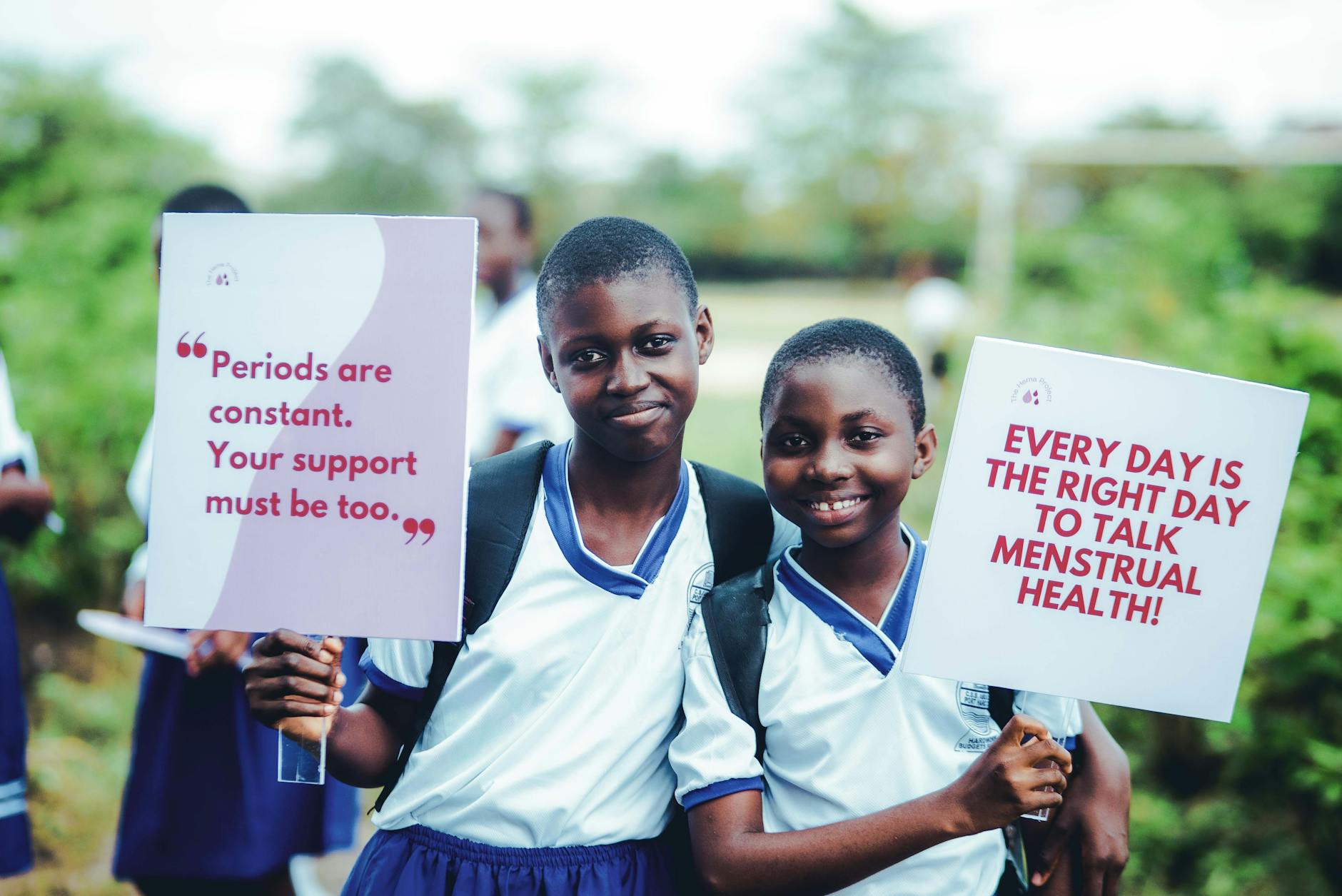
Advocacy for vulnerable groups hinges on empowering individuals to understand and assert their rights. Organizations often provide workshops and training sessions to educate people about their entitlements, fostering confidence to challenge injustices. These initiatives create ripple effects, as informed individuals become advocates within their communities, amplifying the collective voice for change.
Legal empowerment strategies prove particularly effective. A study by the World Bank revealed that providing legal aid to vulnerable populations increased their access to justice by 40%. By simplifying legal processes and offering pro bono services, barriers to justice are dismantled, ensuring rights are upheld. This approach not only addresses immediate grievances but also builds long-term resilience.
Community-based advocacy leverages local networks to drive systemic change. Grassroots movements often lead to policy reforms by highlighting systemic issues through personal stories and data. These efforts demonstrate the power of collective action in advocating for rights. By uniting under a common cause, vulnerable groups gain the strength to challenge oppressive structures.
Digital platforms have emerged as powerful tools for advocacy. Social media campaigns and online petitions amplify voices, reaching wider audiences and pressuring institutions to act. Technology democratizes advocacy, enabling marginalized groups to bypass traditional barriers to engagement. This digital empowerment is reshaping how rights are defended and promoted globally.
Building inclusive communities for tomorrow
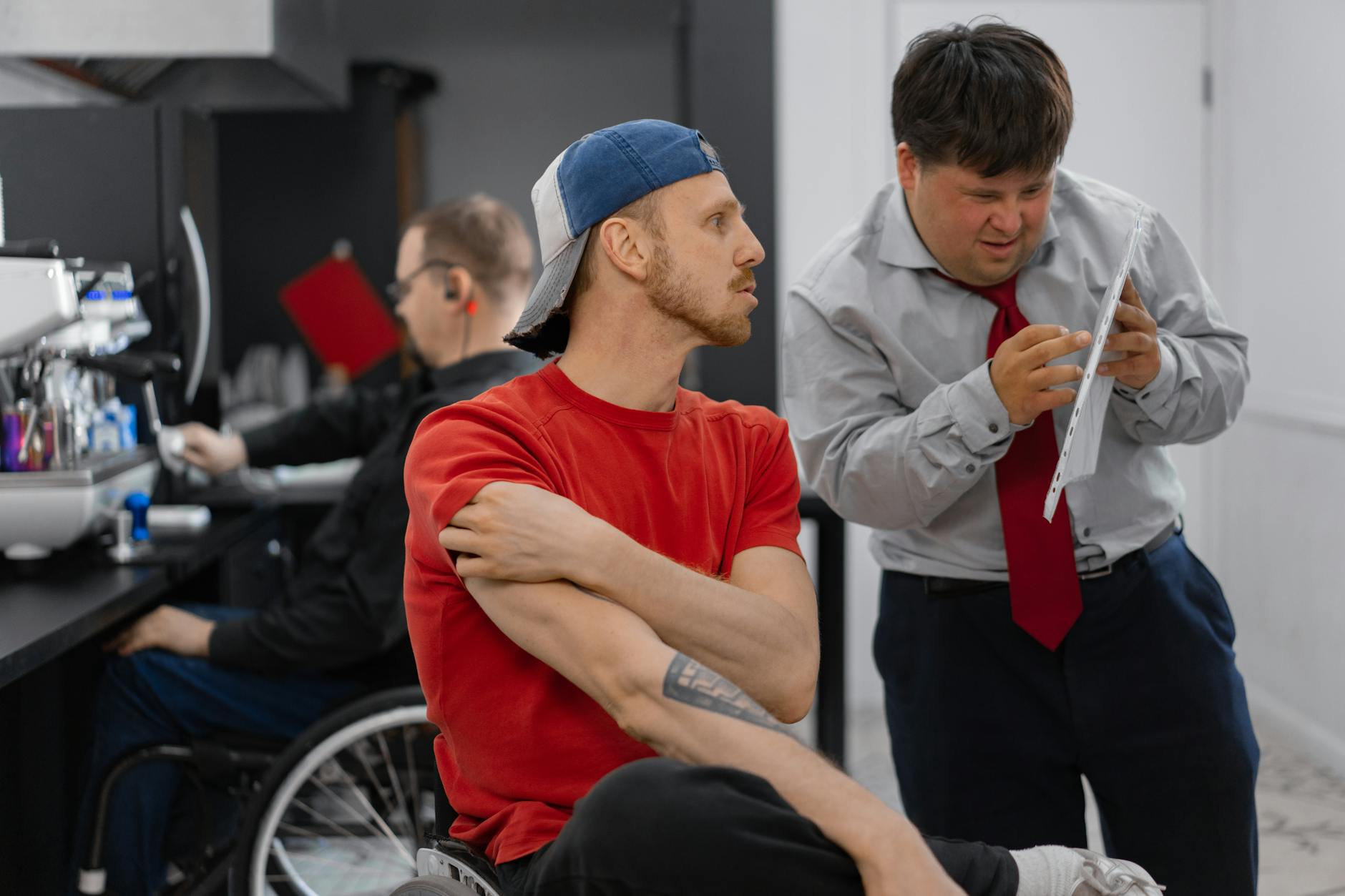
Building inclusive communities requires understanding and upholding the rights of vulnerable groups. These rights serve as a foundation for equality, ensuring everyone has access to opportunities and protections. At their core, they address basic human needs while also tackling systemic barriers that marginalized individuals face daily.
One critical right is access to education. Studies show that inclusive education improves outcomes for all students, not just those with disabilities. When schools adapt curricula and facilities, they create environments where every child can thrive. This approach fosters empathy and prepares future generations to value diversity.
Housing security represents another fundamental right. Stable housing reduces stress and improves health, yet many vulnerable groups struggle to find affordable options. Policymakers and advocates emphasize the need for policies that prioritize equitable housing distribution. Without safe homes, individuals face compounded challenges in employment and social integration.
Legal protections also play a vital role. Many vulnerable groups encounter discrimination in workplaces and public spaces. Strong anti-discrimination laws provide recourse and deter harmful behavior. However, enforcement remains inconsistent, highlighting the need for ongoing advocacy and reform.
Ultimately, building inclusive communities demands collective effort. Governments, organizations, and individuals must collaborate to dismantle systemic inequities. By prioritizing these rights, societies can create environments where everyone has the chance to participate fully and live with dignity.
Understanding and upholding the rights of vulnerable groups is not just a moral imperative but a legal and social responsibility that strengthens the fabric of society. These rights, from protection against discrimination to access to essential services, form a crucial safety net that ensures dignity and equality for all. To make a tangible difference, individuals and organizations should actively advocate for these rights, whether through policy changes, community initiatives, or simply raising awareness in daily interactions. Looking ahead, the ongoing effort to protect and expand these rights will require collective commitment and vigilance to create a more just and inclusive world for everyone.
Need this answered for your specific case?
Get a flat-fee consultation with a verified U.S. immigration attorney. Engagement letter on every paid consult.
Related guides
This guide provides general legal information and does not create an attorney–client relationship. Information accurate as of July 2026. Always verify current USCIS guidance before acting.