
Over 4,000 halfway houses operate across the United States, serving as crucial stepping stones for individuals transitioning from institutional care to independent living. These facilities bridge the gap between rehabilitation centers and society, offering structured environments that foster personal growth and accountability. Understanding the key aspects of halfway houses reveals their significance in reducing recidivism and promoting successful reintegration.
For those seeking to comprehend the role of these transitional homes, What Is Halfway House Explained provides a comprehensive overview. Halfway houses cater to diverse populations, including individuals recovering from substance abuse, those re-entering society after incarceration, and people managing mental health conditions. What Is Halfway House Explained emphasizes that these facilities combine housing, support services, and community resources to create a supportive framework for residents. By examining the three key aspects—structure, support, and community—individuals can gain a clearer picture of how halfway houses function and their impact on personal recovery journeys.
Origins of halfway houses

The concept of halfway houses emerged in the mid-19th century, rooted in the temperance movement and the desire to provide support for individuals recovering from alcoholism. These early establishments, often run by religious or charitable organizations, offered a structured environment for individuals to transition from institutional care back into society. The first recorded halfway house in the United States opened in 1839, marking the beginning of a system that would evolve significantly over the following centuries.
Halfway houses gained prominence during the mid-20th century as part of the broader reform movement in the criminal justice system. The focus shifted towards rehabilitation rather than punishment, with halfway houses serving as a bridge between incarceration and full reintegration into society. This shift was influenced by studies showing that structured transitional environments reduced recidivism rates. According to a study by the National Institute of Justice, individuals who participated in such programs were 16% less likely to reoffend within a year of release compared to those who did not.
Over time, the role of halfway houses expanded to include support for individuals recovering from substance abuse, mental health issues, and other challenges. The modern halfway house is a multifaceted institution, blending elements of residential treatment, vocational training, and community support. This evolution reflects a growing recognition of the complex needs of individuals in transition, requiring a holistic approach to rehabilitation and reintegration.
Today, halfway houses operate under various models, each tailored to the specific needs of their residents. Some focus on job placement and life skills training, while others emphasize therapeutic support and community building. The diversity of these models underscores the adaptability of halfway houses in addressing the changing landscape of social and criminal justice needs. This adaptability ensures that halfway houses remain a vital component of the rehabilitation ecosystem, providing a crucial stepping stone for individuals on the path to recovery and independence.
Structure and services offered

Halfway houses, also known as sober living homes, provide a structured environment for individuals transitioning from inpatient treatment facilities to independent living. These residences typically offer shared living spaces, house rules, and support services to help residents maintain sobriety and develop life skills. The structure varies, but most houses have a house manager or counselor who oversees daily operations and provides guidance.
Services offered at halfway houses can include individual and group counseling, life skills training, and employment assistance. According to the National Institute on Drug Abuse, structured living environments significantly improve recovery outcomes. Many houses also require residents to participate in 12-step programs or other recovery-focused activities. Some facilities provide transportation to and from work or treatment appointments, ensuring residents can access necessary resources.
Residents often share chores and responsibilities, fostering a sense of community and accountability. House rules may include curfews, mandatory attendance at support meetings, and regular drug testing. These rules help residents stay focused on their recovery goals and build a stable routine. The length of stay varies, but many houses encourage residents to stay for at least several months to solidify their sobriety.
Some halfway houses cater to specific populations, such as veterans, women with children, or individuals with co-occurring mental health disorders. Specialized programs address the unique needs of these groups, providing tailored support and resources. The cost of living in a halfway house can vary widely, with some facilities offering sliding-scale fees or financial assistance to make recovery more accessible.
Daily life in transitional housing
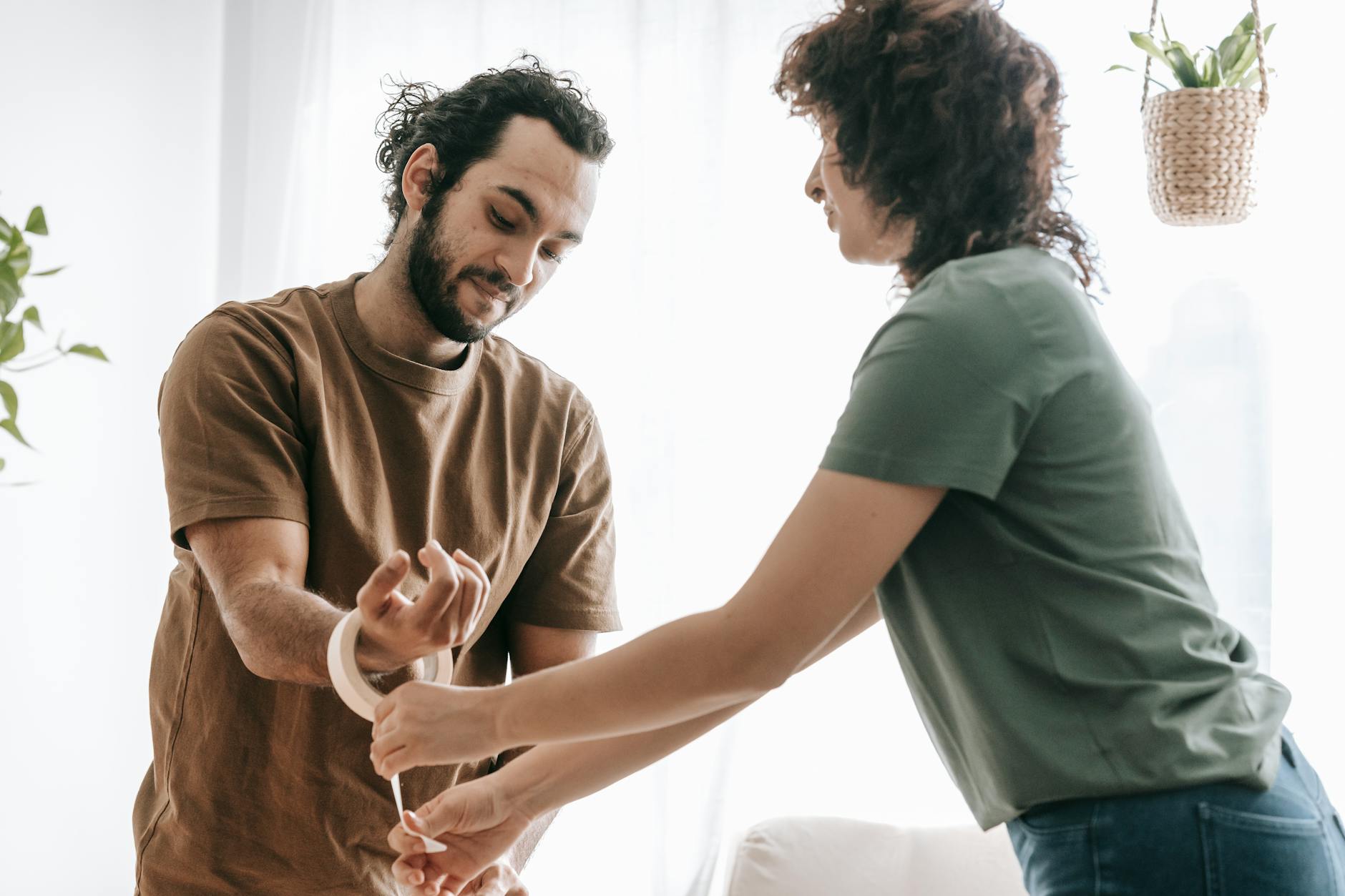
Daily life in transitional housing revolves around structure and support. Residents typically follow a daily schedule that includes chores, work or job-seeking activities, and participation in house meetings. These routines help rebuild discipline and responsibility, key aspects of reintegration into society. Meals are often communal, fostering a sense of community and shared accountability.
Support services play a crucial role. Many halfway houses offer counseling, substance abuse treatment, and life skills workshops. According to the National Institute on Drug Abuse, structured environments significantly improve recovery outcomes. Residents often have access to case managers who help navigate resources and set personal goals. These services aim to address the root causes of past behaviors and promote long-term stability.
Rules and expectations vary by facility but generally include curfews, mandatory drug testing, and restrictions on visitors. Violations may result in disciplinary actions or even expulsion. However, these guidelines create a safe and predictable environment, essential for those rebuilding their lives. The focus is on gradual reintegration, balancing independence with necessary support.
Community involvement is encouraged. Many residents volunteer or participate in local programs, which helps rebuild social connections and self-esteem. Success stories often highlight the importance of these community ties in maintaining long-term sobriety and stability. The journey is challenging, but the structured support system provides a crucial foundation for positive change.
Challenges and support systems

Residents of halfway houses face unique challenges as they transition from institutional care to independent living. Many struggle with financial instability, employment barriers, and maintaining sobriety. According to a study by the National Institute on Drug Abuse, approximately 40-60% of individuals in recovery relapse within a year. This statistic underscores the critical need for robust support systems within these facilities.
Support systems in halfway houses often include counseling services, life skills training, and peer support groups. These resources help residents develop coping mechanisms and build a stable foundation for their future. Staff members play a crucial role in providing guidance and monitoring progress. Their expertise ensures that residents receive the necessary support to navigate the complexities of reintegration.
Community involvement also plays a significant part in the success of halfway house residents. Local organizations and volunteers often provide additional resources and support. This collective effort creates a network of encouragement and accountability. Such collaboration fosters a sense of belonging and community, which is essential for long-term recovery.
Despite these efforts, challenges remain. Residents may face stigma and discrimination, which can hinder their progress. Addressing these issues requires ongoing education and advocacy. By raising awareness and promoting understanding, society can better support individuals in their journey towards independence and recovery.
The role of halfway houses in recovery
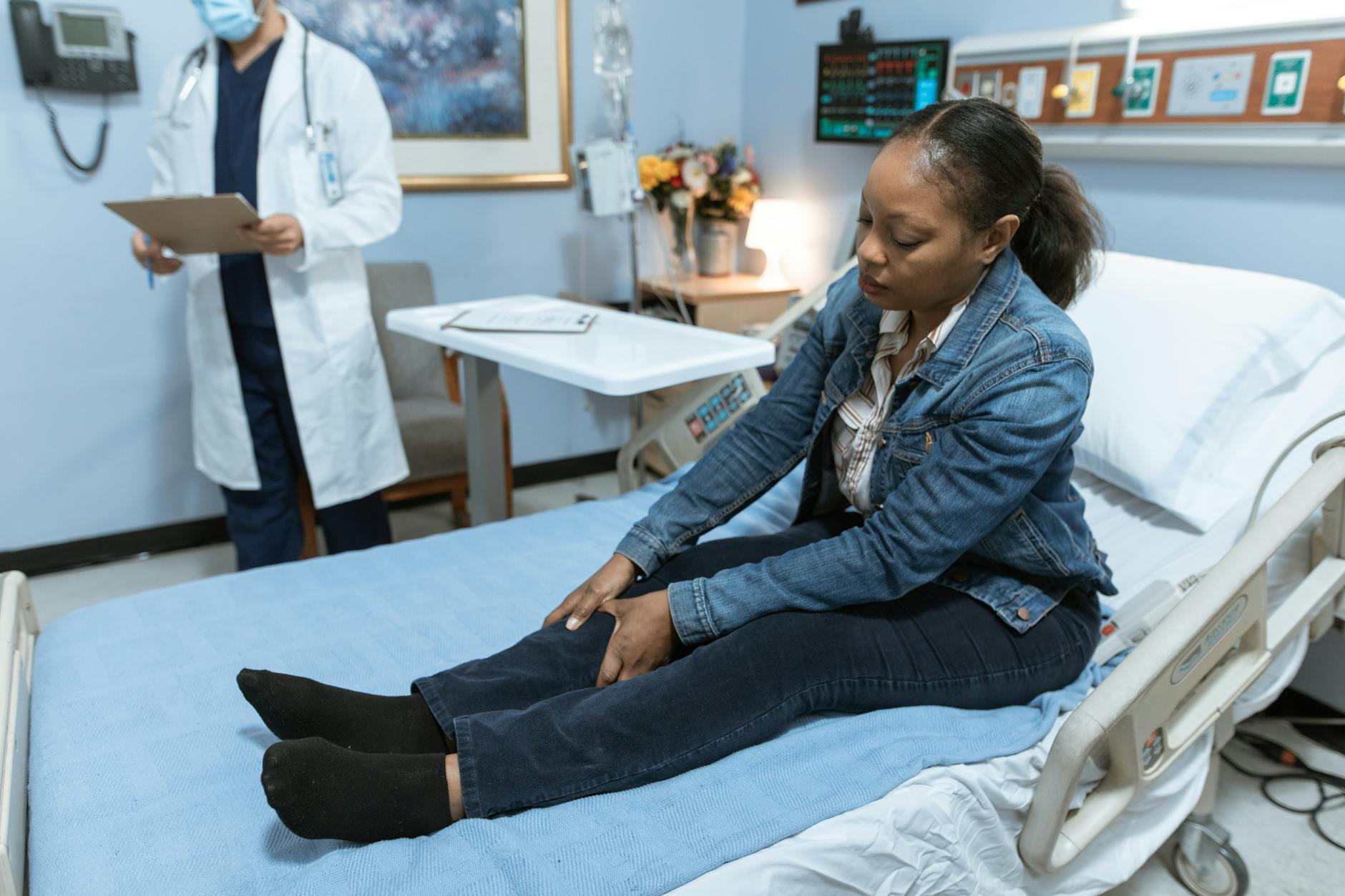
Halfway houses serve as crucial stepping stones in the recovery journey for many individuals. These transitional living environments bridge the gap between intensive treatment facilities and full independence. Residents receive structured support while gradually reintegrating into society, reducing the risk of relapse. The National Institute on Drug Abuse highlights that structured living environments can significantly improve long-term recovery outcomes.
One key role of halfway houses is providing a stable, drug-free environment. This is particularly important for individuals who lack safe housing options upon leaving treatment. House rules typically include curfews, mandatory drug testing, and participation in recovery programs. Such structure helps residents rebuild their lives while maintaining accountability.
Social reintegration is another vital aspect. Residents learn to navigate daily challenges while receiving guidance from staff and peers. Many halfway houses encourage employment or educational pursuits, fostering a sense of purpose and responsibility. This holistic approach addresses both the practical and emotional needs of recovery.
Support networks are cultivated within these communities. Peer interactions provide understanding and encouragement, while staff offer professional guidance. This combination of support systems helps residents develop coping skills and build healthier relationships. The sense of community can be a powerful motivator in sustaining long-term recovery.
Halfway houses serve as crucial stepping stones for individuals transitioning from institutional care to independent living, offering structured support, accountability, and community. At their core, they provide a safe environment that fosters personal growth and reintegration into society. To make the most of this resource, individuals should actively engage with the house's programs and rules, using the time to build essential life skills and support networks. As society continues to evolve, the role of halfway houses will likely expand, adapting to meet the diverse needs of those seeking a fresh start.
Need this answered for your specific case?
Get a flat-fee consultation with a verified U.S. immigration attorney. Engagement letter on every paid consult.
Related guides
This guide provides general legal information and does not create an attorney–client relationship. Information accurate as of July 2026. Always verify current USCIS guidance before acting.