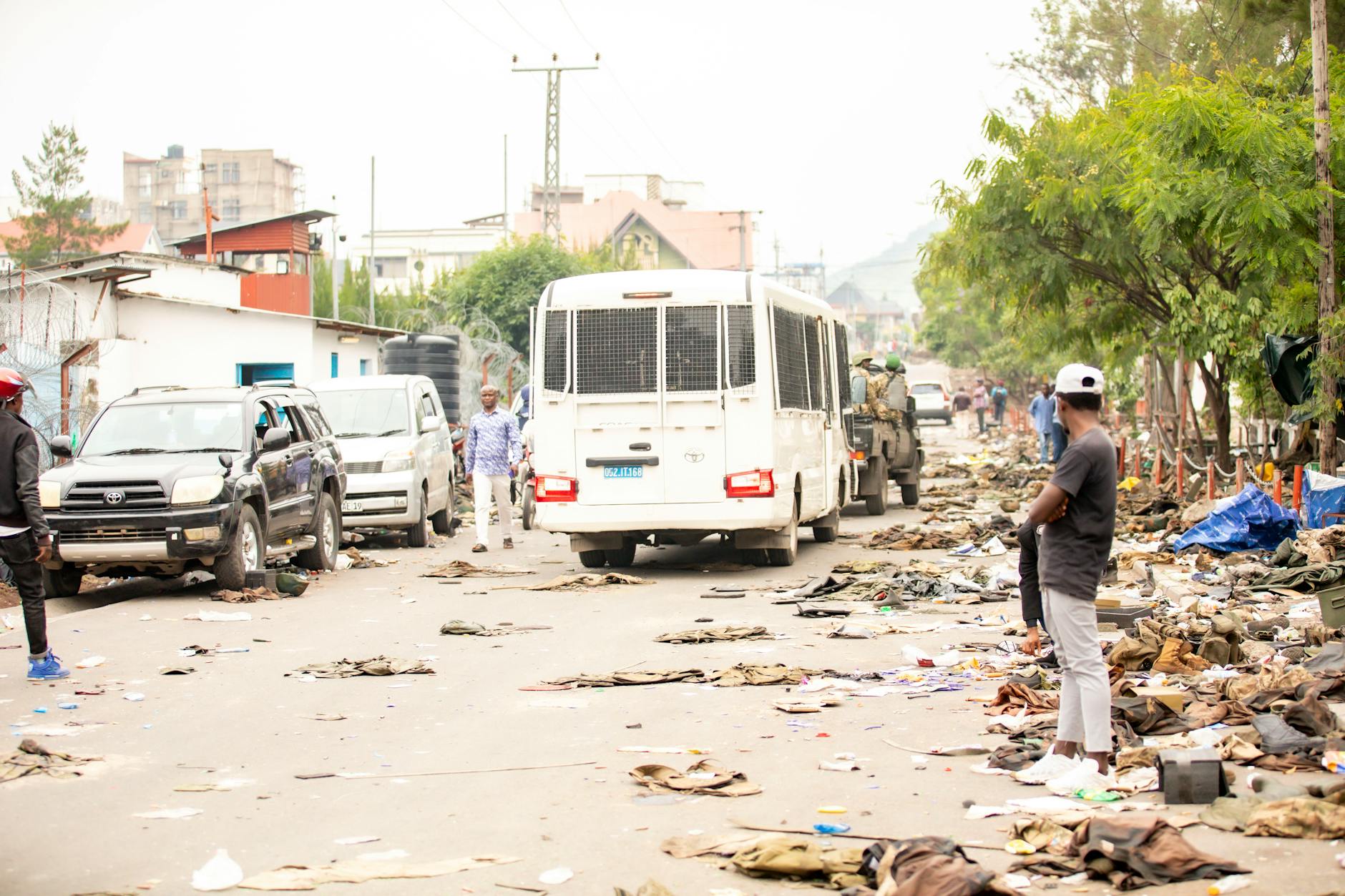
Roadblocks are a common sight on highways and city streets, often causing frustration for drivers. However, these checkpoints serve a critical purpose in maintaining public safety and order. Police officers stationed at roadblocks wield significant authority, a power that is both broad and carefully defined by law. Understanding the scope of this authority is crucial for both law enforcement officers and the public they serve.
What is roadblock police power? It refers to the legal rights and responsibilities granted to police officers when conducting roadblocks. These powers allow officers to temporarily detain vehicles, question drivers, and inspect for potential violations or threats. What is roadblock police power also encompasses the limitations and protocols that ensure these actions are conducted lawfully and respectfully. For drivers, knowing these aspects can demystify the process and foster cooperation. For officers, it underscores the importance of adhering to established procedures to maintain public trust and uphold the rule of law.
The Legal Foundation of Roadblock Authority

The authority of police to conduct roadblocks stems from a complex interplay of statutory laws and judicial precedents. At its core, this power is granted through traffic and public safety regulations that empower law enforcement to temporarily halt vehicles for specific purposes. These purposes typically include checking for sobriety, verifying driver's licenses, or inspecting vehicles for safety compliance. The legal framework varies by jurisdiction, but most countries have established clear guidelines to prevent arbitrary use of this authority.
A critical aspect of roadblock authority is the requirement for reasonable suspicion or probable cause. Police cannot stop vehicles indiscriminately; they must have a valid reason based on observable facts or specific intelligence. This principle is often reinforced by court rulings that emphasize the protection of individual rights against unreasonable searches and seizures. According to a legal expert from a prominent law school, "The balance between public safety and individual liberties is delicate, and roadblocks must be conducted with clear protocols to maintain this balance."
Statistics show that roadblocks are effective in reducing traffic violations and accidents. For instance, a study by a national traffic safety organization found that sobriety checkpoints can reduce alcohol-related crashes by up to 20%. However, the legality of these checkpoints hinges on adherence to established procedures. Police departments must ensure transparency and accountability to maintain public trust. Failure to do so can lead to legal challenges and erosion of community confidence.
In some jurisdictions, roadblocks are also used for purposes beyond traffic enforcement, such as border security or public health crises. The legal foundation for these uses is often derived from emergency powers or special legislation. However, such expansions of authority must be carefully scrutinized to prevent misuse. Courts have consistently ruled that even in emergencies, fundamental rights must be respected and protected. This ensures that roadblocks remain a tool for public safety rather than a means of overreach.
Key Components of Police Roadblock Power

Police roadblock power operates through three key components: legal authority, operational procedures, and public safety objectives. Legal authority forms the foundation, as law enforcement agencies must operate within the bounds of constitutional and statutory laws. This authority grants police the power to temporarily restrict vehicle movement, but it also imposes strict guidelines to prevent abuse. For instance, roadblocks must typically be justified by a specific, time-limited purpose, such as apprehending a dangerous fugitive or checking for impaired drivers.
A 2019 study by the International Association of Chiefs of Police found that well-planned roadblocks can reduce drunk driving incidents by up to 20%. However, the effectiveness of these operations hinges on proper planning and execution. Police departments must ensure that roadblocks are set up in locations where they are most likely to achieve their intended purpose. Additionally, officers must be trained to conduct checks efficiently and respectfully, balancing public safety with individual rights.
Public safety objectives drive the implementation of roadblock power. These checkpoints often target specific issues, such as sobriety checks, license verification, or searches for stolen vehicles. By focusing on these objectives, police can enhance community safety while maintaining public trust. Clear communication about the purpose and duration of roadblocks helps to minimize disruptions and build cooperation between law enforcement and the community.
Operational procedures are critical to the success of roadblock power. Police must adhere to standardized protocols to ensure consistency and fairness. This includes proper signage, uniformed officers, and clear instructions for drivers. Departures from these procedures can lead to legal challenges and undermine the effectiveness of roadblocks. By following established guidelines, police can uphold the integrity of their operations and protect both public safety and civil liberties.
How Roadblocks Operate in Practice

Roadblocks function as strategic checkpoints where law enforcement officers can briefly halt vehicles to investigate suspicious activity or verify compliance with traffic laws. Officers typically position themselves at high-visibility locations, such as intersections or highway exits, to maximize their effectiveness. Drivers must slow down or stop completely, allowing officers to approach and engage with them. This process often involves checking licenses, registration, and inspecting vehicles for contraband or safety violations.
According to traffic safety experts, roadblocks significantly reduce drunk driving incidents. A study by the National Highway Traffic Safety Administration found that sobriety checkpoints can lower alcohol-related crashes by up to 20%. Officers use standardized procedures to ensure fairness and consistency, minimizing the risk of profiling or arbitrary stops. Drivers who cooperate with officers typically experience minimal delays, while those exhibiting suspicious behavior may face further scrutiny.
Communication plays a crucial role in the operation of roadblocks. Officers use clear, concise instructions to direct traffic and maintain order. Visual signals, such as flashing lights and signs, help drivers understand the purpose of the checkpoint. This transparency builds trust and reduces anxiety among motorists. Effective communication also ensures that officers can quickly identify and address potential threats.
Roadblocks often operate during specific times, such as late nights or holidays, when the risk of impaired driving is higher. Officers may also target areas with a history of criminal activity or traffic violations. By focusing on these high-risk periods and locations, law enforcement can maximize the impact of their efforts. The presence of roadblocks serves as a deterrent, encouraging drivers to adhere to traffic laws and avoid dangerous behaviors.
Challenges and Controversies Surrounding Roadblocks

Roadblocks, while serving crucial public safety functions, often spark debates and face significant challenges. Critics argue that roadblocks can lead to racial profiling and civil rights violations. A 2019 study by the American Civil Liberties Union found that minorities are disproportionately stopped at roadblocks, raising concerns about systemic bias. Police departments counter that these stops are conducted based on objective criteria, not racial profiling.
Another contentious issue is the potential for abuse of power. Some officers may use roadblocks as an opportunity to search vehicles without probable cause. This misuse of authority can erode public trust and lead to legal challenges. Courts have repeatedly ruled that roadblocks must adhere to strict guidelines to be constitutionally valid.
Logistical challenges also plague roadblock operations. Coordinating multiple agencies, ensuring officer safety, and minimizing traffic disruptions require meticulous planning. Police departments often invest heavily in training and technology to address these issues. Despite these efforts, roadblocks remain a complex and controversial tool in law enforcement.
Evolving Trends in Roadblock Police Authority
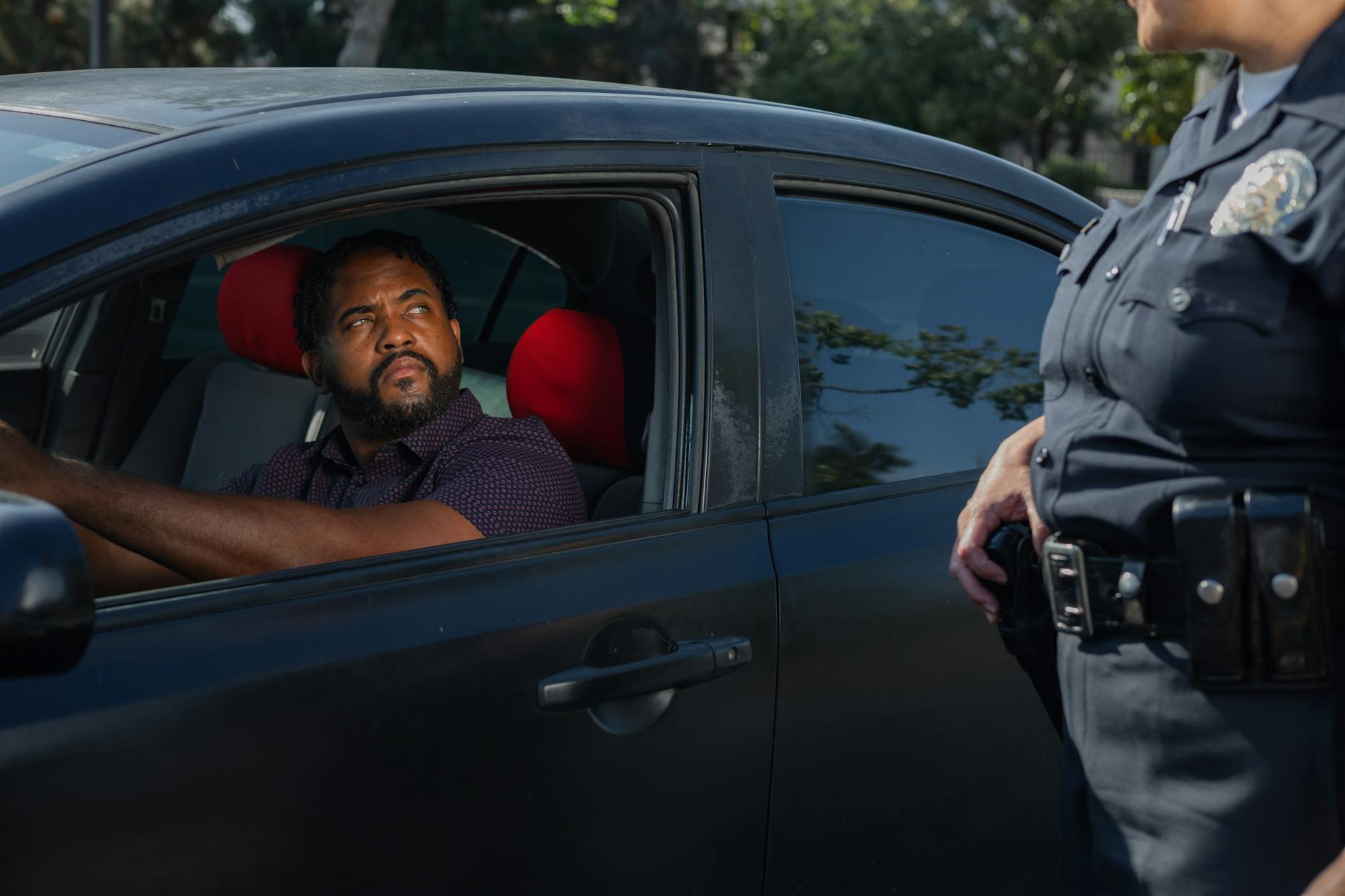
Roadblock police authority has evolved significantly in recent years, adapting to new challenges and technological advancements. Police departments increasingly employ data-driven strategies to determine roadblock locations, aiming to maximize efficiency and public safety. This shift reflects a broader trend toward evidence-based policing, where decisions are informed by crime statistics and traffic patterns. The result is a more targeted approach to roadblocks, reducing unnecessary disruptions while enhancing their effectiveness.
One notable development is the integration of technology into roadblock operations. Mobile apps and real-time data systems allow officers to adjust roadblock locations dynamically, responding to emerging threats or traffic conditions. A study by a prominent law enforcement research institute found that tech-enhanced roadblocks can reduce response times by up to 30%. This agility is crucial in urban areas, where traffic congestion and crime hotspots can shift rapidly.
Community engagement has also become a key aspect of modern roadblock authority. Police departments now prioritize transparency, often announcing roadblock schedules in advance to build trust with residents. This proactive communication helps alleviate public concerns while maintaining the element of surprise for potential offenders. The balance between predictability and unpredictability remains a delicate but essential part of effective roadblock policing.
Legal frameworks governing roadblock authority continue to evolve as well. Courts have issued rulings that clarify the boundaries of police discretion, ensuring roadblocks comply with constitutional standards. These legal developments underscore the importance of training officers to conduct roadblocks in a manner that respects individual rights while fulfilling public safety objectives. The evolving landscape of roadblock authority reflects a commitment to both security and civil liberties.
Roadblock police authority is fundamentally about balancing public safety with individual rights, requiring law enforcement to operate within clear legal boundaries. Officers must have reasonable suspicion to stop vehicles, and any searches or seizures must comply with constitutional standards. Understanding these key aspects empowers drivers to recognize their rights and ensures police act lawfully during roadblocks. Motorists should familiarize themselves with local laws and remain calm during encounters, as knowledge and composure can significantly improve outcomes. As law enforcement continues to adapt to new technologies and societal changes, the principles governing roadblock authority will likely evolve, shaping future interactions between police and the public.
Need this answered for your specific case?
Get a flat-fee consultation with a verified U.S. immigration attorney. Engagement letter on every paid consult.
Related guides
This guide provides general legal information and does not create an attorney–client relationship. Information accurate as of July 2026. Always verify current USCIS guidance before acting.