
Police officers across the United States are granted significant authority to maintain public order, including the power to disperse gatherings. This authority, known as the police power to disperse, is a critical tool in crowd control and public safety. In 2020 alone, law enforcement agencies in major cities reported over 10,000 instances where dispersal orders were issued, highlighting the frequency and importance of this authority in modern policing.
Understanding the police power to disperse is crucial for both law enforcement professionals and the general public. This authority enables police to break up unlawful assemblies, riots, or other public disturbances that threaten safety or property. The police power to disperse is not arbitrary; it is governed by specific legal principles and constitutional considerations. Knowing what is police power to disperse helps individuals understand their rights and the boundaries within which law enforcement operates. This knowledge fosters a more informed and cooperative relationship between communities and the police.
Legal Foundations of Police Dispersal
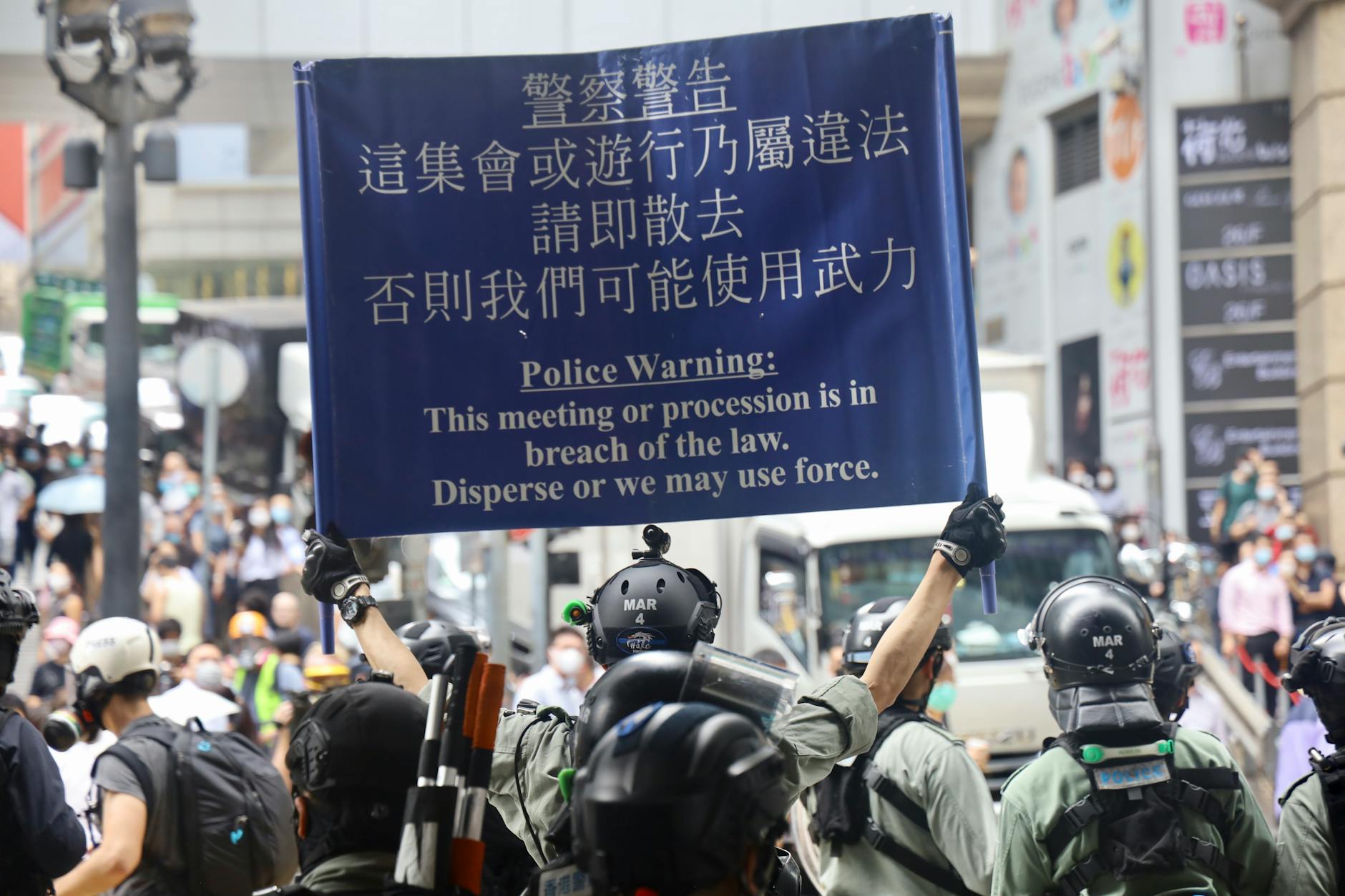
The legal foundations of police dispersal authority stem from a complex interplay of constitutional provisions, statutory laws, and judicial precedents. At its core, this authority is rooted in the government's inherent police power, which grants municipalities the right to protect public health, safety, and welfare. This power is often codified in state and local laws that empower police officers to disperse gatherings that pose a threat to public order.
A landmark case that shaped modern understanding of this authority is Cox v. New Hampshire, where the U.S. Supreme Court upheld the constitutionality of a state law requiring permits for parades and assemblies. The Court ruled that such regulations are valid as long as they are content-neutral and narrowly tailored to serve a significant governmental interest. This precedent underscores the balance between public safety and individual rights.
According to a 2019 report by the International Association of Chiefs of Police, 87% of law enforcement agencies have specific policies governing crowd control and dispersal. These policies typically outline the conditions under which dispersal is warranted, such as imminent danger, obstruction of traffic, or violation of noise ordinances. Clear guidelines help ensure that police actions are lawful and proportionate to the situation at hand.
However, the exercise of dispersal authority is not without controversy. Critics argue that overly broad or arbitrary enforcement can infringe on First Amendment rights to free speech and assembly. To mitigate these concerns, many jurisdictions require officers to issue clear, unambiguous dispersal orders and provide reasonable opportunities for compliance before resorting to force. This approach aligns with the principle of de-escalation and minimizes the risk of unnecessary conflict.
When Can Officers Intervene

Police officers possess the authority to disperse crowds under specific circumstances, primarily when public safety is at risk. This authority isn't arbitrary; it's grounded in legal principles and case law. Generally, officers can intervene when a gathering becomes unlawful, such as during riots or when participants engage in criminal activity. The threshold for intervention varies by jurisdiction, but it typically involves a clear and present danger to people or property.
One critical factor is the size and behavior of the crowd. A large, peaceful protest may not warrant dispersal, but if the crowd turns violent or obstructs traffic, police may step in. According to a study by the National Institute of Justice, effective crowd management often hinges on timely intervention before situations escalate. Officers must balance the right to peaceful assembly with the need to maintain public order.
Another key consideration is the presence of imminent danger. If individuals in the crowd pose a threat to others, officers have a duty to intervene. This could include instances of vandalism, assault, or other criminal behavior. The Supreme Court has ruled that police must act to prevent harm, but they must also ensure their actions are proportional to the threat. This delicate balance requires careful judgment and training.
Officers must also consider the effectiveness of less lethal means before resorting to dispersal tactics. Verbal commands, barriers, and negotiation are often the first steps. Only when these measures fail should police consider more aggressive tactics, such as tear gas or baton charges. The goal is always to restore order while minimizing harm to both the public and law enforcement personnel.
Techniques and Tactics Used

Police dispersal authority relies on a combination of techniques and tactics designed to restore order while minimizing harm. Officers typically begin with verbal commands, employing clear, authoritative language to instruct crowds to disperse. This initial approach often proves effective, as most individuals comply with verbal directives. However, when verbal commands fail, police may escalate to non-lethal force options.
Non-lethal force options include tools like batons, pepper spray, and rubber bullets. These tools aim to control crowds without causing permanent injury. According to a study by the Police Executive Research Forum, proper training in the use of non-lethal force can significantly reduce the likelihood of escalation. Officers must receive extensive training to ensure they use these tools judiciously and proportionately.
In situations where non-lethal force proves insufficient, police may resort to more aggressive tactics. This can include forming lines to push crowds back or using vehicles to block access. The use of these tactics requires careful judgment to balance public safety with individual rights. Experts emphasize the importance of de-escalation techniques to prevent situations from spiraling out of control.
Communication plays a crucial role in effective dispersal operations. Police often use loudspeakers to relay instructions and updates to the crowd. Clear and consistent communication helps manage expectations and reduces the risk of misunderstandings. Additionally, police may coordinate with community leaders to facilitate peaceful dispersal. This collaborative approach can enhance trust and cooperation between law enforcement and the public.
Ultimately, the success of police dispersal efforts depends on a combination of preparation, training, and adaptability. Officers must be ready to adjust their tactics based on the evolving situation. By employing a range of techniques and maintaining open lines of communication, police can effectively manage crowds while upholding public safety and individual rights.
Balancing Public Safety and Rights
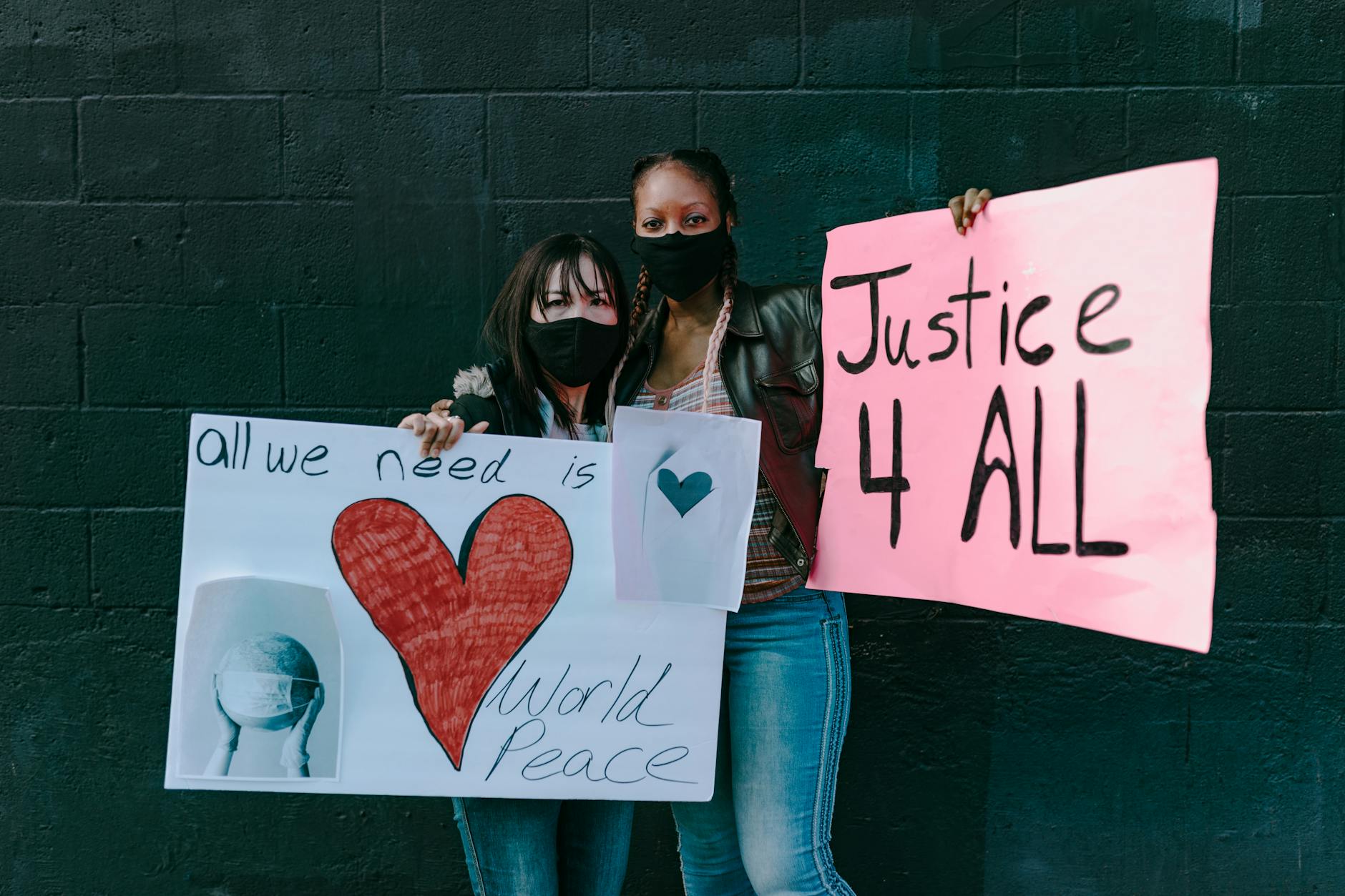
Police dispersal authority represents a delicate balance between maintaining public safety and protecting individual rights. Law enforcement officers possess the power to disperse gatherings when they pose a threat to public order or safety. This authority, however, is not absolute. It must be exercised judiciously, with a clear understanding of the legal boundaries that govern its application.
According to the American Civil Liberties Union, police departments across the United States have faced scrutiny for their use of dispersal tactics. The organization reports that in 2020, there were over 10,000 protests in the U.S., many of which were peacefully dispersed, while others escalated into confrontations. This highlights the need for clear guidelines and training to ensure that officers can effectively manage crowds without infringing on constitutional rights.
One critical aspect of this balance is the concept of "imminent danger." Police can disperse a crowd if there is a clear and present threat to life or property. However, this determination must be based on objective factors, not subjective judgments. Officers must consider the size of the crowd, the behavior of the individuals involved, and the potential for violence. Failure to do so can lead to unnecessary escalation and potential legal consequences.
Moreover, the use of force during dispersal operations must comply with established legal standards. The Supreme Court has ruled that police use of force must be "objectively reasonable" under the circumstances. This means that the level of force used must be proportional to the threat posed by the crowd. Officers must also consider less lethal alternatives before resorting to more aggressive tactics.
In conclusion, the police power to disperse is a vital tool for maintaining public order. However, it must be exercised with caution and respect for individual rights. By adhering to clear guidelines and legal standards, law enforcement can effectively balance the need for public safety with the protection of constitutional freedoms.
Evolving Policies and Challenges

Police dispersal authority isn't static; it evolves with societal changes, technological advancements, and legal precedents. Over the past decade, numerous jurisdictions have revised their policies to address growing concerns about public safety and civil liberties. For instance, many departments now require officers to issue dispersal orders before using force, a shift prompted by high-profile incidents and subsequent public outcry.
One significant challenge lies in balancing public safety with individual rights. A 2018 study by the National Police Foundation found that unclear or inconsistent dispersal policies often lead to confusion among officers and citizens alike. This ambiguity can escalate tensions, particularly during protests or large gatherings where emotions run high.
Another hurdle is the rapid pace of technological change. Body-worn cameras and social media have transformed how dispersal events are documented and scrutinized. Police departments must adapt their training and policies to account for these tools, ensuring transparency while maintaining operational effectiveness.
Legal challenges also play a crucial role in shaping dispersal authority. Courts frequently weigh in on the constitutionality of dispersal orders, particularly regarding First Amendment rights. These rulings can significantly impact how police departments implement and enforce their dispersal policies.
Understanding the three key elements of police dispersal authority—imminent danger, unlawful assembly, and proper notice—is crucial for both law enforcement and the public. These principles ensure that police actions are lawful, proportionate, and respectful of individual rights. To navigate potential dispersal situations, citizens should stay informed about their rights and local laws, while law enforcement agencies should prioritize clear communication and de-escalation tactics. As communities continue to evolve, ongoing dialogue between police departments and the public will be essential to refine and adapt dispersal policies to better serve and protect all members of society.
Need this answered for your specific case?
Get a flat-fee consultation with a verified U.S. immigration attorney. Engagement letter on every paid consult.
Related guides
This guide provides general legal information and does not create an attorney–client relationship. Information accurate as of July 2026. Always verify current USCIS guidance before acting.