
Every year, thousands of people face charges related to obstruction of police, a serious offense that can lead to severe penalties. This crime involves more than just a heated argument with an officer; it encompasses a range of actions that hinder law enforcement’s ability to perform their duties. Understanding what is obstruction of police is crucial for anyone who wants to navigate interactions with law enforcement safely and legally.
Obstruction of police refers to any act that interferes with an officer’s ability to carry out their duties. This can include physical interference, such as resisting arrest, or verbal actions, like giving false information. Knowing what is obstruction of police helps individuals recognize the boundaries between lawful protest and unlawful interference. For citizens, this knowledge is essential to avoid unintentional legal trouble. For law enforcement, it ensures that officers can perform their duties effectively and safely.
Defining police obstruction
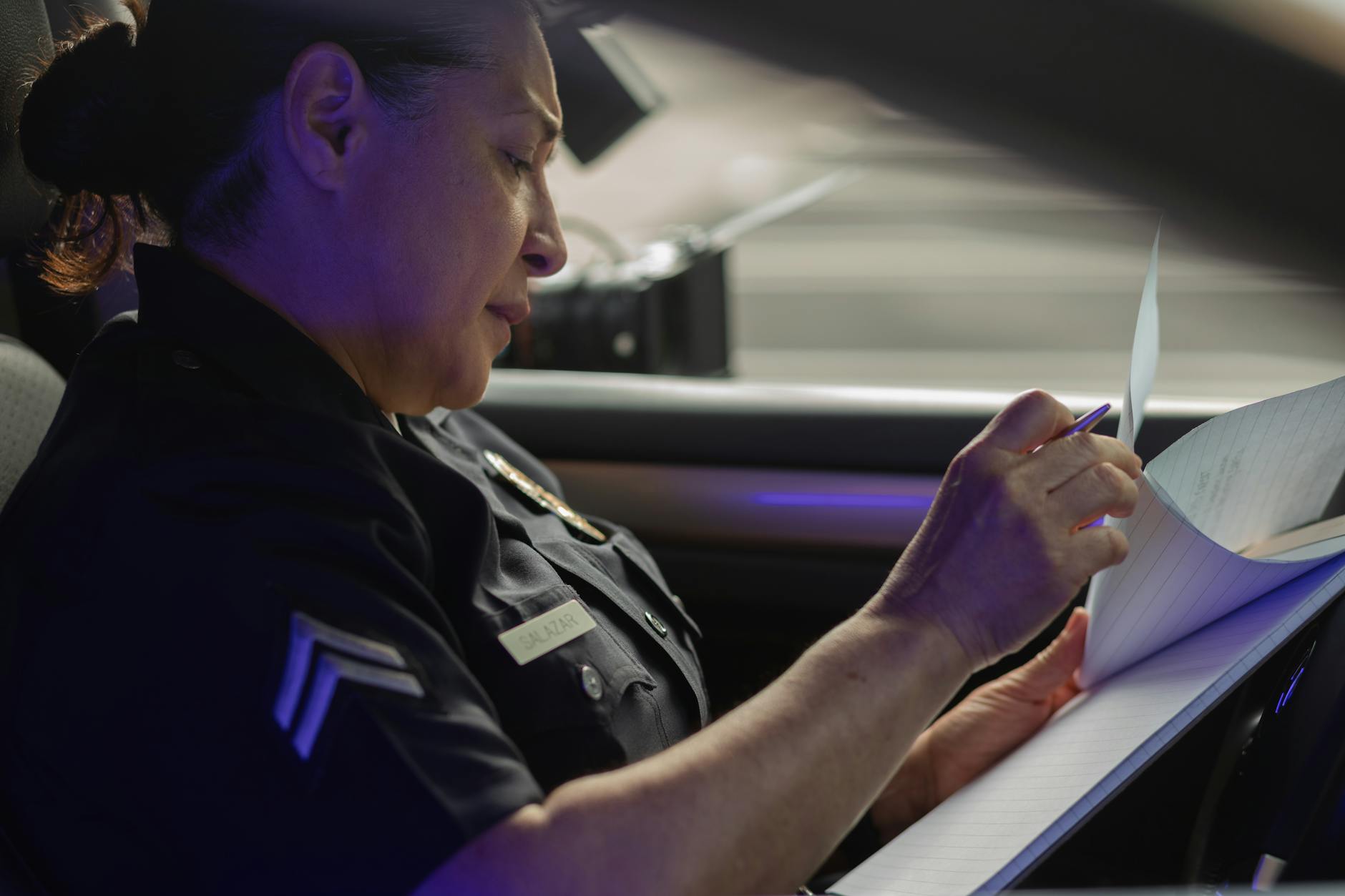
Obstruction of police refers to any act that hinders, delays, or prevents law enforcement officers from performing their duties. This can range from simple disobedience to more serious actions like physical interference or providing false information. The core idea is that any behavior impeding a police officer’s ability to uphold the law may qualify as obstruction.
According to legal experts, obstruction can occur in various forms. Verbal obstruction might involve lying to officers or giving misleading directions. Physical obstruction could include blocking an officer’s path or preventing them from accessing a scene. The key factor is the intent to interfere with police work.
A study by the National Institute of Justice found that obstruction charges account for a significant portion of police-civilian encounters. Understanding what constitutes obstruction is crucial for both the public and law enforcement. It ensures that officers can perform their duties effectively while protecting citizens’ rights.
Common forms of obstruction

Obstruction of police officers can take many forms, each with serious legal consequences. The most common is passive resistance, where individuals refuse to comply with lawful orders. This might involve ignoring commands to stop, failing to provide identification when requested, or simply standing still while officers attempt to handcuff them. These actions, while seemingly minor, can escalate situations and hinder police work.
Active resistance presents a more direct challenge to law enforcement. This includes physical actions like pulling away, running, or even striking officers. According to the Bureau of Justice Statistics, nearly 68,000 officers reported being assaulted while performing their duties in 2019. Such actions not only obstruct police efforts but also put officers and the public at risk.
Verbal obstruction is another frequent occurrence. Officers often encounter individuals who use threats, insults, or false information to interfere with their duties. While these actions might seem harmless, they can create hostile environments and distract officers from their primary responsibilities. Legal experts emphasize that even verbal obstruction can lead to charges, as it undermines the authority necessary for effective policing.
Finally, obstruction can involve interference by third parties. This might include bystanders who physically block officers or provide false alibis for suspects. Such actions can significantly impede investigations and allow criminals to evade justice. Understanding these various forms of obstruction helps clarify the legal boundaries and the importance of cooperation with law enforcement.
Consequences for obstructing police

Obstructing police officers can lead to serious legal consequences. Depending on the jurisdiction, individuals found guilty of obstruction may face fines, probation, or even imprisonment. In some cases, obstruction charges can be elevated to felonies, especially if the obstruction involves violence or threats. According to legal experts, the severity of the penalty often correlates with the degree of interference and the intent behind the obstruction.
Beyond legal penalties, obstructing police can have lasting personal and professional repercussions. A criminal record can impact employment opportunities, housing applications, and even educational prospects. Additionally, individuals may face social stigma and damage to their reputation within their communities. These consequences extend beyond the immediate legal ramifications, affecting various aspects of an individual’s life.
Obstruction of police can also escalate situations, leading to further legal trouble. When individuals interfere with law enforcement activities, it can hinder the police’s ability to maintain public safety. This interference may result in additional charges or complications for the individual involved. Law enforcement agencies often emphasize the importance of cooperation to ensure the safety and well-being of all parties involved.
Understanding the potential consequences of obstructing police is crucial for anyone interacting with law enforcement. Legal experts advise individuals to remain calm and cooperative during police encounters to avoid unnecessary complications. By adhering to legal guidelines and respecting the authority of police officers, individuals can mitigate the risk of facing severe penalties and long-term consequences.
Real-world obstruction cases

Obstruction of police officers occurs in various forms across the country, often with serious consequences. In 2021, a New York man was arrested for obstructing a police officer during a routine traffic stop. The incident escalated when the man physically resisted arrest, leading to additional charges. Such cases highlight the importance of understanding what constitutes obstruction.
A high-profile case in California involved a protester who repeatedly ignored police orders to disperse. The individual was charged with obstruction after refusing to comply with lawful commands. This case underscores the legal ramifications of interfering with police duties during public gatherings. According to legal experts, obstruction charges can be filed even if no physical altercation occurs.
In another instance, a Florida woman was convicted of obstruction after providing false information to officers investigating a domestic dispute. Her actions delayed the investigation, demonstrating how obstruction can take non-physical forms. This case serves as a reminder that deception can be as obstructive as physical resistance.
These real-world examples illustrate the broad scope of obstruction laws. From physical resistance to verbal interference, obstruction can manifest in numerous ways. Understanding these cases helps clarify the legal boundaries and potential consequences of obstructing police officers.
Preventing obstruction in communities

Communities play a pivotal role in preventing police obstruction. When residents understand the law and their rights, they become valuable partners in maintaining public safety. A study by the National Institute of Justice found that communities with strong police relations reported 20% fewer incidents of obstruction. This collaboration fosters trust and transparency, making it harder for obstruction to take root.
Education is a powerful tool. Local authorities can organize workshops to explain what constitutes obstruction and its consequences. Clear communication helps residents recognize when their actions might inadvertently obstruct police work. For instance, simply knowing that refusing to identify oneself in certain situations can lead to charges helps people make informed decisions.
Community leaders also have a responsibility. They can advocate for policies that balance public safety with individual rights. By engaging with law enforcement, they create an environment where obstruction is less likely to occur. A police advisor noted that proactive community involvement can reduce obstruction incidents by up to 15%. This proactive approach benefits everyone, ensuring that police can carry out their duties effectively while respecting community rights.
Ultimately, preventing obstruction requires a collective effort. When communities, leaders, and law enforcement work together, they create a safer, more just environment. This synergy not only reduces obstruction but also strengthens the bond between police and the public. The result is a community where everyone feels valued and protected.
Obstruction of police is a serious offense that can have significant legal consequences, revolving around three core elements: intent, action, and outcome. It’s crucial to understand that even passive resistance or failure to comply can be interpreted as obstruction, depending on the circumstances. To navigate potential encounters safely, individuals should always remain calm, comply with lawful orders, and avoid any actions that could be misconstrued as resistance. As law enforcement practices and public awareness continue to evolve, staying informed about these elements will be vital in fostering better interactions between communities and police officers.