
Police surveillance has grown increasingly sophisticated, with law enforcement agencies now employing a vast array of tools and technologies to monitor and track individuals. The use of these tools, however, is not without limits. Police surveillance thresholds determine when and how these tools can be used, striking a delicate balance between public safety and individual privacy.
Understanding what is police surveillance threshold is crucial for both law enforcement professionals and the public. It refers to the point at which the use of surveillance tools becomes justified based on specific criteria, such as the level of suspicion, the nature of the crime, and the potential impact on civil liberties. This threshold varies depending on the jurisdiction and the type of surveillance being conducted. For instance, the threshold for using facial recognition technology might differ from that for deploying undercover officers. By grasping these nuances, individuals can better comprehend the boundaries of police surveillance and the protections in place to safeguard their rights.
Legal Framework of Police Surveillance

The legal framework governing police surveillance in the United States is a complex web of federal, state, and local laws designed to balance public safety with individual privacy rights. At its core, the Fourth Amendment to the U.S. Constitution protects citizens from unreasonable searches and seizures, requiring law enforcement to obtain warrants based on probable cause. However, exceptions exist, such as the "special needs" doctrine, which allows for warrantless surveillance in certain circumstances, like drug testing for railroad employees.
A 2015 report by the American Civil Liberties Union revealed that law enforcement agencies across the country have employed a wide range of surveillance technologies, from license plate readers to stingray devices, often with minimal oversight. This has led to calls for greater transparency and stricter regulations to prevent abuse. The legal landscape continues to evolve as technology advances and courts interpret existing laws in new contexts.
Expert opinions vary on the effectiveness of current legal frameworks. Some argue that existing laws provide adequate safeguards, while others contend that the pace of technological change has outstripped legislative efforts to protect privacy. The debate underscores the need for ongoing dialogue and reform to ensure that police surveillance remains within constitutional bounds.
State laws also play a significant role in shaping police surveillance practices. Some states have enacted specific statutes to regulate the use of surveillance technologies, while others rely on common law principles. This patchwork of regulations creates a complex legal environment that can be challenging for both law enforcement and citizens to navigate.
Balancing Rights and Security
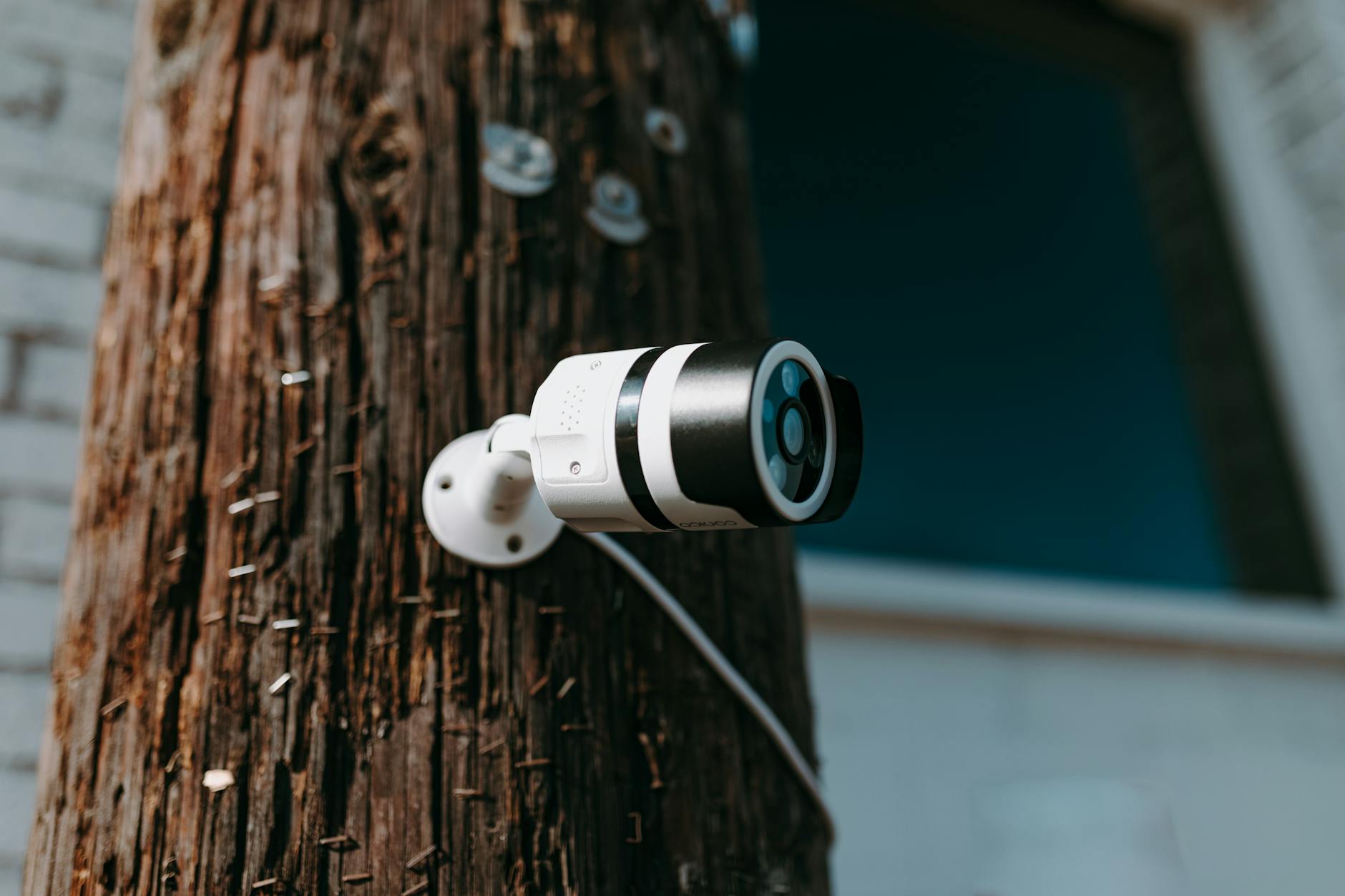
Balancing individual rights with public safety lies at the heart of police surveillance thresholds. Law enforcement agencies must navigate complex legal frameworks to determine when surveillance is justified. Courts often apply a "reasonable suspicion" standard, requiring officers to articulate specific facts supporting their belief that criminal activity is afoot. This delicate balance aims to prevent both overreach and under-policing, a challenge that has intensified with advancing technology.
According to a 2022 report by the Brennan Center for Justice, police departments across the U.S. have increasingly adopted surveillance technologies like facial recognition and license plate readers. These tools raise profound questions about privacy and civil liberties. Experts argue that clear guidelines and robust oversight mechanisms are essential to prevent misuse. Without proper safeguards, surveillance can erode public trust and infringe on constitutional rights.
Police departments must also consider the potential for bias in surveillance practices. Studies have shown that certain communities, particularly minority groups, are disproportionately targeted. This raises concerns about the fairness and effectiveness of surveillance programs. Agencies that fail to address these issues risk alienating the very communities they are sworn to protect.
Ultimately, the threshold for police surveillance must reflect a careful consideration of both security needs and individual liberties. Striking this balance requires ongoing dialogue between law enforcement, policymakers, and the public. Only through collaborative efforts can society ensure that surveillance practices are both effective and respectful of fundamental rights.
Technological Advancements in Surveillance
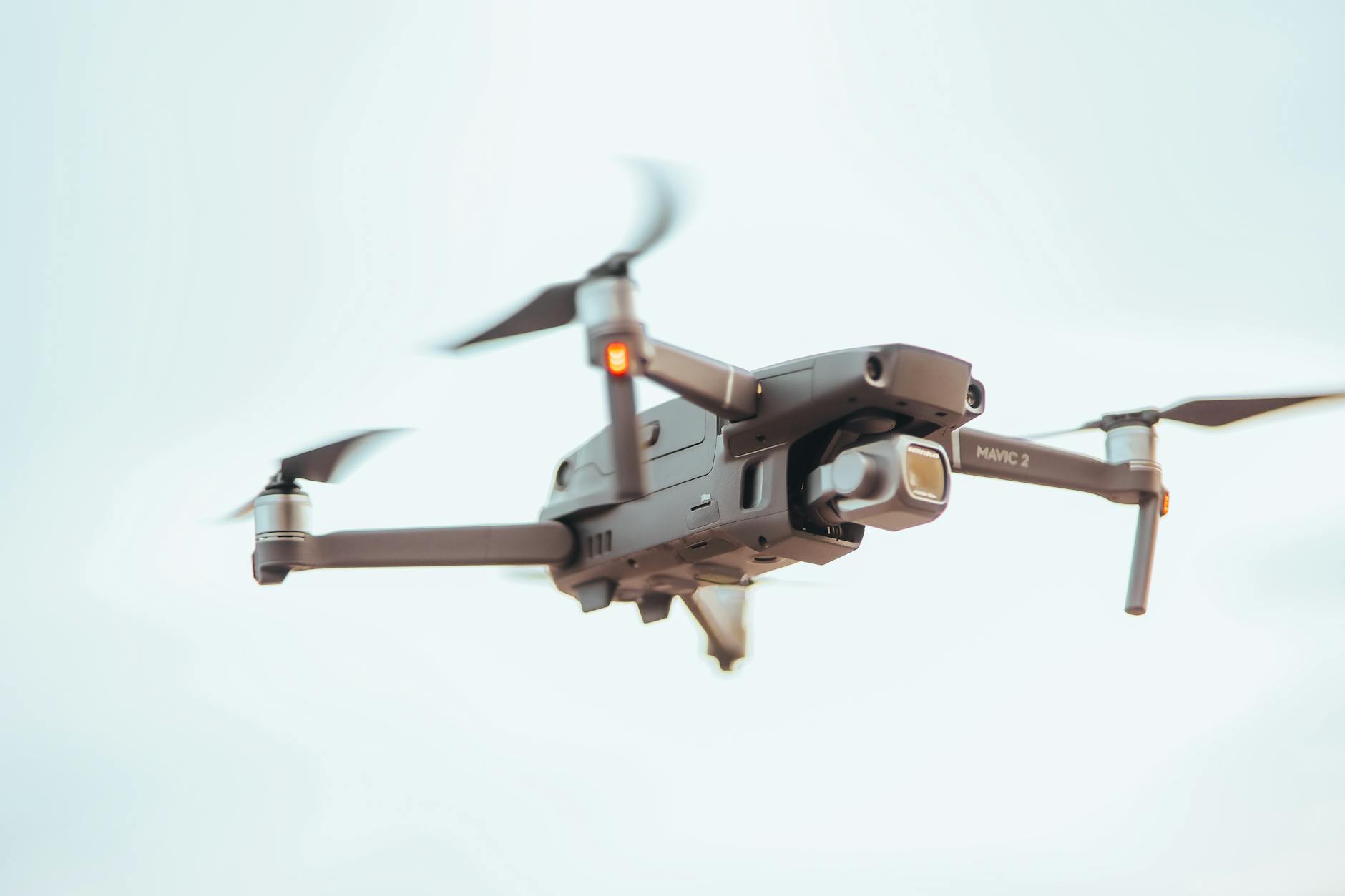
Technology has dramatically reshaped police surveillance capabilities. High-definition cameras, facial recognition software, and drones have become common tools. These advancements allow law enforcement to monitor public spaces with unprecedented precision. For instance, some cities use networks of cameras equipped with AI to track suspicious activity in real-time. This technological leap has raised both efficiency and ethical questions about privacy.
Facial recognition systems, in particular, have sparked debate. A study by the National Institute of Standards and Technology found that these systems can misidentify individuals, especially people of color. Despite these concerns, many police departments continue to adopt the technology. The balance between security and civil liberties remains a contentious issue.
Drones have also become a valuable tool for surveillance. They provide aerial views that were once only possible with helicopters. Police departments use them for crowd monitoring, search and rescue, and tracking suspects. However, their use raises concerns about privacy and the potential for misuse. Clear guidelines are needed to ensure responsible deployment.
As technology evolves, so do the challenges of police surveillance. Law enforcement agencies must navigate the fine line between effective crime prevention and respecting individual rights. The ongoing debate highlights the need for transparent policies and public oversight. Striking the right balance will shape the future of policing.
Real-World Applications and Challenges
Police surveillance thresholds operate in a complex landscape where technology, policy, and public perception intersect. Law enforcement agencies increasingly rely on advanced tools like facial recognition, license plate readers, and predictive policing algorithms. These technologies promise enhanced public safety but also raise significant privacy concerns. A 2022 report from the American Civil Liberties Union revealed that 75% of Americans are unaware of the extent to which their movements are tracked by law enforcement.
One major challenge is balancing the need for public safety with individual privacy rights. Police departments must navigate strict legal frameworks that vary by jurisdiction. For instance, some states require warrants for certain types of surveillance, while others allow broader discretion. This patchwork of regulations creates inconsistencies in how surveillance thresholds are applied. A surveillance expert from a major university emphasizes the need for standardized guidelines to ensure fairness and accountability.
Technological advancements continue to push the boundaries of what is possible in police surveillance. Artificial intelligence and machine learning enable real-time analysis of vast amounts of data. However, these tools are not infallible. False positives and biases in algorithms can lead to wrongful targeting of individuals. Law enforcement agencies must invest in rigorous testing and oversight to mitigate these risks. The goal is to harness the benefits of technology while minimizing its potential for abuse.
Evolving Thresholds in a Changing World

Police surveillance thresholds represent the boundaries within which law enforcement agencies operate when monitoring individuals or groups. These thresholds are not static; they evolve in response to technological advancements, legal precedents, and societal expectations. The delicate balance between public safety and individual privacy rights constantly shifts, necessitating a dynamic approach to surveillance practices.
A study by the Brennan Center for Justice revealed that police departments across the United States have increasingly adopted surveillance technologies, such as facial recognition and license plate readers. These tools, while powerful, have raised concerns about their potential for misuse and the erosion of civil liberties. As a result, lawmakers and activists are pushing for stricter regulations to ensure that surveillance activities remain proportionate and justifiable.
Legal frameworks play a crucial role in defining these thresholds. Courts often interpret laws to address new surveillance technologies, setting precedents that guide future practices. For instance, the Supreme Court's decision in Carpenter v. United States established that law enforcement must obtain a warrant to access cell site location information. Such rulings underscore the importance of judicial oversight in maintaining the delicate equilibrium between security and privacy.
Public perception also influences police surveillance thresholds. High-profile incidents of surveillance abuse can erode public trust, prompting calls for greater transparency and accountability. Conversely, instances of successful surveillance in preventing crimes can bolster support for these practices. This interplay between public opinion and law enforcement strategies further complicates the landscape of police surveillance.
Understanding police surveillance thresholds is crucial for balancing public safety with individual privacy rights. At its core, these thresholds determine when and how law enforcement can legally monitor citizens, ensuring that surveillance remains proportionate and necessary. To navigate this complex landscape, communities should engage in open dialogues with local law enforcement to establish clear guidelines and accountability measures. As technology continues to evolve, so too must the frameworks governing police surveillance, ensuring they adapt to new challenges while upholding democratic principles.
Need this answered for your specific case?
Get a flat-fee consultation with a verified U.S. immigration attorney. Engagement letter on every paid consult.
Related guides
This guide provides general legal information and does not create an attorney–client relationship. Information accurate as of July 2026. Always verify current USCIS guidance before acting.