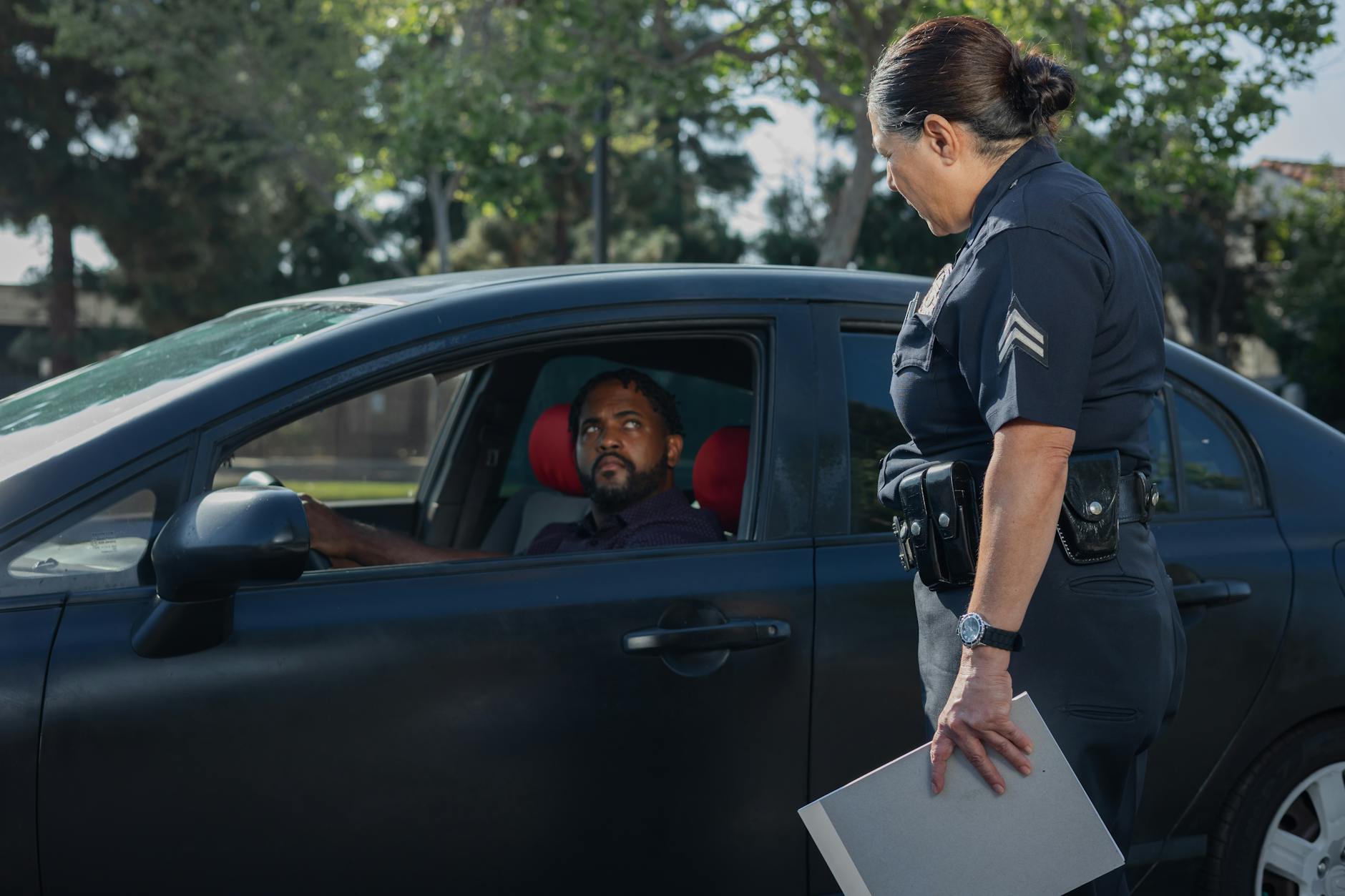
Over 800,000 individuals in the United States are currently on parole, a period of supervised release following incarceration. Yet, nearly one-third of these individuals will have their parole revoked due to violations. These violations, known as parole violation crimes, can have serious consequences, including return to prison. Understanding what constitutes a parole violation crime is crucial for both those on parole and the general public.
A parole violation crime occurs when an individual on parole fails to comply with the conditions set by the parole board. These conditions can range from meeting with a parole officer to avoiding certain individuals or locations. What is a parole violation crime, exactly? It is any action or inaction that breaches these agreed-upon terms. For those on parole, grasping the specifics of these violations is essential to avoid severe penalties. For society, awareness fosters a better understanding of the criminal justice system's complexities.
Parole Violation Basics

Parole violation crimes occur when an individual released from prison under parole fails to comply with the conditions set by the parole board. These conditions typically include regular check-ins with a parole officer, maintaining employment, and avoiding illegal activities. Violations can range from minor infractions, like missing a meeting, to serious offenses, such as committing a new crime. Understanding the basics of parole violations is crucial for both parolees and the public to grasp the consequences and implications of such actions.
According to a study by the National Institute of Justice, approximately 68% of released prisoners are rearrested within three years, with many of these cases involving parole violations. This statistic underscores the prevalence of such crimes and the challenges faced by the criminal justice system in managing parolees effectively. Parole violations not only disrupt the rehabilitation process but also strain law enforcement resources and public safety.
Expert opinions emphasize that parole violations often stem from a combination of factors, including lack of support systems, mental health issues, and socioeconomic challenges. Addressing these underlying causes is essential for reducing recidivism rates and promoting successful reintegration into society. Parole officers and social services play a vital role in providing the necessary support and guidance to help parolees stay on track.
Violations can lead to severe penalties, including revocation of parole and return to prison. The consequences vary depending on the nature and severity of the violation, as well as the individual's criminal history. Courts and parole boards assess each case carefully to determine the appropriate response, balancing the need for accountability with the potential for rehabilitation. This delicate balance is crucial for maintaining public safety while offering parolees a chance to rebuild their lives.
Common Types of Violations

Parole violations can be broadly categorized into three main types: technical violations, special condition violations, and new criminal activity. Technical violations are the most common, accounting for approximately 70% of all parole violations, according to a study by the National Institute of Justice. These occur when individuals fail to meet the standard requirements of their parole, such as missing appointments with parole officers or failing drug tests.
Special condition violations involve breaching specific terms set for an individual's parole. These conditions can range from maintaining employment to avoiding contact with certain individuals. For instance, a parolee might be required to attend counseling sessions or refrain from visiting particular locations. Violating these conditions can lead to serious consequences, including revocation of parole.
A more severe type of violation is engaging in new criminal activity while on parole. This type of violation often results in immediate revocation of parole and can lead to additional criminal charges. Law enforcement agencies and parole officers closely monitor parolees to prevent such violations, as they pose a significant risk to public safety.
Understanding these common types of violations is crucial for both parolees and the criminal justice system. It helps in setting clear expectations and ensuring that parolees adhere to the terms of their release. For the system, it aids in maintaining public safety and reducing recidivism rates.
Consequences of Breaking Parole

Breaking parole can have severe consequences, disrupting an individual's path to reintegration and potentially leading to further legal troubles. When a parolee violates the terms of their release, they may face immediate revocation of parole, which can result in a return to prison to serve the remaining sentence. This not only impacts the individual but also strains the criminal justice system, which must allocate resources to re-incarcerate and manage the parolee.
One of the most significant consequences is the loss of freedom. A parole violation can lead to extended incarceration, sometimes even longer than the original sentence. According to a report by the National Institute of Justice, individuals who violate parole are more likely to reoffend upon release, creating a cycle of recidivism that is difficult to break. This cycle not only affects the individual but also has broader societal implications, including increased crime rates and public safety concerns.
Additionally, parole violations can have long-term effects on an individual's personal and professional life. Employment opportunities may diminish, and social relationships can suffer. The stigma of a parole violation can follow an individual, making it challenging to secure housing, employment, and other essential services. This can perpetuate a cycle of poverty and crime, further complicating the reintegration process.
Legal consequences are not the only repercussions. Parole violations can also result in the loss of certain rights and privileges, such as the right to vote or possess a firearm. These restrictions can further isolate individuals, making it harder for them to reintegrate into society. The cumulative effect of these consequences underscores the importance of adhering to parole conditions and seeking support when needed.
Navigating Parole Violation Hearings
When a parolee faces a violation hearing, understanding the process becomes crucial. These hearings determine whether the individual will remain on parole or face re-incarceration. Parole violation crimes fall into three main categories: technical violations, new criminal charges, and absconding. Each type carries different consequences and requires specific legal strategies.
Technical violations involve failing to meet parole conditions, such as missing appointments or failing drug tests. These violations often lead to hearings where parole officers present evidence. According to a recent study, technical violations account for nearly 40% of all parole revocations. The outcome hinges on the parolee's ability to demonstrate compliance efforts or mitigating circumstances.
New criminal charges present a more serious scenario. If a parolee commits a new crime, the hearing focuses on the severity of the offense and its relation to the original parole terms. Legal experts emphasize the importance of a strong defense strategy in these cases. The hearing officer weighs the new charges against the parolee's rehabilitation progress and potential risk to public safety.
Absconding, or fleeing to avoid supervision, is the most severe violation. It often results in immediate revocation of parole. Parolees accused of absconding must prove they had valid reasons for disappearing. The burden of proof lies heavily on the parolee, making legal representation critical. Understanding these distinctions helps parolees navigate the complexities of violation hearings effectively.
Rehabilitation After Violation
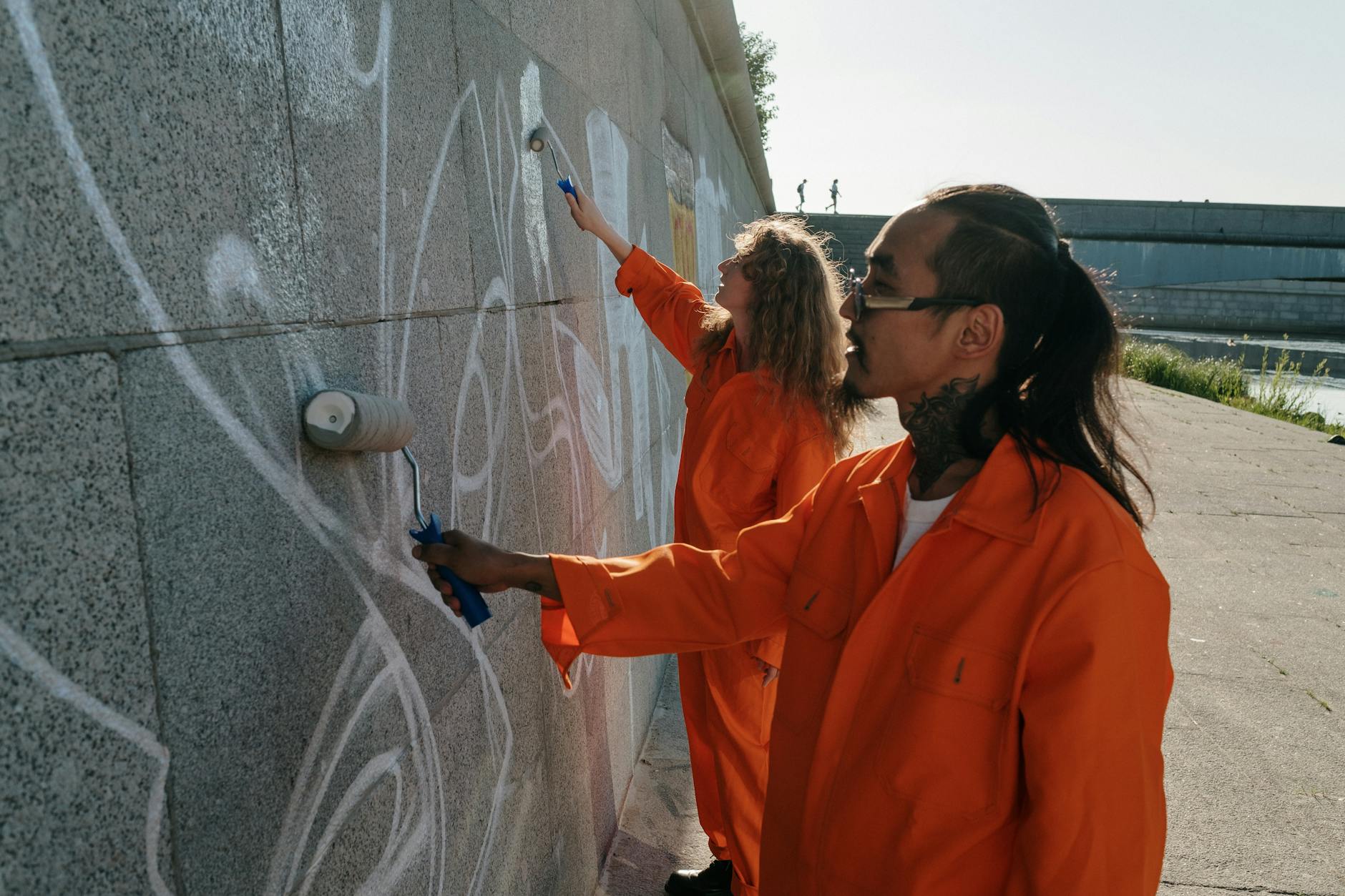
Rehabilitation stands as the cornerstone of addressing parole violations. The system prioritizes helping individuals reintegrate into society rather than merely punishing them. Programs focus on counseling, education, and job training to tackle the root causes of criminal behavior. This approach aims to reduce recidivism and foster long-term success. Without such support, many individuals risk repeating past mistakes.
Statistics reveal that parolees who participate in rehabilitation programs are significantly less likely to reoffend. According to a recent study, those engaged in structured rehabilitation efforts show a 30% lower recidivism rate. These programs provide essential tools for navigating life's challenges without resorting to crime. Experts emphasize the importance of tailored interventions to address individual needs effectively.
Community involvement plays a crucial role in the rehabilitation process. Parole officers collaborate with local organizations to provide resources and support. This network helps parolees build a stable foundation for their future. By fostering connections within the community, individuals gain access to mentorship and opportunities. Such support systems are vital for sustained rehabilitation and successful reintegration.
Legal consequences for parole violations can vary widely. Courts may impose additional supervision, require participation in rehabilitation programs, or even revoke parole entirely. The severity of the response depends on the nature of the violation and the individual's history. Judges consider the potential for rehabilitation when determining appropriate penalties. This balanced approach aims to hold individuals accountable while encouraging positive change.
Parole violation crimes are serious offenses that can have significant consequences, including revocation of parole and return to incarceration. Understanding the three main types—technical violations, new criminal charges, and absconding—is crucial for both parolees and the public to navigate the complexities of the criminal justice system. To stay compliant, parolees should maintain open communication with their parole officers and adhere strictly to their parole conditions. As society continues to grapple with the challenges of reintegration, ongoing reforms and education will be essential to reduce recidivism and promote successful rehabilitation.
Need this answered for your specific case?
Get a flat-fee consultation with a verified U.S. immigration attorney. Engagement letter on every paid consult.
Related guides
This guide provides general legal information and does not create an attorney–client relationship. Information accurate as of July 2026. Always verify current USCIS guidance before acting.