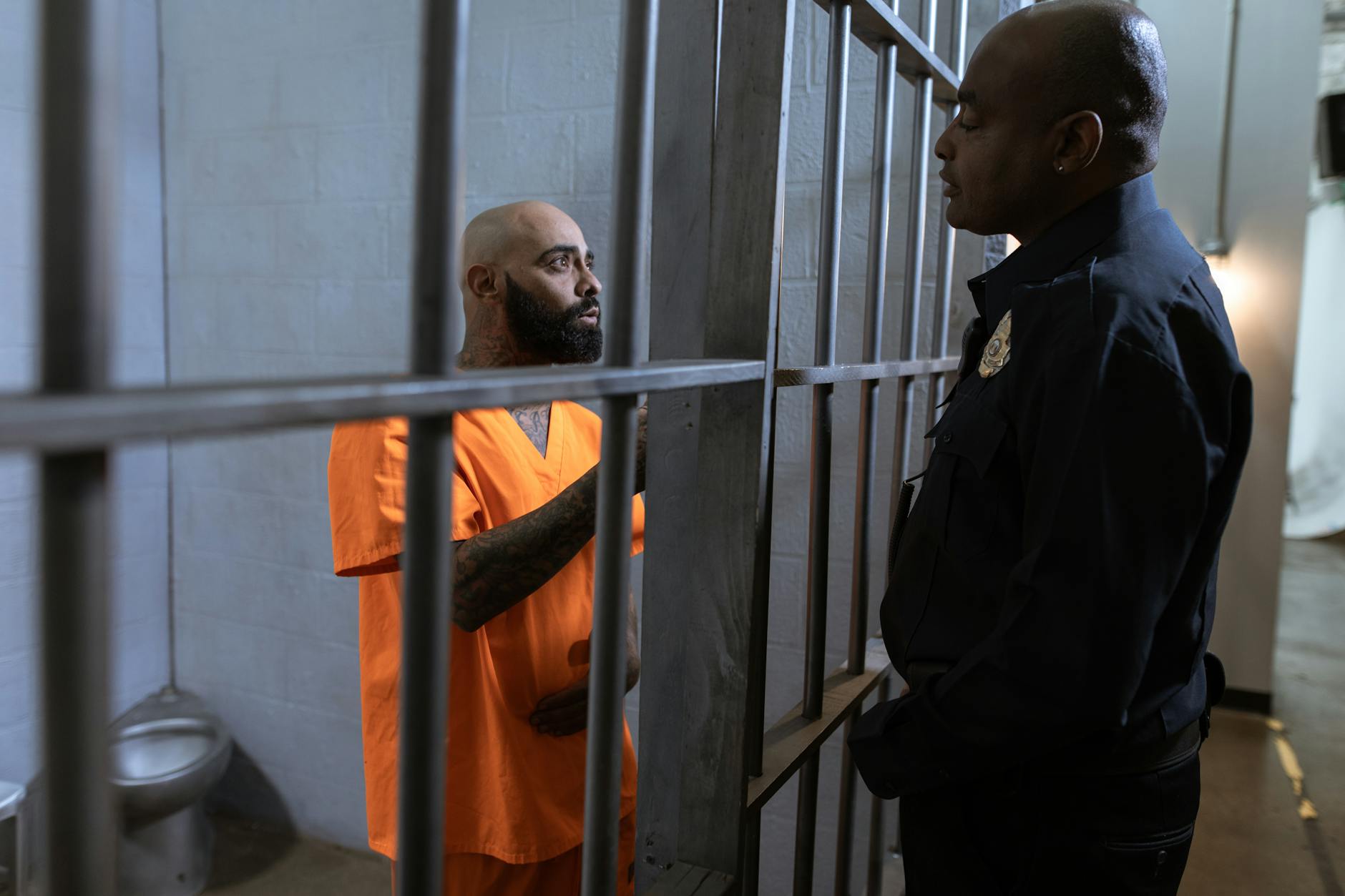
Over 4.5 million individuals in the United States are under some form of criminal supervision, a system designed to monitor and rehabilitate offenders outside of prison walls. This complex web of oversight includes probation, parole, and community corrections, each serving a unique purpose in the criminal justice system. Understanding these distinctions is crucial for grasping how society balances punishment, rehabilitation, and public safety.
Criminal supervision refers to the legal mechanisms that allow individuals to reintegrate into society under specific conditions and monitoring. It serves as an alternative to incarceration, aiming to reduce prison overcrowding while maintaining public safety. Whether through probation, parole, or community corrections, criminal supervision plays a pivotal role in the justice system. For those directly affected—offenders, families, and communities—comprehending these systems can demystify the process and foster a more informed approach to navigating the legal landscape.
Origins of criminal supervision
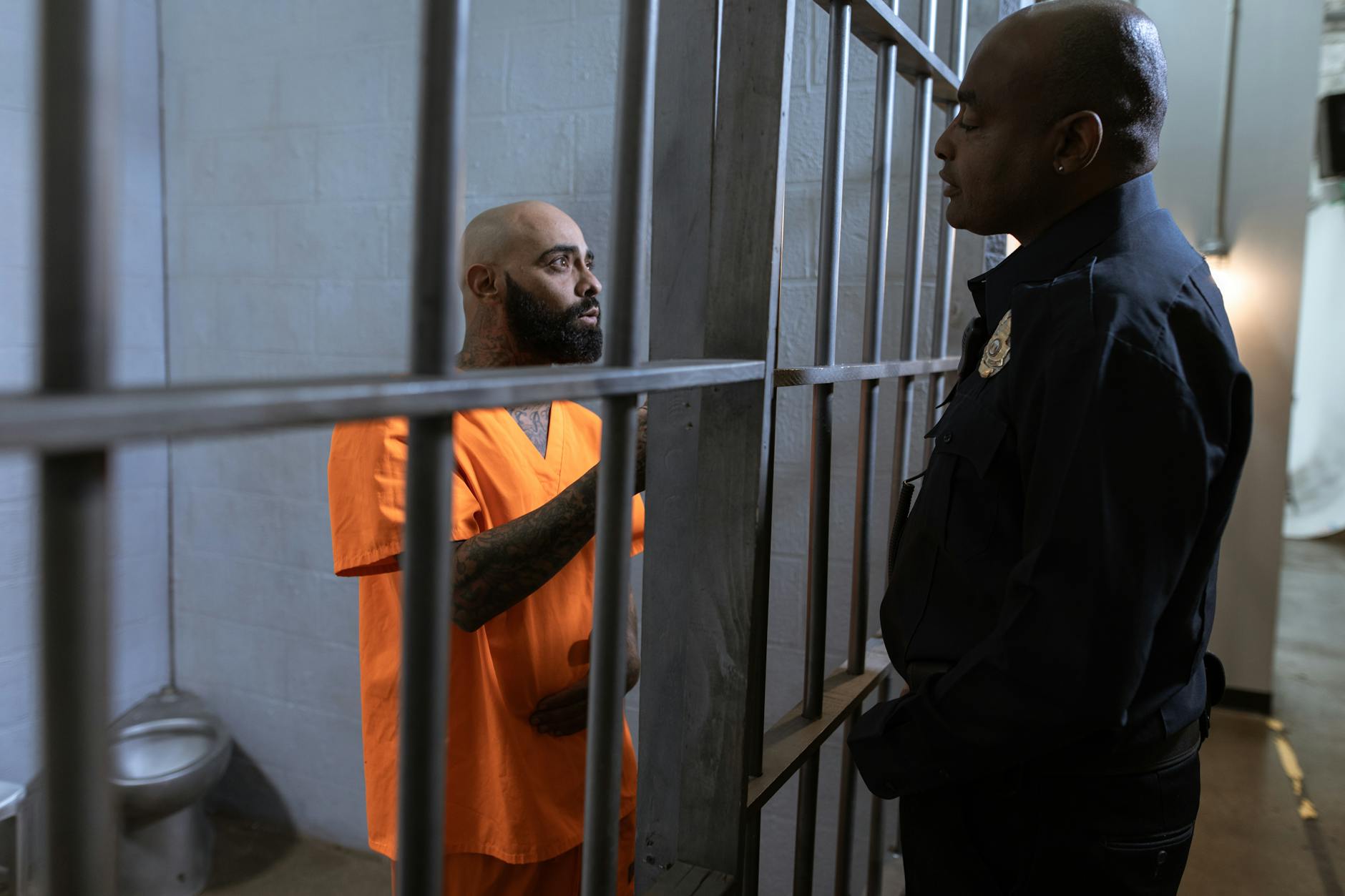
The concept of criminal supervision traces back to ancient civilizations, where communities employed various forms of monitoring and control over individuals who violated social norms. Early societies, such as ancient Greece and Rome, used exile, forced labor, and public shaming as means of supervision and rehabilitation. These practices laid the groundwork for more structured systems of criminal supervision that emerged in later centuries.
During the Middle Ages, the focus shifted towards incarceration as a primary form of punishment. However, the idea of supervision outside of prison walls began to take shape with the introduction of probation in the early 19th century. This marked a significant turning point, as it recognized the potential for rehabilitation through community-based supervision rather than solely through imprisonment.
According to criminal justice experts, the modern system of criminal supervision evolved in the United States during the late 19th and early 20th centuries. The establishment of parole boards and probation offices formalized the process, creating a structured framework for monitoring offenders post-release. This period saw the development of three main types of criminal supervision: probation, parole, and community corrections.
Today, criminal supervision plays a crucial role in the justice system, aiming to reduce recidivism and reintegrate offenders into society. Statistics show that effective supervision can significantly lower reoffense rates, highlighting its importance in modern criminal justice practices. The origins of these practices reflect a continuous effort to balance punishment with rehabilitation, shaping the diverse supervision methods used today.
Key differences between supervision types

Criminal supervision serves as an alternative to incarceration, offering varying degrees of freedom and restrictions. Probation, the most common form, allows individuals to live in the community under specific conditions, such as regular check-ins with a probation officer. According to the Bureau of Justice Statistics, over 3.5 million adults were on probation in 2021. This type of supervision typically follows a conviction but avoids jail time, focusing on rehabilitation and reintegration.
Parole, on the other hand, is granted to individuals who have already served part of their prison sentence. It requires adherence to strict conditions, including periodic meetings with a parole officer and potential drug testing. Unlike probation, parole is conditional release, contingent on good behavior and compliance with court orders. A study by the Pew Charitable Trusts found that parolees who receive support services are less likely to reoffend.
House arrest, the most restrictive form, confines individuals to their homes, often with electronic monitoring. This type of supervision is typically used for non-violent offenders or those awaiting trial. It allows individuals to maintain some normalcy, such as work or education, under strict supervision. Experts argue that house arrest can be an effective deterrent, reducing recidivism rates by providing a structured environment.
Each type of criminal supervision plays a crucial role in the justice system, offering alternatives to incarceration while ensuring public safety. The choice between probation, parole, and house arrest depends on various factors, including the nature of the offense, the individual's criminal history, and the availability of support services. Understanding these differences is essential for both offenders and the community, as they navigate the complexities of the criminal justice system.
How supervision impacts daily life

Criminal supervision extends beyond courtrooms and correctional facilities, weaving into the fabric of daily life for those under its watch. Probation, for instance, requires individuals to adhere to strict conditions while living at home, affecting everything from employment to personal relationships. A study by the Bureau of Justice Statistics reveals that over 3.5 million adults in the United States were on probation in 2021, highlighting the widespread impact of this form of supervision.
Parole officers play a pivotal role in this process, conducting regular check-ins and drug tests. These interactions can shape an individual's routine, often dictating where they can go and who they can associate with. The constant scrutiny can lead to feelings of isolation, as one's every move is monitored and reported.
Electronic monitoring, another form of supervision, uses GPS or radio frequency devices to track an individual's location. This technology, while less invasive than direct supervision, still imposes limitations. It can restrict access to certain areas, affecting one's ability to work, attend school, or participate in community activities. The psychological toll of constant surveillance can be significant, with some individuals reporting increased stress and anxiety.
For those under criminal supervision, daily life becomes a delicate balance. The goal is to reintegrate into society while adhering to strict conditions. Success often depends on the support systems in place, including family, friends, and community resources. Without these, the path to rehabilitation can be fraught with challenges.
Challenges in modern supervision systems

Modern criminal supervision systems face significant hurdles in their quest to balance public safety with offender rehabilitation. One major challenge is the sheer volume of cases that probation and parole officers must manage. According to a recent study by a leading criminal justice research institute, the average caseload for a supervision officer exceeds 150 individuals. This heavy workload can strain resources and limit the ability to provide personalized attention to each case.
Technology integration presents another obstacle. While digital tools promise efficiency, their implementation often lags behind. Many agencies struggle with outdated systems that hinder real-time monitoring and data analysis. This gap can lead to inefficiencies and missed opportunities for early intervention.
Additionally, societal attitudes toward supervision can complicate efforts. Stigma surrounding offenders may create barriers to community reintegration. Supervision programs that focus solely on punishment rather than rehabilitation can exacerbate these challenges. Experts emphasize the need for a balanced approach that addresses both accountability and support.
Funding constraints further limit the effectiveness of supervision systems. Budget cuts often result in reduced staffing and resources, which can compromise the quality of services provided. Without adequate funding, agencies may struggle to implement evidence-based practices that have proven successful in other jurisdictions.
Evolving trends in criminal oversight

Criminal supervision has evolved significantly over the past decades, adapting to societal changes and technological advancements. The traditional model of probation, which often involved minimal oversight, has given way to more structured and intensive forms of supervision. This shift reflects a broader trend in criminal justice: a move towards evidence-based practices that prioritize rehabilitation and public safety.
One notable trend is the increasing use of electronic monitoring. GPS tracking and ankle bracelets allow supervision agencies to monitor offenders' whereabouts in real-time, reducing the risk of reoffending. According to a recent study, electronic monitoring has been shown to reduce recidivism rates by up to 15% in some jurisdictions. This technology has become a cornerstone of modern criminal supervision, offering a balance between freedom and accountability.
Another key development is the integration of behavioral programs into supervision plans. These programs address underlying issues such as substance abuse, mental health, and anger management. Experts argue that this holistic approach is crucial for long-term success, as it tackles the root causes of criminal behavior. By combining surveillance with rehabilitation, supervision agencies aim to break the cycle of reoffending.
Finally, the rise of data-driven decision-making has transformed how supervision is managed. Agencies now use analytics to assess risk levels, tailor supervision plans, and allocate resources more effectively. This data-centric approach ensures that interventions are targeted and efficient, ultimately enhancing public safety and offender rehabilitation.
Criminal supervision serves as a critical tool in the justice system, offering a structured approach to managing offenders while promoting rehabilitation and public safety. At its core, it encompasses probation, parole, and community corrections, each tailored to specific offender needs and risk levels. To effectively navigate this system, individuals should familiarize themselves with the distinct requirements and benefits of each type, ensuring they make informed decisions about their rehabilitation journey. As the landscape of criminal justice continues to evolve, the role of supervision will likely expand, incorporating innovative strategies to better address the complexities of offender reintegration.
Need this answered for your specific case?
Get a flat-fee consultation with a verified U.S. immigration attorney. Engagement letter on every paid consult.
Related guides
This guide provides general legal information and does not create an attorney–client relationship. Information accurate as of July 2026. Always verify current USCIS guidance before acting.