
Every year, law enforcement officers in the United States make approximately 10 million arrests. This staggering number underscores the significance of understanding police arrest authority, a fundamental aspect of the criminal justice system. The power to arrest is a critical tool that enables police officers to maintain public safety and uphold the law.
For citizens, understanding what constitutes a legal arrest is equally vital. What Is Police Power to Arrest Explained reveals that this authority is not absolute but is governed by specific legal principles and constraints. Knowing these aspects can empower individuals to recognize their rights and understand the boundaries of police actions. What Is Police Power to Arrest Explained also highlights the importance of transparency and accountability in law enforcement, ensuring that arrests are conducted lawfully and justly.
The Legal Foundation of Arrest Authority

The legal foundation of police arrest authority is deeply rooted in constitutional and statutory law. The Fourth Amendment of the U.S. Constitution protects citizens from unreasonable searches and seizures, but it also grants law enforcement the authority to make arrests under specific circumstances. This authority is further detailed in state and federal statutes, which outline the conditions under which an arrest can be made. Police officers must adhere to these legal parameters to ensure their actions are constitutionally sound.
According to legal experts, the primary legal basis for an arrest is probable cause. Probable cause exists when an officer has sufficient facts to believe that a crime has been committed and that the person being arrested is responsible. This standard is lower than the "beyond a reasonable doubt" requirement for convictions but higher than mere suspicion. Officers must be able to articulate the specific facts that led them to believe probable cause existed at the time of the arrest.
A study by the Bureau of Justice Statistics found that approximately 10.5 million arrests were made in the United States in 2019. This statistic underscores the importance of a robust legal framework governing arrest authority. Police officers must be well-versed in the legal principles that underpin their power to arrest. Failure to comply with these principles can result in legal challenges, including the exclusion of evidence or the dismissal of charges. Understanding the legal foundation of arrest authority is crucial for maintaining public trust and ensuring the integrity of the criminal justice system.
When Can Police Make an Arrest?

Police officers possess the authority to make arrests under specific circumstances, primarily when they have reasonable suspicion or probable cause to believe a person has committed a crime. This authority is a crucial aspect of law enforcement, enabling officers to maintain public safety and order. Reasonable suspicion is a lower standard than probable cause and allows officers to briefly detain individuals for further investigation. Probable cause, a higher standard, justifies a full arrest and requires more substantial evidence linking the individual to a crime.
A study by the Bureau of Justice Statistics found that in 2018, law enforcement agencies made approximately 10.3 million arrests nationwide. This figure underscores the frequency with which police exercise their arrest authority. Officers must balance their duty to uphold the law with respect for individual rights, ensuring arrests are made lawfully and justly.
Warrantless arrests are permissible in certain situations, such as when a crime is committed in the officer's presence or when there is a felony in progress. However, officers must adhere to constitutional guidelines to prevent unlawful detentions. Failure to do so can result in legal consequences for the officers and potential dismissal of charges against the arrested individual. Understanding these parameters is essential for both law enforcement and the public.
Exigent circumstances, such as immediate threats to public safety or risk of evidence destruction, can also justify warrantless arrests. In these cases, officers must act swiftly to mitigate harm and preserve evidence. The courts have consistently upheld the necessity of such actions when they are based on reasonable and articulable facts. This ensures a delicate balance between public safety and individual liberties.
Warrants and Warrantless Arrests Explained
Police officers possess the authority to arrest individuals under specific circumstances, primarily divided into warrants and warrantless arrests. A warrant is a court order that authorizes law enforcement to apprehend a person suspected of committing a crime. This document ensures that arrests comply with constitutional protections, such as the Fourth Amendment in the United States, which safeguards against unreasonable searches and seizures.
Warrantless arrests occur when officers detain individuals without a prior court order. These arrests are typically justified under exigent circumstances, such as when there is a risk of harm to others, evidence destruction, or the suspect's potential flight. According to a study by the National Institute of Justice, warrantless arrests account for a significant portion of law enforcement activities, highlighting their importance in maintaining public safety.
Expert opinions emphasize that the legality of warrantless arrests hinges on probable cause. Probable cause refers to a reasonable belief, based on facts and evidence, that a person has committed a crime. Officers must be able to articulate the specific facts that led them to believe an arrest was necessary. This standard ensures that warrantless arrests are not conducted arbitrarily.
Understanding the distinction between warrants and warrantless arrests is crucial for both law enforcement and the public. It ensures that arrests are conducted lawfully and that individual rights are protected. Police officers undergo rigorous training to recognize the conditions under which each type of arrest is appropriate, balancing the need for public safety with the protection of constitutional rights.
Challenging Police Arrest Authority in Court

Challenging police arrest authority in court is a fundamental right in many legal systems. When individuals believe their arrest was unlawful, they can file a motion to suppress evidence or challenge the arrest's validity. This process often involves demonstrating that the arresting officer lacked probable cause or violated constitutional rights during the arrest.
According to legal experts, successful challenges often hinge on the specific circumstances of the arrest. For instance, if an officer conducted an arrest without a warrant and lacked reasonable suspicion, the court may rule the arrest invalid. Statistics show that approximately 15% of arrest-related challenges result in favorable outcomes for the defendant, highlighting the importance of thorough legal representation.
Courts examine several factors when evaluating arrest challenges. These include the officer's training, the evidence presented, and the defendant's rights during the arrest. A well-documented case with clear evidence of misconduct can significantly strengthen a defendant's position. Legal professionals emphasize the need for defendants to act swiftly and gather all relevant information to build a strong case.
Ultimately, challenging police arrest authority in court serves as a critical check on law enforcement power. It ensures that arrests comply with legal standards and protects individuals from unlawful detention. This process underscores the balance between public safety and individual rights, reinforcing the rule of law.
The Evolving Landscape of Arrest Laws
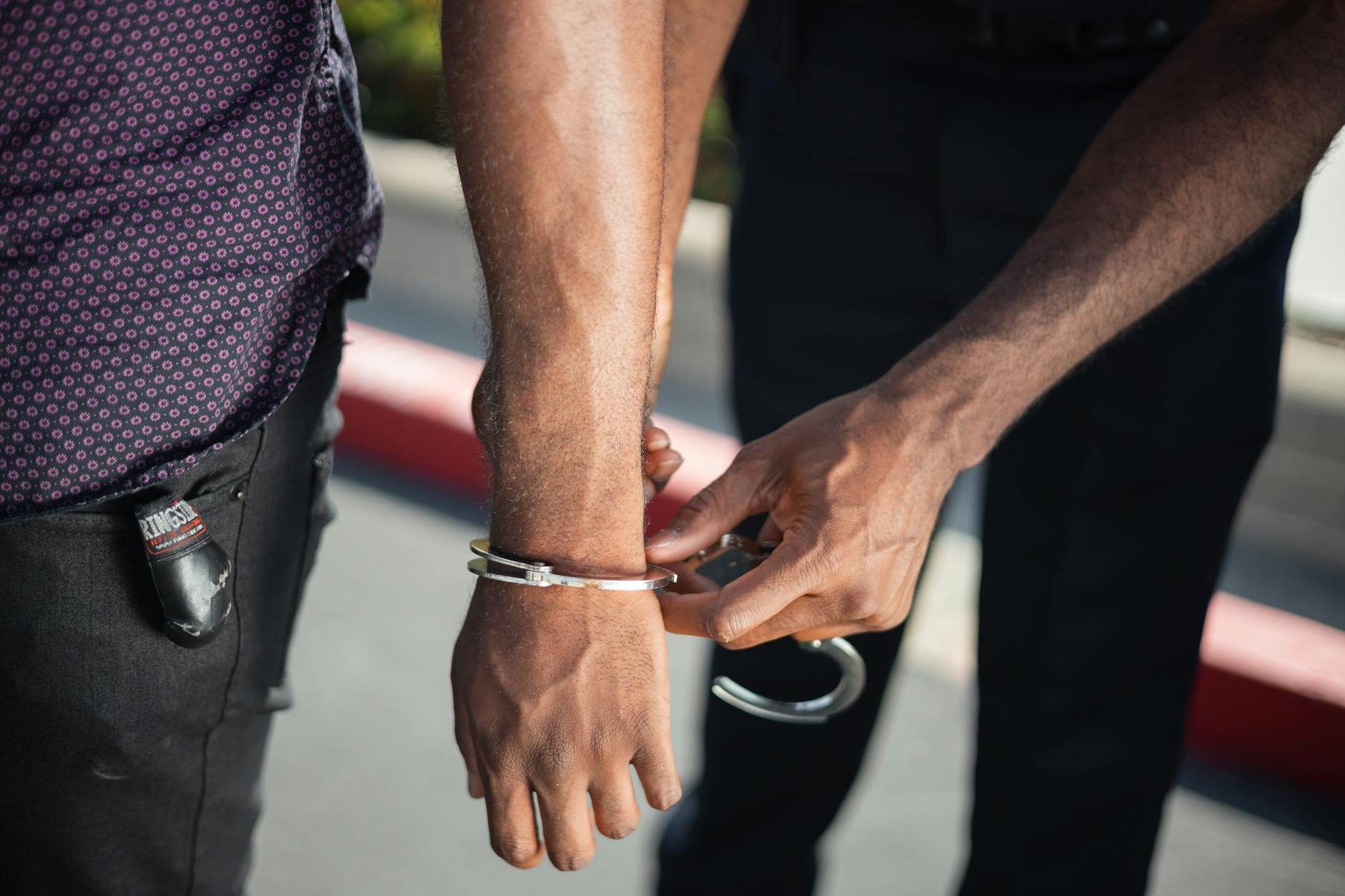
Police arrest authority has undergone significant transformations over the decades, shaped by societal changes, technological advancements, and legal precedents. The landscape of arrest laws is far more complex than it was even a generation ago. Today, law enforcement officers navigate a intricate web of federal, state, and local regulations that dictate when, how, and under what circumstances they can make an arrest.
One of the most notable shifts has been the increased emphasis on de-escalation techniques and community policing. According to a report by the Police Executive Research Forum, many departments have adopted policies that prioritize non-violent conflict resolution over traditional arrest procedures. This evolution reflects a broader societal push towards reducing police use of force and building trust between law enforcement and the communities they serve.
Technology has also played a pivotal role in reshaping arrest laws. Body-worn cameras, for instance, have become a standard tool in many police departments. These devices provide an objective record of interactions between officers and civilians, influencing both the conduct of arrests and the subsequent legal proceedings. The presence of body cameras has been shown to alter officer behavior, leading to more cautious and professional conduct during arrests.
Legal scholars and criminal justice experts continue to debate the balance between police authority and individual rights. The evolving landscape of arrest laws reflects ongoing efforts to refine this balance, ensuring that law enforcement can effectively perform its duties while respecting the constitutional rights of all individuals. This dynamic interplay between law and practice ensures that the power to arrest remains a critical and evolving aspect of police work.
Understanding the four key aspects of police arrest authority—reasonable suspicion, probable cause, the nature of the offense, and the manner of arrest—is crucial for both law enforcement and the public. These principles ensure a balance between maintaining public safety and protecting individual rights. To navigate encounters with law enforcement, citizens should familiarize themselves with these concepts and know their rights. As society evolves, ongoing dialogue and education will be essential to adapt these principles to new challenges while upholding justice and fairness.
Need this answered for your specific case?
Get a flat-fee consultation with a verified U.S. immigration attorney. Engagement letter on every paid consult.
Related guides
This guide provides general legal information and does not create an attorney–client relationship. Information accurate as of July 2026. Always verify current USCIS guidance before acting.