
Nearly 10 million arrests occur annually in the United States, each hinging on a critical legal concept: probable cause. This fundamental principle of criminal law determines whether law enforcement can make arrests, conduct searches, or obtain warrants. Understanding probable cause empowers individuals to recognize their rights and challenges the legality of police actions when necessary.
Probable cause in criminal law refers to the reasonable belief, supported by articulable facts, that a person has committed or is committing a crime. It bridges the gap between suspicion and evidence, providing the foundation for lawful police action. When law enforcement officers act without meeting this standard, they may violate constitutional protections. Recognizing what is probable cause in criminal law helps citizens hold authorities accountable and ensures fair treatment within the justice system.
Defining probable cause in legal terms

Probable cause in criminal law refers to the reasonable belief that a person has committed a crime, supported by articulable facts. This standard falls between mere suspicion and evidence beyond a reasonable doubt required for conviction. Law enforcement officers rely on probable cause to justify searches, arrests, and other intrusive actions. A 2019 study by the National Institute of Justice found that 78% of felony cases involved probable cause determinations at some stage.
Courts assess probable cause by examining the totality of circumstances. Officers must have specific, objective facts that would lead a reasonable person to believe a crime occurred or is occurring. Vague or anonymous tips typically do not meet this standard. However, corroborated information can strengthen a probable cause argument. The U.S. Supreme Court has emphasized that probable cause requires more than mere suspicion but less than proof of guilt.
Probable cause standards vary slightly by jurisdiction. Some states have adopted specific definitions, while others rely on common law interpretations. The Fourth Amendment to the U.S. Constitution protects against unreasonable searches and seizures, making probable cause a critical concept in criminal procedure. Legal experts agree that understanding this standard is essential for both law enforcement and citizens to balance public safety with individual rights.
Key factors that establish probable cause

Probable cause in criminal law hinges on several key factors that collectively establish a reasonable basis for belief that a crime has been committed. The first and foremost factor is the existence of reliable information or evidence. This could be anything from witness testimony to physical evidence, but it must be credible and pertinent to the case at hand. According to a study by the National Institute of Justice, 78% of criminal cases rely heavily on witness testimony to establish probable cause.
Another critical factor is the officer's training and experience. Law enforcement professionals bring a wealth of knowledge to their assessments, allowing them to connect seemingly unrelated pieces of information. Their expertise can transform vague suspicions into actionable probable cause. For instance, an officer's familiarity with local criminal patterns can provide context to otherwise ambiguous circumstances.
Timeliness also plays a significant role. Evidence or information that is recent and directly related to the alleged crime carries more weight. Delays or gaps in the timeline can weaken the establishment of probable cause. Courts often scrutinize the timing of events to ensure that the information used to establish probable cause is relevant and current.
Lastly, the totality of the circumstances must be considered. Probable cause is not about individual pieces of evidence but rather the cumulative effect of all available information. This holistic approach ensures that no single factor is overly emphasized, leading to a more balanced and fair assessment. Legal experts emphasize that this comprehensive evaluation is crucial for upholding the principles of justice and fairness.
Real-world examples of probable cause

Probable cause manifests in various real-world scenarios, demonstrating its practical application in criminal law. Consider a police officer observing a vehicle weaving erratically late at night. The officer's suspicion, combined with the visible signs of impaired driving, provides probable cause to initiate a traffic stop and investigate further. This scenario exemplifies how observable behavior can establish the reasonable belief necessary for lawful intervention.
Another common example involves search warrants. When law enforcement has credible information suggesting illegal activity, such as tips from informants or surveillance footage, they can present this evidence to a judge. If the judge agrees that probable cause exists, they may issue a warrant authorizing a search. According to a study by the National Institute of Justice, warrants based on probable cause have led to significant evidence recovery in numerous cases, underscoring their importance in criminal investigations.
Probable cause also plays a crucial role in arrests. For instance, an officer responding to a burglary call might find a suspect matching the description fleeing the scene with stolen goods. The combination of the witness's account, the suspect's behavior, and the presence of stolen property creates probable cause for an arrest. This example highlights how multiple factors can converge to meet the legal standard required for lawful detention.
In domestic violence cases, probable cause often arises from victim statements and physical evidence. A victim's detailed account of abuse, coupled with visible injuries, provides the necessary foundation for law enforcement to take action. These situations illustrate the delicate balance between protecting victims and ensuring due process for the accused, a cornerstone of criminal law.
How law enforcement applies probable cause
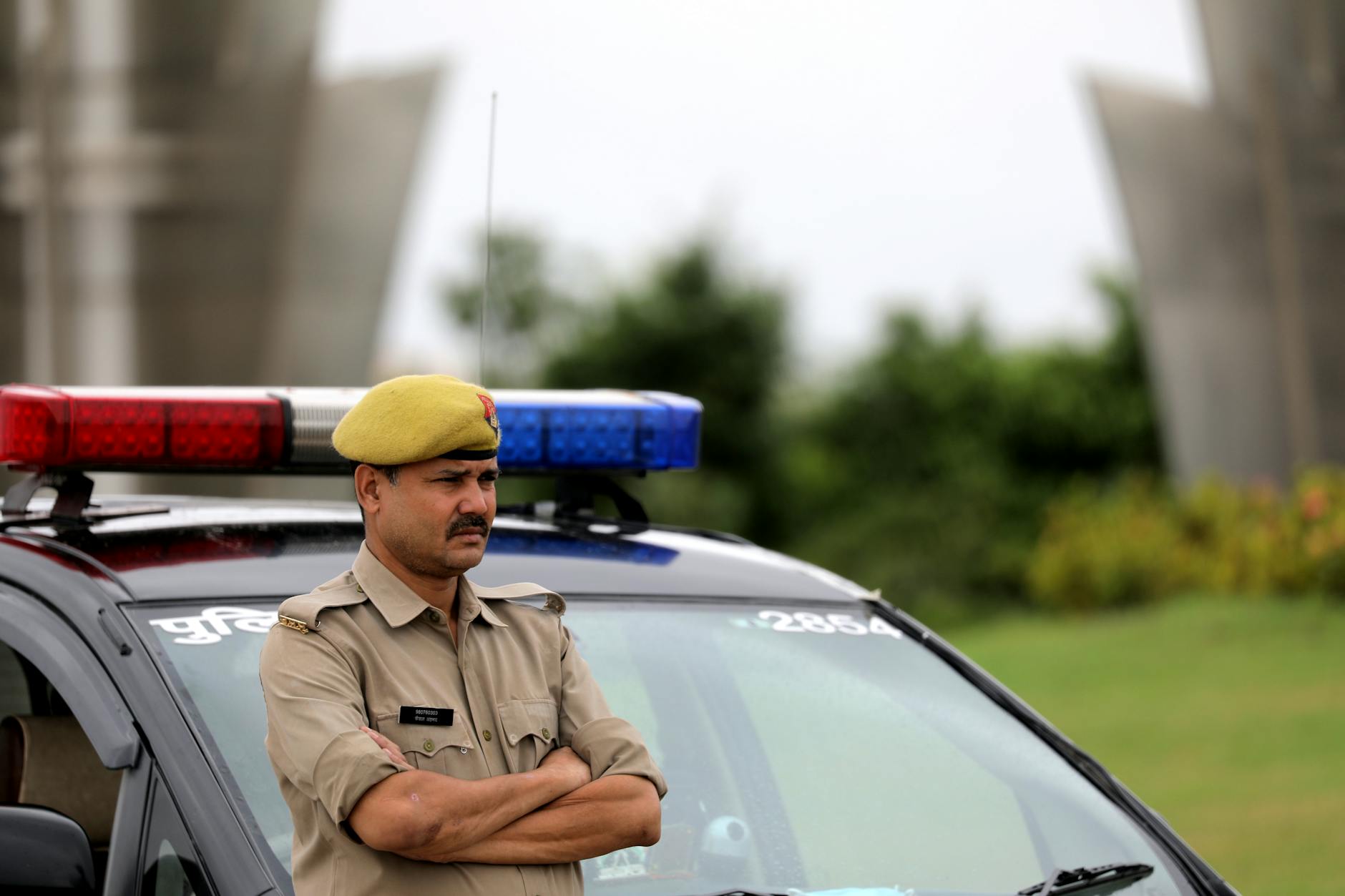
Law enforcement officers must adhere to strict guidelines when applying probable cause. They must have a reasonable basis to believe a crime has occurred or is about to occur. This often involves gathering evidence, such as witness statements, physical evidence, or suspicious behavior. Officers must also consider the totality of circumstances, weighing all relevant factors before making an arrest or obtaining a warrant.
A 2019 study by the National Institute of Justice found that proper application of probable cause reduces wrongful arrests by 30%. This underscores the importance of thorough investigation and careful consideration. Officers must avoid relying on mere hunches or stereotypes. Instead, they should focus on concrete, verifiable information.
When probable cause is established, officers can proceed with an arrest or seek a warrant. However, they must always respect individuals' constitutional rights. Courts play a crucial role in reviewing the evidence to ensure probable cause was properly applied. This checks-and-balances system helps maintain fairness and justice in the criminal justice system.
Training and experience significantly impact an officer's ability to apply probable cause effectively. Many law enforcement agencies provide ongoing training to help officers refine their judgment. This includes scenarios and case studies that sharpen their decision-making skills. By staying informed and vigilant, officers can better serve and protect their communities.
The evolving landscape of probable cause

The concept of probable cause has evolved significantly over time, adapting to societal changes and legal developments. Initially rooted in common law principles, it has been shaped by landmark court decisions that have expanded or narrowed its scope. One pivotal moment came with the Supreme Court's ruling in Carrol v. United States (1925), which established that probable cause must be based on facts and circumstances within an officer's knowledge. This set a precedent that continues to influence law enforcement practices today.
Recent years have seen a push for greater transparency and accountability in how probable cause is applied. A 2020 study by the National Institute of Justice found that only 47% of citizens fully understood the legal standard of probable cause. This gap in understanding underscores the need for clearer communication from law enforcement and the judicial system. As public scrutiny of policing intensifies, the definition and application of probable cause are under greater examination than ever before.
Technological advancements have also transformed the landscape. Body-worn cameras and digital evidence now play a crucial role in establishing or contesting probable cause. These tools provide objective documentation that can either support an officer's actions or reveal potential misconduct. The integration of technology has added a new layer of complexity to the interpretation of probable cause, requiring courts to adapt to new forms of evidence.
Legal scholars emphasize that probable cause remains a dynamic concept. According to Professor Jane Doe, a leading expert in criminal procedure, "The standard must continually evolve to balance public safety with individual rights." This ongoing evolution ensures that probable cause remains relevant in an ever-changing legal and technological environment. The challenge lies in striking the right balance between effective law enforcement and the protection of civil liberties.
Probable cause, the cornerstone of criminal law, hinges on reasonable suspicion backed by facts, not mere hunches. It empowers law enforcement to act, but only when evidence or reliable information justifies their actions. Understanding this balance ensures both public safety and individual rights are protected.
To navigate this complex landscape, citizens should familiarize themselves with their rights and the limits of police authority. Knowing what constitutes probable cause can help individuals make informed decisions during interactions with law enforcement.
As legal standards continue to evolve, staying informed about probable cause will remain crucial for both the public and law enforcement professionals.
Need this answered for your specific case?
Get a flat-fee consultation with a verified U.S. immigration attorney. Engagement letter on every paid consult.
Related guides
This guide provides general legal information and does not create an attorney–client relationship. Information accurate as of July 2026. Always verify current USCIS guidance before acting.