
Every year, thousands of individuals in the United States find themselves on the wrong side of an unlawful arrest. These incidents not only disrupt lives but also raise serious concerns about civil liberties and police conduct. Understanding what constitutes an unlawful arrest is crucial for protecting one's rights and holding law enforcement accountable.
An unlawful arrest occurs when law enforcement officers violate an individual's constitutional rights during the arrest process. This can happen for various reasons, such as lack of probable cause, improper use of force, or failure to follow proper procedures. Recognizing what is an unlawful arrest empowers citizens to identify potential violations and take appropriate action. Whether it's a routine traffic stop or a more serious encounter, knowing the key elements of an unlawful arrest can make a significant difference in the outcome of legal proceedings.
The Legal Definition of Unlawful Arrest
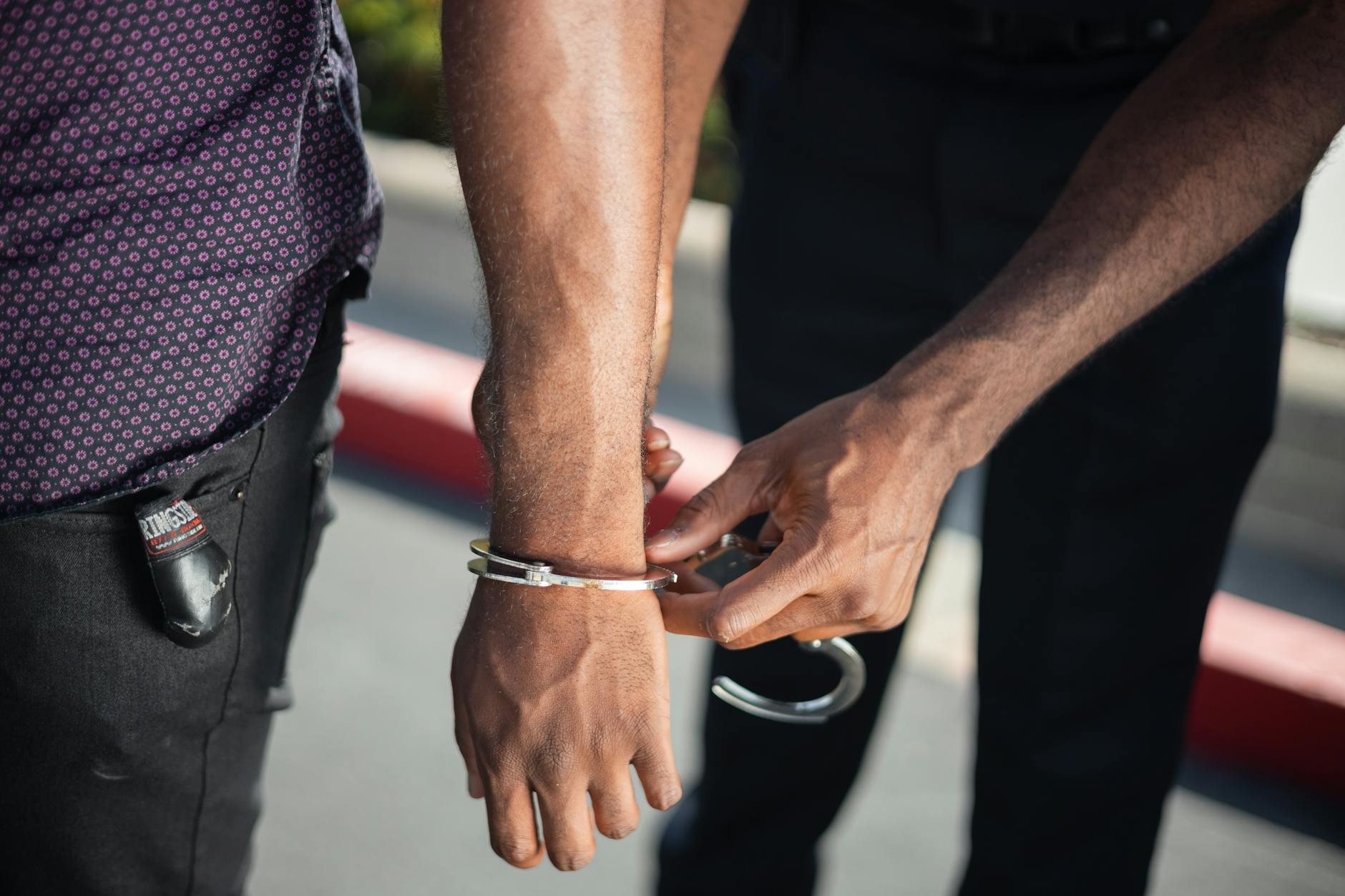
An unlawful arrest occurs when law enforcement officers violate an individual's constitutional rights during the arrest process. The Fourth Amendment of the U.S. Constitution protects citizens from unreasonable searches and seizures, which includes unlawful arrests. According to the American Civil Liberties Union, thousands of unlawful arrests happen annually, highlighting the importance of understanding this legal concept.
To constitute an unlawful arrest, the arrest must lack probable cause or be executed without a valid warrant. Probable cause refers to a reasonable belief that a person has committed a crime, supported by specific facts and circumstances. Without this foundation, an arrest may be deemed unlawful.
Another aspect of unlawful arrest involves the manner in which the arrest is conducted. Even with probable cause, excessive force or violations of the individual's rights during the arrest process can render it unlawful. Courts often scrutinize the actions of law enforcement officers to determine if they acted reasonably and within the bounds of the law.
Legal experts emphasize that understanding the legal definition of unlawful arrest empowers individuals to recognize and challenge violations of their rights. This knowledge can be crucial in seeking justice and holding law enforcement accountable for their actions.
Recognizing Signs of an Illegal Detention

The ability to recognize signs of an illegal detention is crucial for protecting one's rights. Unlawful arrests often involve excessive force, lack of probable cause, or failure to inform the individual of their rights. According to the American Civil Liberties Union, thousands of people experience unlawful arrests each year. Understanding these signs empowers individuals to take appropriate action.
One clear indicator is the absence of a warrant or probable cause. Law enforcement must have reasonable grounds to believe a crime has been committed before making an arrest. If an officer cannot articulate these grounds, the arrest may be unlawful. Individuals should calmly ask the officer to explain the reason for the detention.
Excessive use of force is another red flag. While law enforcement has the right to use reasonable force to effect an arrest, excessive force can render the arrest unlawful. This includes using weapons, restraints, or physical force beyond what is necessary to control the situation. Documenting any injuries sustained during the arrest can be vital evidence in challenging its legality.
Failure to inform the individual of their rights is a common sign of an unlawful arrest. The Miranda warning, which includes the right to remain silent and the right to an attorney, must be provided upon arrest. If these rights are not clearly explained, the arrest may be deemed unlawful. Individuals should assert their right to remain silent and request an attorney immediately.
Steps to Take if Arrested Unlawfully

If someone believes they've been subjected to an unlawful arrest, immediate action is crucial. First, remain calm and comply with the officers' instructions to avoid escalation. Once safe, document every detail of the incident, including the officers' names, badge numbers, and any witnesses present. The American Civil Liberties Union reports that police misconduct complaints have risen by 22% in recent years, underscoring the importance of thorough documentation.
Contacting a legal professional should be the next step. An attorney can provide guidance tailored to the specific situation and help preserve evidence. They may also file a motion to suppress evidence obtained during the unlawful arrest, which could significantly impact the case's outcome.
Filing a formal complaint with the police department or relevant oversight agency is another critical action. This process often involves submitting a written account of the incident along with any supporting evidence. According to the Bureau of Justice Statistics, only about 30% of misconduct allegations result in disciplinary action, highlighting the need for persistent advocacy.
Finally, consider seeking support from local advocacy groups or community organizations. These groups can offer resources, guidance, and emotional support throughout the process. They may also provide assistance in navigating the legal system and advocating for policy changes to prevent future instances of unlawful arrest.
Consequences for Officers Involved in Unlawful Arrests

When officers conduct unlawful arrests, they expose themselves to serious consequences. These can range from administrative disciplinary actions to criminal charges. Internal affairs divisions typically investigate such incidents, which may lead to suspension or termination. In severe cases, officers might face civil lawsuits or even criminal prosecution.
According to a report by the Bureau of Justice Statistics, between 2005 and 2013, local police departments sustained an average of 26,600 allegations of excessive force or misuse of weapons annually. These statistics underscore the gravity of unlawful arrests and the potential fallout for officers involved.
Legal experts emphasize that officers must adhere to constitutional guidelines during arrests. Failure to do so can result in significant repercussions. Courts may award damages to victims, and officers could face personal liability. Additionally, departments might implement retraining programs or policy changes to prevent future incidents.
Public trust plays a crucial role in law enforcement. Unlawful arrests can erode this trust, leading to community unrest. Officers must therefore prioritize proper procedures and respect for individual rights. By doing so, they can maintain their integrity and the public's confidence.
Preventing Unlawful Arrests in the Future

Preventing unlawful arrests requires a proactive approach from both law enforcement and the public. Officers must receive comprehensive training on constitutional rights and proper arrest procedures. According to the National Institute of Justice, improved training can significantly reduce misconduct incidents. For instance, role-playing scenarios and regular refresher courses can help officers better understand the nuances of lawful arrests.
Community policing initiatives also play a crucial role. Building trust between law enforcement and the public fosters mutual respect and understanding. When communities and police work together, incidents of unlawful arrests decrease. This collaborative approach ensures that both parties are aware of their rights and responsibilities.
Legal awareness is equally important. Citizens should educate themselves about their rights during encounters with law enforcement. Knowing when an arrest is lawful can empower individuals to assert their rights appropriately. Legal aid organizations often provide resources and workshops to help the public understand these critical aspects of the justice system.
Technology can also aid in preventing unlawful arrests. Body-worn cameras, for example, provide an objective record of interactions between officers and the public. These devices not only deter misconduct but also offer valuable evidence in cases of disputed arrests. Implementing such technologies can enhance transparency and accountability within law enforcement agencies.
Understanding the four key elements of unlawful arrest—lack of probable cause, improper procedure, false arrest, and false imprisonment—empowers individuals to recognize and challenge unlawful detentions. Knowing these elements can help protect civil rights and hold law enforcement accountable. Moving forward, continued education and advocacy will be crucial in ensuring that law enforcement agencies uphold the principles of justice and fairness for all.
Need this answered for your specific case?
Get a flat-fee consultation with a verified U.S. immigration attorney. Engagement letter on every paid consult.
Related guides
This guide provides general legal information and does not create an attorney–client relationship. Information accurate as of August 2026. Always verify current USCIS guidance before acting.