
Every 6 hours, a police officer in the United States uses deadly force. This stark reality underscores the critical need to understand the concept of police reasonable force. It represents the delicate balance between an officer's duty to protect and the public's right to safety. When used appropriately, it ensures justice prevails; when misapplied, it can lead to tragic consequences.
Police reasonable force refers to the amount of force a law enforcement officer uses during an arrest or to prevent an escape. It must be proportional to the threat and necessary to achieve a legitimate law enforcement objective. Understanding what constitutes reasonable force empowers citizens to hold police accountable and promotes transparency in law enforcement. It also helps officers navigate complex situations, ensuring they act within legal and ethical boundaries. By examining the four key factors that determine reasonable force, individuals gain insight into the complexities of policing and the critical decisions officers face daily.
Defining Reasonable Force in Policing
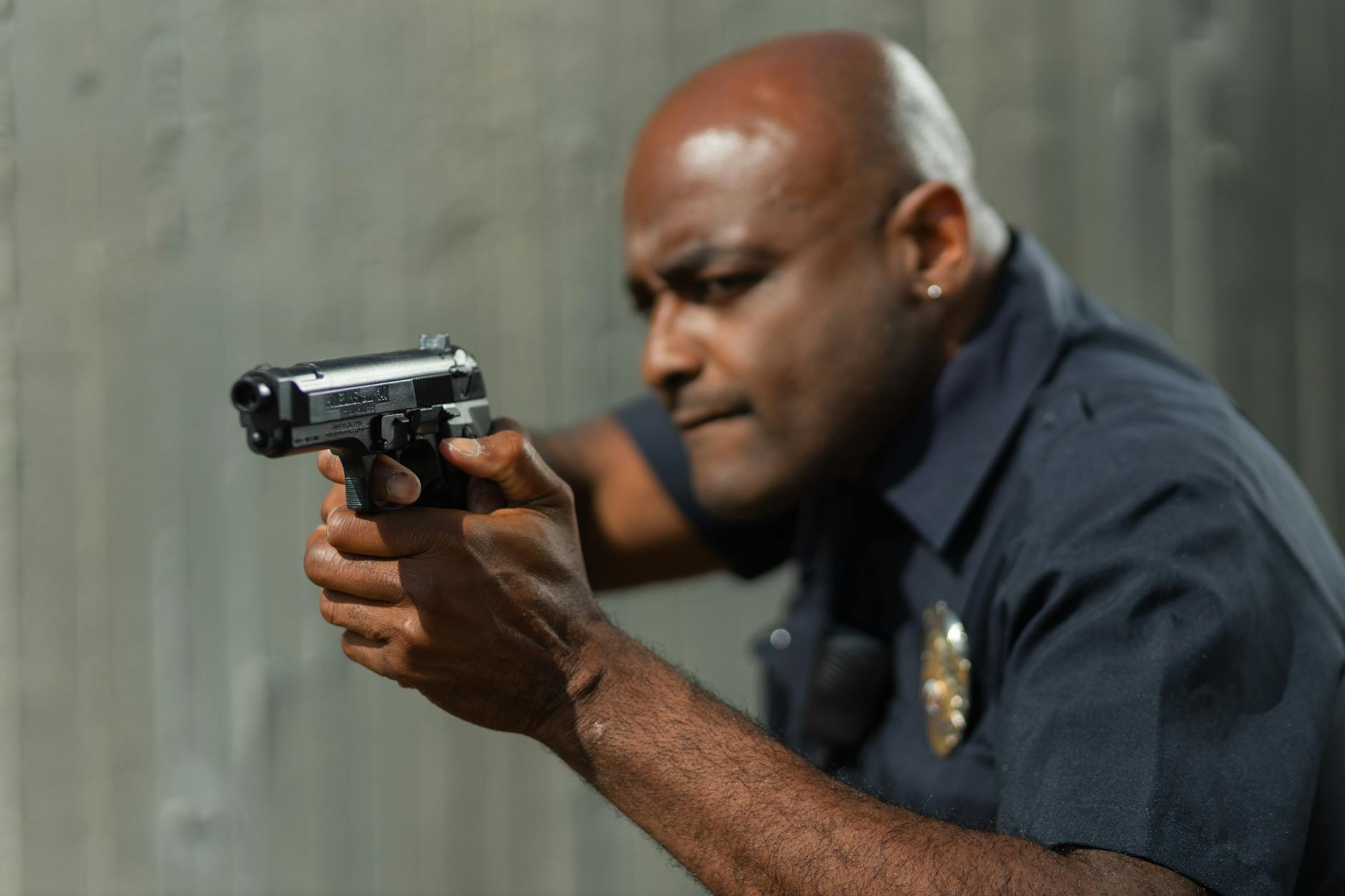
Reasonable force in policing refers to the minimal amount of force necessary to control a situation or apprehend a suspect. It's a legal standard that balances the need for public safety with the rights of individuals. Police officers must use their judgment to determine what level of force is appropriate given the circumstances.
A key aspect of reasonable force is proportionality. Officers should only use force that matches the threat level posed by the individual. For example, if someone is unarmed and passive, an officer would not be justified in using a firearm. According to a study by the Police Executive Research Forum, most critical incidents involving police officers involve the use of force that is within policy and legally justified.
Reasonable force also considers the totality of the circumstances. Factors like the suspect's actions, the officer's training, and the environment all play a role. An expert from the International Association of Chiefs of Police notes that officers must continuously assess and adapt their response to ensure it remains reasonable and necessary.
The Legal Framework Behind Police Actions
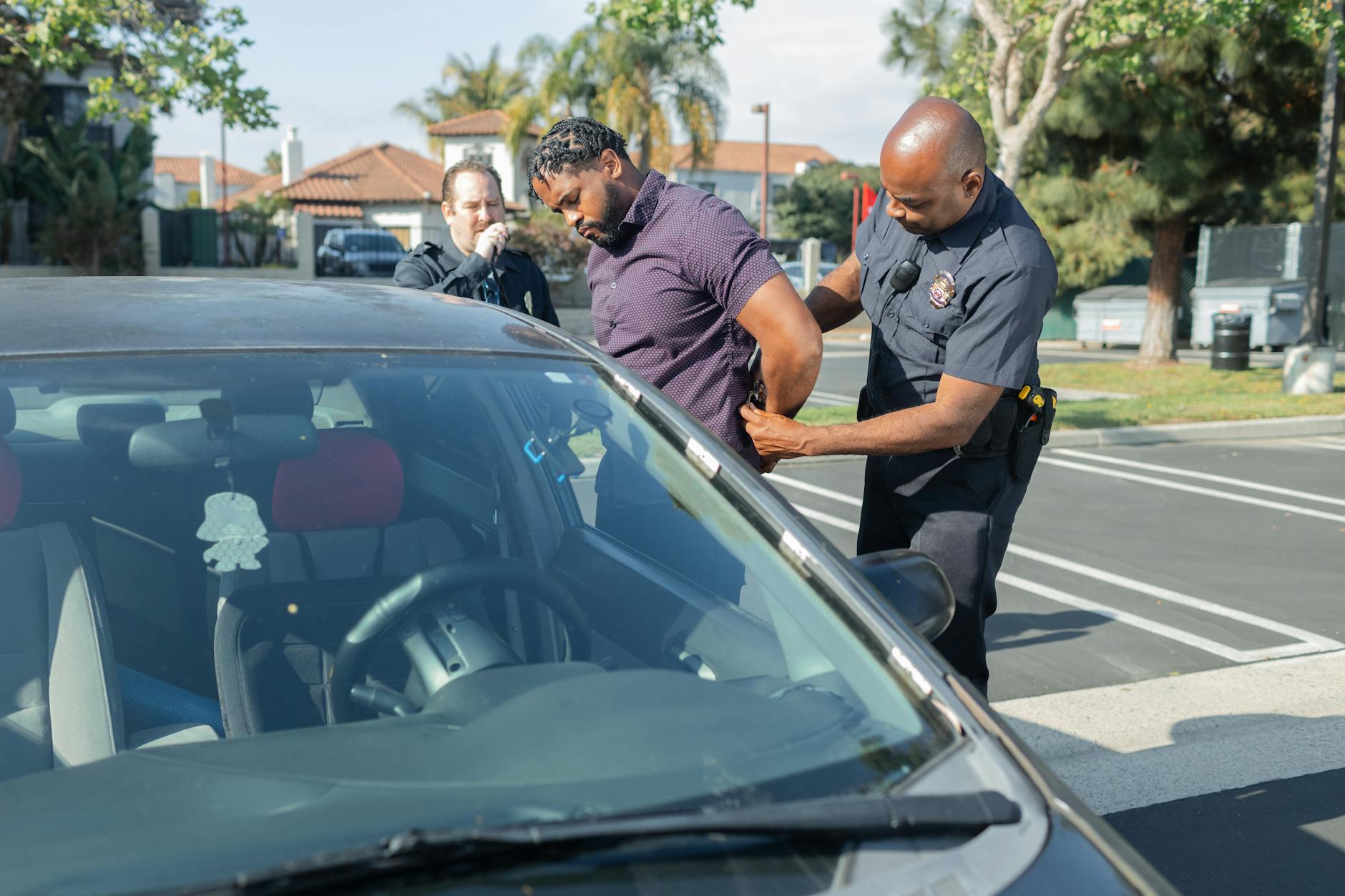
The legal framework governing police use of force is a complex web of federal, state, and local laws. At its core, the Fourth Amendment to the U.S. Constitution protects citizens from unreasonable searches and seizures, including excessive force by law enforcement. The Supreme Court has further defined these parameters through landmark cases, establishing that force must be objectively reasonable under the circumstances.
Department of Justice guidelines emphasize proportionality and necessity. Officers must use the minimal force necessary to control a situation. This principle is echoed in state laws, which often provide specific guidelines on when and how force can be applied. For instance, many states require officers to exhaust all reasonable alternatives before resorting to force.
According to a report by the Police Executive Research Forum, only 15% of police departments have comprehensive use-of-force policies. This variability can lead to inconsistencies in how force is applied and perceived. Experts argue that standardized training and clear policies are crucial for ensuring accountability and public trust.
Courts evaluate the reasonableness of force based on the officer's perspective at the time of the incident. Factors such as the suspect's actions, the officer's training, and the immediate threat to safety are all considered. This subjective standard has sparked debate, with critics calling for more objective measures to assess police conduct.
Ultimately, the legal framework aims to balance public safety with individual rights. However, ongoing discussions highlight the need for continuous review and reform to ensure that police actions remain fair, transparent, and accountable.
Assessing Necessity and Proportionality

When evaluating the reasonableness of force used by police, assessing necessity and proportionality stands as a critical factor. Officers must determine whether force is necessary to address an immediate threat or prevent harm. This judgment hinges on the specific circumstances and the officer's perception of the situation at the time. According to the International Association of Chiefs of Police, only 1.5% of all police-citizen encounters involve any use of force, highlighting the rarity of such situations.
Proportionality requires that the level of force used corresponds to the threat posed. For instance, verbal commands might suffice to control a non-compliant individual, while deadly force may be justified only when facing an imminent lethal threat. Courts often scrutinize this balance, considering factors like the suspect's actions, the officer's training, and the available alternatives.
Documentation plays a pivotal role in assessing necessity and proportionality. Officers must provide clear, detailed accounts of their actions and the circumstances leading to the use of force. This documentation helps internal affairs investigators and courts evaluate whether the force was reasonable under the totality of the circumstances. Transparency in these records fosters public trust and accountability.
Training programs emphasize de-escalation techniques and alternatives to force. Officers learn to recognize and mitigate threats before they escalate, reducing the need for forceful interventions. Continuous education on these topics ensures that officers can make informed, reasonable decisions in high-pressure situations. Effective training directly impacts the assessment of necessity and proportionality in use-of-force incidents.
Real-World Applications and Challenges
Police officers face complex decisions daily, balancing public safety with individual rights. Reasonable force becomes particularly critical during arrests or crowd control. A 2021 study by the National Institute of Justice found that 70% of use-of-force incidents involved de-escalation techniques before physical intervention. However, real-world applications reveal significant challenges in maintaining this balance.
Body-worn cameras have become essential tools in documenting police interactions. These devices provide objective evidence of force application, helping agencies review and improve training protocols. Yet, experts argue that cameras alone cannot solve systemic issues. Effective implementation requires comprehensive policies and officer accountability measures.
Community relations present another critical challenge. Public trust erodes when force appears excessive or discriminatory. Building positive relationships through community policing initiatives can help. Officers who engage with residents proactively often find greater cooperation during critical incidents. This approach fosters mutual respect and understanding, reducing the need for force.
Legal standards for reasonable force continue evolving through court decisions. Officers must stay informed about these changes to avoid liability. Training programs that emphasize scenario-based learning can better prepare officers for real-world situations. Ultimately, the goal remains clear: protect public safety while respecting individual rights.
Evolving Standards in Police Training

Police training standards have undergone significant evolution in recent years, particularly in the realm of reasonable force. Departments across the country are adopting more comprehensive programs that emphasize de-escalation techniques, mental health awareness, and cultural sensitivity. These changes reflect a growing recognition that officers need more than just physical training to handle complex situations effectively.
A 2022 study by the Police Executive Research Forum found that departments implementing these updated training protocols saw a 20% reduction in use-of-force incidents. The study highlights the importance of ongoing education and practical scenarios that prepare officers for real-world challenges. This shift is not just about policy; it's about equipping officers with the tools they need to make better decisions in high-pressure situations.
Experts argue that this evolution is crucial for maintaining public trust. Training now often includes modules on implicit bias, community engagement, and crisis intervention. These additions are designed to foster a more nuanced understanding of the diverse communities officers serve. The goal is to create a police force that is not only skilled in enforcement but also adept at building positive relationships within the community.
As standards continue to evolve, so too does the conversation around reasonable force. The focus is increasingly on prevention and de-escalation rather than reaction. This shift represents a broader cultural change within law enforcement, one that prioritizes safety and respect for all parties involved. It's a step toward a more balanced and effective approach to policing.
Understanding the four key factors of police reasonable force—severity of the crime, immediate threat, likelihood of escape, and presence of weapons—is crucial for maintaining public trust and ensuring officer safety. These guidelines help balance the scales of justice, providing a framework that protects both citizens and law enforcement. To foster better community relations, police departments should regularly review and update their use-of-force policies, ensuring they align with these principles. As society evolves, so too must the standards that govern how law enforcement officers carry out their duties.
Need this answered for your specific case?
Get a flat-fee consultation with a verified U.S. immigration attorney. Engagement letter on every paid consult.
Related guides
This guide provides general legal information and does not create an attorney–client relationship. Information accurate as of July 2026. Always verify current USCIS guidance before acting.