
Police misconduct cases have surged by 18% over the past decade, according to the latest Department of Justice report. This alarming trend underscores the critical need for public understanding of police civil liability—the legal framework that holds law enforcement officers accountable for their actions. When officers act negligently or with excessive force, victims have recourse through civil litigation, seeking compensation for damages. This legal mechanism serves as a vital check on police power, ensuring accountability and promoting public trust.
Understanding police civil liability is crucial for citizens, legal professionals, and law enforcement agencies alike. Police civil liability refers to the legal responsibility officers and departments face when their actions violate an individual's constitutional or statutory rights. This concept bridges the gap between criminal justice and civil rights, offering a pathway for redress when police conduct crosses the line. Whether it's a wrongful arrest, excessive use of force, or violation of privacy, civil liability cases play a pivotal role in shaping police practices and upholding justice.
The Legal Framework of Police Civil Liability
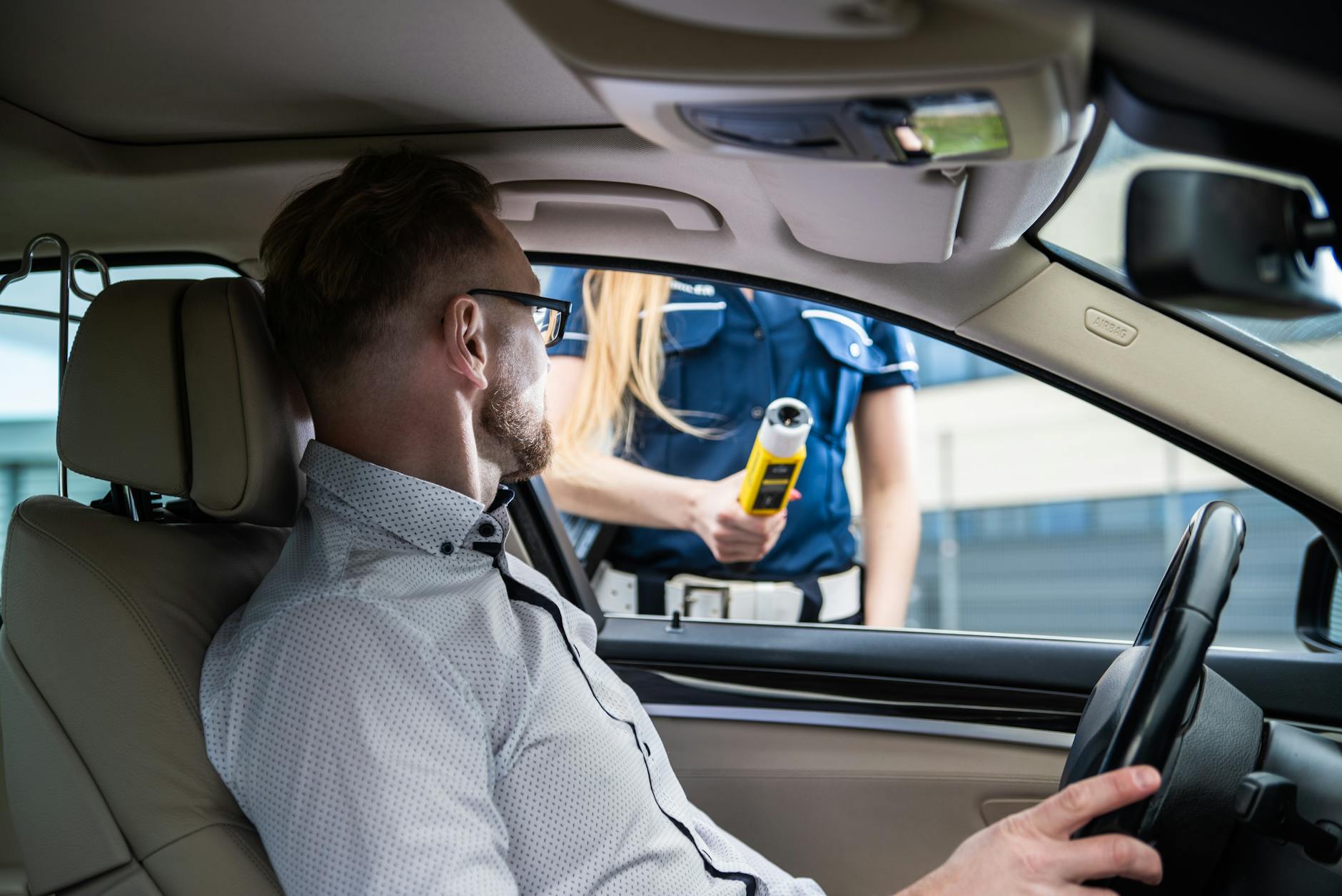
Police civil liability operates within a complex legal framework designed to balance public safety with individual rights. At its core, this framework establishes when and how law enforcement officers can be held personally liable for their actions. The primary legal basis for these claims stems from constitutional provisions, such as the Fourth Amendment in the United States, which protects citizens from unreasonable searches and seizures. Additionally, state laws and local ordinances often supplement these protections, creating a multi-layered system of accountability.
Courts play a crucial role in interpreting and applying these laws. They evaluate whether an officer's actions were reasonable under the circumstances, considering factors like the severity of the crime, the immediate threat to public safety, and the officer's training and experience. A landmark Supreme Court ruling, for instance, established the "objective reasonableness" standard, which focuses on what a reasonable officer would have done in the same situation.
According to legal experts, understanding this framework is essential for both law enforcement and the public. A study by the National Police Accountability Project found that civil liability cases have significantly influenced police training and policy reforms. This highlights the framework's role in shaping modern policing practices and ensuring accountability.
When Police Actions Cross the Line
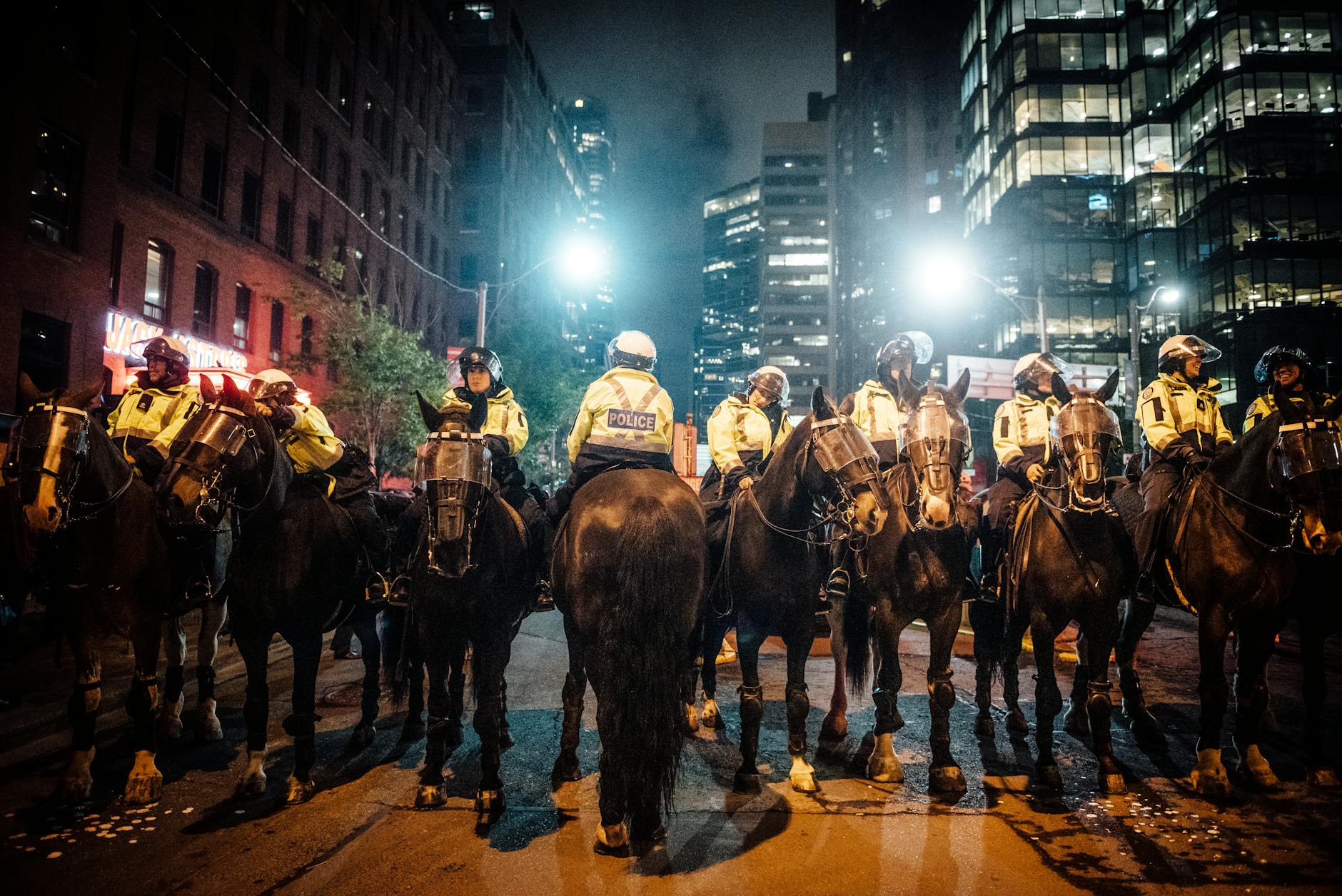
Police civil liability arises when law enforcement officers act outside the scope of their authority, causing harm to individuals. These actions can range from excessive use of force to wrongful arrests and violations of constitutional rights. When such incidents occur, affected individuals may seek compensation through civil lawsuits. A study by the Bureau of Justice Statistics found that between 2005 and 2018, local police agencies paid out over $3.2 billion in civil rights lawsuits.
Excessive force is one of the most common grounds for civil liability. This can include unnecessary violence, improper use of weapons, or failure to de-escalate situations. Courts determine whether the force used was reasonable under the circumstances. Officers must balance their duty to protect the public with the rights of individuals.
Wrongful arrests and false imprisonment also fall under police civil liability. These occur when officers detain individuals without probable cause or proper legal justification. Victims can sue for damages, including compensation for emotional distress and lost wages. Legal experts emphasize the importance of thorough investigations to prevent such incidents.
Violations of constitutional rights, such as illegal searches and seizures, can also lead to civil liability. The Fourth Amendment protects citizens from unreasonable searches and seizures by the government. When police overstep these boundaries, they may be held liable for damages. Understanding these aspects helps ensure accountability and justice in law enforcement.
Real-World Cases and Consequences

Police civil liability cases often stem from excessive force allegations. One notable example occurred in 2014 when a police officer in Ferguson, Missouri, shot and killed an unarmed teenager. The incident sparked nationwide protests and highlighted the potential for civil liability when officers use force disproportionate to the threat. The family of the victim later received a substantial settlement, demonstrating the financial consequences for departments and municipalities.
A study by the Cato Institute revealed that local governments paid out over $3.2 billion in police misconduct settlements between 2010 and 2020. These cases not only drain public funds but also erode community trust. For instance, the city of Chicago faced numerous lawsuits related to a police unit's misconduct, leading to costly settlements and reforms.
False arrests and wrongful convictions also contribute to civil liability. In 2015, a man in New York spent 23 years in prison before being exonerated. The city settled with him for $13 million, underscoring the long-term impact of police errors. Such cases emphasize the need for accountability and proper training to prevent future incidents.
Protecting Rights and Seeking Justice
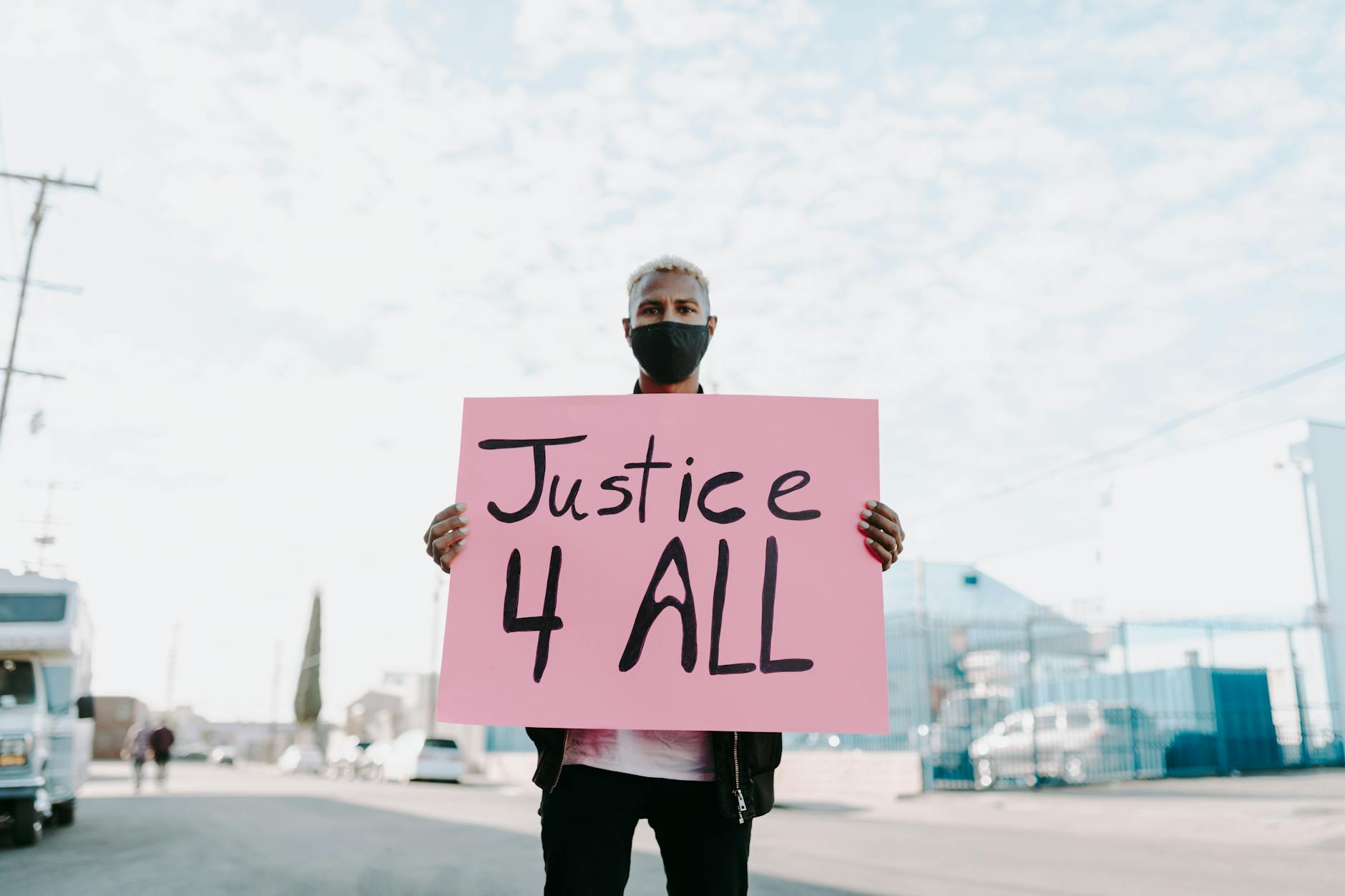
Police civil liability revolves around holding law enforcement officers accountable for violations of individuals' constitutional rights. This aspect is crucial in maintaining public trust and ensuring justice. When officers act beyond the scope of their authority, they may be held personally liable for damages. This liability extends to various situations, including excessive force, false arrests, and unlawful searches.
One significant case that highlighted this issue was a landmark Supreme Court decision. The court ruled that qualified immunity does not protect officers from liability when they violate clearly established statutory or constitutional rights. This ruling has paved the way for more accountability in law enforcement.
A study by the Cato Institute revealed that police misconduct cost taxpayers over $3.3 billion between 2010 and 2020. This staggering figure underscores the importance of robust civil liability mechanisms. It ensures that victims receive compensation and deters future misconduct.
Legal experts emphasize the role of civil liability in promoting police accountability. They argue that it serves as a critical check on police power. By holding officers accountable, civil liability helps uphold the principles of justice and fairness. This, in turn, fosters a more transparent and accountable law enforcement system.
The Evolving Landscape of Police Accountability

The landscape of police accountability has undergone significant transformation in recent years. The growing use of body-worn cameras, for instance, has provided unprecedented transparency in police-civilian interactions. These devices have become crucial tools in documenting incidents, offering objective evidence that can be pivotal in civil liability cases. Their adoption reflects a broader shift toward increased scrutiny and accountability in law enforcement.
A study by the National Institute of Justice found that body-worn cameras reduced complaints against officers by nearly 90%. This statistic underscores the impact of technology on police accountability. However, the effectiveness of these tools depends on consistent implementation and proper use. Experts emphasize that while technology plays a vital role, it is not a panacea for systemic issues within law enforcement.
Legal frameworks governing police conduct have also evolved. Courts increasingly hold officers accountable for actions that violate constitutional rights. This evolution is driven by public demand for justice and reform. The interplay between technology, legal standards, and public expectations continues to shape the future of police accountability.
Community engagement initiatives have gained traction as another means of fostering accountability. Programs that encourage dialogue between law enforcement and the communities they serve help build trust. These efforts complement legal and technological advancements, creating a more holistic approach to police accountability.
Police civil liability revolves around the principle that law enforcement officers can be held accountable for their actions when they infringe upon an individual's constitutional rights. At its core, it's about balancing public safety with individual liberties, ensuring that officers act within the bounds of the law. Understanding these five key aspects empowers citizens to recognize potential violations and seek appropriate recourse. For those who believe their rights have been violated, consulting with a legal professional experienced in civil rights cases can provide clarity and guidance. As society continues to evolve, the conversation around police accountability will remain vital, shaping the future of law enforcement and community relations.
Need this answered for your specific case?
Get a flat-fee consultation with a verified U.S. immigration attorney. Engagement letter on every paid consult.
Related guides
This guide provides general legal information and does not create an attorney–client relationship. Information accurate as of July 2026. Always verify current USCIS guidance before acting.