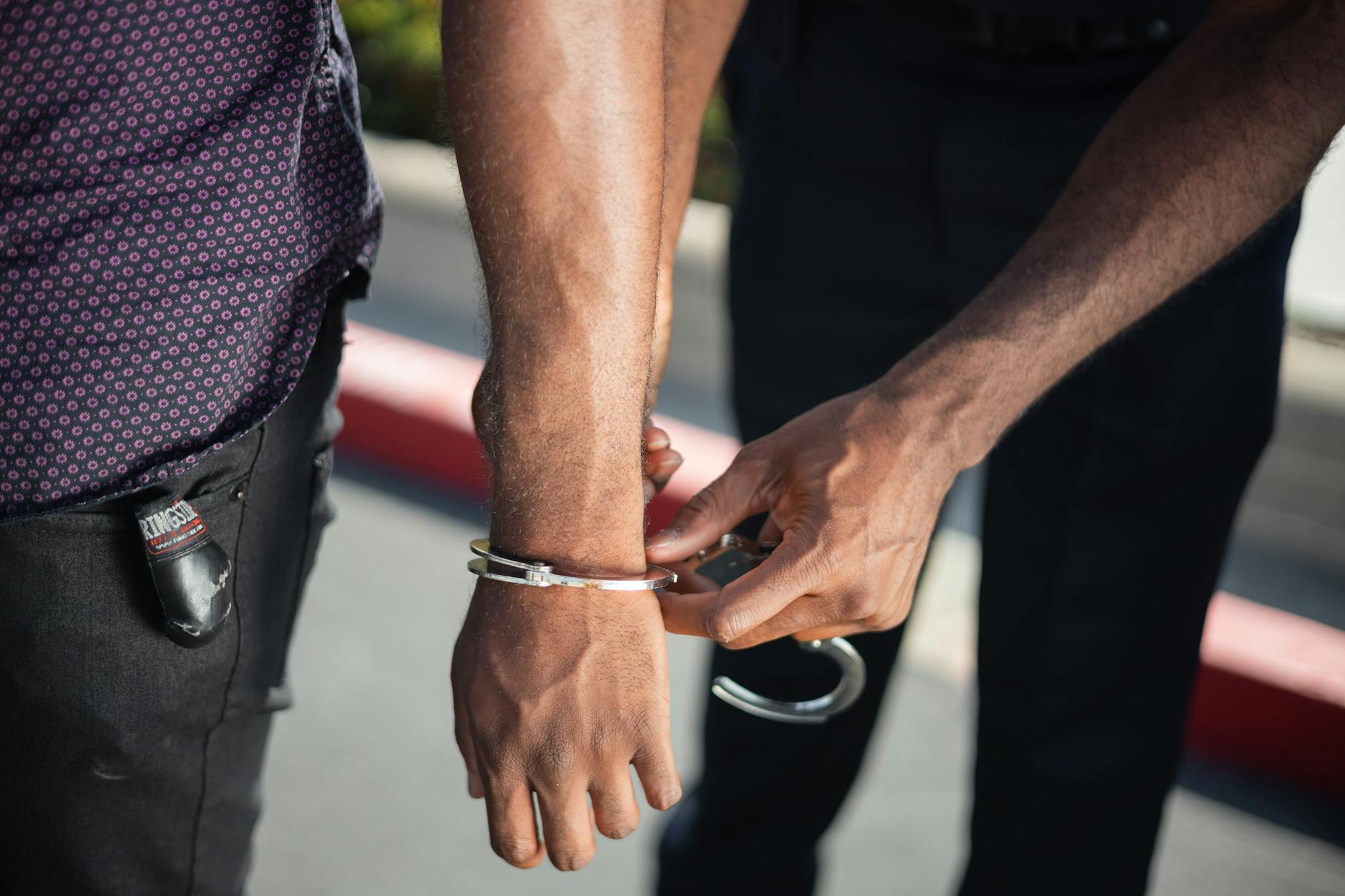
Every year, thousands of individuals face charges for resisting police arrest, a serious offense that can lead to severe penalties. The consequences of such charges can be life-altering, making it crucial to understand the nuances of what constitutes resisting police arrest and the factors that contribute to these situations.
Resisting police arrest occurs when an individual deliberately obstructs, opposes, or interferes with a law enforcement officer's attempt to make a lawful arrest. This can manifest in various ways, from physical resistance to verbal defiance. Understanding what is resisting police arrest is essential for anyone who wants to navigate encounters with law enforcement safely and legally. By examining the key factors involved, individuals can better comprehend the complexities of these situations and the potential legal ramifications.
Legal Definitions and Consequences
Resisting police arrest is a criminal offense in many jurisdictions, with legal definitions varying by location. Generally, it involves obstructing, opposing, or resisting a law enforcement officer in the performance of their duties. This can range from passive resistance, like refusing to comply with orders, to active resistance, such as physically struggling or fleeing. The specific actions that constitute resisting arrest depend on local laws and case precedents.
Consequences for resisting arrest can be severe. In many states, it's a misdemeanor offense, punishable by fines, probation, or jail time. However, if the resistance involves violence or threats, charges can escalate to felonies. According to the Bureau of Justice Statistics, about 1.2 million arrests annually involve some form of resistance. Legal experts emphasize that understanding local laws is crucial, as penalties and definitions differ significantly across jurisdictions.
Beyond criminal penalties, resisting arrest can lead to civil liability. Individuals may face lawsuits from officers or departments for damages incurred during incidents of resistance. Moreover, a conviction can have long-lasting impacts on employment opportunities and personal reputation. It's essential to understand that the consequences extend beyond immediate legal penalties, affecting various aspects of life.
In some cases, individuals may argue self-defense or excessive force as mitigating factors. However, these defenses are complex and require substantial evidence. Courts typically side with law enforcement unless clear evidence of misconduct is presented. Therefore, consulting with a legal professional is advisable for anyone facing such charges.
Physical and Verbal Actions Considered Resisting

Resisting police arrest isn't limited to physical actions. Verbal defiance, such as refusing to follow orders or using threatening language, can also constitute resistance. A study by the National Institute of Justice found that verbal resistance occurs in nearly 40% of arrest situations. This behavior can escalate tensions and potentially lead to physical altercations.
Physical resistance encompasses a range of actions. Passive resistance, like going limp or refusing to move, can hinder an officer's ability to perform their duties. Active resistance, such as pulling away, pushing, or struggling, poses a more immediate threat to the officer's safety. Even seemingly minor actions, like clenching fists or tensing muscles, can be interpreted as resistance.
According to legal experts, the key factor in determining resistance is the officer's perception of the situation. What one person might consider a harmless gesture, another might see as a threat. This subjective nature makes it crucial for individuals to remain calm and compliant during interactions with law enforcement.
Resisting arrest can have serious consequences. Beyond the immediate risk of injury or arrest, it can lead to additional charges being filed. Understanding what constitutes resistance, both physically and verbally, is essential for anyone who may find themselves in such a situation.
Situations Where Arrests Occur

Resisting police arrest typically unfolds in situations where individuals perceive a threat or feel their rights are being violated. Traffic stops often escalate when drivers feel harassed or targeted. A 2021 study by the National Institute of Justice found that nearly 40% of arrests for resisting police involved traffic-related incidents. These encounters can quickly turn confrontational, especially if the individual feels the officer is acting improperly.
Domestic disputes also frequently lead to arrests for resisting police. When officers intervene in heated family arguments, emotions run high. Individuals may react defensively, believing they are protecting themselves or their loved ones. This instinctive response can result in physical resistance, even if unintentional.
Public gatherings, such as protests or large-scale events, present another common scenario. Crowd control measures can provoke resistance, particularly if attendees feel their right to assembly is being infringed upon. Officers may perceive passive resistance, like refusing to disperse, as defiance. These situations often involve multiple arrests, as tensions rise among large groups.
Mental health crises represent a particularly complex situation. Individuals experiencing psychiatric episodes may not comprehend the officer's authority or intent. Their erratic behavior can be misinterpreted as resistance, leading to confrontations. Law enforcement agencies increasingly train officers in crisis intervention techniques to de-escalate these encounters.
How to Respond Calmly and Cooperate

When confronted by law enforcement, remaining calm and cooperative can significantly alter the outcome of an arrest. Studies show that individuals who maintain composure during police interactions are less likely to face additional charges or use of force. The first step is to take a deep breath and assess the situation. Avoid sudden movements or aggressive language, as these can escalate tensions.
Verbal de-escalation techniques can be highly effective. Use polite, clear language to express intentions. For instance, saying "I understand, officer, but I would like to know why I'm being detained" can help clarify the situation without provocation. Experts recommend avoiding arguments or confrontational statements, as these can be perceived as resistance.
Cooperation does not mean surrendering rights. Individuals should comply with lawful orders while reserving the right to remain silent or request an attorney. A study by the National Institute of Justice found that individuals who clearly state their intentions to remain silent are less likely to incriminate themselves. Remember, cooperation is about de-escalation, not admitting guilt.
Physical cooperation is equally crucial. Follow instructions promptly, such as placing hands on the vehicle or walking calmly to the patrol car. Resisting physical control can lead to additional charges or injuries. Always keep hands visible and avoid sudden movements, as these can be misinterpreted as threats. Staying calm and cooperative can help ensure a safer resolution for all parties involved.
Long-Term Implications and Rights

Resisting police arrest can have profound long-term implications on an individual's life. Beyond immediate legal consequences, such incidents often leave lasting marks on personal and professional reputations. A single charge can lead to difficulties in securing employment, housing, or even educational opportunities. The stigma attached to such incidents can linger for years, affecting one's ability to reintegrate into society.
Legal rights are a critical aspect of any arrest scenario. Individuals have the right to remain silent, the right to an attorney, and the right to be treated fairly under the law. Understanding these rights is crucial, as they provide a framework for navigating the complexities of the legal system. According to legal experts, knowledge of these rights can significantly alter the outcome of an arrest.
Long-term implications extend beyond the individual to their family and community. The emotional and financial toll on loved ones can be substantial. Support systems often bear the brunt of legal battles, adding layers of stress and uncertainty. Communities, too, can experience a ripple effect, as trust in law enforcement may be eroded.
Advocacy groups emphasize the importance of education and awareness in mitigating these impacts. Programs aimed at teaching individuals their rights and the potential consequences of resisting arrest can empower communities. Such initiatives can foster a more informed and resilient society, better equipped to handle interactions with law enforcement.
Resisting police arrest is a serious offense that can lead to severe penalties, including fines and imprisonment. It's crucial to understand that this charge encompasses both physical resistance and passive obstruction, with five key factors determining the severity of the charge. To avoid such situations, individuals should always comply with lawful police orders, even if they believe their rights are being violated, and seek legal counsel afterward to address any concerns. As law enforcement practices and public awareness continue to evolve, staying informed about one's rights and the legal implications of resisting arrest will remain vital for navigating interactions with police safely and responsibly.
Need this answered for your specific case?
Get a flat-fee consultation with a verified U.S. immigration attorney. Engagement letter on every paid consult.
Related guides
This guide provides general legal information and does not create an attorney–client relationship. Information accurate as of July 2026. Always verify current USCIS guidance before acting.