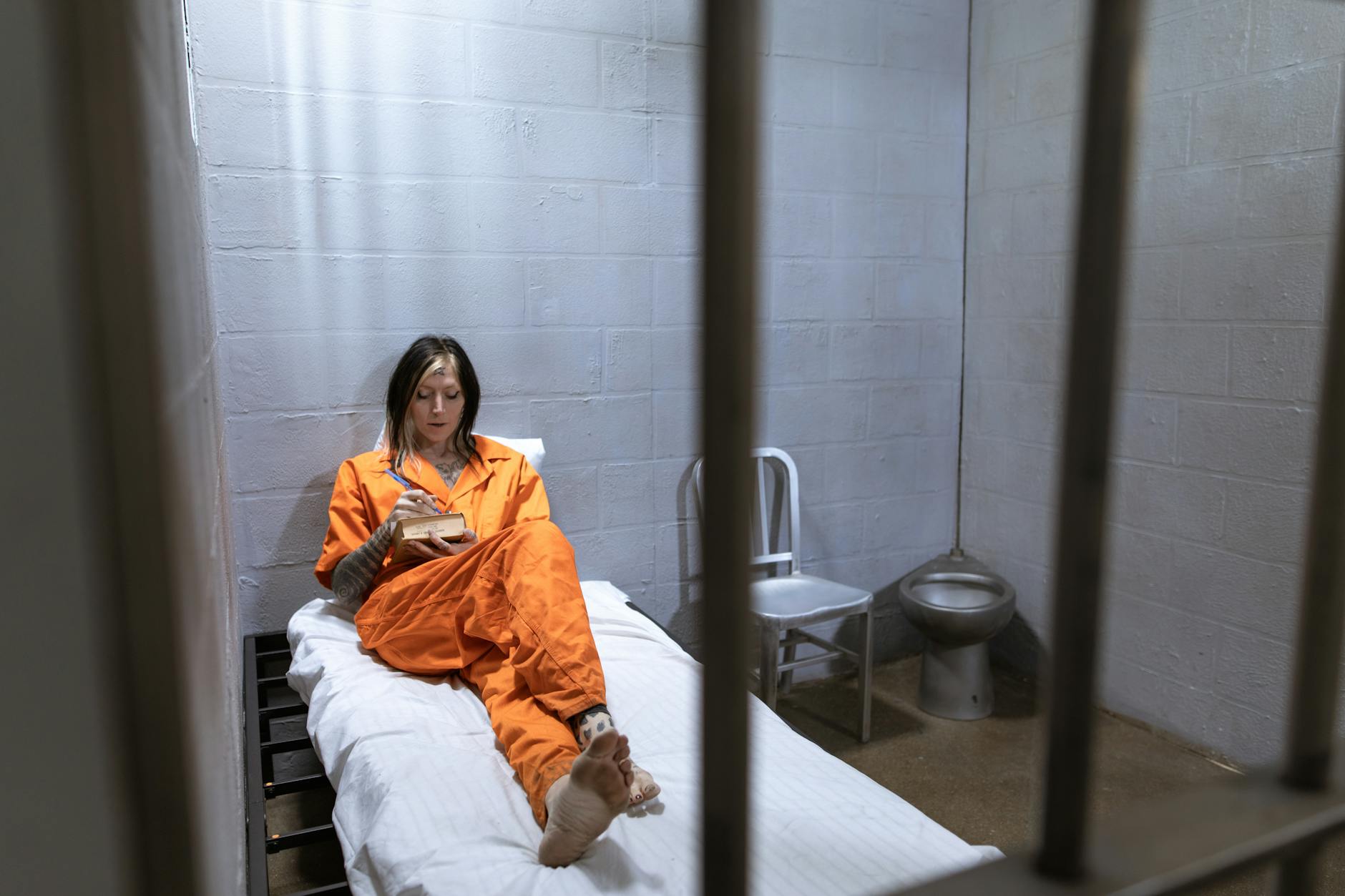
More than 2 million individuals reside in U.S. prisons and jails, each navigating a complex system designed to balance security, rehabilitation, and safety. At the heart of this system lies prison classification, a crucial process that determines where and how inmates serve their sentences.
Understanding what is prison classification is essential for grasping how correctional facilities operate. This system evaluates inmates based on factors like criminal history, security risk, and program needs. What is prison classification, exactly? It is the method by which correctional institutions assign inmates to appropriate custody levels, housing units, and programs. This process ensures that facilities maintain order while providing opportunities for rehabilitation. For the public, understanding this system fosters awareness of how justice is administered and how inmates are managed within the correctional ecosystem.
Prison Classification Explained
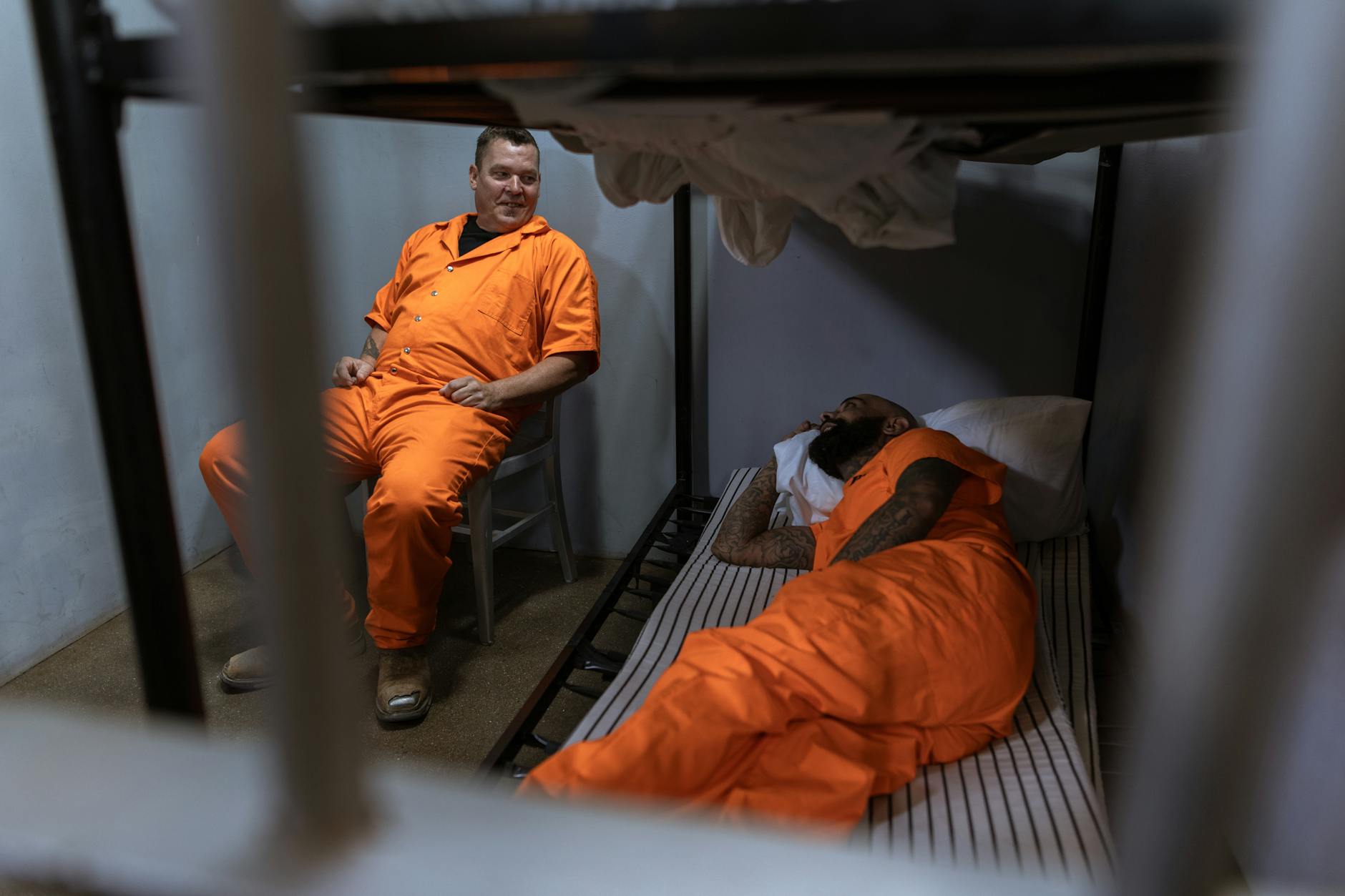
Prison classification is the systematic process of evaluating and categorizing inmates based on various factors to ensure appropriate custody levels and housing assignments. This process considers elements such as criminal history, behavior, security risk, and program needs. The goal is to balance public safety with the rehabilitation potential of each individual. According to the Bureau of Justice Statistics, over 1.5 million individuals are currently incarcerated in the United States, making this classification system crucial for managing such a large population.
Classification typically occurs at the intake stage, where inmates undergo a comprehensive assessment. This assessment may include interviews, psychological evaluations, and reviews of criminal records. The information gathered helps determine the appropriate security level and housing unit for each inmate. Experts in corrections emphasize that accurate classification is vital for maintaining order and safety within correctional facilities.
Prison classification systems vary by jurisdiction, but they generally follow similar principles. The primary objective is to match the custody level with the inmate’s risk profile. For instance, high-risk inmates may be placed in maximum-security facilities, while low-risk individuals might be housed in minimum-security or community-based settings. This approach aims to reduce the likelihood of escape, violence, and other security threats.
Effective classification also considers the rehabilitation needs of inmates. By identifying specific program requirements, such as education, vocational training, or mental health services, correctional facilities can tailor interventions to promote positive outcomes. This holistic approach not only enhances security but also supports the reintegration of inmates into society upon release. Ultimately, prison classification plays a pivotal role in the overall functioning of the criminal justice system.
Minimum and Maximum Security Defined

Minimum security prisons, often called “campus-style” facilities, house inmates with the least risk to society. These institutions resemble college campuses, with open dormitories and minimal fencing. Inmates typically have more privileges, including work assignments outside the facility. According to the Bureau of Justice Statistics, about 20% of federal prisoners are in minimum security facilities. These prisons focus on rehabilitation and reintegration into society.
Maximum security prisons, on the other hand, are designed to hold the most dangerous and high-risk inmates. These facilities feature high walls, reinforced cells, and extensive surveillance. Inmates in maximum security prisons have the fewest privileges and the most restrictive conditions. A corrections expert notes that these prisons prioritize containment and security above all else. The design and operations of these facilities aim to prevent escapes and maintain order.
Minimum and maximum security prisons serve distinct purposes within the correctional system. While minimum security facilities emphasize rehabilitation and reintegration, maximum security prisons focus on containment and security. The classification of inmates into these facilities ensures that the correctional system can effectively manage the diverse needs and risks presented by the prison population.
How Security Levels Impact Inmate Life
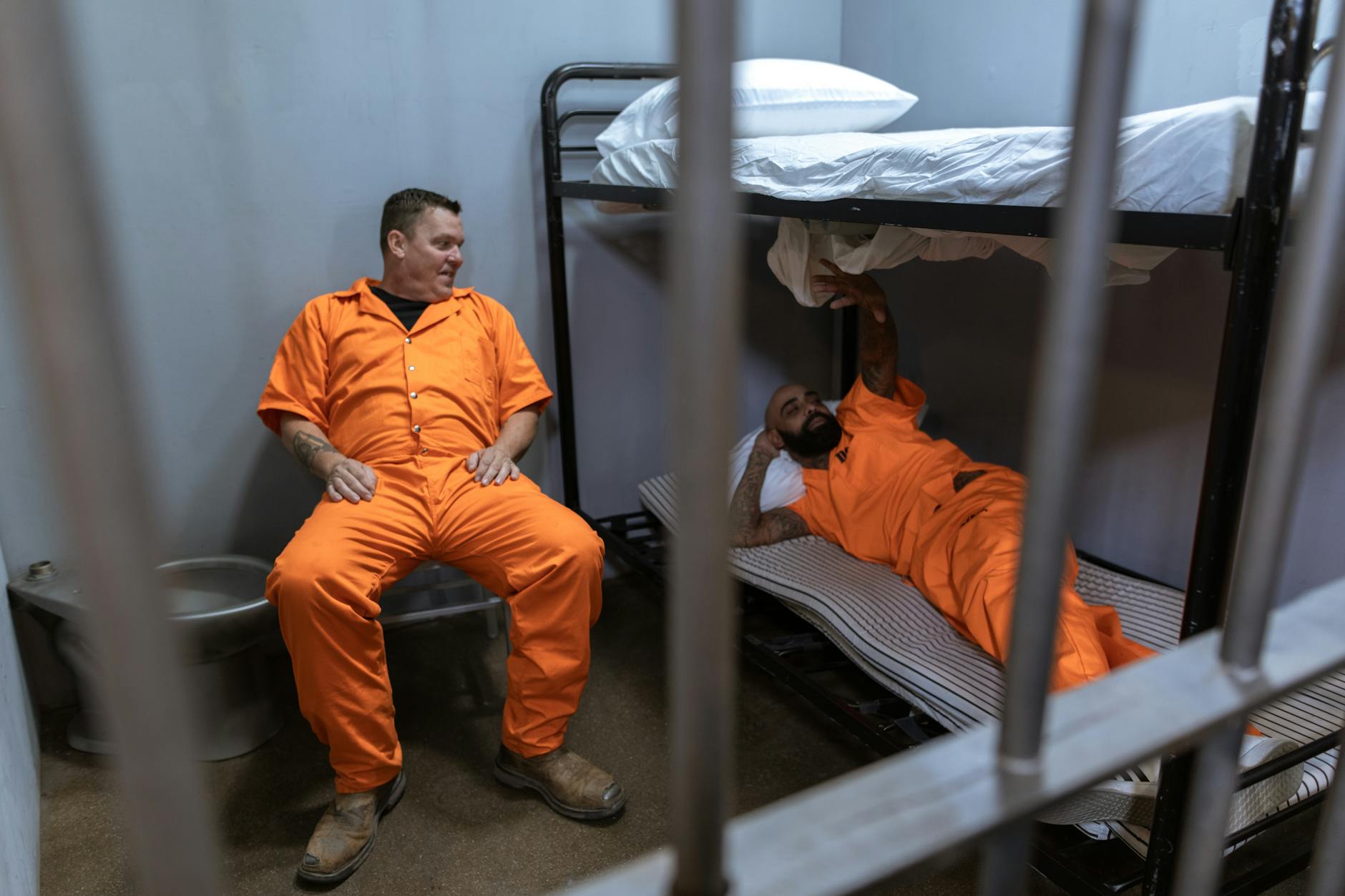
Prison classification systems play a crucial role in maintaining order and safety within correctional facilities. The security level assigned to an inmate directly impacts their daily life, determining everything from housing arrangements to recreational opportunities. Inmates in higher security levels face more restrictive conditions, with limited movement and fewer privileges. Conversely, those in lower security levels enjoy greater freedoms, such as access to more programs and activities.
High-security inmates typically reside in single cells and have heavily monitored interactions with other inmates. Their movement is restricted, and they have limited access to communal areas. This level of security is reserved for inmates who pose a significant threat to public safety or have a history of violent behavior. According to a report by the Bureau of Justice Statistics, high-security inmates account for approximately 12% of the federal prison population.
Medium-security inmates experience a balance between safety and rehabilitation. They may share cells and have more opportunities for work and educational programs. Inmates at this level are assessed as posing a moderate risk, neither requiring the strict controls of high-security nor the leniency of lower levels. The classification process ensures that inmates are placed in an environment that aligns with their risk assessment and behavioral history.
Low-security inmates benefit from the most relaxed conditions, often residing in dormitory-style housing. They have greater access to vocational training, educational courses, and recreational facilities. This level is designed for inmates who are considered low risk and are nearing the end of their sentences. The focus shifts towards preparing them for reintegration into society, emphasizing rehabilitation and personal development.
Minimum-security inmates, often referred to as camp inmates, enjoy the least restrictive environment. They typically live in open dormitories and have significant privileges, including work release programs and community service opportunities. This level is reserved for non-violent offenders with a low risk of escape or reoffending. The goal is to provide a structured yet supportive environment that fosters positive behavior and prepares inmates for successful reentry into society.
The Role of Classification in Rehabilitation
Prison classification plays a pivotal role in the rehabilitation process. It ensures inmates are placed in environments that match their security needs and behavioral risks. This tailored approach helps reduce recidivism rates, as it allows correctional facilities to provide targeted programs and interventions. According to a study by the National Institute of Justice, properly classified inmates are 20% more likely to complete rehabilitation programs successfully. This statistic underscores the importance of accurate classification in fostering positive outcomes.
Classification systems typically consider factors like criminal history, behavior, and mental health. By assessing these elements, correctional facilities can determine the appropriate security level for each inmate. This process not only enhances safety but also supports rehabilitation efforts. Inmates placed in suitable environments are more likely to engage in educational and vocational programs. These programs are crucial for preparing inmates for reintegration into society.
Effective classification also benefits correctional staff. It provides clear guidelines for managing inmate populations, reducing the risk of conflicts and violence. Staff can focus on rehabilitation rather than constant surveillance. This shift in focus creates a more productive environment for both inmates and staff. Ultimately, a well-structured classification system is a cornerstone of successful rehabilitation programs.
Future Trends in Prison Classification Systems
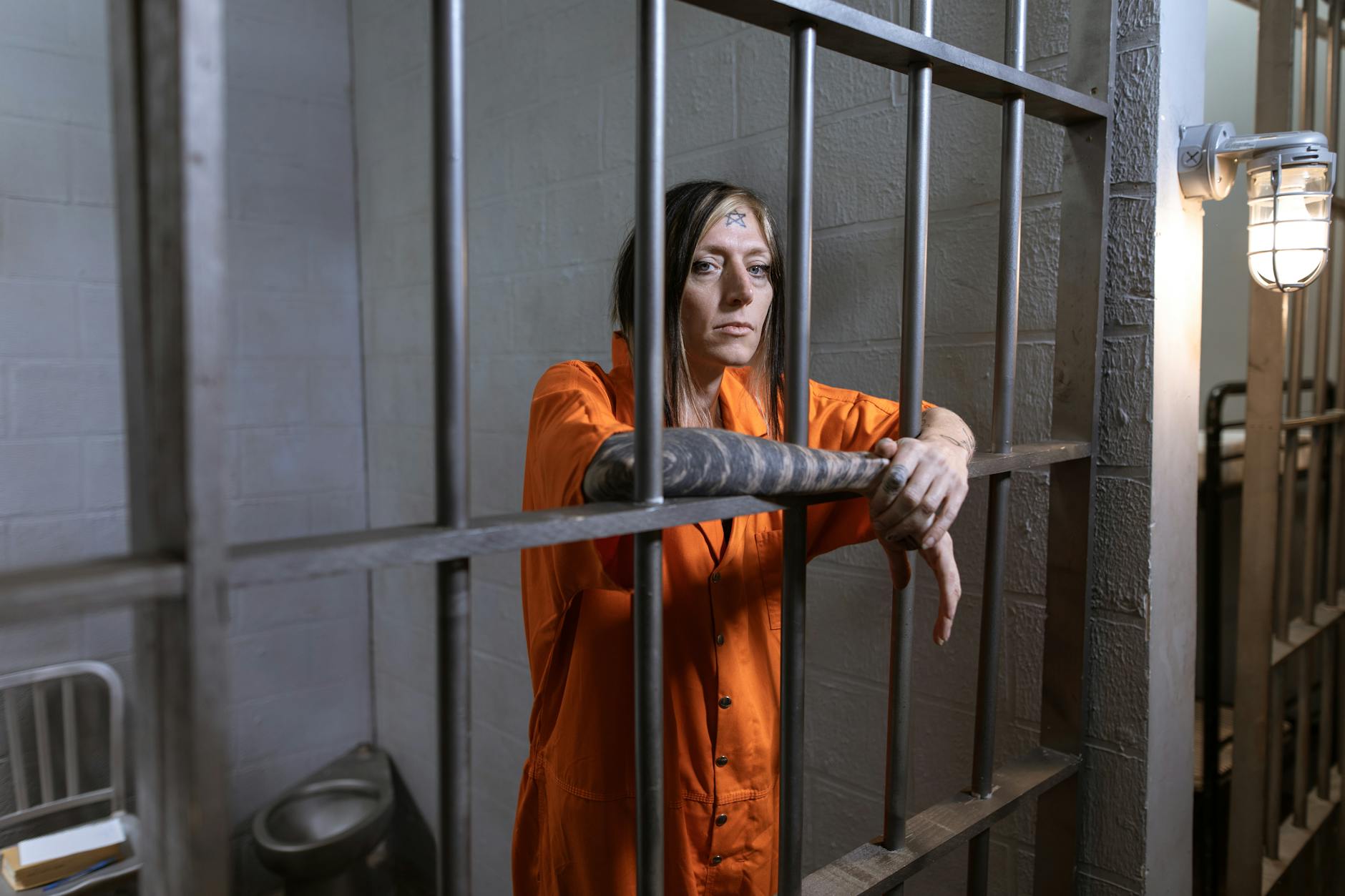
Prison classification systems are evolving to meet the complex needs of modern correctional facilities. Experts predict a shift toward more dynamic, data-driven approaches that adapt to individual inmate behavior and risk levels. This evolution is crucial as prisons strive to balance rehabilitation with security. The future may see systems that integrate artificial intelligence to analyze patterns and predict potential risks more accurately.
One emerging trend is the use of predictive analytics to identify inmates who may benefit from specific rehabilitation programs. According to a recent study, facilities implementing these technologies have seen a 20% reduction in recidivism rates. This data-driven approach allows for more precise classification, ensuring that inmates are placed in environments that best support their rehabilitation.
Another significant development is the increasing focus on mental health and substance abuse treatment within classification systems. Correctional facilities are recognizing the importance of addressing these issues early on. By integrating mental health assessments into the classification process, prisons can better tailor their programs to meet the unique needs of each inmate. This holistic approach aims to reduce recidivism and improve overall outcomes for inmates.
As technology advances, the integration of biometric data and wearable devices could revolutionize prison classification. These tools can provide real-time monitoring of inmate behavior and health, offering a more comprehensive understanding of their needs. This innovation could lead to more effective classification systems that enhance both security and rehabilitation efforts.
Prison classification is a critical tool for maintaining order and safety within correctional facilities, ensuring inmates are housed according to their security needs and risk levels. Understanding these five key levels—minimum, low, medium, close, and maximum security—sheds light on how the justice system balances rehabilitation with public safety. To apply this knowledge practically, anyone involved in the criminal justice system, from policymakers to advocates, should familiarize themselves with these classifications to better navigate the complexities of incarceration. As the debate over prison reform continues, a deeper grasp of classification systems will be essential in shaping more effective and humane correctional policies.