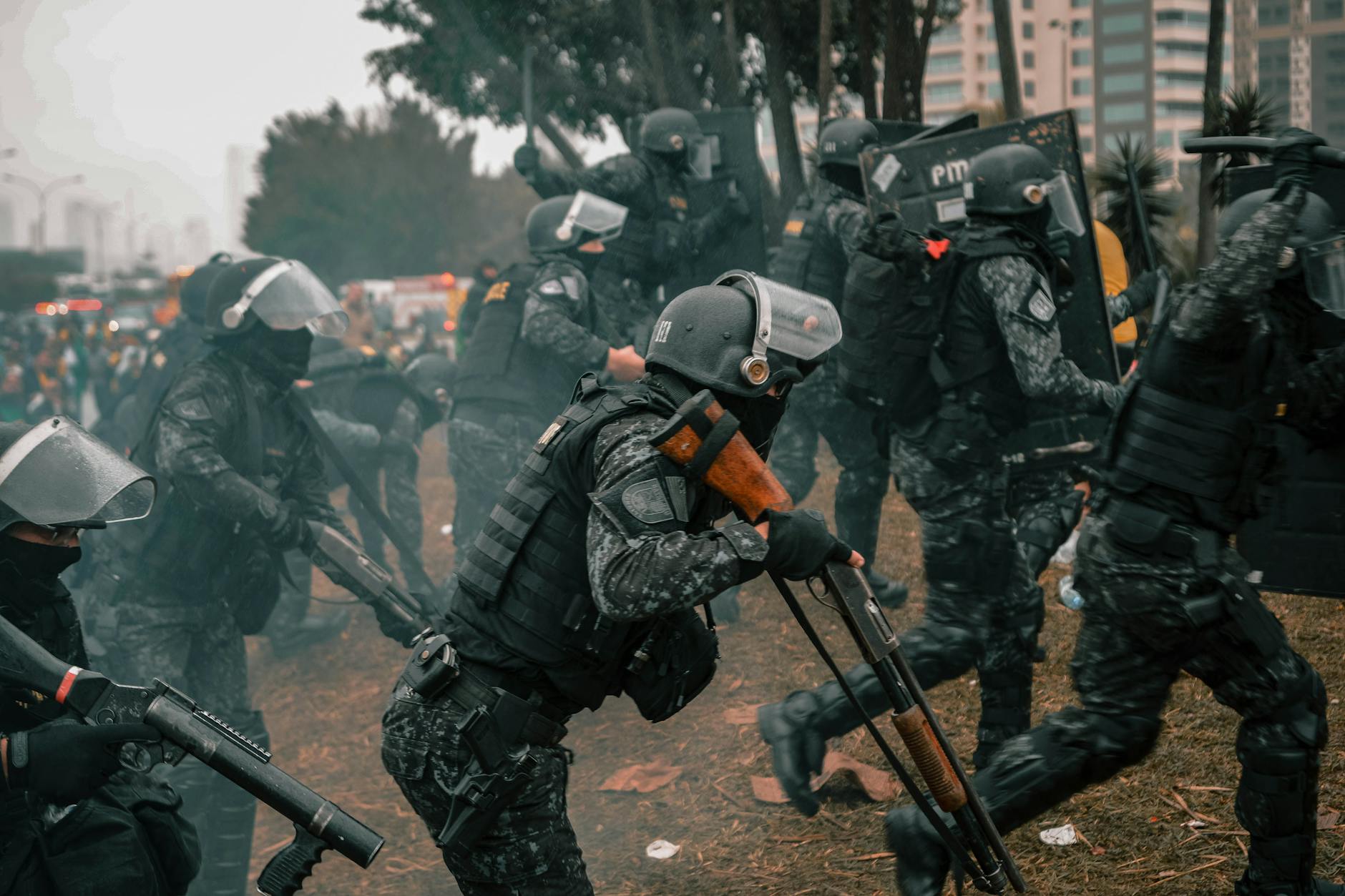
Military police forces operate in over 140 countries worldwide, serving as a critical bridge between civilian law enforcement and military discipline. These specialized units maintain order, enforce regulations, and protect personnel and property within the armed forces. Their authority, known as military police authority, is a unique blend of legal powers that enables them to perform their duties effectively.
Understanding what is military police authority is crucial for grasping the full scope of their responsibilities. This authority grants military police the power to investigate crimes, make arrests, and conduct searches and seizures within military installations and among service members. It also extends to maintaining good order and discipline, a cornerstone of military effectiveness. For civilians and service members alike, knowing what is military police authority helps demystify their role and fosters cooperation with these essential professionals.
Origins of Military Police Authority
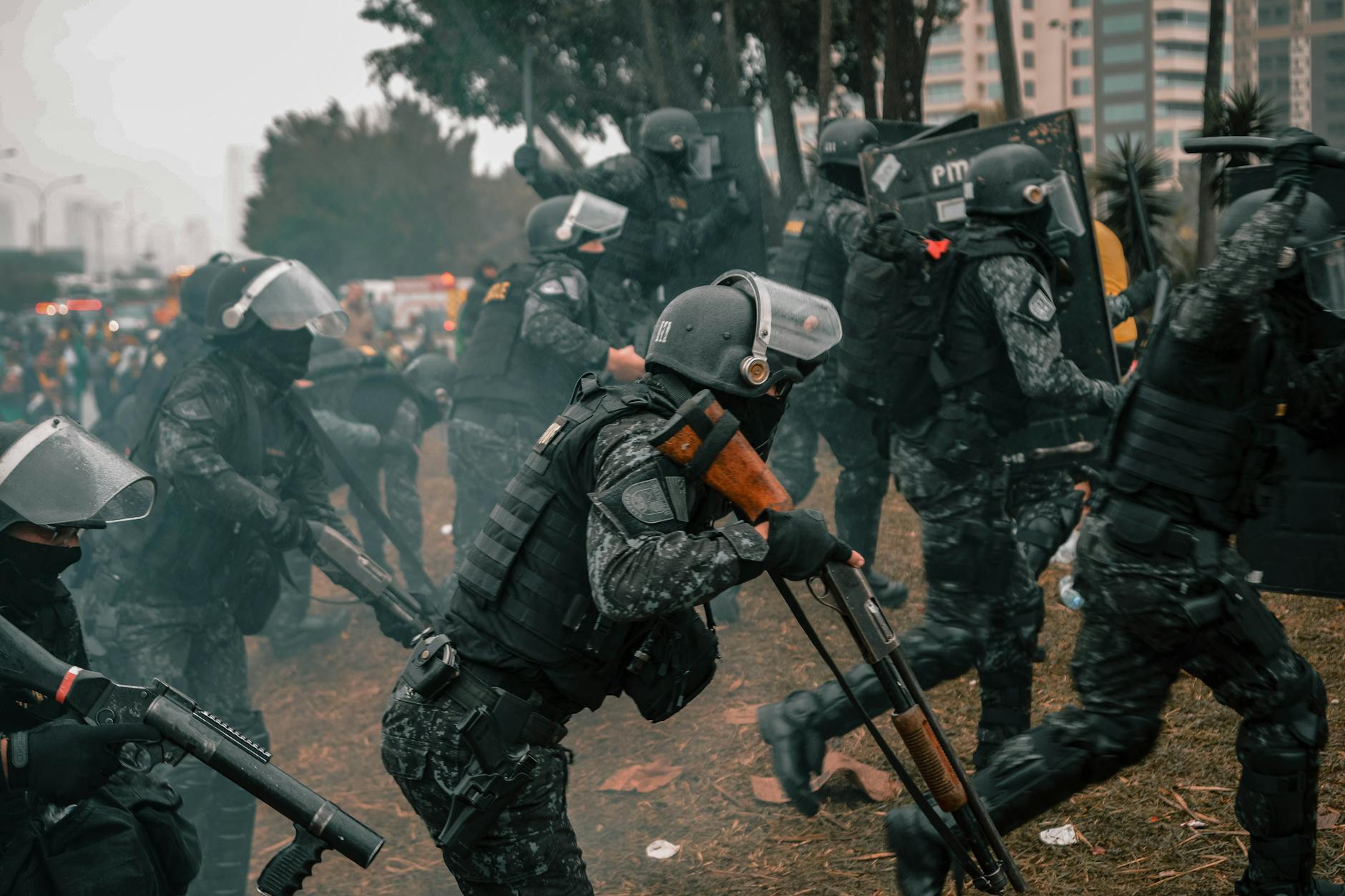
The authority of military police traces back to ancient civilizations, where maintaining order within armed forces became essential as societies grew more complex. Early records from Roman legions show specialized soldiers enforcing discipline, a practice that evolved alongside military structures. This historical foundation laid the groundwork for the formalized military police systems seen today.
During the 17th century, European armies began establishing dedicated military police units to address growing internal security challenges. The Prussian Army, for instance, created the Feldjägerkorps in 1740 to investigate crimes and maintain order among troops. This marked a significant shift from informal discipline enforcement to structured legal authority within military ranks.
Modern military police authority solidified during World War I, as large-scale conflicts demanded sophisticated systems for troop control. According to military historians, this period saw the development of specialized training and legal frameworks for military police. These advancements continue to influence contemporary military justice systems worldwide.
Today, military police operate under clear legal mandates, balancing their role between law enforcement and military support functions. Their authority stems from centuries of evolution, adapting to meet the changing needs of armed forces. This historical perspective highlights the critical role military police play in maintaining order and discipline within military organizations.
Core Responsibilities and Jurisdiction

The core responsibilities of military police revolve around maintaining law and order within the armed forces. They enforce military laws and regulations, conduct investigations, and provide security for military installations. Their jurisdiction extends to all military personnel and property, ensuring discipline and adherence to standards. This role is crucial for operational effectiveness and morale.
Military police have the authority to detain and arrest individuals violating military law. They work closely with civilian law enforcement when necessary, especially in cases involving off-base incidents. According to a defense analyst, their dual role requires a unique balance of military discipline and legal expertise. This ensures fair and consistent application of justice within the military community.
One of their key duties is traffic control and accident investigation on military bases. They also manage lost and found property, conduct background checks, and provide support during natural disasters. Their presence helps maintain a safe and secure environment for service members and their families. This contributes significantly to the overall readiness and welfare of the military.
Training and education are essential components of their role. Military police undergo rigorous training to handle various scenarios, from riot control to criminal investigations. They must stay updated on legal changes and military policies. Continuous professional development ensures they can effectively carry out their responsibilities in diverse and challenging situations.
Enforcement and Legal Powers

The authority of military police extends beyond typical law enforcement roles, encompassing unique enforcement and legal powers. They operate under the Uniform Code of Military Justice (UCMJ), a federal law providing a legal framework for military personnel. This code grants military police jurisdiction over service members and, in certain circumstances, civilians on military installations. Their enforcement powers include apprehending suspects, conducting searches, and making arrests, all within the bounds of military law.
Military police can detain individuals suspected of violating military laws or regulations. They have the authority to conduct searches and seizures, provided they comply with the UCMJ and the Fourth Amendment. This dual compliance ensures that their actions align with both military and constitutional standards. According to a legal expert, "Military police must balance their enforcement duties with the rights of individuals, ensuring due process is always upheld."
Legal powers of military police also include the ability to issue lawful orders and enforce military regulations. They can impose disciplinary actions, such as confinement or restriction, for violations of military law. In cases involving serious offenses, military police coordinate with the Judge Advocate General's Corps, the military's legal branch, to ensure proper legal proceedings. This collaboration ensures that justice is served while maintaining the integrity of military operations.
Military police also play a crucial role in maintaining order during deployments and operations. They enforce military law in combat zones, ensuring discipline and adherence to rules of engagement. Their presence helps prevent legal issues that could compromise mission success. With over 20,000 military police personnel worldwide, their enforcement and legal powers are vital to the military's overall effectiveness and readiness.
Collaboration with Civilian Authorities
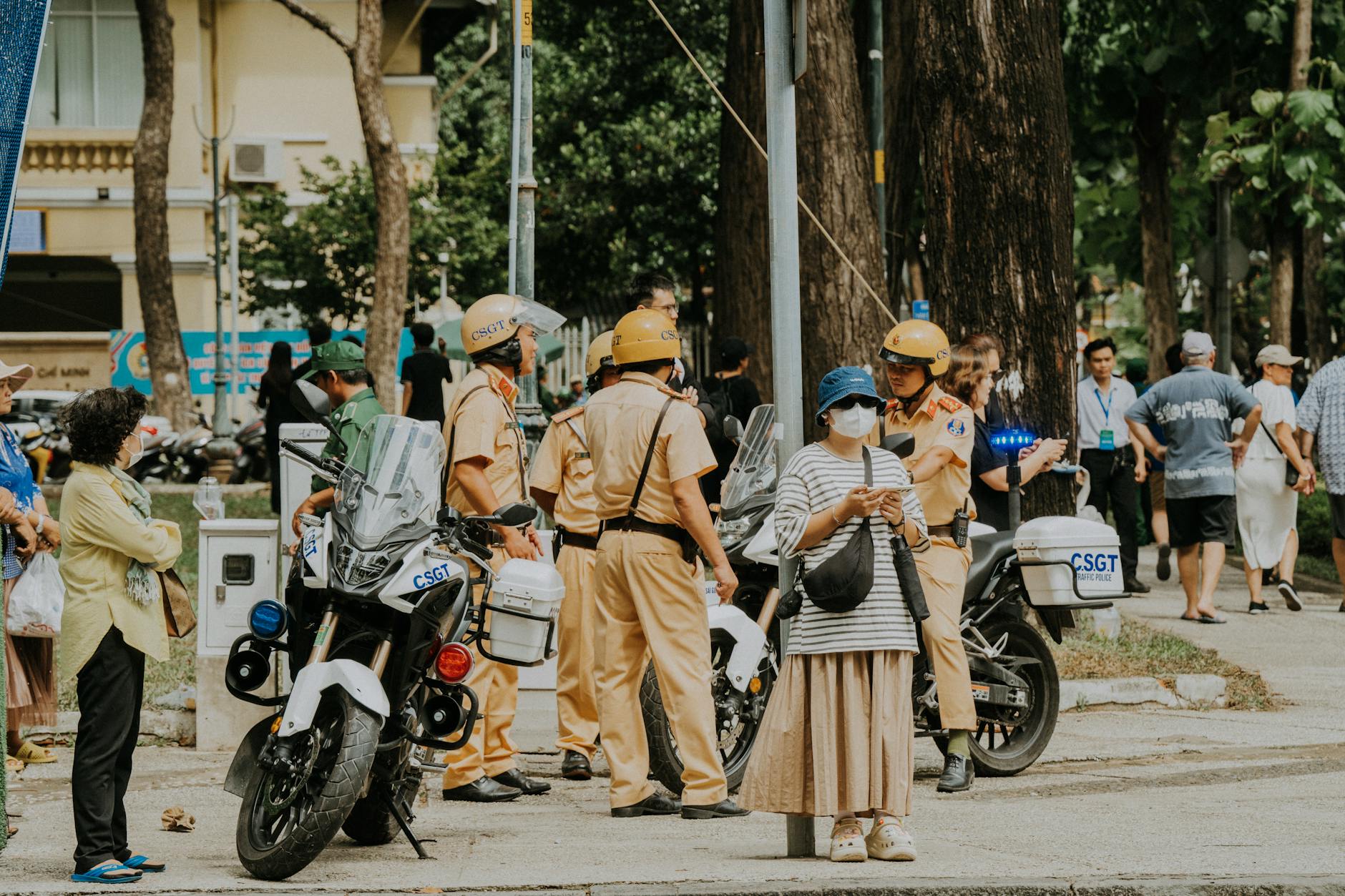
Military police often work hand-in-hand with civilian authorities, creating a bridge between military and civilian law enforcement. This collaboration ensures that military personnel adhere to both military regulations and civilian laws when operating off-base. Joint training exercises and shared intelligence help both sides respond more effectively to threats, whether they originate on a military installation or in the surrounding community.
A study by the National Institute of Justice found that 65% of military installations report at least one significant incident requiring coordination with local law enforcement annually. This statistic underscores the importance of seamless communication and cooperation between military police and civilian authorities. Shared jurisdiction areas, such as military bases located within urban environments, demand this level of coordination to maintain public safety and order.
Expertise exchange is another critical aspect of this collaboration. Military police bring specialized skills in areas like counterterrorism and disaster response, while civilian authorities offer insights into local laws and community dynamics. This mutual exchange enhances the capabilities of both entities, ensuring a more robust and adaptable security framework. Regular meetings and joint operations further solidify this partnership, fostering trust and efficiency in handling complex security challenges.
Evolving Role in Modern Warfare
The role of military police in modern warfare has evolved significantly, adapting to the complex and dynamic nature of contemporary conflicts. No longer confined to traditional law enforcement duties, military police now operate in a multifaceted environment, supporting combat operations, peacekeeping missions, and humanitarian efforts. Their authority has expanded to include tasks such as force protection, detainee operations, and battlefield circulation control, reflecting the diverse needs of modern military engagements.
Military police play a crucial role in maintaining discipline and order within military ranks. They enforce military law, investigate crimes, and ensure the smooth functioning of military justice systems. Their presence helps to uphold the integrity and professionalism of the armed forces, contributing to overall mission success. According to a recent study by a leading defense research institute, the effectiveness of military police in maintaining discipline directly correlates with the operational readiness of military units.
In addition to their internal responsibilities, military police are increasingly involved in external operations. They participate in peacekeeping missions, providing security and support in conflict zones. Their authority extends to interacting with local populations, assisting in humanitarian aid distribution, and coordinating with international forces. This broader role underscores the versatility and adaptability of military police in modern warfare.
As conflicts become more complex, the authority of military police continues to evolve. They are often at the forefront of addressing emerging challenges, such as cyber threats and asymmetric warfare. Their ability to adapt and respond to new threats ensures they remain a vital component of modern military operations. The evolving role of military police highlights their indispensable contribution to the success of military missions worldwide.
The authority of military police is a critical component of maintaining order and discipline within armed forces, serving as a bridge between military justice and civilian law enforcement. Their unique powers—law enforcement, detention, investigative, judicial, and advisory—ensure they can effectively uphold military law and protect service members' rights. To fully grasp their role, it's essential to understand the specific legal frameworks and operational guidelines that govern their actions. As military structures evolve, the authority and responsibilities of military police will likely expand, adapting to new challenges in maintaining security and justice within the armed forces.
Need this answered for your specific case?
Get a flat-fee consultation with a verified U.S. immigration attorney. Engagement letter on every paid consult.
Related guides
This guide provides general legal information and does not create an attorney–client relationship. Information accurate as of July 2026. Always verify current USCIS guidance before acting.