
Hate speech crimes have surged by 20% in the past five years, according to recent reports. This alarming trend underscores the urgent need to understand and address the various forms of hate speech crimes that plague societies worldwide. Hate speech crime refers to any criminal act motivated by bias or prejudice against a person or group based on attributes such as race, religion, ethnicity, sexual orientation, or disability. These crimes are not just offensive; they are often violent and can have devastating impacts on individuals and communities.
Understanding hate speech crime is crucial for everyone, as it affects not just the immediate victims but society as a whole. Hate speech crime erodes social cohesion, fuels division, and creates an environment of fear and intolerance. By recognizing what is hate speech crime and its various manifestations, individuals can better identify, report, and combat these harmful acts. This knowledge empowers communities to stand united against hatred and promote inclusivity and respect for all.
Defining hate speech crimes

Hate speech crimes represent a distinct category of offenses where the primary motive is prejudice or bias. These crimes target individuals or groups based on immutable characteristics such as race, religion, ethnicity, sexual orientation, or gender identity. The core element is the perpetrator’s intent to incite hatred, violence, or discrimination against the victim. Unlike other crimes, the impact of hate speech extends beyond the immediate victim, fostering a climate of fear and intolerance within communities.
Legal definitions of hate speech crimes vary by jurisdiction, but they generally include any communication that promotes hatred, violence, or discrimination. This can encompass verbal abuse, written threats, or even symbolic acts designed to intimidate. According to a study by the Southern Poverty Law Center, hate speech crimes have increased by 30% over the past decade, reflecting a troubling trend in societal attitudes.
Experts emphasize that hate speech crimes are not merely expressions of opinion but deliberate acts of harm. They aim to undermine the dignity and safety of targeted groups, often leading to long-term psychological and social consequences. Recognizing these crimes as distinct from other offenses is crucial for effective prevention and prosecution.
Understanding the nuances of hate speech crimes requires awareness of both legal frameworks and societal impacts. As societies evolve, so too must the mechanisms for addressing these harmful acts. Proactive measures, including education and policy reforms, are essential to combat the root causes of hate speech and foster inclusive communities.
Legal frameworks and protections

Hate speech crimes operate within a complex web of legal frameworks designed to protect individuals and communities from targeted harassment and discrimination. In the United States, for instance, the First Amendment of the Constitution protects free speech, but this protection is not absolute. Hate speech may still be prosecuted under various state and federal laws when it incites violence, creates a hostile environment, or violates civil rights. The Civil Rights Act of 1964, for example, prohibits discrimination based on race, color, religion, sex, or national origin, providing a legal basis for addressing hate speech in certain contexts.
A 2020 report by the Center for the Study of Hate and Extremism revealed a 7% increase in hate crimes in major U.S. cities, underscoring the need for robust legal protections. Legal experts emphasize that hate speech laws must balance the right to free expression with the need to prevent harm. Courts often consider the intent behind the speech, the likelihood of inciting violence, and the potential impact on vulnerable communities.
Internationally, countries like Germany and France have implemented stricter hate speech laws, criminalizing speech that incites hatred or discrimination. These laws reflect a broader global effort to combat hate speech through legislative action. However, the effectiveness of these laws varies, as enforcement and interpretation can differ significantly across jurisdictions. Understanding these legal frameworks is crucial for navigating the complexities of hate speech crimes and ensuring justice for victims.
Real-world examples and consequences

Hate speech crimes manifest in various forms, leaving profound impacts on individuals and communities. In 2019, the FBI reported over 7,000 hate crime incidents in the United States alone, highlighting the pervasive nature of these offenses. These crimes often target vulnerable groups, exacerbating social divisions and fostering an environment of fear. For instance, verbal harassment and intimidation can lead to long-term psychological trauma, affecting victims’ mental health and daily lives.
Physical attacks motivated by hate speech can result in severe injuries or even fatalities. A stark example is the 2015 Charleston church shooting, where nine African American parishioners were killed by a perpetrator influenced by racist ideologies. Such incidents underscore the deadly consequences of unchecked hate speech. Communities often bear the brunt of these crimes, experiencing heightened tensions and a breakdown of social cohesion.
Property damage and vandalism are also common consequences of hate speech crimes. Synagogues, mosques, and other religious institutions frequently fall victim to such acts. These incidents not only cause financial losses but also instill a sense of insecurity among minority groups. Experts argue that addressing hate speech crimes requires a multifaceted approach, including legal measures, education, and community engagement. By tackling the root causes of hate speech, society can work towards creating a more inclusive and tolerant environment.
Online platforms have become breeding grounds for hate speech, leading to real-world repercussions. Cyberbullying and doxxing can drive victims to self-harm or suicide. The anonymity of the internet often emboldens perpetrators, making it challenging to hold them accountable. Law enforcement agencies and tech companies are increasingly collaborating to combat online hate speech, recognizing its potential to incite violence and discrimination.
Reporting and combating hate speech
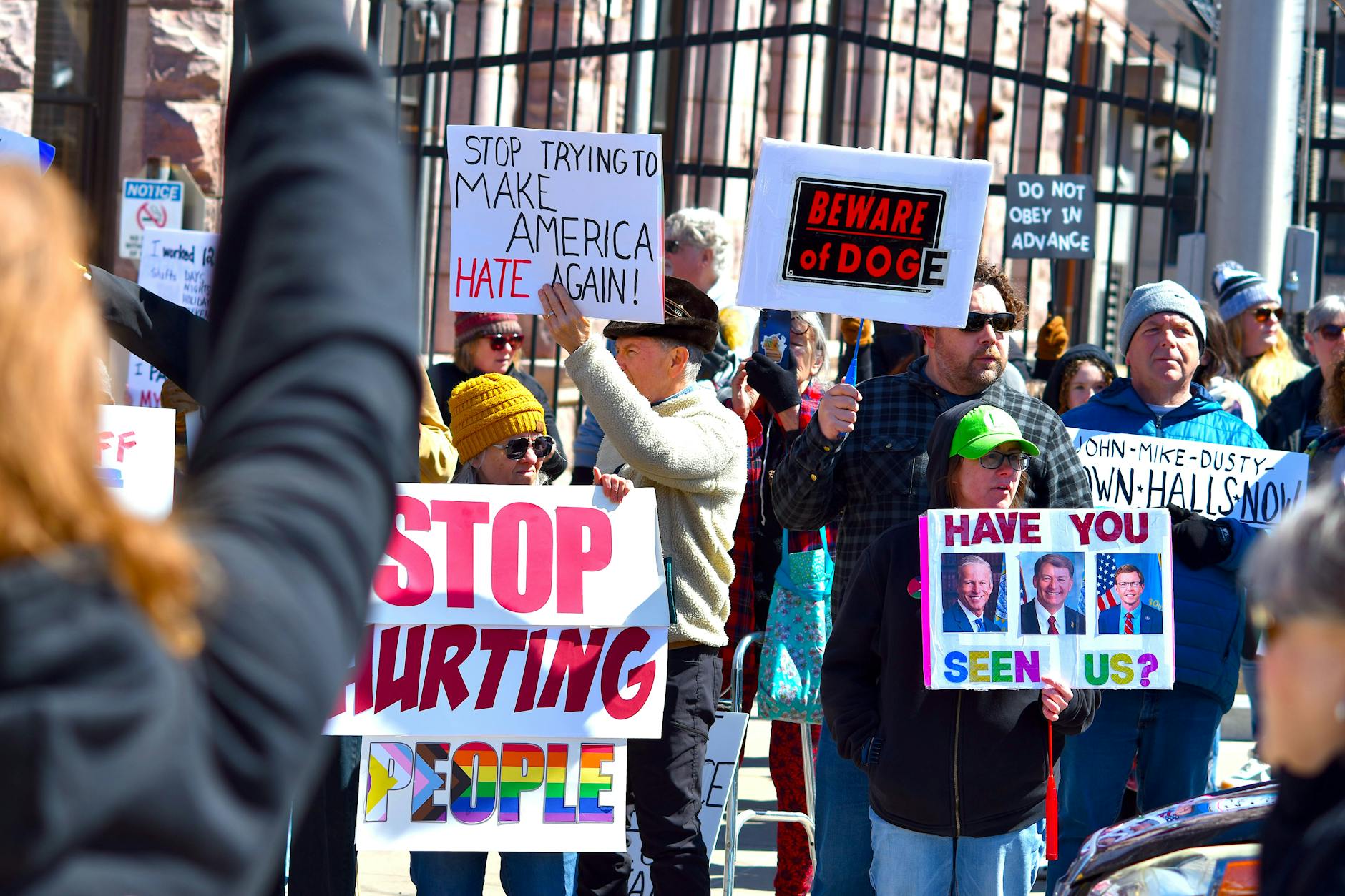
Hate speech crimes represent a significant challenge to societal harmony and individual safety. These crimes involve the use of language or symbols to incite violence, discrimination, or hostility against individuals or groups based on attributes such as race, religion, ethnicity, sexual orientation, or gender identity. The impact of hate speech extends beyond immediate victims, fostering an environment of fear and intolerance that can escalate into more severe forms of violence.
Law enforcement agencies and legal systems play a crucial role in reporting and combating hate speech crimes. According to a report by the Human Rights Campaign, hate crimes based on sexual orientation and gender identity have been on the rise in recent years. Authorities must be vigilant in identifying and documenting instances of hate speech, ensuring that perpetrators are held accountable under relevant laws. Community engagement is also vital, as it encourages victims and witnesses to report incidents without fear of retribution.
Education and awareness campaigns are essential tools in the fight against hate speech. Experts emphasize the importance of teaching individuals about the dangers of hate speech and the legal consequences associated with it. Schools, workplaces, and community centers can serve as hubs for these initiatives, promoting understanding and respect among diverse groups. By fostering a culture of inclusivity, societies can mitigate the spread of hate speech and its detrimental effects.
Technology companies have a responsibility to monitor and remove hate speech from their platforms. Social media networks, in particular, must implement robust policies and algorithms to detect and eliminate hate speech content. Collaboration between tech firms, law enforcement, and advocacy groups can enhance the effectiveness of these efforts. Proactive measures, such as user education and reporting mechanisms, can empower individuals to contribute to a safer online environment.
The evolving landscape of hate speech laws

Hate speech laws have undergone significant evolution in recent years, reflecting societies’ growing intolerance towards discrimination and bigotry. These laws now encompass a broader range of behaviors, extending beyond traditional forms of hate speech to include online harassment and incitement to violence. This shift mirrors the changing dynamics of communication and the increasing role of digital platforms in facilitating hate speech.
Legislators worldwide are grappling with the challenge of balancing freedom of expression with the need to protect vulnerable groups. According to a report by the International Network Against Cyber Hate, 65% of countries have implemented specific laws to combat online hate speech. These laws often target indirect forms of hate speech, such as dog whistles and coded language, which can be just as harmful as explicit slurs.
Courts have also played a crucial role in shaping hate speech laws. Landmark cases have set precedents for interpreting these laws, providing clarity on what constitutes a hate speech crime. Experts argue that this judicial guidance is essential for ensuring consistent application of the law. However, the interpretation of hate speech laws remains a contentious issue, with debates ongoing about the fine line between hate speech and legitimate expression.
As societies become more diverse, hate speech laws continue to adapt. New categories of protected characteristics, such as gender identity and disability, are being recognized. This evolution reflects a broader commitment to inclusivity and equality. The landscape of hate speech laws is likely to keep changing, driven by technological advancements and shifting social norms.
Hate speech crimes are a serious offense that can cause significant harm to individuals and communities, often leaving lasting scars that go beyond physical injuries. They are not just about words, but about the power those words hold to incite violence, discrimination, and division. To combat this issue, it’s crucial to educate ourselves and others about the different types of hate speech crimes and their consequences. By fostering empathy, understanding, and respect for diversity, we can work towards creating a society where hate speech is not tolerated. The fight against hate speech crimes is an ongoing journey, and every step taken towards awareness and action brings us closer to a more inclusive and harmonious world.