
Understanding the Basics of Probation: 5 Key Conditions and Requirements
More than 4.5 million people are under probation supervision in the United States alone, making it a critical component of the country's justice system. Probation is a rehabilitation-focused approach that allows individuals to serve their sentences outside of prison, under the supervision of a probation officer. By understanding the conditions and requirements of probation, those on probation can better navigate the process and work towards a successful outcome. This article explores the common probation conditions that individuals on probation must adhere to, with a focus on five key requirements that are essential to understand.
Common Probation Conditions Explained delves into the specifics of life on probation, providing readers with a clear understanding of what to expect and how to comply with probation regulations. In this article, we will break down the essential conditions of probation, examining the rules and guidelines that govern behavior, reporting requirements, and other critical aspects of probation. By the end of this article, readers will have a comprehensive understanding of the common probation conditions that shape the lives of those on probation, and the steps they can take to ensure a successful and productive experience.
Probation Basics: A Primer for Understanding the System
Probation is a court-ordered program that allows individuals to remain in their communities while serving a sentence. The primary goal of probation is to help offenders reintegrate into society, avoid further criminal activity, and make amends for their past mistakes. Probation is often seen as a chance for individuals to demonstrate their commitment to rehabilitation and reform.
The conditions of probation can vary, but most involve regular meetings with a probation officer, electronic monitoring, and strict adherence to a schedule. According to the Bureau of Justice Statistics, approximately 4.5 million adults were on probation in the United States in 2020. Probation officers closely monitor offenders' behavior, ensuring they comply with court-ordered requirements.
Some common probation conditions include community service, anger management classes, and restitution payments. These requirements aim to address underlying issues that led to the offender's criminal behavior and promote positive change. Offenders who fail to meet these conditions can face consequences, such as revocation of their probation and additional jail time.
Understanding Probation: A History of Rehabilitation and Reform
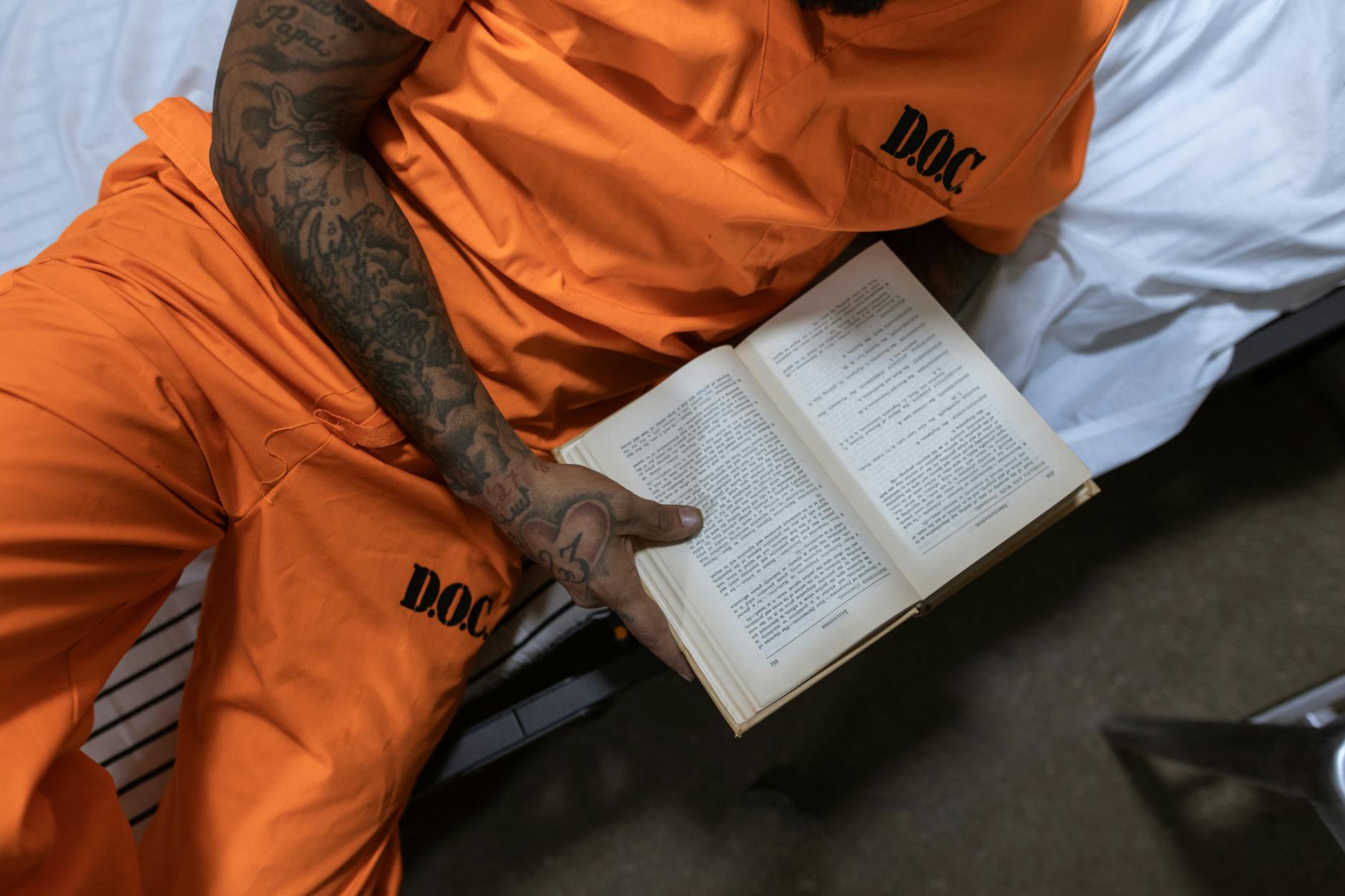
The history of probation dates back to the late 19th century when the concept of rehabilitation began to take shape. Probation was initially designed to provide an alternative to imprisonment for first-time offenders. This approach focused on community-based supervision, aiming to help individuals overcome their problems and reintegrate into society.
The first probation system was established in 1878 in Pennsylvania, USA, with a focus on treating juvenile offenders. By the early 20th century, adult probation began to emerge, with a growing recognition of the need for community-based interventions. According to the Bureau of Justice Statistics, in 2019, over 4.5 million adults were on probation in the United States.
Probation has continued to evolve, driven by reforms aimed at reducing recidivism and improving outcomes for offenders. The 1960s saw a shift towards more comprehensive and individualized approaches, incorporating counseling, education, and job training. This expansion has led to the development of specialized probation programs targeting specific populations, such as youth, elderly, and those with mental health conditions.
Effective probation programs require a collaborative effort between law enforcement, social services, and community organizations. By providing support and resources, these partnerships can help individuals overcome the underlying issues that led to their involvement with the justice system.
Key Conditions of Probation: Curfews, Community Service, and More

Probation conditions are designed to hold individuals accountable for their actions while allowing them to reintegrate into society. A key aspect of probation is adhering to a strict schedule, particularly when it comes to curfews.
Probationers are often required to adhere to a daily curfew, which can be as early as 6 PM or as late as 10 PM, depending on the specific conditions of their probation. A study by the National Institute of Justice found that 70% of probationers are more likely to reoffend if they fail to adhere to their curfew. Curfews are enforced by regular check-ins with probation officers and electronic monitoring devices.
Community service is another common probation condition. Probationers are typically required to perform a certain number of hours of community service per week, which can range from cleaning up local parks to serving at food banks. This condition aims to give back to the community and provide a sense of responsibility. Probationers often work in groups, fostering a sense of camaraderie and teamwork.
From Probation to Parole: Navigating the Transition Process
Probation is a court-ordered program that allows individuals to serve their sentence in the community instead of behind bars. A successful transition from probation to parole requires a deep understanding of the conditions and requirements involved.
The transition process typically begins when a probationer has fulfilled the terms of their probation and has been deemed eligible for parole. According to the Bureau of Justice Statistics, nearly 60% of individuals released from prison are placed on parole. The parole board reviews the individual's file and determines whether they are suitable for release.
At the heart of the transition process are the community-based programs and services designed to support individuals in their reintegration into society. These programs may include substance abuse treatment, job training, and counseling services.
The key to a smooth transition is preparation. Probationers who are proactive in their rehabilitation efforts and demonstrate a commitment to change are more likely to succeed on parole. This requires a willingness to take responsibility for one's actions and to make positive lifestyle choices.
Building a Future Beyond Probation: Paths to Redemption and Success

Probation conditions can significantly impact an individual's likelihood of success. A study by the National Institute of Justice found that only 40% of individuals on probation successfully complete their terms.
Probationers are typically required to adhere to a strict set of rules, which may include regular meetings with a probation officer. These meetings provide an opportunity for the probationer to report on their compliance with probation conditions. The officer may also use these meetings to offer guidance and support.
Some common probation conditions include community service, restitution, and random drug testing. These conditions aim to help the probationer become a productive member of society by giving back to the community, making amends for past wrongs, and demonstrating a commitment to sobriety.
For those struggling to meet these conditions, there are resources available. Many probation departments offer counseling services, job training programs, and other forms of support to help individuals get back on their feet. By providing these resources, probation departments can increase the chances of successful rehabilitation.
Probation provides individuals with a second chance to reform and reintegrate into society, offering a more cost-effective and rehabilitative alternative to incarceration. By understanding the common conditions and requirements of probation, individuals can better navigate this process, increasing their chances of success.
To effectively manage probation, it's essential to establish a strong support system, including a reliable counselor, a treatment plan, and a steady job or education. This foundation will not only help individuals meet the requirements of their probation but also cultivate essential life skills and personal growth. As the justice system continues to evolve, incorporating evidence-based practices and innovations, understanding the basics of probation will remain a crucial step towards rehabilitation and reintegration.
Need this answered for your specific case?
Get a flat-fee consultation with a verified U.S. immigration attorney. Engagement letter on every paid consult.
Related guides
-
Sanctions on Juvenile Offenders Cut Recidivism Rate by 27% in First Year
7 min read · May 13, 2026
-
Federal Court Rules Graduated Sanctions Can Reduce Recidivism by 30% in Prisons
6 min read · May 13, 2026
-
Four-Year Prison Sentence for Man Convicted of 12 Technical Violations of Probation
6 min read · May 11, 2026
This guide provides general legal information and does not create an attorney–client relationship. Information accurate as of July 2026. Always verify current USCIS guidance before acting.