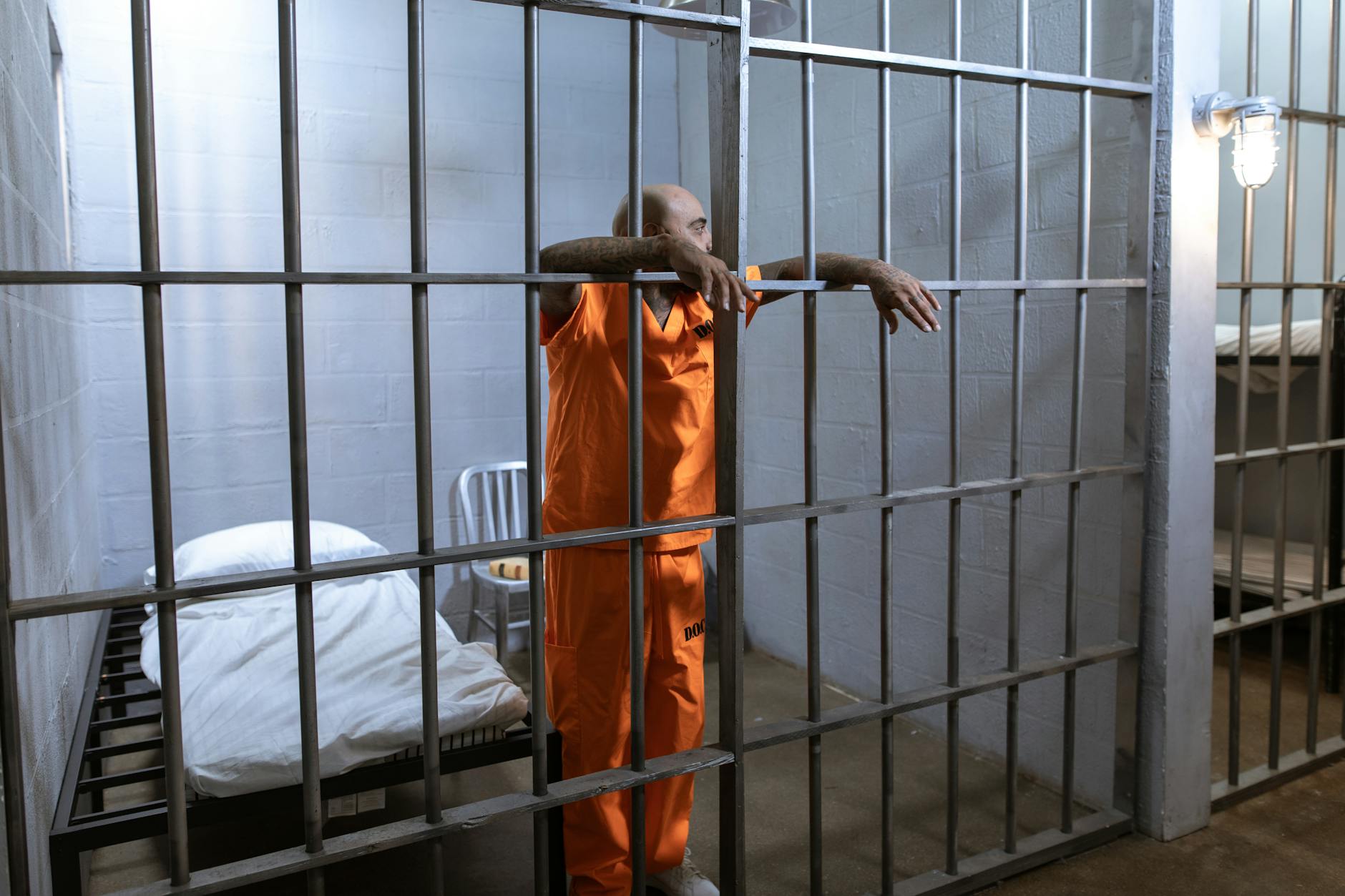
Over 200,000 individuals in the United States are serving life sentences, a stark reality that underscores the severity of certain crimes. These sentences represent the most severe penalties short of capital punishment, reserved for offenses deemed particularly heinous or dangerous. The concept of a life sentence crime is not uniform across jurisdictions, but it generally refers to criminal acts that warrant incarceration for the remainder of the offender's natural life.
Understanding what is a life sentence crime is crucial for grasping the gravity of the justice system's response to certain offenses. These crimes typically include murder, especially with aggravating factors like multiple victims or extreme cruelty, as well as crimes against the state such as treason. The designation of what is a life sentence crime varies by state and country, reflecting differing legal standards and societal values. For the average citizen, comprehending these crimes and their consequences fosters a deeper appreciation of the legal system's role in maintaining public safety and administering justice.
Life Sentence Basics
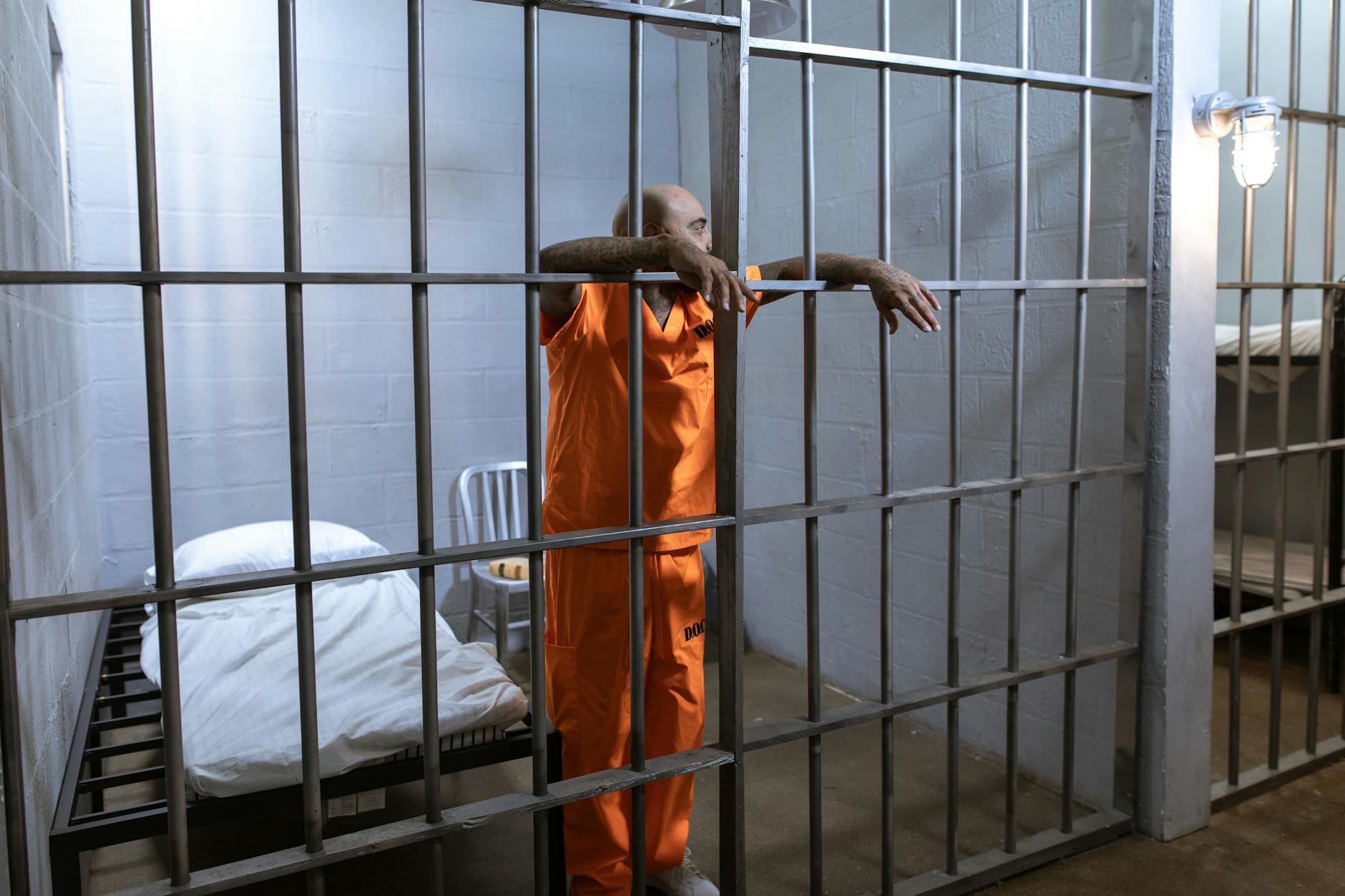
Life sentence crimes represent the most severe offenses in the legal system, carrying the harshest penalties short of capital punishment. These crimes typically involve acts of extreme violence, premeditation, or particularly heinous circumstances. Murder, especially with aggravating factors like torture or multiple victims, often leads to life imprisonment. Other offenses may include certain types of sexual assault, terrorism, or large-scale drug trafficking operations.
According to legal experts, life sentences serve multiple purposes. They aim to protect society by removing dangerous individuals from the community indefinitely. Additionally, they act as a form of retribution for particularly egregious acts. The concept of "life without parole" has gained prominence in recent decades, reflecting a societal shift toward permanent incapacitation for the worst offenders.
Not all life sentences are created equal. Some jurisdictions allow for the possibility of parole after a set number of years, while others mandate life imprisonment without any chance of release. The specific circumstances of the crime, the defendant's criminal history, and local laws all play crucial roles in determining the exact nature of the sentence. Understanding these nuances is essential for comprehending the full scope of life sentence crimes.
Serious Crimes Leading to Life

Life sentences represent the most severe penalties short of capital punishment, reserved for the most heinous crimes. These offenses typically include premeditated murder, especially those involving aggravating factors like multiple victims, torture, or particularly vulnerable victims. In many jurisdictions, crimes like treason, terrorism, or large-scale drug trafficking may also warrant life imprisonment. The exact definition varies by country, but the common thread is the gravity of the offense and the need to protect society from dangerous individuals.
Statistics from international criminal justice organizations reveal that life sentences are disproportionately handed down for violent crimes. For example, homicide accounts for approximately 70% of all life sentences globally. This stark figure underscores the judiciary's focus on removing violent offenders from society for extended periods, if not permanently. The rationale behind such sentences often centers on both retribution and incapacitation, ensuring that perpetrators cannot reoffend.
A leading criminologist emphasizes that life sentences serve a dual purpose: deterrence and punishment. By imposing such severe penalties, legal systems aim to discourage others from committing similar crimes. The psychological impact on potential offenders can be significant, acting as a powerful deterrent. However, the debate continues regarding the effectiveness of life sentences in reducing crime rates, with some experts advocating for alternative approaches like rehabilitation and restorative justice.
In some legal systems, life sentences come with the possibility of parole after a certain period, contingent on good behavior and rehabilitation. This provision offers a glimmer of hope for inmates, motivating them to engage in rehabilitative programs. Conversely, other jurisdictions enforce "life means life" policies, where prisoners serve their entire sentences without the possibility of release. These policies reflect a zero-tolerance stance on certain crimes, prioritizing public safety above all else.
State-by-State Variations

Life sentence crimes vary significantly across the United States, reflecting differing state laws and judicial interpretations. Some states impose life sentences for violent offenses like murder, while others include non-violent crimes such as drug trafficking or repeat offenses. For instance, California applies life sentences for certain three-strike offenses, whereas Texas reserves them primarily for capital murder cases. These variations highlight the complex nature of criminal justice systems across the nation.
In some states, life sentences carry the possibility of parole, allowing inmates to petition for release after serving a specified period. For example, New York allows parole hearings after 20 years for certain offenses. However, other states, like Florida, impose life without parole (LWOP) for specific crimes, removing any chance of release. According to a recent study, over 50,000 individuals in the U.S. are serving LWOP sentences, underscoring the severity of these penalties.
Judicial discretion also plays a crucial role in sentencing. Judges may consider aggravating or mitigating factors, such as the defendant's criminal history or the circumstances of the crime. This discretion can lead to significant differences in sentencing outcomes, even for similar crimes. Legal experts emphasize the importance of consistent sentencing guidelines to ensure fairness and reduce disparities.
Additionally, some states have unique statutes that mandate life sentences for specific crimes. For example, Louisiana imposes life sentences for certain sex offenses involving children. These statutes reflect societal values and priorities, shaping the criminal justice landscape in each state. Understanding these variations is essential for comprehending the broader implications of life sentences in the U.S.
Impact on Families and Society

The ripple effects of life sentences extend far beyond prison walls, profoundly impacting families and society as a whole. Children of incarcerated parents often face emotional and financial hardships, with studies showing they are more likely to experience poverty, mental health issues, and even enter the criminal justice system themselves. The strain on families can be immense, as they grapple with the absence of a loved one and the challenges of maintaining connections through limited visitation and communication.
Society also bears the weight of life sentences, with taxpayers footing the bill for lifelong incarceration. According to a report by the Sentencing Project, the average cost of imprisoning an individual for a year is over $30,000. This financial burden could be redirected to education, rehabilitation programs, or community services that might prevent crime in the first place. Experts argue that focusing on rehabilitation and reintegration could yield better long-term outcomes for both individuals and society.
Moreover, life sentences can contribute to overcrowded prisons, which strain resources and compromise the safety and well-being of both inmates and staff. The psychological toll on inmates serving life sentences is also significant, with many experiencing depression, anxiety, and a loss of hope. These factors highlight the complex interplay between crime, punishment, and the broader social fabric, underscoring the need for thoughtful and compassionate approaches to justice.
Communities often bear the brunt of the social stigma associated with having a family member serving a life sentence. This stigma can affect employment opportunities, social interactions, and overall quality of life. Addressing these issues requires a multifaceted approach that includes support for families, investment in community programs, and a reevaluation of sentencing policies to ensure they align with the principles of justice and rehabilitation.
Reform and Future Perspectives

Life sentences, once considered rare, have become more common in recent decades. The shift reflects changing societal attitudes toward certain crimes and a growing emphasis on punitive justice. According to a report by the Sentencing Project, the number of people serving life sentences in the United States has increased by over 800% since the 1980s. This trend underscores the need for ongoing reform in sentencing laws.
Advocates for criminal justice reform argue that life sentences should be reserved for the most heinous crimes. They point to cases of wrongful convictions and excessive sentencing as evidence of a flawed system. A study by the Innocence Project found that 375 people in the U.S. have been exonerated by DNA testing, with many serving lengthy sentences for crimes they did not commit. These cases highlight the urgent need for reforms to ensure fairness and accuracy in the justice system.
Looking ahead, experts suggest a balanced approach to sentencing. They recommend focusing on rehabilitation and restorative justice, particularly for non-violent offenses. This shift could reduce the number of life sentences imposed annually. By prioritizing rehabilitation, the justice system can better address the root causes of crime and promote long-term public safety.
Reform efforts also include revisiting mandatory minimum sentences and expanding parole opportunities. These changes aim to provide judges with more discretion in sentencing. Additionally, public awareness campaigns seek to educate communities about the consequences of life sentences. Through these combined efforts, the justice system can evolve to better serve society.
Life sentences represent the most severe penalties short of capital punishment, typically reserved for the most egregious crimes. These sentences reflect society's collective judgment that certain acts are so heinous they warrant permanent removal from society. Understanding which crimes incur life sentences helps citizens grasp the legal system's gravity and the consequences of extreme criminal behavior. For those seeking deeper insight, exploring state-specific sentencing guidelines can provide clarity on how these penalties are applied. As legal systems continue to evolve, the conversation around life sentences and their application will undoubtedly remain a critical aspect of criminal justice reform.
Need this answered for your specific case?
Get a flat-fee consultation with a verified U.S. immigration attorney. Engagement letter on every paid consult.
Related guides
This guide provides general legal information and does not create an attorney–client relationship. Information accurate as of July 2026. Always verify current USCIS guidance before acting.