The Intersection of Law and Sports Equipment
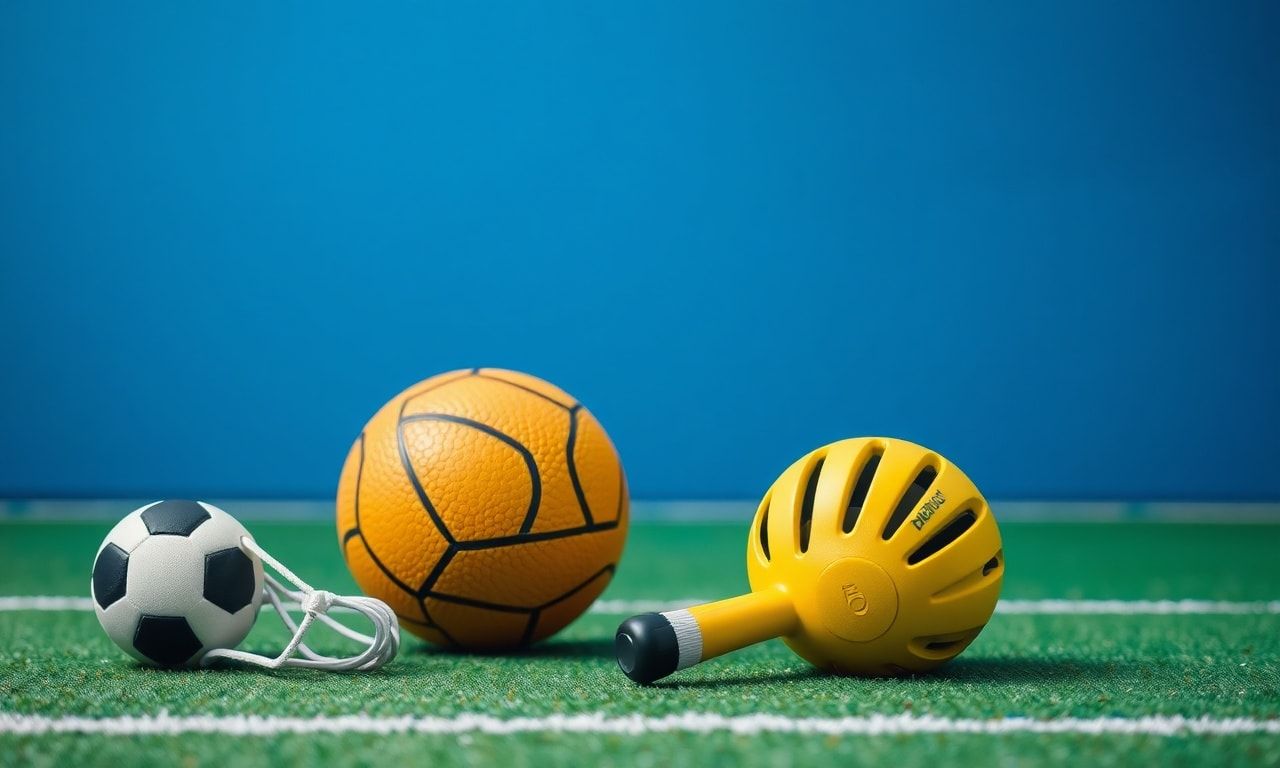
The world of sports is governed by a complex web of rules and regulations, many of which extend beyond the playing field and into the realm of legal considerations. Understanding the legal aspects of sports equipment is crucial for athletes, manufacturers, retailers, and consumers alike. This article delves into the key legal issues surrounding sports equipment, including safety standards, liability, and consumer rights.
Safety Standards and Regulations
One of the primary legal considerations in the sports equipment industry is the adherence to safety standards and regulations. Governments and international organizations establish these standards to ensure that sports equipment is safe for use and minimizes the risk of injury. For instance, the Consumer Product Safety Commission (CPSC) in the United States sets safety standards for various types of sports equipment, including helmets, protective gear, and playground equipment.
Manufacturers must comply with these standards to avoid legal repercussions. Non-compliance can result in product recalls, fines, and even lawsuits. It is essential for manufacturers to stay updated on the latest safety regulations and conduct regular testing to ensure their products meet the required standards. Consumers also play a role in this process by reporting any safety concerns or defects they encounter with sports equipment.
Liability and Product Defects
When it comes to sports equipment, liability issues often arise from product defects. A product defect can occur during the design, manufacturing, or labeling process. If a defect causes injury to a consumer, the manufacturer, distributor, or retailer may be held liable under product liability laws. These laws vary by jurisdiction but generally allow consumers to seek compensation for injuries caused by defective products.
To mitigate liability risks, manufacturers should implement robust quality control measures and conduct thorough testing of their products. Retailers should also ensure that they are selling equipment that meets safety standards. In cases where a defect is discovered, prompt action, such as a product recall, can help minimize liability. Consumers should be aware of their rights and the steps to take if they are injured by defective sports equipment.
Consumer Rights and Protections
Consumers have certain rights and protections when purchasing sports equipment. These rights include the right to accurate information about the product, the right to a safe product, and the right to seek compensation for any harm caused by the product. Consumer protection laws vary by country but generally provide a framework for addressing issues such as false advertising, misleading labeling, and defective products.
For example, in the European Union, the General Product Safety Directive (GPSD) ensures that products, including sports equipment, are safe for consumers. The GPSD requires manufacturers and distributors to take measures to ensure the safety of their products and to provide consumers with information about potential risks. In the United States, the Magnuson-Moss Warranty Act provides consumers with protections related to warranties on consumer products.
The Role of Reviews and Comparisons in Legal Considerations
In the digital age, reviews and comparisons play a significant role in the purchasing decisions of consumers. Websites that provide sports equipment review comparison can influence consumer choices and, in some cases, highlight potential safety issues or defects. Manufacturers and retailers should monitor these reviews to identify any concerns and address them promptly. Negative reviews can also serve as evidence in legal cases involving product defects or consumer complaints.
Consumers should use these reviews as a tool to make informed decisions about the sports equipment they purchase. However, it is important to approach reviews with a critical eye and consider multiple sources of information. Additionally, consumers should be aware of their rights and the legal protections available to them in case of a defective or unsafe product.
Legal Recourse for Injuries and Damages
If a consumer is injured by defective sports equipment, they may have legal recourse to seek compensation for their injuries and damages. The process typically involves filing a product liability claim against the manufacturer, distributor, or retailer. To succeed in a product liability claim, the consumer must prove that the product was defective and that the defect caused their injury.
Consumers should consult with a legal professional experienced in product liability cases to understand their rights and the best course of action. Legal professionals can help consumers gather evidence, file claims, and navigate the complexities of the legal system. Manufacturers and retailers should also seek legal advice to understand their potential liability and the steps they can take to mitigate risks.
Conclusion
Understanding the legal aspects of sports equipment is essential for all stakeholders in the sports industry. From safety standards and regulations to liability and consumer rights, the legal landscape surrounding sports equipment is complex and ever-evolving. By staying informed and proactive, manufacturers, retailers, and consumers can ensure a safer and more transparent sports equipment market. Whether you are an athlete, a manufacturer, or a consumer, being aware of your legal rights and responsibilities is crucial for a positive and safe sports experience.