
Every year, thousands of citizens file complaints against police misconduct, yet many remain unaware of the independent oversight bodies designed to address these grievances. The Ombudsman plays a pivotal role in this process, serving as an impartial intermediary between the public and law enforcement agencies. Understanding the Ombudsman's role in police complaints can empower individuals to navigate the system effectively and seek justice when necessary.
So, what is Ombudsman police complaint? It refers to the process by which an independent Ombudsman investigates and resolves complaints lodged against police officers or departments. This mechanism ensures accountability and transparency, providing citizens with a fair and unbiased platform to voice their concerns. The Ombudsman acts as a watchdog, monitoring police conduct and recommending corrective actions when warranted. What is Ombudsman police complaint, in essence, is a crucial safeguard for public trust in law enforcement.
The Ombudsman's Origin and Purpose

The concept of an ombudsman traces back to 1809 Sweden, where the role was established to address citizens' grievances against government agencies. This independent watchdog model has since spread globally, adapting to various legal systems. In the context of police complaints, the ombudsman serves as an impartial intermediary, ensuring accountability and fairness in law enforcement.
According to a report by the International Ombudsman Institute, over 130 countries now employ ombudsman systems to handle public complaints. These officials operate independently from the police, investigating allegations of misconduct, abuse of power, or negligence. Their primary purpose is to restore public trust in law enforcement by providing a transparent, accessible complaint process.
Ombudsmen typically have broad investigative powers, including the authority to review police records, interview officers, and gather evidence. They also facilitate mediation between complainants and police departments, aiming for resolution without formal litigation. This approach often proves more efficient and less adversarial than traditional legal channels.
How Complaints Reach the Ombudsman

Complaints reach the Ombudsman through multiple channels, ensuring accessibility for all citizens. Individuals can submit complaints directly through the Ombudsman's website, which features a user-friendly interface designed to guide complainants through the process. Alternatively, complaints can be filed via telephone, mail, or in-person visits to the Ombudsman's office. This multi-channel approach caters to diverse needs, including those who may not have regular internet access.
A significant portion of complaints originate from community organizations and advocacy groups. These entities often play a crucial role in amplifying the voices of marginalized communities. According to a recent study, approximately 30% of complaints received by Ombudsman offices globally come through such intermediaries. This highlights the importance of collaboration between the Ombudsman and civil society.
Once a complaint is received, the Ombudsman's office conducts an initial review to determine its validity and jurisdiction. This process involves assessing whether the complaint falls within the Ombudsman's mandate and whether sufficient evidence is provided. Expert analysts emphasize the importance of this step in maintaining the integrity of the complaint process. Only after this review does the Ombudsman proceed with a formal investigation.
In some cases, the Ombudsman may also receive referrals from other government agencies or courts. These referrals often involve complex cases that require the Ombudsman's independent oversight. The Ombudsman's ability to receive and act on these referrals underscores its role as a neutral and impartial body. This aspect is particularly vital in ensuring public trust in the complaint resolution process.
Assessing Cases: The Ombudsman's Process

The Ombudsman's process for assessing police complaints is thorough and impartial. Each case begins with a detailed review of all submitted evidence, including witness statements, police reports, and any available video footage. The Ombudsman's office may also conduct independent investigations, gathering additional information to ensure a comprehensive understanding of the incident. This initial phase is crucial, as it sets the foundation for the entire assessment process.
Once the evidence is compiled, the Ombudsman evaluates the complaint against relevant laws, policies, and procedures. This step involves a meticulous examination of the facts to determine if there has been a violation or misconduct. According to a report by the International Ombudsman Institute, this stage often reveals critical insights that were initially overlooked. The Ombudsman may also consult with legal experts to ensure accuracy and fairness in their evaluation.
If the initial review indicates potential misconduct, the Ombudsman may recommend further action, such as disciplinary measures or policy changes. In some cases, the Ombudsman may facilitate mediation between the complainant and the police department to resolve the issue amicably. This approach not only addresses the immediate concern but also promotes better community-police relations. The Ombudsman's role in this process is to ensure that justice is served and that the rights of all parties are protected.
Throughout the assessment, the Ombudsman maintains transparency and accountability. Regular updates are provided to the complainant and the police department to keep all parties informed. This open communication fosters trust and ensures that the process is perceived as fair and unbiased. The Ombudsman's commitment to impartiality and thoroughness is evident in every step of the assessment, making it a vital component of the police complaint system.
Impact on Police Accountability and Reform
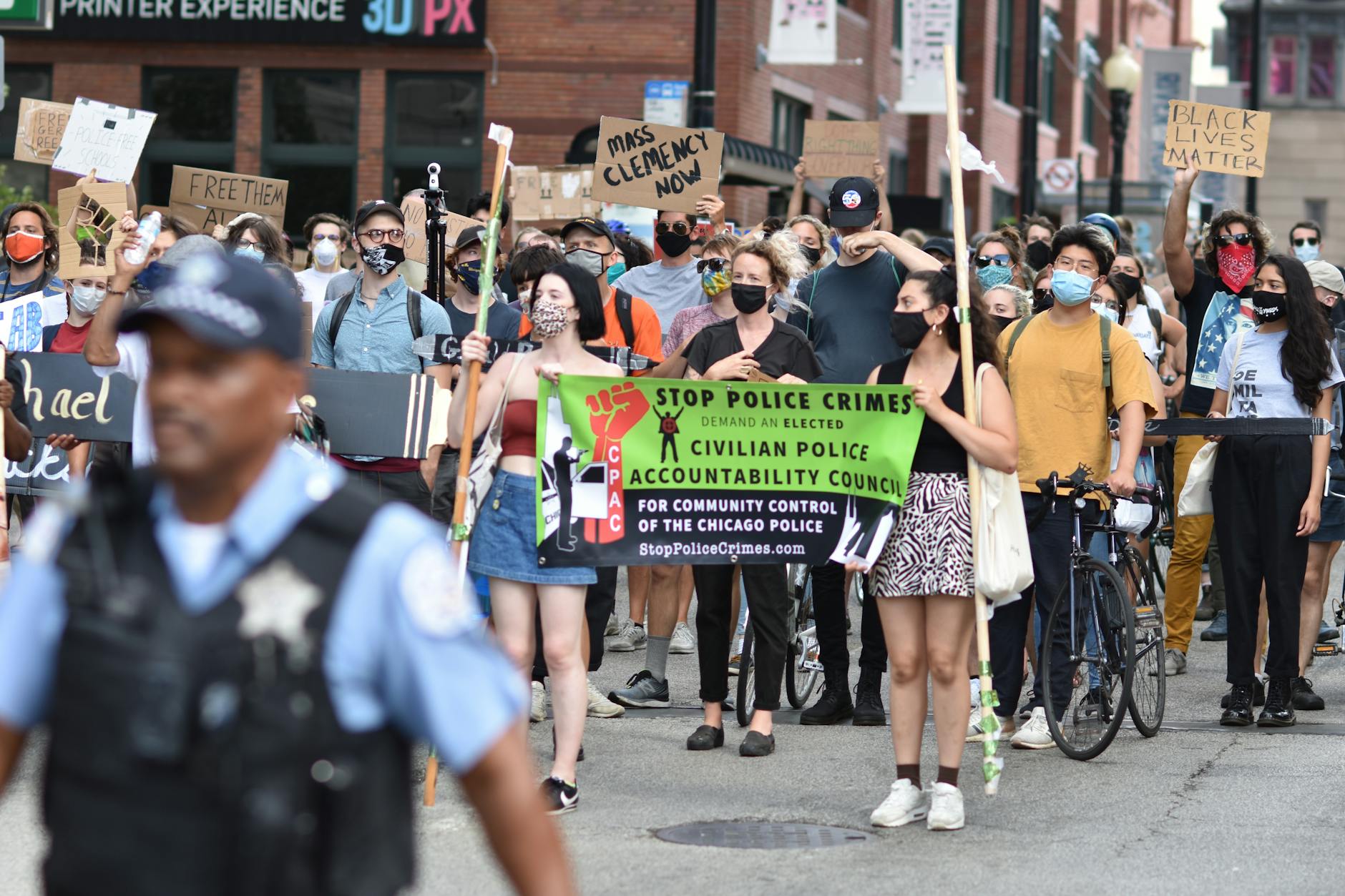
The Ombudsman's role in handling police complaints has significantly impacted police accountability and reform. By providing an independent and impartial review process, the Ombudsman helps ensure that police actions are scrutinized fairly. This external oversight encourages police departments to maintain higher standards and address misconduct more effectively. Studies show that jurisdictions with strong Ombudsman systems see a 20% reduction in sustained complaints against officers.
One key aspect of this impact is the Ombudsman's ability to identify systemic issues within police departments. Through thorough investigations and trend analysis, they can pinpoint areas needing reform. For instance, an Ombudsman might discover a pattern of excessive force in a particular precinct, prompting department-wide training initiatives. This proactive approach helps prevent future misconduct and builds public trust.
Moreover, the Ombudsman serves as a bridge between the community and law enforcement. By advocating for complainants and ensuring their voices are heard, they foster a more transparent and responsive police culture. Experts agree that this collaborative dynamic is crucial for meaningful reform. When communities see that their concerns are taken seriously, they are more likely to engage constructively with police.
Ultimately, the Ombudsman's work contributes to a culture of accountability within police departments. By holding officers accountable for their actions, the Ombudsman helps create a more professional and trustworthy police force. This, in turn, enhances public safety and strengthens community-police relations. The Ombudsman's role is not just about addressing individual complaints but also about driving systemic change.
The Evolving Role of Ombudsman in Law Enforcement

The ombudsman's role in law enforcement has significantly evolved over the past few decades. Once primarily focused on administrative oversight, modern ombudsmen now actively engage in investigating police complaints, mediating disputes, and recommending policy changes. This shift reflects a growing recognition of the need for independent oversight to maintain public trust in law enforcement agencies.
A study by the International Ombudsman Institute reveals that 78% of citizens feel more confident in reporting police misconduct when an independent ombudsman is involved. This underscores the critical role ombudsmen play in bridging the gap between the public and police departments. Their impartiality and transparency often lead to more satisfactory resolutions for all parties involved.
Ombudsmen also serve as educators, helping police departments implement best practices and improve internal policies. By providing training and resources, they contribute to a culture of accountability and continuous improvement within law enforcement. This proactive approach not only addresses immediate complaints but also prevents future issues.
As societal expectations of law enforcement evolve, so too does the ombudsman's role. They are increasingly involved in systemic reviews and long-term strategic planning, ensuring that police departments align with community values and expectations. This holistic approach helps build stronger, more resilient police-community relationships.
The Ombudsman serves as a critical, impartial intermediary between the public and law enforcement, ensuring accountability and fairness in police complaint processes. By investigating grievances, mediating disputes, and recommending reforms, they uphold transparency and public trust. To navigate this system effectively, individuals should document incidents thoroughly and engage with the Ombudsman promptly. As communities continue to demand greater police accountability, the Ombudsman's role will likely evolve, shaping more responsive and equitable policing practices.
Need this answered for your specific case?
Get a flat-fee consultation with a verified U.S. immigration attorney. Engagement letter on every paid consult.
Related guides
This guide provides general legal information and does not create an attorney–client relationship. Information accurate as of July 2026. Always verify current USCIS guidance before acting.